

Do you want to keep your furry friend looking fresh and feeling great? Learning to groom dogs isn’t just about making them look good—it’s about their health and happiness too.
Imagine saving money on professional grooming while bonding more with your pet. Sounds great, right? You’ll discover simple, effective ways to master dog grooming at home. Whether you’re a new pet owner or just want to improve your skills, you’re about to unlock secrets that will make grooming easy and enjoyable for both you and your dog.
Keep reading to find out how!
Getting Started With Dog Grooming
Starting dog grooming at home can feel tricky. It needs some planning and care. Knowing the basics helps you and your dog stay calm and happy during grooming. This guide covers the first steps to get you ready.
Prepare the right tools, choose a good space, and learn safety tips. These steps make grooming easier and safer for your dog. Let’s explore each part to set you up for success.
Essential Grooming Tools
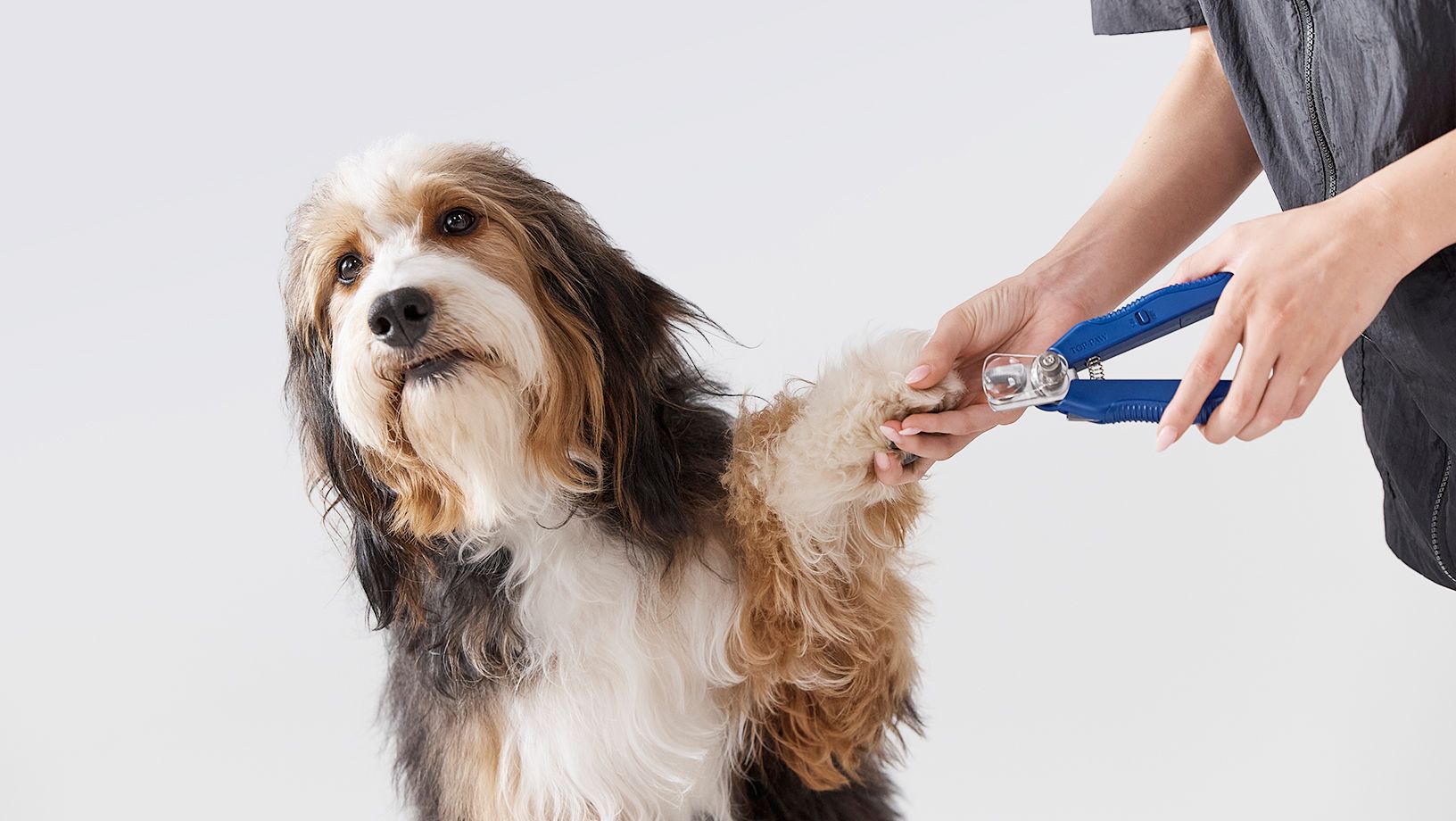
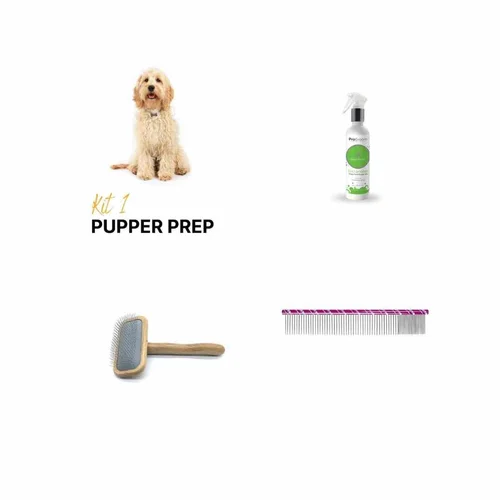
Gather basic tools before you begin. A slicker brush removes loose fur and tangles. Nail clippers keep your dog’s nails short and healthy. Use a comb to check for mats and dirt. A gentle shampoo keeps the coat clean. Have towels ready for drying after a bath.
Choosing The Right Space
Pick a quiet, well-lit area for grooming. A flat surface helps your dog stay steady. Avoid places with distractions or loud noises. Keep all tools nearby to avoid leaving your dog alone. Good space helps your dog feel safe and relaxed.
Basic Safety Tips
Always handle your dog gently to prevent stress. Check tools before use to avoid injuries. Trim nails slowly, avoiding the quick. Never leave your dog unattended during grooming. Watch for signs of discomfort or pain. Safety protects both you and your dog.
Credit: www.petsmart.com
Understanding Dog Coat Types
Understanding dog coat types is important for proper grooming. Each type needs different care to keep dogs healthy and happy. Knowing the coat type helps choose the right tools and techniques.
Dog coats vary a lot. Some are smooth, others thick or curly. Grooming suits each type differently. Learning about coat types makes grooming easier and safer.
Short Hair Breeds
Short hair breeds have smooth, close coats. Their hair lies flat on the body. These coats need less brushing but regular baths help. Use a soft brush or grooming glove to remove loose hair. Short hair dogs shed, so brushing reduces shedding around the house.
Long Hair Breeds
Long hair breeds have thick, flowing fur. Their coats can tangle and mat easily. Daily brushing is best to prevent knots. Use a slicker brush or comb with wide teeth. Long hair dogs need regular trims to stay neat. Keep an eye on areas behind ears and paws for mats.
Curly And Double Coats
Curly coats have tight curls that trap dirt. They need frequent brushing to avoid mats. Use a comb designed for curls. Double coats have two layers: a soft undercoat and a tougher outer coat. During shedding seasons, use an undercoat rake. This removes loose hair without hurting the skin. Both coat types need careful grooming to stay healthy.
Step-by-step Grooming Process
Grooming a dog is more than just keeping them clean. It helps maintain their health and comfort. A step-by-step grooming process makes the task easier and safer for both you and your dog. Follow these clear steps to learn how to groom your dog properly.
Brushing Techniques
Start by brushing your dog’s coat to remove dirt and loose hair. Use a brush that suits your dog’s fur type. Brush gently to avoid hurting the skin. Brush in the direction of hair growth. Check for mats and tangles. Carefully work through any knots with your fingers or a comb.
Bathing Your Dog
Use lukewarm water to wet your dog’s coat thoroughly. Apply a dog-friendly shampoo and lather well. Avoid the eyes and inside the ears. Rinse completely to remove all shampoo. Clean shampoo keeps skin healthy and prevents irritation. Bathing should be done every few weeks or as needed.
Drying Methods
After the bath, towel dry your dog to remove excess water. Use a hairdryer on a low, cool setting if your dog tolerates it. Keep the dryer moving to avoid hot spots. Drying helps prevent skin problems and keeps your dog comfortable. Make sure your dog is fully dry before moving on.
Trimming And Clipping
Use sharp scissors or clippers designed for dogs. Trim hair around the face, paws, and sanitary areas carefully. Cut small amounts at a time to avoid mistakes. Keep your dog calm and still during trimming. Regular trimming keeps your dog neat and prevents mats. Always check for sharp edges on tools before use.
Credit: www.igroomhub.com.au
Handling Common Grooming Challenges
Grooming dogs can sometimes be tricky. Certain challenges pop up often. Knowing how to handle these problems helps keep grooming safe and smooth. It also makes dogs feel more comfortable. The next tips focus on common grooming issues and how to manage them easily.
Dealing With Matting
Matted fur can hurt dogs and cause skin problems. Start by gently using a detangling spray. Use a wide-tooth comb to work through knots slowly. Avoid pulling hard to stop pain. Trim mats carefully if they are very tight. Regular brushing helps prevent matting before it starts.
Calming Nervous Dogs
Some dogs get scared during grooming. Speak softly and move slowly. Give short breaks if the dog seems stressed. Offer treats to create a positive experience. Try to groom in a quiet space. Patience helps build trust and calm nerves over time.
Avoiding Skin Irritations
Skin irritation can happen from tools or products. Use grooming tools made for dogs. Check the skin often for redness or bumps. Choose shampoos that suit the dog’s skin type. Rinse well to remove all soap. Keep nails trimmed to avoid scratching the skin.
Maintaining Grooming Between Sessions
Maintaining your dog’s grooming between professional sessions keeps them healthy and happy. Regular care prevents mats, odors, and discomfort. It also helps you spot any skin problems early. This simple routine supports your dog’s overall well-being.
Regular Brushing Tips
Brush your dog’s coat daily or several times a week. Use a brush made for your dog’s hair type. Start brushing gently to avoid hurting your dog. Remove loose hair and dirt with slow, smooth strokes. Brushing prevents tangles and spreads natural oils for a shiny coat.
Ear And Nail Care
Check your dog’s ears weekly for dirt or bad smell. Clean ears with a vet-approved solution and soft cloth. Avoid deep inside the ear canal. Trim nails every two to four weeks. Use proper nail clippers and cut small bits at a time. Long nails can cause pain and walking problems.
Dental Hygiene Basics
Brush your dog’s teeth two to three times a week. Use toothpaste made for dogs and a soft toothbrush. Clean all teeth gently, especially near the gums. Good dental care prevents bad breath and tooth decay. Dental chews and toys can also help maintain clean teeth.
Learning Resources For Beginners
Learning to groom dogs can feel overwhelming at first. Many beginners find it easier with good resources. The right materials can help you understand basic tools and techniques. Practice becomes more effective when you follow clear instructions. Start with simple guides and grow your skills step by step.
Online Tutorials And Videos
Online tutorials and videos offer visual learning. You can watch grooming steps in real-time. Many creators explain each tool and its use. Videos allow you to pause and repeat tricky parts. This method suits those who learn by seeing and doing. Free and paid options exist, fitting different budgets.
Books And Guides
Books provide detailed information about dog grooming. They cover breeds, coat types, and grooming styles. Many guides include pictures and diagrams for clarity. You can learn at your own pace and review anytime. Books are easy to carry and consult during practice. Beginners benefit from structured chapters and clear language.
Professional Grooming Classes
Professional classes offer hands-on experience with expert support. Trainers show correct techniques and safety tips. Classes often provide practice on real dogs or models. Group settings allow questions and peer learning. This approach builds confidence and skills quickly. It suits learners who prefer direct guidance and feedback.
Building Confidence As A Dog Groomer
Building confidence as a dog groomer takes time and practice. It means feeling sure about your skills and handling dogs calmly. Confidence helps you work faster and with less stress. It also makes dogs feel safe and relaxed during grooming. The key is to keep learning and improving every day.
Practicing On Different Breeds
Each dog breed has unique fur and skin types. Practice on many breeds to understand their needs. Some dogs have thick coats, others have thin hair. Learning to groom all types builds your skill and confidence. You will know how to handle various temperaments too. This variety makes you a well-rounded groomer.
Seeking Feedback And Improvement
Ask experienced groomers to watch your work. Their advice helps you see mistakes you might miss. Listen carefully to their tips and try new techniques. Use feedback as a chance to grow, not to feel bad. Improving bit by bit boosts your confidence. Keep learning from each grooming session.
Staying Patient And Consistent
Grooming takes time to do well. Be patient with yourself and the dogs. Consistency in practice leads to steady progress. Do not rush through grooming jobs. Calm and steady hands create better results. Over time, patience turns into skill and confidence. Keep a regular routine to build trust and expertise.

Credit: tweezerman.com
Frequently Asked Questions
How Do Beginners Start Learning Dog Grooming?
Beginners start by understanding dog breeds and coat types. Watching tutorials and practicing on calm dogs helps. Basic tools like brushes and clippers are essential. Joining grooming classes or online courses enhances skills effectively.
What Tools Are Essential For Dog Grooming Learning?
Essential tools include brushes, combs, nail clippers, and grooming scissors. A dog shampoo and a blow dryer are also important. Using quality tools ensures safe and effective grooming results.
How Long Does It Take To Learn Dog Grooming?
Learning basic dog grooming takes a few weeks with regular practice. Mastering advanced techniques can take several months. Consistent hands-on experience and study speed up the learning process significantly.
Can I Learn Dog Grooming Online Effectively?
Yes, online courses and videos offer step-by-step grooming guidance. They provide flexibility and cover various grooming styles. However, practical experience with real dogs is crucial for skill development.
Conclusion
Learning to groom dogs takes time and patience. Start with simple steps and practice often. Watch videos and read guides to improve your skills. Always be gentle and calm with the dog. Use the right tools for each breed and coat type.
Remember, safety comes first for both you and the pet. Keep learning and enjoy the process. Grooming can strengthen your bond with your dog. Small efforts lead to great results over time. You can do this with care and consistency.


