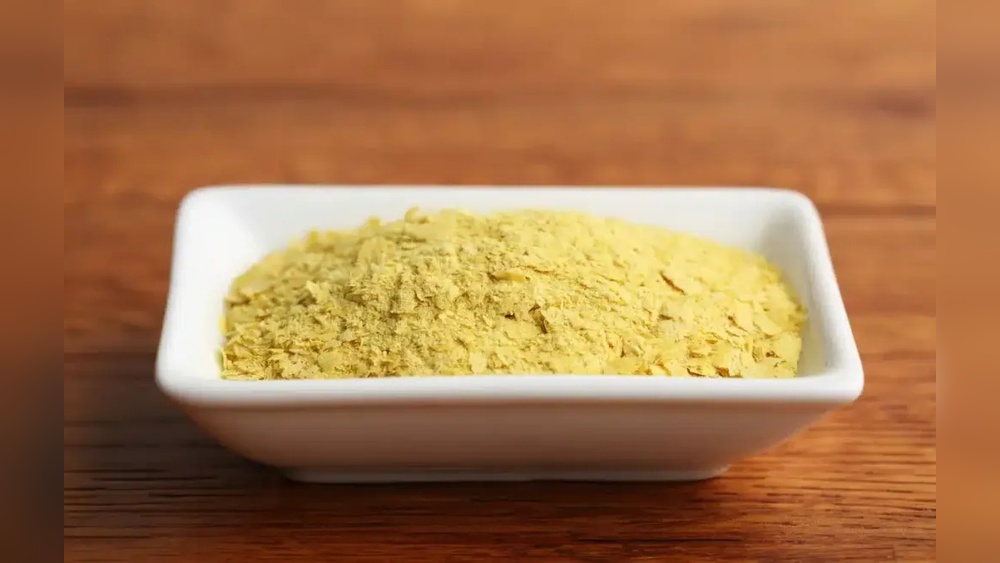
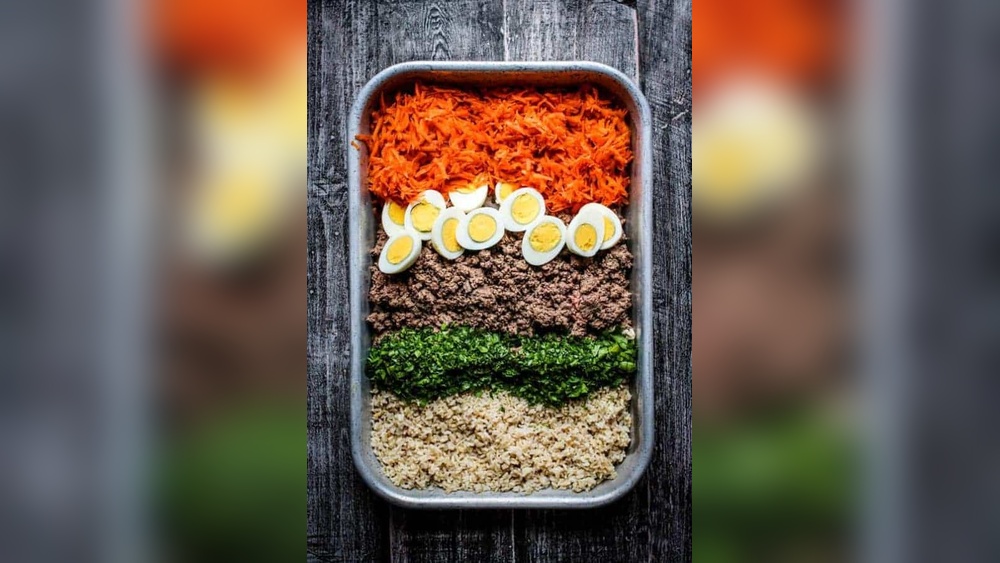
Are you looking for a simple, healthy way to start your dog’s day? Making a cold nutritional breakfast bar for your dog is easier than you think.
This tasty treat not only gives your furry friend the energy they need but also supports their overall health. Imagine giving your dog something you made with love, packed with the right nutrients to keep them happy and active. Keep reading, and you’ll discover how to create these delicious bars quickly, with ingredients you can trust.
Your dog will thank you!
Benefits Of Homemade Dog Bars
Making homemade dog bars gives many good reasons to choose this option. These bars offer better health benefits and safety for your dog. You can tailor the recipe to suit your dog’s needs perfectly. Also, homemade bars often cost less than store-bought treats. Here are some key benefits of making your own dog bars.
Nutritional Advantages
Homemade dog bars use fresh, natural ingredients. This means your dog gets real nutrients without fillers. You can add vitamins, proteins, and healthy fats your dog needs. Avoiding preservatives and artificial flavors helps keep your dog healthy. You control the nutrition your dog receives in every bite.
Control Over Ingredients
You decide what goes into each bar. No unknown chemicals or harmful additives. This helps if your dog has allergies or sensitivities. You can avoid ingredients that upset your dog’s stomach. Also, you can include favorite foods your dog loves. This control makes treats safer and tastier.
Cost-effectiveness
Making dog bars at home saves money. Store-bought treats can be expensive over time. Buying ingredients in bulk reduces costs further. You get more treats for less money. Plus, homemade bars last longer in the fridge or freezer. Saving money and feeding your dog well feels good.
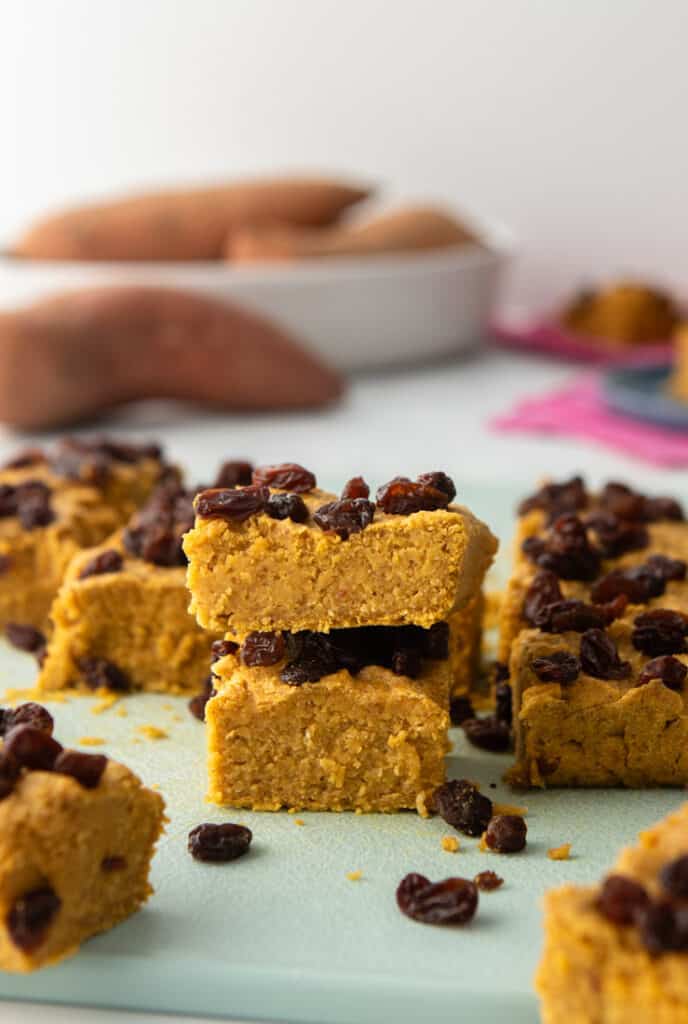
Credit: www.bucketlisttummy.com
Essential Ingredients
Creating a cold nutritional breakfast bar for your dog starts with choosing the right ingredients. Each component plays a key role in your dog’s health and energy. The ingredients should provide a balance of nutrients. This helps your dog stay strong and active throughout the day.
Protein Sources
Protein builds muscles and supports overall growth. Good protein options include cooked chicken, turkey, or lean beef. You can also use fish like salmon or tuna. Eggs are another great source of protein for dogs. These ingredients help keep your dog’s muscles healthy.
Healthy Carbohydrates
Carbohydrates give energy and aid digestion. Oats and brown rice are excellent carb choices. Sweet potatoes and pumpkin add fiber and vitamins. These carbs provide long-lasting energy for your dog’s day.
Vitamins And Minerals
Vitamins and minerals boost the immune system. Add vegetables like carrots, spinach, or green beans. These are rich in essential nutrients. You can also include a small amount of plain yogurt. It helps with digestion and adds calcium.
Dog-safe Flavor Additions
Flavor makes the bar more enjoyable for your dog. Use natural options like peanut butter without xylitol. A little bit of honey adds sweetness safely. Fresh herbs like parsley can freshen your dog’s breath. These small touches make the bar tasty and fun to eat.
Tools And Equipment Needed
Preparing a cold nutritional breakfast bar for your dog requires some basic tools. These tools help mix ingredients evenly and store the bars safely. Having the right equipment makes the process faster and cleaner.
Each tool has a specific role. Mixing bowls and utensils combine the ingredients well. Measuring tools ensure the right portions. Freezer-safe containers keep the bars fresh and ready to serve.
Mixing Bowls And Utensils
Use medium to large mixing bowls to hold all ingredients. Plastic or glass bowls work well. Choose a bowl big enough to mix comfortably without spilling.
Spoons, spatulas, and whisks help blend ingredients smoothly. A silicone spatula is gentle and flexible. Wooden spoons are sturdy for thick mixtures.
Measuring Tools
Accurate measuring tools ensure the recipe turns out right. Use measuring cups for dry and wet ingredients. A set of measuring spoons helps with small amounts.
Digital kitchen scales provide precision for ingredients by weight. This improves consistency in each batch.
Freezer-safe Containers
Cold breakfast bars need proper storage to stay fresh. Use containers that can go into the freezer safely. Plastic containers with tight lids work well.
Silicone molds are perfect for shaping bars and freezing. They make it easy to remove bars without breaking them.
Step-by-step Preparation
Making a cold nutritional breakfast bar for your dog is simple and rewarding. Follow these easy steps to prepare a healthy treat. Each step ensures the bars are nutritious and tasty for your pet.
Mixing The Ingredients
Start by gathering all ingredients. Use dog-safe items like oats, peanut butter, and yogurt. Place them in a large bowl. Stir the mixture well until smooth. Make sure all ingredients blend evenly.
Shaping The Bars
Next, prepare a tray with parchment paper. Scoop the mixture onto the tray. Press each scoop into a flat, bar shape. Keep sizes uniform for even freezing. Use your hands or a spatula for shaping.
Freezing Process
Place the tray in the freezer. Let the bars freeze for at least four hours. This hardens the bars and preserves nutrients. Once frozen, store bars in an airtight container. Keep them frozen until ready to serve.
Storage Tips
Proper storage keeps your dog’s cold nutritional breakfast bars fresh and tasty. It also helps maintain their nutrients. Store the bars carefully to avoid spoilage and waste.
Follow these simple tips to store the bars safely and extend their shelf life.
Freezing Duration
Freeze the breakfast bars for up to three months. Use airtight containers or freezer bags. Label each package with the date. This prevents confusion and keeps bars fresh.
Thawing Instructions
Thaw bars in the fridge overnight. Avoid thawing at room temperature to reduce bacteria risk. Serve only after bars are fully thawed and cool.
Shelf Life After Thawing
Use thawed bars within three days. Keep them in the refrigerator during this time. Discard any leftover bars after three days to protect your dog’s health.
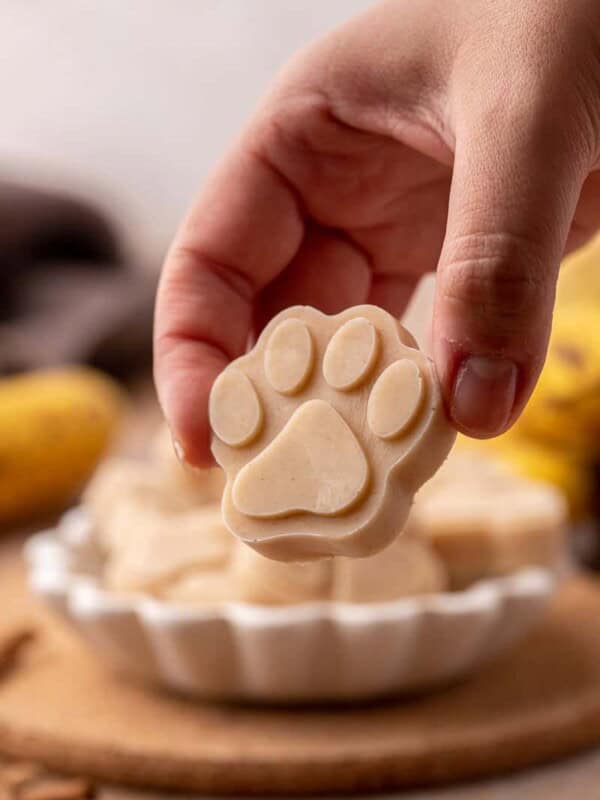
Credit: lifestyleofafoodie.com
Customizing Recipes
Customizing your dog’s cold nutritional breakfast bar recipe helps meet their unique needs. Each dog has different tastes and health requirements. Making changes ensures your dog enjoys the bar and stays healthy. You can adjust ingredients to avoid allergies, add helpful supplements, or try new flavors.
Adjusting For Allergies
Check your dog for any food allergies before starting. Common allergens include wheat, soy, and certain proteins. Use alternative ingredients like rice flour or oat flour. Replace chicken with turkey or fish if needed. Avoid adding any ingredient that causes itching or stomach upset.
Adding Supplements
Boost your dog’s health by adding supplements to the bar. Fish oil improves skin and coat health. Glucosamine supports joint function. Probiotics help digestion and gut health. Add these in small amounts to keep the bar balanced and tasty.
Flavor Variations
Change flavors to keep your dog interested in breakfast bars. Mix in pumpkin puree for sweetness and fiber. Try mashed sweet potatoes for a soft texture. Add a little peanut butter for a rich taste. Always use dog-safe ingredients and avoid toxic foods like chocolate or grapes.
Safety Precautions
Making a cold nutritional breakfast bar for your dog is a great idea. Safety is very important. You must know the right steps to keep your pet healthy. This section covers key safety tips. Follow them closely to avoid problems.
Avoiding Harmful Ingredients
Not all human foods are safe for dogs. Some ingredients can cause sickness. Avoid chocolate, grapes, onions, and artificial sweeteners. Use only dog-friendly ingredients. Check every item before adding it to the recipe. Natural and fresh foods are best.
Portion Control
Too much of even good food can harm dogs. Give small portions of the breakfast bar. Adjust the size based on your dog’s weight and age. Watch your dog’s reaction after feeding. Stop if you see any signs of upset stomach or allergies.
Consulting Your Vet
Your vet knows your dog’s health history. Talk to them before trying new foods. Share your recipe and ask for advice. They can suggest safe ingredients and proper portions. This helps prevent health problems later on.
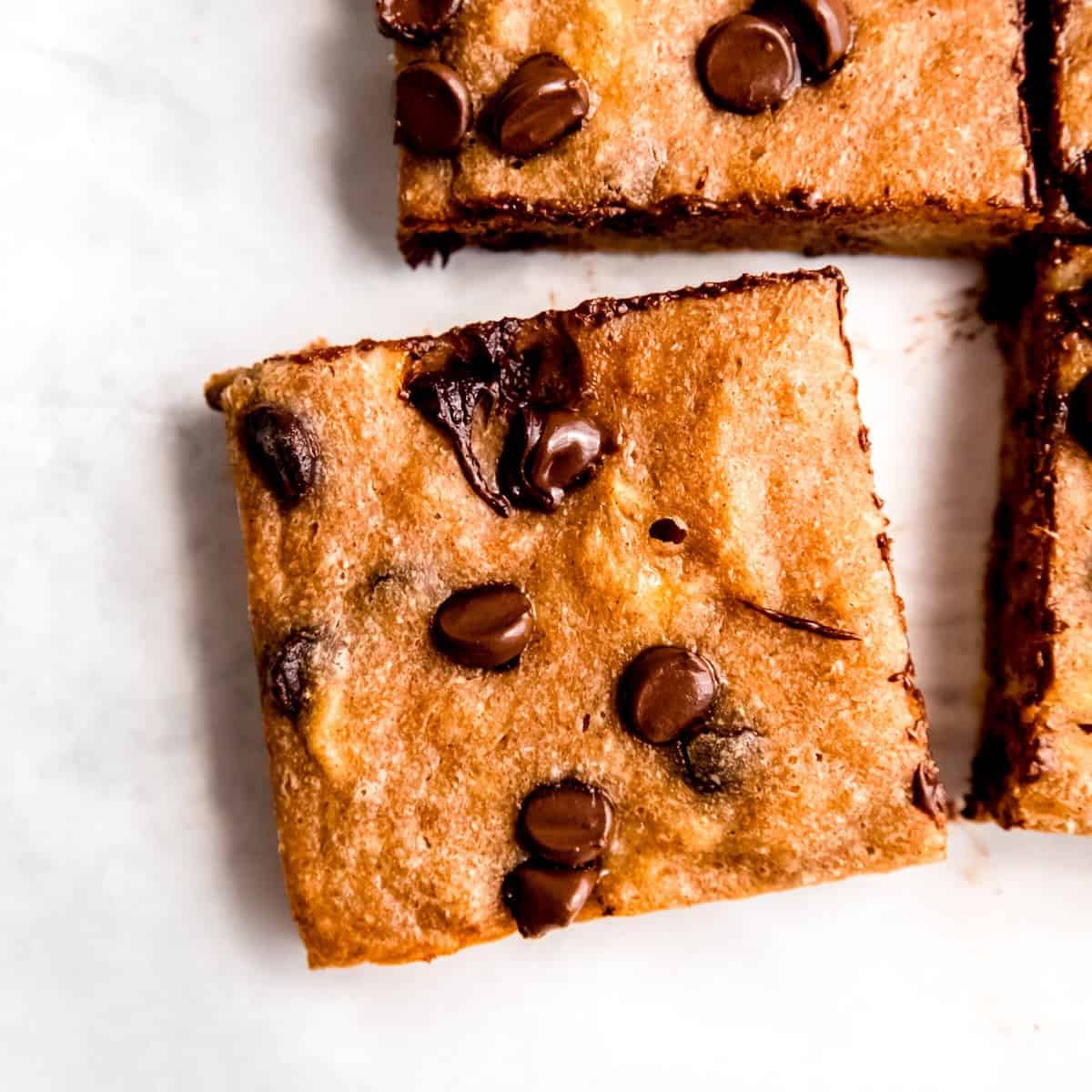
Credit: confessionsofagroceryaddict.com
Frequently Asked Questions
What Ingredients Make A Nutritious Cold Breakfast Bar For Dogs?
A nutritious cold breakfast bar for dogs includes oats, peanut butter, honey, yogurt, and dog-safe fruits. These ingredients provide protein, fiber, and essential vitamins. Always avoid toxic items like chocolate or raisins.
How Do I Prepare A Cold Nutritional Breakfast Bar For Dogs?
Mix all ingredients thoroughly, press into a mold, and refrigerate for 2-3 hours. Once firm, cut into small bars suitable for your dog’s size. Serve chilled to maintain freshness and texture.
Can Cold Breakfast Bars Improve My Dog’s Health?
Yes, cold breakfast bars offer balanced nutrients that support energy, digestion, and coat health. Homemade bars avoid preservatives and harmful additives common in commercial treats. They are a wholesome, tasty alternative for your pet.
How Should I Store Cold Breakfast Bars For Dogs?
Store the bars in an airtight container in the refrigerator. They remain fresh for up to one week. For longer storage, freeze them and thaw before serving.
Conclusion
Making a cold nutritional breakfast bar for your dog is simple and healthy. You control the ingredients and avoid harmful additives. These bars provide energy and nutrients for your pet’s day. Plus, they are easy to store and serve. Your dog will enjoy a tasty, homemade treat every morning.
Try different recipes to find what your dog likes best. Homemade bars show your care and keep your dog happy and strong. Give it a try and see the difference!