

Are you wondering when it’s the right time to switch your furry friend to adult dog food? Feeding your dog the right food at the right age is crucial for their health and happiness.
Too early, and they might miss out on essential nutrients; too late, and you could be slowing down their growth or causing digestive issues. You’ll discover clear signs and expert tips to help you know exactly when to make that important change.
Keep reading to ensure your dog gets the best nutrition at every stage of life.
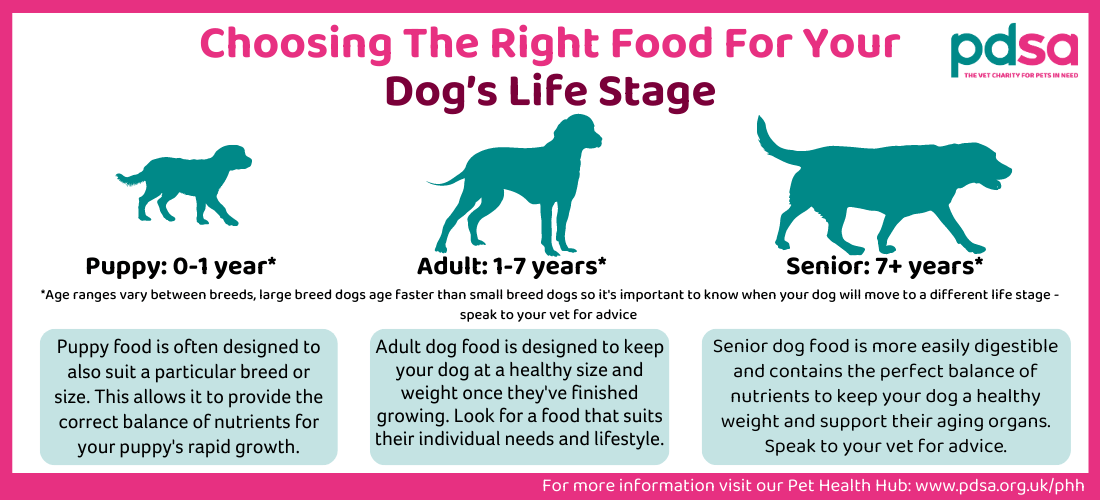
Credit: www.pdsa.org.uk
Signs Your Puppy Is Ready
Knowing when to switch your puppy to adult dog food is important. Puppies grow fast, and their food needs change. Look for clear signs that show your puppy is ready for adult food. These signs help keep your dog healthy and strong. Understanding these signs makes feeding easier.
Age Milestones For Switching
Most puppies start eating adult food between 9 and 12 months. Small breeds may switch earlier, around 9 months. Large breeds often wait until 12 months or more. Age is a good guide but not the only one. Watch your puppy closely to see if they are ready.
Behavioral Indicators
Your puppy may show less interest in puppy food. They might eat less or seem full faster. Energy levels may change as growth slows down. Puppies ready for adult food often have steadier activity. Notice if they seem less hungry after meals too.
Physical Development Signs
Check your puppy’s teeth and body size. Adult teeth usually come in by 6 months. If your puppy looks nearly full-grown, it might be time. Muscle tone and weight gain slow as puppies mature. These signs show their bodies need adult nutrition now.
Choosing The Right Adult Food
Choosing the right adult food for your dog is very important for their health. Adult dogs need food that fits their size, age, and activity level. Feeding the wrong food can cause health problems. This section helps you understand what to look for in adult dog food. It explains the types, nutrition, and how to read labels carefully.
Nutritional Needs For Adult Dogs
Adult dogs need a balanced diet. Protein helps build strong muscles. Fat gives energy for daily activities. Carbohydrates provide fiber for digestion. Vitamins and minerals keep the body healthy. The right mix depends on the dog’s size and activity. Large dogs need different nutrients than small dogs. Active dogs burn more energy and need more calories. Less active dogs need fewer calories to avoid weight gain.
Types Of Adult Dog Food
Dry kibble is popular and easy to store. It helps keep teeth clean with crunching action. Wet food has more moisture and tastes good. It is good for dogs that drink less water. Semi-moist food is soft and chewy but has more sugar. Raw or homemade diets offer fresh ingredients but need careful planning. Choose a type that your dog likes and digests well.
Reading Food Labels
Check the first ingredient; it should be a named meat. Avoid foods with too many fillers like corn or wheat. Look for foods labeled “complete and balanced.” This means they meet nutrient standards. Notice the guaranteed analysis for protein, fat, and fiber. Avoid artificial colors, flavors, and preservatives. Ingredients are listed by weight from most to least. This helps you know what your dog eats first.
Transitioning Gradually
Transitioning your dog from puppy food to adult food takes time and care. A sudden change can upset their stomach or cause refusal to eat. A slow switch helps your dog adjust to new tastes and nutrients. This process also supports their digestion and overall health.
Creating A Feeding Schedule
Start by setting a regular feeding schedule. Feed your dog at the same times each day. Consistency helps your dog get used to new food routines. Keep meal portions the same size during the transition. This avoids sudden changes in calorie intake.
Mixing Puppy And Adult Food
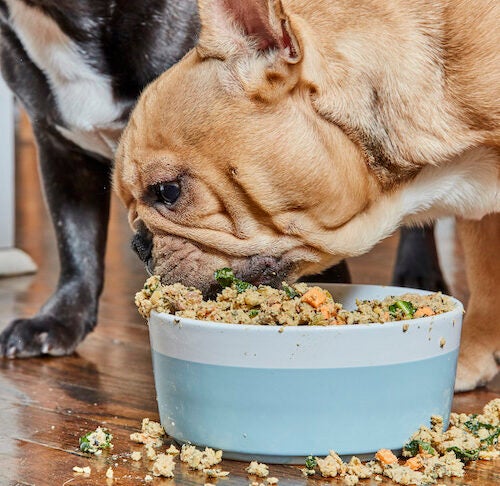
Begin by mixing a small amount of adult food with puppy food. For example, start with 25% adult food and 75% puppy food. After a few days, increase the adult food to 50%. Then move to 75% adult food and 25% puppy food. Finally, feed only adult food. This gradual mix helps your dog accept the new taste.
Monitoring Your Dog’s Reaction
Watch your dog closely during the transition. Check for any signs of stomach upset or allergies. Look for vomiting, diarrhea, or loss of appetite. Also, observe energy levels and mood changes. If problems appear, slow down the transition or consult a vet.
Credit: www.hladnovrockchoir.com
Common Challenges During Transition
Switching a dog from puppy to adult food can bring some challenges. Dogs may react differently to new food textures and ingredients. Careful management helps avoid problems during this change. Patience and observation are key to a smooth transition.
Digestive Upset Solutions
Some dogs may get an upset stomach from new food. Watch for diarrhea or vomiting during the first days. Introduce adult food slowly by mixing it with puppy food. Increase adult food amount every few days. Plain boiled chicken and rice can soothe upset stomachs.
Dealing With Food Refusal
Dogs sometimes refuse adult food at first. Try warming the food to release aroma. Offer small amounts several times a day. Avoid giving treats that fill the dog before meals. Stay calm and consistent to encourage eating.
Adjusting Portions And Frequency
Adult dogs usually eat less than puppies. Adjust portion size to match your dog’s weight and activity. Feed adult food two times a day instead of three or four. Track your dog’s weight and energy to find the best amount. Ask a vet for portion advice if unsure.
Special Considerations
Feeding dogs adult food requires careful thought beyond just age. Dogs differ in breed, size, and health needs. These factors influence the right time to switch their diet. Knowing special considerations helps keep dogs healthy and happy.
Breed And Size Differences
Small and large breeds grow at different rates. Large breeds take longer to mature. They might need puppy food for more time. Small breeds usually switch to adult food sooner. Breed traits affect nutrient needs and feeding schedules.
Health Conditions Impacting Diet
Some dogs have health problems affecting their diet. Allergies, digestive issues, or weight concerns need special food. Changing to adult food too soon may cause problems. Tailoring food to health conditions supports better wellness.
Consulting Your Veterinarian
Your vet knows your dog’s unique needs best. They can advise the right age to switch food. Vets help adjust diets for health or breed specifics. Regular check-ups ensure your dog’s diet stays ideal.
Credit: www.raisedrightpets.com
Frequently Asked Questions
When Is The Right Time To Feed Dogs Adult Food?
Most dogs transition to adult food around 12 months old. Large breeds may switch later, around 18-24 months. Always consult your vet for breed-specific advice and signs of readiness.
What Signs Indicate A Dog Can Eat Adult Food?
Look for steady growth, stable weight, and increased energy. Puppies losing baby teeth and eating solid food well usually can switch to adult food.
Can Feeding Adult Food Too Early Harm Puppies?
Yes, feeding adult food too early can cause nutrient imbalances. Puppies need more calories and nutrients for growth, which adult food may lack.
How To Switch Dogs From Puppy To Adult Food Safely?
Transition gradually over 7-10 days. Mix increasing amounts of adult food with decreasing puppy food to avoid digestive upset.
Conclusion
Feeding your dog adult food at the right time keeps them healthy. Most dogs switch around one year old, but size matters too. Large breeds may need more time on puppy food. Watch your dog’s growth and energy for signs.
Always choose quality food made for adult dogs. This change supports their health and keeps them strong. Consult your vet to make the best choice. Your dog will thank you with a happy, active life. Simple steps help your dog grow well and stay healthy.


