

Are you wondering what might happen if you feed your puppy adult dog food? It’s a common question for many pet owners, and the answer could affect your puppy’s health and growth.
What you feed your puppy now shapes their future, so it’s important to get it right. You’ll discover the risks and consequences of giving your young dog adult food, and why choosing the right nutrition matters more than you might think.
Keep reading to protect your puppy’s well-being and help them thrive.
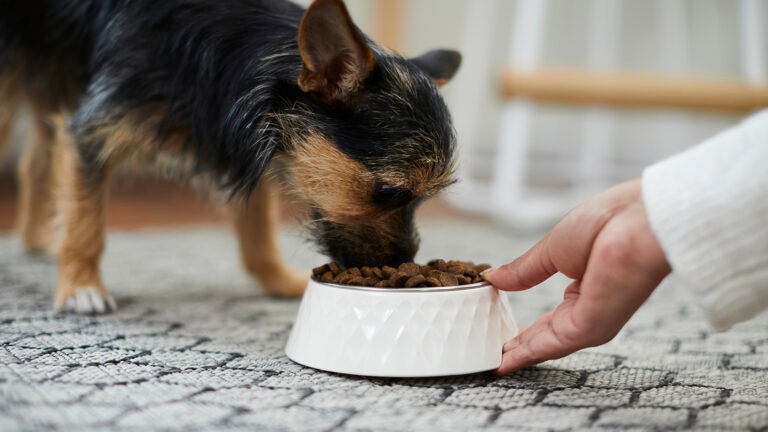
Credit: www.chewy.com
Puppy Nutritional Needs
Puppies have special nutritional needs that differ from adult dogs. Their bodies grow fast and need the right food to support this growth. Feeding a puppy adult dog food can cause problems because it does not meet these needs. Understanding what puppies require helps keep them healthy and strong.
Essential Nutrients For Growth
Puppies need more protein than adult dogs. Protein helps build muscles and organs. They also require fats for energy and brain development. Vitamins and minerals like calcium and phosphorus support strong bones and teeth. Adult dog food often lacks these in the right amounts for puppies.
Calorie Requirements
Puppies burn energy quickly due to rapid growth. They need more calories per pound of body weight than adults. Adult dog food usually has fewer calories, which may not support a puppy’s energy needs. Without enough calories, puppies can become weak or fail to grow properly.
Differences From Adult Dogs
Puppies’ digestive systems are still developing. They need food that is easier to digest and balanced for growth. Adult dog food formulas focus on maintenance, not growth. Feeding adult food to puppies can lead to nutrient gaps and digestive problems. Puppy food is specially made to meet these unique needs.
Adult Dog Food Composition
Adult dog food has a different makeup than puppy food. It is designed to meet the needs of grown dogs, not growing puppies. Understanding the composition of adult dog food helps explain why it may not be suitable for puppies. The balance of nutrients is key to a dog’s health at any stage.
Protein And Fat Levels
Adult dog food usually has lower protein and fat than puppy food. Puppies need more protein and fat to support growth and energy. Adult formulas focus on maintaining weight and muscle, not rapid growth. Feeding adult food to a puppy may slow their development.
Vitamin And Mineral Content
Vitamins and minerals differ between adult and puppy foods. Puppies require higher amounts of calcium and phosphorus for bones and teeth. Adult foods have smaller amounts of these minerals. Too little can affect a puppy’s bone strength and overall health.
Caloric Density
Adult dog food is less calorie-dense than puppy food. Puppies burn more calories due to their high activity and growth. Adult food may not provide enough energy. This can lead to poor weight gain and low energy in puppies.
Potential Health Risks
Feeding a puppy adult dog food can lead to several health problems. Puppies have unique nutritional needs. Adult dog food does not meet these needs well. This can cause issues that affect a puppy’s growth and health. Understanding these risks helps keep your puppy safe and healthy.
Nutrient Deficiencies
Puppies need more protein, fat, and vitamins than adult dogs. Adult dog food often lacks these nutrients in the right amounts. Missing key nutrients can slow down a puppy’s growth. It can also weaken their immune system. This makes puppies more prone to illness and infections.
Digestive Issues
Adult dog food may be harder for puppies to digest. It contains less fat and fiber suited for young dogs. Puppies may experience upset stomachs, diarrhea, or constipation. These digestive problems can cause discomfort and dehydration. Good digestion is essential for a puppy’s overall health.
Growth And Development Concerns
Puppies grow rapidly and need food that supports this. Adult dog food does not support strong bone and muscle development. Lack of proper nutrients can lead to weak bones and poor muscle tone. This affects a puppy’s ability to move and play. Proper growth is critical for a happy, healthy dog.
Behavioral Effects
Feeding a puppy adult dog food can cause changes in behavior. Puppies have different nutritional needs than adult dogs. Adult food might not support their growth and development properly. This difference can lead to noticeable behavioral effects. These effects mainly show in their appetite and energy levels.
Changes In Appetite
Puppies eating adult dog food may eat less or more than usual. Adult food lacks some nutrients that puppies need to feel full. This can make a puppy feel hungry soon after eating. Some puppies might lose interest in food because it does not taste right for them. A poor appetite can slow their growth and affect their mood. Watch closely for any sudden changes in how much your puppy eats.
Energy And Activity Levels
Puppies need high energy to grow and play. Adult dog food usually has fewer calories and less fat. This lack can cause your puppy to feel tired or lazy. Low energy can reduce playtime and learning activities. Puppies might become less curious or active around the house. Keeping them on the right food helps maintain their natural energy and excitement.
When Adult Food Might Be Used
Feeding a puppy adult dog food is not common but can happen in some cases. Puppies need special nutrients to grow strong. Adult dog food has different ingredients and amounts. Still, there are certain times adult food might be used for puppies. Understanding these situations helps keep your puppy healthy.
Temporary Feeding Scenarios
Sometimes, adult dog food is fed to puppies for a short time. This can happen during travel or emergencies. If puppy food is unavailable, adult food can be a quick option. It is not ideal but better than no food. Make sure to return to puppy food soon. Watch your puppy for any signs of upset stomach.
Vet Recommendations
Veterinarians may suggest adult food for some puppies. Some puppies have health issues needing special diets. Adult food formulas may suit these cases better. Your vet will explain the reason clearly. Follow their advice closely. Regular check-ups help ensure your puppy grows well on any diet.
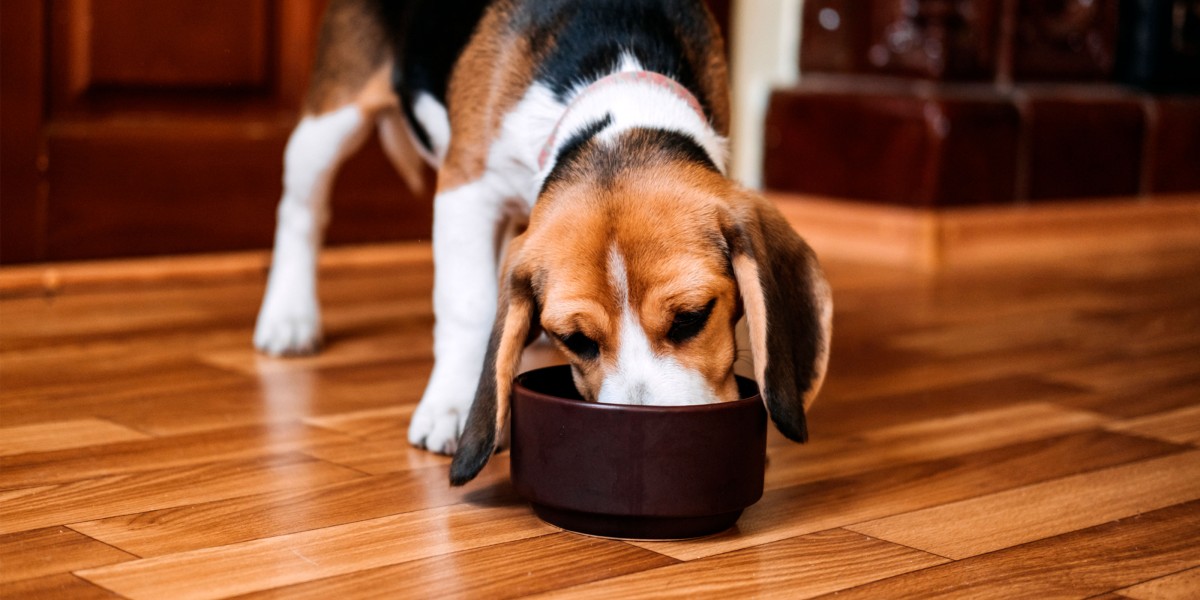
Credit: www.purina.com
Transitioning To Adult Food
Transitioning a puppy to adult dog food is an important step. Puppies need different nutrients than adult dogs. Changing food too soon or too fast can cause problems. The right timing and method help keep your puppy healthy and happy.
Timing The Switch
Puppies grow quickly. Most switch to adult food between 9 to 12 months old. Large breeds may need adult food later, around 12 to 18 months. Watch your puppy’s size and energy. These signs help decide the best time to switch.
Gradual Diet Changes
Sudden changes in diet can upset your puppy’s stomach. Mix a small amount of adult food with puppy food at first. Increase adult food slowly over 7 to 10 days. This helps your puppy’s body adjust without digestive problems.
Choosing The Right Puppy Food
Choosing the right food for your puppy is very important for their health. Puppies need special nutrients to grow strong and stay healthy. Adult dog food does not have the right balance of these nutrients. Feeding adult food to puppies may cause problems in their growth and energy levels.
Reading Labels
Always check the label on puppy food bags. Look for words like “complete and balanced” for puppies. The label should meet the standards set by pet food experts. This ensures the food has the right nutrients. Avoid foods that do not clearly say they are for puppies. Ingredients and nutrition facts help you choose the best food.
Top Ingredients To Look For
Choose puppy food with real meat listed first. Meat provides protein, which helps build muscles. Look for foods with DHA, an important fat for brain development. Vitamins and minerals should be part of the list. Avoid foods with too many fillers like corn or soy. Good puppy food supports healthy bones and strong immune systems.
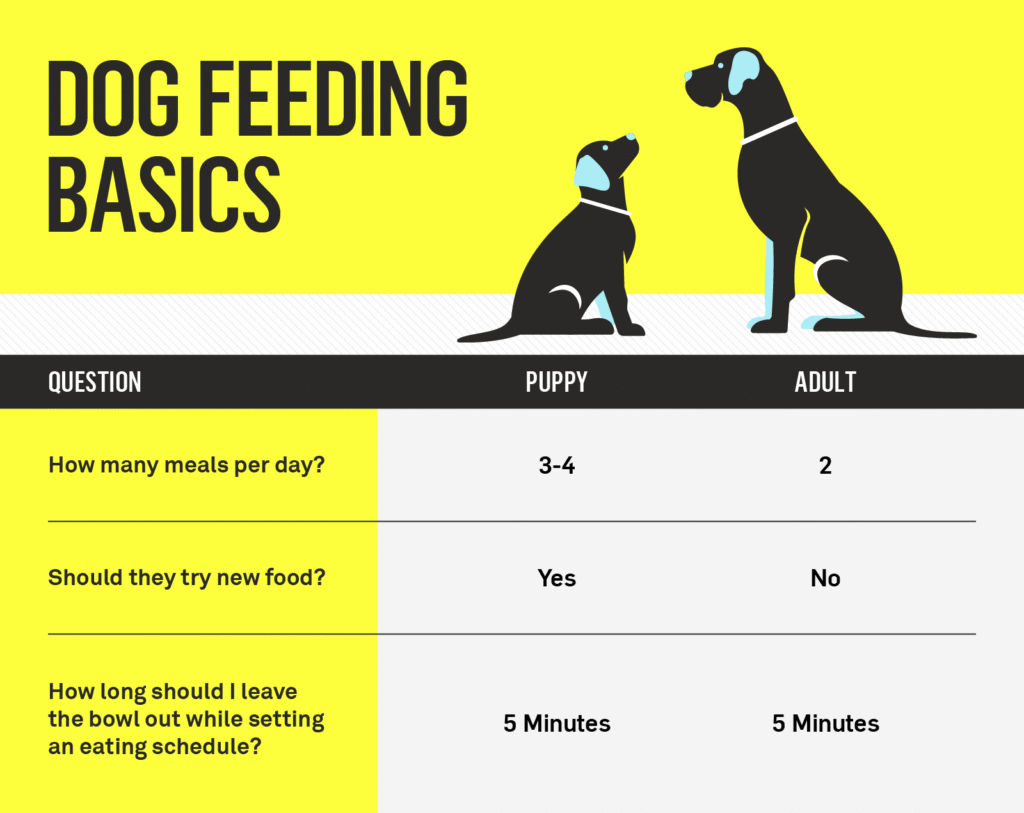
Credit: www.gallant.com
Frequently Asked Questions
Can Puppies Eat Adult Dog Food Safely?
Feeding puppies adult dog food occasionally is not harmful. However, adult food lacks essential nutrients for puppy growth. Prolonged feeding can lead to nutritional deficiencies and slower development. Always choose puppy-specific food for balanced nutrition.
What Risks Come From Feeding Puppies Adult Food?
Adult dog food has lower protein and fat levels needed for puppies. This can cause poor growth, weak immunity, and developmental issues. Nutrient imbalance may lead to long-term health problems. It’s best to avoid adult food during the puppy stage.
How To Transition Puppies From Adult To Puppy Food?
Switch gradually over 7-10 days by mixing increasing amounts of puppy food with adult food. This minimizes digestive upset and helps puppies adapt. Monitor your puppy’s health and appetite during transition for best results.
Will Adult Dog Food Affect A Puppy’s Growth?
Yes, adult dog food can stunt a puppy’s growth due to insufficient nutrients. Puppies require higher protein, fat, and calories for healthy development. Feeding adult food may delay milestones and cause weak bones or muscles.
Conclusion
Feeding a puppy adult dog food can cause health problems. Puppies need special nutrients to grow strong and healthy. Adult food may not give enough vitamins and minerals. This can lead to weak bones and poor development. Always choose food made just for puppies.
It helps their body and brain develop well. Good nutrition now means a happier, healthier dog later. Taking care of your puppy’s diet is a smart choice. Keep your puppy’s future bright with the right food.


