

You want the best for your large breed dog, especially when it comes to their food. But when exactly is the right time to switch your big furry friend from puppy food to adult dog food?
Making this change too early or too late can affect their growth, health, and energy. You’ll discover the key signs and expert tips to know the perfect moment for this important switch. Keep reading to ensure your dog stays strong, happy, and healthy every step of the way.
Growth Stages Of Large Breed Dogs
Large breed dogs grow differently from smaller dogs. Their growth stages need special care. Knowing these stages helps you feed them right. It also supports their strong bones and muscles. Feeding adult food too early can harm their growth.
Large breed dogs take longer to mature. They need more balanced nutrition during their puppy years. This section explains their growth stages clearly.
Puppy Development Timeline
Large breed puppies grow fast at first. They double their weight in the first few weeks. By three months, they start to slow down. Their bones and joints grow until about 18 to 24 months. Large breeds reach full size later than small breeds. Their growth has three main phases: rapid growth, steady growth, and full maturity.
Differences From Small Breeds
Small breed dogs mature faster. They often reach adult size by 9 to 12 months. Large breeds take almost twice as long. Large breed puppies need food with less calcium and fat. Too much can cause bone problems. Their slow growth means they need special diets. This helps avoid weight gain and joint issues.
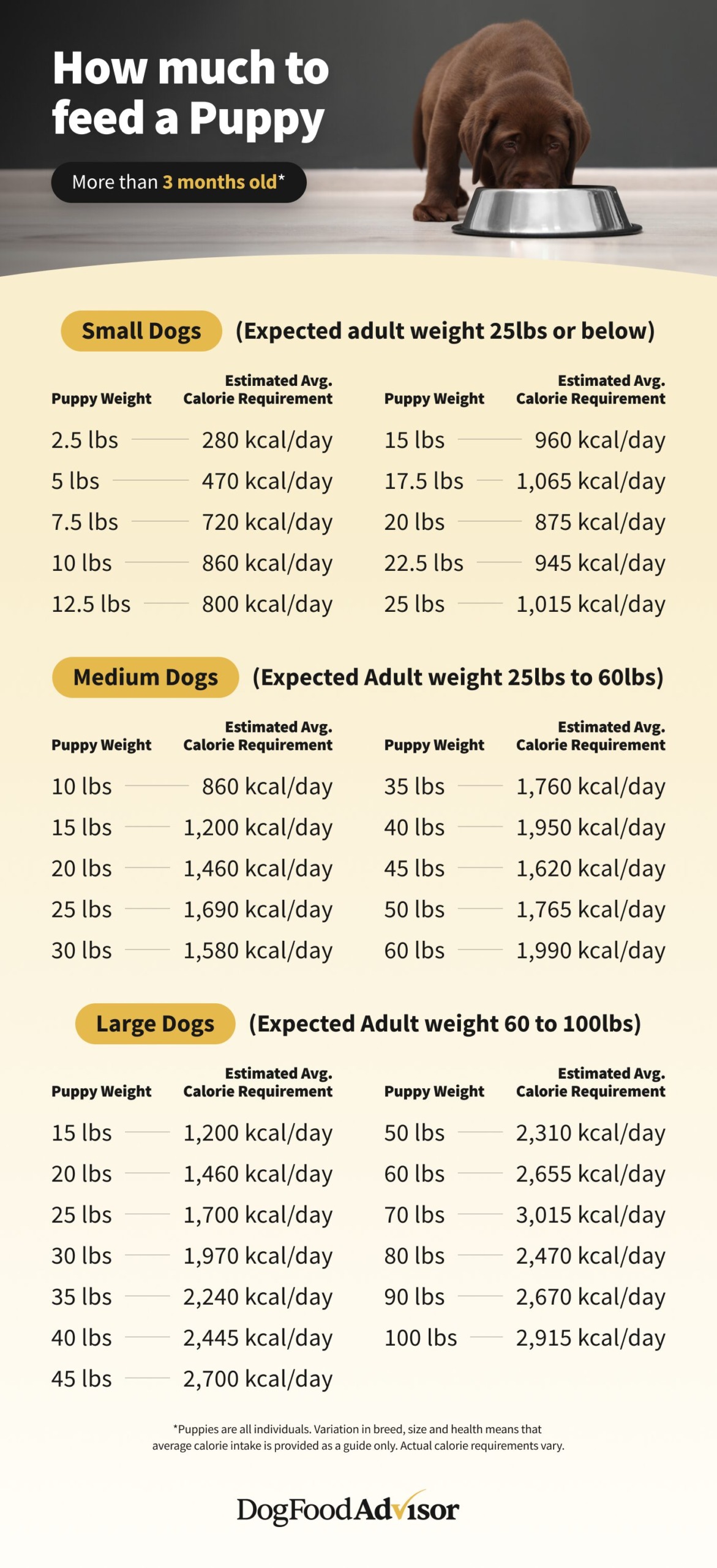
Credit: www.dogfoodadvisor.com
Nutritional Needs Of Large Breeds
Large breed dogs have special nutrition needs. Their bodies grow fast and can be heavy. Proper food helps their bones and muscles develop well. Feeding the right diet supports strong bones and healthy joints. It also helps avoid health problems later.
Choosing the right nutrients can keep your dog active and happy. Large breeds need balanced food with the right minerals and protein. This balance helps them grow safely into adults. Understanding these needs is key to good care.
Calcium And Phosphorus Balance
Calcium and phosphorus are minerals that build strong bones. Large breed puppies need the right amount of both. Too much calcium can cause bone problems. Too little can make bones weak and fragile.
The ideal ratio of calcium to phosphorus is about 1.2 to 1. This balance supports healthy bone growth. Large breed puppy food often controls these minerals carefully. It helps prevent issues like joint pain and deformities.
Protein Requirements
Protein helps build muscles and repair body tissues. Large breed dogs need enough protein for strong muscles. Puppy food should have protein from good sources like meat or fish.
Too much protein can stress growing bones and kidneys. Not enough protein slows growth and weakens muscles. A balanced amount helps the puppy grow strong and healthy. Adult food usually has less protein than puppy food. Switching at the right time ensures proper nutrition.
Signs Your Dog Is Ready For Adult Food
Knowing when your large breed dog is ready for adult food is important. Dogs grow at different rates. Watching for signs helps you make the right choice for their health. Some signs are easy to spot and show your dog is ready to switch from puppy to adult food.
These signs include changes in their body and behavior. Paying attention to these clues can help you feed your dog the right food at the right time.
Physical Growth Indicators
Large breed dogs grow quickly but slow down after a few months. When their bones and muscles look strong and firm, they may be ready. Their puppy coat often changes to a thicker adult coat. Check their size too. If they reach about 75% of their adult height, it is a good sign. Teeth also matter. When all adult teeth appear, your dog may be ready for adult food.
Behavioral Changes
Behavior can tell you a lot about your dog’s growth. Puppies are very playful and active. As they grow, they may calm down a bit. They might lose some puppy energy but stay curious. Your dog may also start eating larger meals at set times. Watching how they eat and act helps you know when to change their food. These changes show they need different nutrition for their age.

Credit: www.tractorsupply.com
Risks Of Early Transition
Changing a large breed dog to adult food too soon can cause serious problems. Puppies need special nutrients to grow strong bones and muscles. Adult food may not have enough of these nutrients. This can lead to health issues that last a lifetime.
Growth Plate Damage
Growth plates are soft areas at the ends of puppy bones. They help bones grow longer and stronger. Too little calcium or wrong nutrients can harm these plates. Damaged growth plates can cause crooked bones or joint problems. Large breed puppies need controlled calcium levels. Adult food often has different levels than puppy food.
Digestive Issues
Puppy stomachs are sensitive. They need food made for their delicate digestion. Adult food has more protein and fat, which can upset a puppy’s stomach. This may cause diarrhea or vomiting. Digestive problems slow down growth and make puppies feel sick. Keeping puppies on proper puppy food helps their stomachs adjust well.
How To Transition Safely
Switching a large breed dog to adult food needs care. Sudden changes can upset their stomach or cause refusal to eat. A smooth transition helps your dog accept the new food without stress. Watch for signs of discomfort or allergies during the change. This section shows how to move safely to adult dog food.
Gradual Food Mixing
Start by mixing a small amount of adult food with your puppy’s current food. Use about 25% adult food and 75% puppy food for the first few days. Increase the adult food slowly each day. By day seven to ten, the food should be 100% adult formula. This slow change helps your dog’s digestive system adjust.
Monitoring Health And Weight
Check your dog’s weight weekly during the switch. Healthy weight gain or maintenance shows the food suits them. Look for signs like vomiting, diarrhea, or loss of appetite. These may mean the food does not agree with your dog. Contact a vet if problems continue. Keeping your dog healthy and happy is the top goal.
Expert Recommendations
Expert advice helps pet owners decide the right time to switch large breed dogs to adult food. This guidance ensures dogs grow healthy and strong without nutritional gaps. Experts focus on growth stages and breed needs to make the transition smooth.
Veterinarian Guidelines
Veterinarians often recommend switching to adult food between 12 and 18 months. Large breed dogs grow slower than small breeds. Their bones and joints need special nutrients during growth. Adult food supports joint health and controls weight. Regular vet check-ups help track your dog’s growth and health. The vet may adjust feeding plans based on your dog’s development and activity level.
Breed-specific Advice
Different large breeds mature at different rates. Giant breeds like Great Danes may need adult food closer to 18 months. Medium-large breeds like Labradors may switch at 12 to 15 months. Breed-specific food formulas address unique needs. These foods help maintain muscle mass and prevent joint problems. Understanding your dog’s breed helps pick the right time to change food.
Common Mistakes To Avoid
Feeding a large breed dog adult food at the right time is important. Many pet owners make mistakes that affect their dog’s health. Knowing these common errors can help your dog grow strong and healthy. Avoiding these pitfalls ensures a smooth food transition.
Switching Too Soon
Changing to adult food too early can harm your dog. Large breeds need puppy food longer for proper growth. Puppy food has extra nutrients for bones and muscles. Switching too soon may cause joint problems later. Wait until your dog is about 12 to 18 months old. Check your vet’s advice for the best time to switch.
Ignoring Nutritional Labels
Not reading food labels can lead to poor choices. Large breed adult food has specific nutrients your dog needs. Look for food with balanced protein and fat levels. Calcium and phosphorus are important for strong bones. Avoid foods with too many fillers or artificial ingredients. Always check the label before buying to ensure quality nutrition.

Credit: shop.bullymax.com
Frequently Asked Questions
When Should Large Breed Dogs Switch To Adult Food?
Large breed dogs should switch to adult food between 12 to 18 months. This timing supports their slower growth and joint health. Consult your vet for personalized advice based on your dog’s breed and size.
Why Is Adult Food Important For Large Breed Dogs?
Adult food provides balanced nutrients that maintain healthy weight and joint function. It supports energy needs without promoting rapid growth. This prevents health problems common in large breeds, like hip dysplasia and obesity.
Can Feeding Adult Food Too Early Harm My Dog?
Feeding adult food too early may cause nutrient imbalances. Puppies need growth-specific nutrients for bone and muscle development. Switching too soon can stunt growth or weaken joints in large breed dogs.
How To Tell If My Dog Is Ready For Adult Food?
Look for slowed growth and mature weight, usually around 12-18 months. Your vet can assess physical development and recommend the right time to switch your large breed dog to adult food.
Conclusion
Large breed dogs need special care when changing food. Wait until your dog reaches about 12 to 18 months old. This helps their bones and joints grow strong. Watch your dog’s weight and energy closely. Choose adult food made for large breeds.
This supports their health and longevity. Always ask your vet if unsure. Feeding the right food at the right time keeps your dog happy and healthy. Small changes make a big difference in their life.


