

Are you wondering when it’s the right time to switch your puppy to adult dog food? Making this change at the right moment is crucial for your puppy’s health and growth.
If you switch too early or too late, it could affect their energy, digestion, and overall well-being. You’ll discover clear signs to look for, expert tips, and simple steps to make the transition smooth and safe. Keep reading to ensure your furry friend gets the best nutrition at every stage of life.
Credit: www.acanapetfoods.co.uk
Puppy Growth Stages
Puppy growth happens in clear stages. Each stage needs different care and food. Knowing these stages helps you feed your puppy right. This guide explains the main growth phases. It shows when to change food for healthy growth.
Neonatal To Weaning Phase
The first stage is from birth to about four weeks. Puppies rely on their mother’s milk. It gives all the nutrients they need. At this time, solid food is not needed. Puppies sleep and nurse most of the time. Their bodies and brains grow very fast.
Transition To Solid Food
At around three to four weeks, puppies start trying solid food. This phase lasts until about eight weeks. Start with soft, easy-to-digest puppy food. Mix it with water or puppy formula to make it smooth. This helps puppies learn to chew and swallow. Gradually, they eat more solid food and less milk.
Juvenile Development
This stage lasts from eight weeks to about six months. Puppies eat mainly solid puppy food now. Their bodies grow stronger and more active. Nutrients in puppy food support bones and muscles. Keep feeding puppy food until growth slows down. This stage is key for healthy adult development.
Differences Between Puppy And Adult Food
Puppy food and adult dog food are not the same. Each type supports different life stages. Understanding their differences helps you choose the right food at the right time.
Puppies grow fast and need more support for their developing bodies. Adult dogs need balanced nutrition to maintain health. These needs shape the food’s ingredients and energy levels.
Nutritional Needs
Puppies require extra protein for muscle and tissue growth. Their food also contains more calcium for strong bones. Adult dogs need less protein but more fiber for digestion. Their food focuses on maintaining weight and health.
Caloric Content
Puppy food has higher calories to fuel growth and play. Growing puppies burn more energy every day. Adult dog food has fewer calories to prevent weight gain. Adult dogs usually have slower metabolisms than puppies.
Ingredient Variations
Puppy food includes ingredients that support brain and eye development. It often has DHA, an important fatty acid. Adult food may have more antioxidants to support aging. The ingredient mix changes to meet each life stage’s needs.
Signs Your Puppy Is Ready
Knowing when your puppy is ready for adult dog food is important. Puppies grow fast. Their diet needs to change to match their growth. Watch for signs that show your puppy can switch to adult food. These signs help keep your puppy healthy and strong.
Physical Indicators
Your puppy’s size can show readiness for adult food. Most puppies start growing slower after six months. Their baby teeth begin to fall out. Adult teeth appear fully. Weight gain may slow down. Coat texture may become thicker and shinier. These changes mean your puppy is maturing.
Behavioral Changes
Puppies become less hyperactive as they grow. They may rest more and play less wildly. Appetite can change too. Your puppy might eat less often but more at once. This shows their digestive system is ready for adult food. New eating habits signal they can handle a new diet.
Veterinarian Recommendations
A vet can give the best advice on feeding. They check your puppy’s health and growth. Vets may suggest switching food based on breed and size. Regular check-ups help track development. Follow your vet’s guidance to ensure a smooth food change.
Credit: www.gallant.com
Ideal Age To Switch
Knowing the right time to switch your puppy to adult dog food is important. Feeding adult food too early or too late can affect their growth and health. The ideal age varies depending on several factors.
Breed Size Considerations
Small breed puppies grow faster than large breeds. Small breeds can switch to adult food around 9 to 12 months old. Large breeds need more time to grow. They usually switch between 12 and 24 months. This helps support their slow, steady growth.
Weight Milestones
Watch your puppy’s weight to decide the switch time. When your puppy reaches about 80% of their adult weight, it may be time. This shows they are nearing full growth. Adjusting food now helps maintain a healthy weight.
Health Factors
Health plays a key role in food changes. Some puppies may need special diets or slower transitions. Puppies with health issues should follow a vet’s advice. Always monitor your puppy’s energy and digestion during the switch.
How To Transition Smoothly
Changing your puppy’s food to adult dog food needs care. A smooth change helps avoid stomach problems. It also helps your puppy enjoy the new food. Follow these simple steps for a good start.
Gradual Mixing Technique
Start by mixing a small amount of adult food with puppy food. Use about 25% adult food and 75% puppy food. Do this for three days. Then, increase adult food to 50% and puppy food to 50% for the next three days. After that, mix 75% adult food with 25% puppy food. Finally, feed only adult food. This slow change helps your puppy’s stomach adjust.
Monitoring Digestive Response
Watch your puppy’s stool and energy levels daily. Normal stool means the food change is working. Loose stools or vomiting need attention. Stop increasing adult food if problems appear. Let your puppy’s digestion settle before trying again. Healthy digestion shows your puppy is ready for adult food.
Adjusting Feeding Schedule
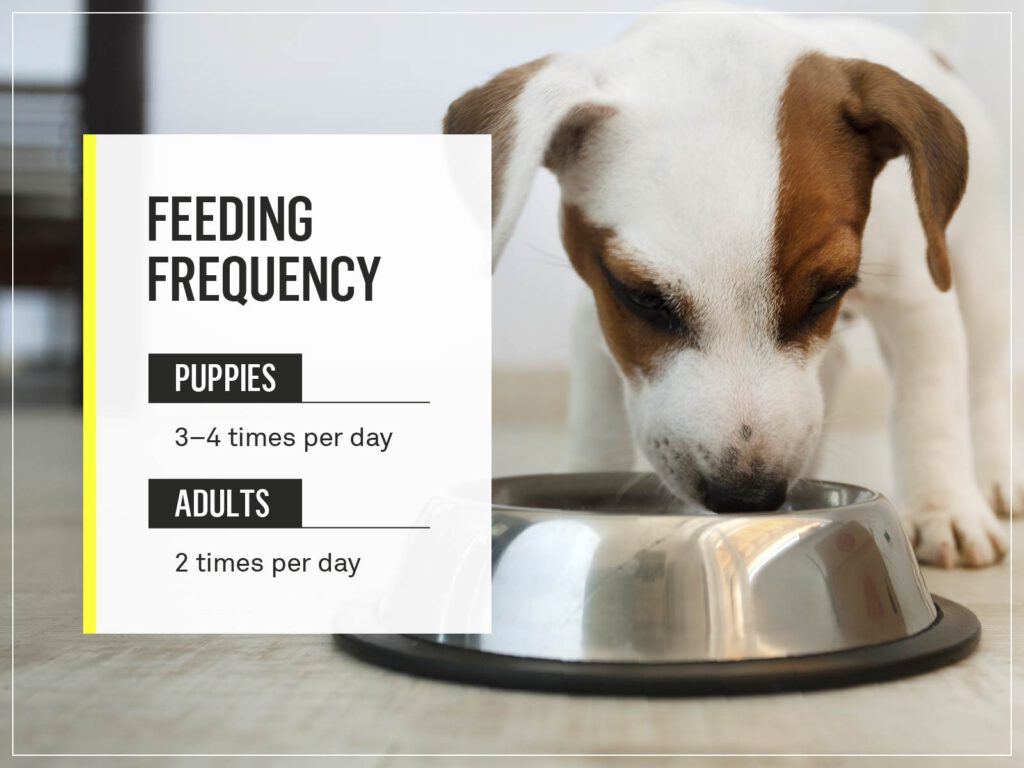
Puppies usually eat three to four times a day. Adult dogs eat two times a day. Slowly change your puppy’s feeding times to match adult dog needs. This helps your puppy get used to the new routine. Keep meals at the same times every day. Consistent feeding helps your puppy feel secure.
Common Mistakes To Avoid
Feeding your puppy adult dog food is an important step. Avoid common mistakes to keep your puppy healthy. These errors can cause stomach problems and poor nutrition.
Understanding what to avoid makes the transition smoother. Your puppy will adjust better and stay happy.
Switching Too Early
Many owners switch to adult food before the right time. Puppies need special nutrients to grow strong. Adult food lacks these nutrients. Switching too early can stunt growth and cause health issues. Wait until your puppy reaches the right age, usually around one year.
Abrupt Food Changes
Changing food suddenly can upset your puppy’s stomach. It may cause vomiting or diarrhea. Always introduce new food slowly. Mix a small amount of adult food with puppy food. Gradually increase the adult food over two weeks. This helps your puppy’s digestive system adjust.
Ignoring Puppy Preferences
Puppies can be picky eaters. Ignoring their food preferences causes them to eat less. Watch what your puppy likes and dislikes. Choose adult food that tastes good and suits their needs. Happy puppies eat well and grow strong.
Special Cases And Exceptions
Puppies grow at different rates, and some need special care. Not all puppies switch to adult food at the same time. Some cases require extra attention to make the change safe and healthy. Understanding these exceptions helps keep your puppy strong and happy.
Small Vs. Large Breeds
Small breed puppies grow faster than large breeds. They often switch to adult food earlier, around 9 to 12 months. Large breeds take longer to mature, sometimes up to 18 months. Feeding adult food too soon can harm large breeds. They need puppy food for longer to support bone growth.
Puppies With Health Issues
Some puppies face health problems that affect their diet. Puppies with allergies or digestive troubles need special food. Switching to adult food too early can worsen their condition. These puppies may need a vet’s diet plan. It helps keep their health stable during growth.
Consulting A Professional
Veterinarians know the best time to change your puppy’s food. They consider breed, weight, and health status. A vet’s advice helps avoid feeding mistakes. Regular check-ups ensure your puppy grows well on the right diet. Trust their guidance for a smooth food transition.
Credit: www.purina.com
Frequently Asked Questions
When Is The Right Age To Switch To Adult Dog Food?
Puppies can transition to adult dog food around 12 months old. Large breeds may need up to 18 months. This switch supports their changing nutritional needs for maintenance rather than growth.
How To Know If My Puppy Is Ready For Adult Food?
Look for signs like steady growth and reduced energy needs. Consult your vet to confirm your puppy’s readiness to switch diets safely.
Can Switching Too Early Harm My Puppy?
Yes, early switching can cause nutrient deficiencies and digestive issues. Puppies require higher calories and nutrients for growth, so delay the switch until appropriate age.
Should I Mix Puppy And Adult Food During Transition?
Yes, gradually mix adult food with puppy food over 7-10 days. This helps your puppy adjust and prevents stomach upset during the diet change.
Conclusion
Feeding your puppy adult dog food too soon can cause problems. Wait until your puppy reaches the right age and size. Usually, this happens around one year old but can vary. Check with your vet to be sure. Watch your puppy’s growth and energy levels closely.
Good nutrition helps your dog stay healthy and happy. Changing food at the right time supports strong bones and teeth. Keep your puppy’s diet balanced for the best start in life. Careful timing makes the transition smooth and easy for your dog.


