

Have you ever wondered how long it takes to train a service dog? If you rely on or are considering a service dog, knowing the time and effort behind their training is important.
These dogs don’t just learn a few tricks—they undergo careful, specialized training that prepares them to support your daily needs. Understanding the length and process of their training can help you appreciate their skills and the bond you’ll share. Keep reading to discover exactly how long service dogs are trained and what goes into making them reliable partners for life.
Training Duration For Service Dogs
Training a service dog takes time and patience. These dogs learn many skills to help their handlers in daily life. The training process is detailed and requires consistency. Understanding how long this training lasts helps set realistic expectations.
Typical Training Timeline
Service dog training usually lasts between 6 months and 2 years. The process begins with basic obedience lessons. Dogs learn to follow commands like sit, stay, and come. After basics, dogs move to specialized training. This phase teaches tasks specific to the handler’s needs. For example, guiding a person who is blind or alerting to medical conditions. Training also includes socialization with people and other animals. Trainers work on public access skills so dogs behave well in all places. Each dog’s timeline varies but most complete training within two years.
Factors Affecting Training Length
Several factors change how long training takes. The dog’s age and breed play a big role. Young dogs may learn faster but need more time to mature. Some breeds have traits that suit service work better. The type of service needed also matters. Tasks for mobility assistance differ from those for medical alerts. The dog’s temperament affects learning speed too. Trainers may adjust pace based on the dog’s progress. Handler involvement and training consistency influence success. More practice at home helps skills stick. Overall, training length depends on many things working together.

Credit: freedomservicedogs.org
Phases Of Service Dog Training
Training a service dog takes time and careful steps. The process includes different phases. Each phase builds skills needed for the dog to help its owner well. Understanding these phases shows why training can take many months. The dog learns new things bit by bit, gaining confidence and focus.
Basic Obedience Skills
The first phase teaches basic obedience. Dogs learn to sit, stay, and come when called. They also practice walking calmly on a leash. These skills make the dog listen and follow commands. Good behavior is important for service dogs. It keeps them safe and ready for the next steps.
Specialized Task Training
Next, the dog learns tasks that fit the owner’s needs. Some dogs help with mobility by picking up dropped items. Others alert to sounds or medical changes. Training focuses on these special skills. The dog repeats tasks until they do them well every time. This phase makes the dog truly helpful.
Public Access Preparation
Finally, dogs get ready for public places. They practice staying calm around crowds and noises. The dog learns to ignore distractions like other animals or food on the ground. This training helps the dog behave in stores, parks, and public transport. It makes sure the dog works well in real life.
Types Of Service Dogs And Training Time
Service dogs come in different types, each trained for specific tasks. Training time varies based on the dog’s role. Some dogs learn simple commands quickly, while others need months or years of practice. Understanding the types of service dogs helps explain their training lengths.
Each type has unique skills. Training focuses on these skills to help people live independently and safely. The time spent training also depends on the dog’s age, breed, and the tasks they must perform.
Guide Dogs For The Visually Impaired
Guide dogs help people who cannot see well or are blind. They learn to navigate streets, avoid obstacles, and stop at curbs. Training usually takes about 18 to 24 months. This time allows dogs to master safety and guidance skills.
Hearing Dogs
Hearing dogs alert people who are deaf or hard of hearing. They listen for sounds like doorbells, alarms, or phones. These dogs go through 6 to 12 months of training. They learn to recognize sounds and get their owner’s attention.
Medical Alert Dogs
Medical alert dogs warn about health issues such as seizures or low blood sugar. Training can take 1 to 2 years. These dogs must identify specific signs and act quickly to help their owners.
Psychiatric Service Dogs
Psychiatric service dogs assist people with mental health conditions. They help reduce anxiety, remind owners to take medication, and provide comfort. Training often lasts 1 to 2 years. It focuses on emotional support and safety tasks.
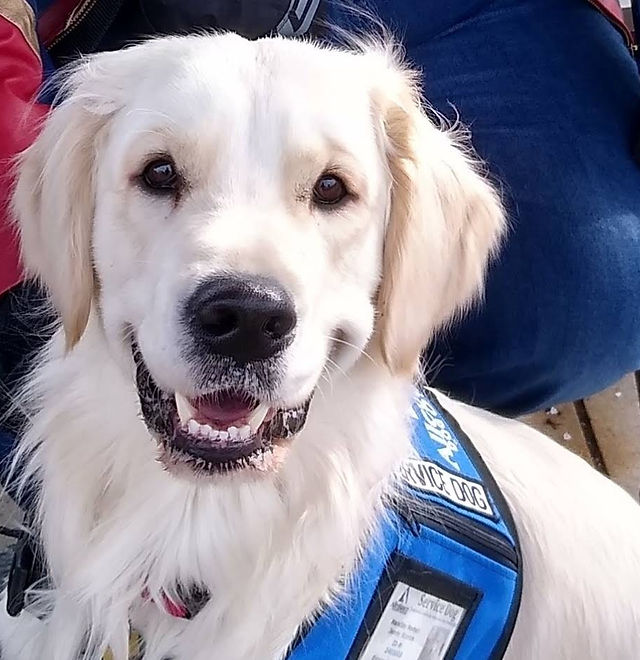
Credit: www.doggystars.org
Who Trains Service Dogs
Service dogs need special training to assist their owners well. This training shapes their skills and behavior. Understanding who trains these dogs helps us appreciate their hard work and dedication. Different people and groups take on this important role.
Professional Training Organizations
Many service dogs learn from expert groups. These organizations have trainers who know about dog behavior and disabilities. They use proven methods to teach dogs tasks like guiding or alerting. Training can last several months to over a year. Trainers also check if dogs are ready to work with people.
Owner-training Approach
Some owners choose to train their service dogs themselves. They learn techniques from trainers or online guides. This option needs patience and strong commitment. Owners train dogs to meet their specific needs. It builds a deep bond between dog and owner. Owner-trained dogs may take longer to learn tasks but often gain trust quickly.
Costs Linked To Training Duration
Training a service dog takes time, and this affects the cost. The longer the training, the higher the expenses. Many factors influence how much it costs, such as the dog’s breed, the skills taught, and the trainer’s expertise. Understanding these costs helps prepare for the financial commitment involved.
Financial Investment In Training
Training a service dog can cost between $15,000 and $50,000. This price covers food, vet care, equipment, and professional training sessions. Some dogs need extra time and care, which raises costs. Trainers spend hundreds of hours teaching tasks and social skills. This effort ensures the dog works safely and effectively with its owner.
Funding And Assistance Options
Many organizations offer help to cover training costs. Grants, donations, and sponsorships reduce the financial burden. Some nonprofits provide fully trained dogs at low or no cost. Crowdfunding platforms also support individuals who need service dogs. Exploring these options can make training more affordable for many families.

Credit: atlasdog.org
Maintaining Skills After Training
Training a service dog does not end after the initial period. Maintaining the dog’s skills is very important. Regular practice helps keep the dog sharp and responsive. It also strengthens the bond between the dog and its handler. Without ongoing care, the dog’s abilities might fade over time.
Ongoing Practice
Daily practice sessions help the dog remember its tasks. Short and simple exercises work best. This keeps training fun and stress-free. Practice helps the dog stay confident in different situations. It also improves focus and obedience. Consistency is key to successful skill maintenance.
Refresher Training
Refresher training boosts the dog’s skills when they weaken. Trainers or handlers should schedule regular check-ins. These sessions can correct mistakes or reinforce good habits. Refresher training also introduces new challenges. This keeps the dog alert and adaptable. It ensures the dog remains reliable for its handler.
Frequently Asked Questions
How Long Does It Take To Train A Service Dog?
Training a service dog typically takes 1 to 2 years. This time ensures they learn essential skills and proper behavior for assisting their handler.
What Factors Affect Service Dog Training Duration?
Training length depends on the dog’s breed, age, and task complexity. Individual learning pace and trainer experience also impact training time.
Are Service Dogs Trained Continuously After Initial Training?
Yes, service dogs undergo ongoing training to maintain skills. Regular practice ensures they remain reliable and responsive to their handler’s needs.
Can Training Time Vary By Service Dog Type?
Yes, different service dog roles require varied training lengths. For example, guide dogs for the visually impaired may take longer than psychiatric service dogs.
Conclusion
Training a service dog takes many months of hard work. Dogs learn skills to help people every day. This training helps them stay calm and focused. Each dog’s training time can be different. Patience and practice are very important. Well-trained service dogs make life easier for their owners.
They provide support, safety, and comfort. Understanding the training process shows how special these dogs are. Their dedication makes a big difference in many lives. Service dogs truly earn their important roles.


