

Are you wondering when it’s the right time to switch your furry friend to adult dog food? Making this change at the perfect moment is important for your dog’s health and happiness.
Feed them too early, and they might miss out on key nutrients; wait too long, and you could be holding back their growth. You’ll discover clear signs and expert tips to help you know exactly when to make the switch.
Keep reading to ensure your dog gets the best nutrition every step of the way.
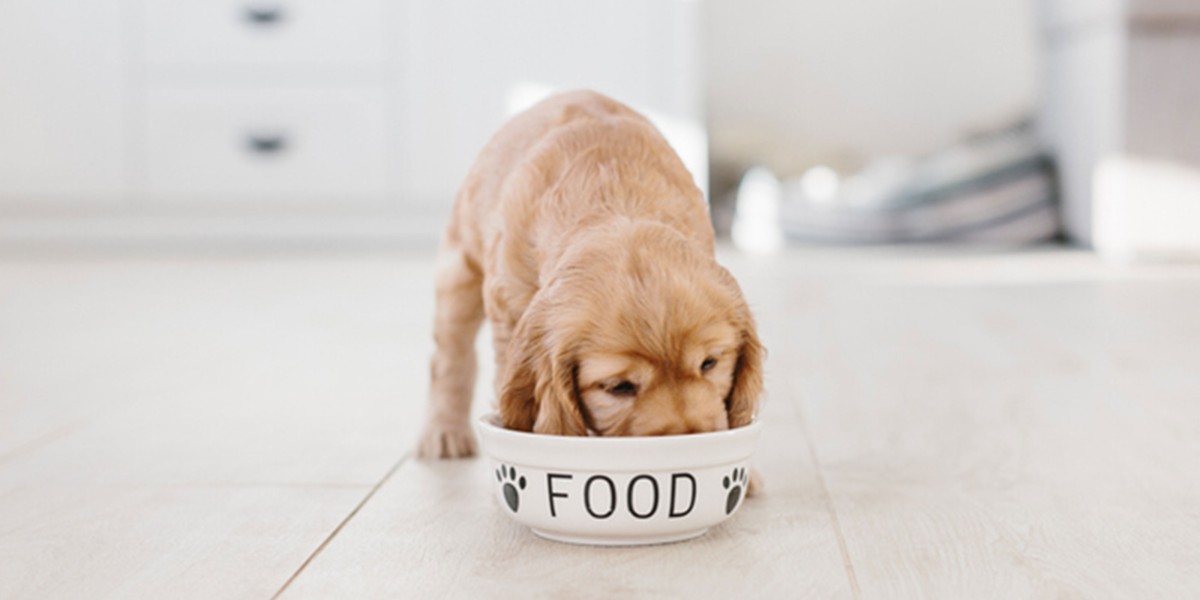
Credit: www.purina.com
Signs Your Puppy Is Ready
Knowing when to switch your puppy to adult dog food matters for their health. Puppies need special nutrition for growth. Adult food suits dogs that are fully grown. Watch your puppy closely. Look for clear signs that show readiness for adult food.
Weight Milestones
Puppies reach certain weight points before switching foods. Small breeds may be ready at 9 to 12 months. Larger breeds often take 12 to 18 months. Check your puppy’s breed size and weight charts. Meeting weight milestones suggests their body can handle adult food.
Teething Stage
Puppies lose baby teeth and grow adult teeth. This usually happens between 3 and 6 months. After teething ends, their mouths feel stronger. Eating adult food becomes easier. Watch for fewer chewing problems or mouth pain. This stage often signals a good time to change food.
Behavioral Changes
Your puppy’s behavior can show readiness for adult food. They may eat less often but finish meals quicker. Energy levels may become steadier throughout the day. Puppies start acting more calm and mature. These changes mean their growth slows down. Adult food fits this new phase better.
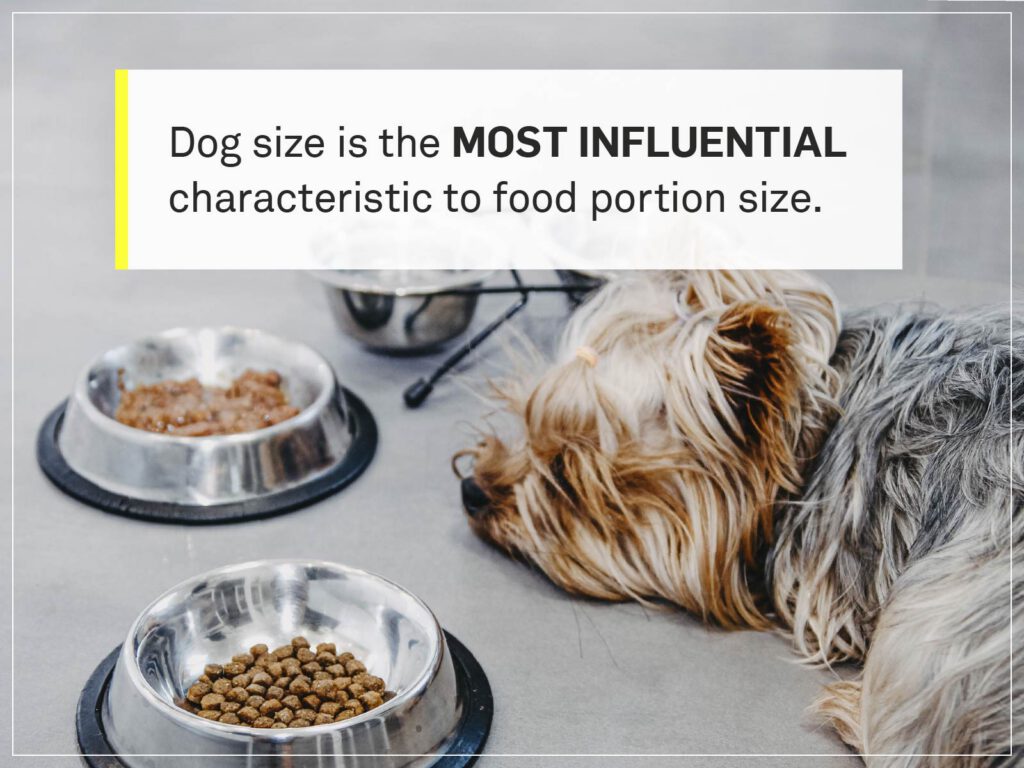
Credit: www.gallant.com
Age Guidelines For Switching
Knowing the right age to switch your dog to adult food is important for their health. Dogs need different nutrients as they grow. Feeding adult food too early or too late can cause problems. The best time to switch depends on your dog’s breed size. Each size group grows at a different speed.
Small Breeds
Small breed dogs grow faster than larger breeds. Most small dogs reach adulthood around 9 to 12 months old. At this age, you can start giving them adult dog food. Their bodies need fewer calories than puppies but still require good nutrition. Switching at the right time helps keep them healthy and active.
Medium Breeds
Medium breeds grow a bit slower than small breeds. They usually mature between 12 and 14 months. This is the best time to change their food to an adult formula. Adult food supports their energy levels and maintains a healthy weight. Proper nutrition helps prevent joint and bone problems.
Large Breeds
Large breed dogs take the longest to grow. They may not reach full adult size until 18 to 24 months. Changing their food too early can cause growth issues. Use adult dog food only after they stop growing quickly. Large breed formulas help protect their bones and joints during growth.
Nutritional Differences
Understanding the nutritional differences between puppy and adult dog food helps you decide the right time to switch. Dogs need different nutrients at various life stages. Feeding the right food supports their health and growth.
Puppy Vs Adult Nutrients
Puppy food contains more protein and fat than adult food. These nutrients help build strong muscles and support brain development. Adult food has fewer calories and less fat to prevent weight gain. Nutrient amounts change as your dog grows.
Energy Needs
Puppies need more energy for active play and fast growth. Their food is rich in calories to meet these needs. Adult dogs require fewer calories because they move less and grow slower. Feeding too much can cause obesity in adults.
Growth Support
Puppy food includes extra vitamins and minerals like calcium and phosphorus. These elements help bones and teeth grow strong. Adult food focuses on maintaining health, not growth. Switching too early may cause nutrient shortages for puppies.
Transitioning Tips
Changing your dog’s food from puppy to adult diet needs care. Sudden switches can upset their stomach. Follow simple steps to help your dog adjust smoothly. These tips protect your dog’s health and keep them happy.
Gradual Food Mixing
Start by mixing a small amount of adult food with puppy food. Slowly increase the adult food over 7 to 10 days. This helps your dog get used to new flavors and nutrients. It also reduces the risk of digestive issues.
Monitoring Digestive Health
Watch your dog’s stool and energy levels closely during the change. Loose stools or vomiting may mean the transition is too fast. If problems occur, slow down the mixing process. Keep your vet informed if issues persist.
Adjusting Portion Sizes
Adult dogs need different amounts of food than puppies. Follow feeding guidelines on the food package. Adjust portions based on your dog’s size, activity, and weight. Overfeeding can cause weight gain, while underfeeding affects health.
Risks Of Early Switching
Switching your dog to adult food too early can cause problems. Puppies have special needs. Their food supports growth and development. Adult food lacks some key nutrients puppies need. Early switching can lead to health risks. Understanding these risks helps you keep your dog healthy.
Nutrient Deficiencies
Puppies need more protein, fat, and vitamins than adults. Adult food has less of these nutrients. Feeding adult food too soon can cause shortages. Missing nutrients may slow growth and weaken immunity. Deficiencies can affect your puppy’s bones and muscles. Proper nutrition is crucial during this stage.
Growth Problems
Growth happens fast in puppies. Their bones and organs develop quickly. Adult food does not support this rapid growth. Early switching can cause stunted growth or weak bones. It might also lead to joint problems later. Feeding the right food helps build strong bodies.
Behavioral Issues
Puppies need energy for play and learning. Adult food may not provide enough calories. Low energy can make puppies tired and less active. This affects training and social skills. Hunger from poor food choices can cause fussiness. Balanced food helps puppies stay happy and focused.

Credit: www.reddit.com
Veterinarian Advice
Veterinarians play a key role in deciding when to switch your dog to adult food. They base their advice on your dog’s breed, size, and health. This advice helps keep your dog healthy and strong during growth.
Regular Checkups
Regular vet visits ensure your dog grows well. The vet checks weight, teeth, and overall health. These visits help spot any issues early. The vet can suggest the best time to change food.
Personalized Feeding Plans
Every dog is different. Vets create feeding plans based on your dog’s needs. These plans include the right type of food and portion sizes. Personalized plans help your dog get the right nutrients.
Health Monitoring
Vets track your dog’s health during the food transition. They watch for allergies, digestion problems, or weight changes. This monitoring ensures the switch to adult food suits your dog well.
Frequently Asked Questions
When Should I Switch My Dog To Adult Food?
Switch your dog to adult food around 12 months old. Large breeds may need to wait 18-24 months. Consult your vet for personalized advice based on breed and health.
How Do I Know If My Dog Is Ready For Adult Food?
Signs include stable weight, slowed growth, and consistent energy levels. Puppies losing baby teeth and eating less frequently may be ready. Always check with your vet before transitioning.
What Are The Risks Of Switching Too Early?
Switching too early can cause nutritional imbalances and digestive issues. Puppies need specific nutrients for growth. Early adult food can lead to deficiencies and health problems.
Can I Mix Puppy And Adult Food During Transition?
Yes, gradually mix adult food with puppy food over 7-10 days. This helps your dog’s digestive system adjust smoothly without upset stomach or refusal to eat.
Conclusion
Choosing the right time to switch your dog to adult food matters. Most dogs move to adult food around one year old. Watch your dog’s size and energy for clues. Talk to your vet to be sure. Feeding adult food too early can cause problems.
Waiting too long might miss important nutrients. Keep your dog’s health and growth in mind always. Healthy food helps your dog stay strong and happy. Simple care makes a big difference in your dog’s life.


