

Are you wondering if it’s okay to give your adult dog puppy food? You might think it’s a simple swap, but the answer isn’t that straightforward.
What you feed your dog affects their health, energy, and happiness every day. Choosing the right food can feel confusing, especially with so many options out there. Keep reading to discover why feeding puppy food to an adult dog might surprise you—and what you should really be doing to keep your furry friend healthy and strong.
Credit: www.purina.com
Puppy Food Basics
Puppy food is made to help young dogs grow strong and healthy. It has special nutrients that support bones, muscles, and brain development. Adult dogs have different needs because they are fully grown. Understanding what makes puppy food unique helps decide if it suits an adult dog.
Nutritional Content
Puppy food contains higher protein levels than adult food. Protein builds and repairs tissues. Puppies need more protein to grow their muscles. It also has more vitamins and minerals to support fast growth. Adult dogs do not need as many nutrients as puppies.
Calorie Density
Puppy food has more calories per serving. Growing puppies need extra energy to stay active and develop. Too many calories can cause weight gain in adult dogs. Feeding puppy food to adults may lead to obesity if not controlled.
Key Ingredients
Puppy food uses ingredients that promote healthy growth. It often includes DHA, an important fatty acid for brain health. It also has balanced calcium and phosphorus for strong bones. Adult dog food focuses on maintaining health, not growth.
Credit: www.gallant.com
Differences In Adult Dog Needs
Adult dogs have different needs than puppies. Their bodies use food in unique ways. Understanding these differences helps keep adult dogs healthy and happy. Feeding the right diet supports energy, growth, and overall well-being.
Caloric Requirements
Adult dogs need fewer calories than puppies. Puppies burn more energy growing fast. Adult dogs require calories to maintain their weight. Too many calories cause extra weight gain. Balanced calories keep dogs active and fit.
Protein And Fat Levels
Puppy food has higher protein and fat. These nutrients support rapid growth and brain development. Adult dogs need moderate protein and fat. Excess protein and fat can stress their organs. Proper amounts help maintain muscle and energy.
Digestive Differences
Adult dogs digest food differently than puppies. Their stomachs and intestines work at a steady pace. Puppy food may be harder for adults to digest. Adult dog food matches their digestive ability. This reduces stomach upset and improves nutrient absorption.
Potential Benefits Of Puppy Food For Adults
Puppy food often contains more nutrients than adult dog food. This higher nutrition can offer some benefits for adult dogs. Some adult dogs may find puppy food helpful in certain situations. These benefits include more energy, better support for active dogs, and help with growth and recovery. Understanding these benefits can help decide if puppy food suits an adult dog’s needs.
Enhanced Energy
Puppy food has extra calories and protein. This provides more energy for dogs that need it. Active adult dogs or those with fast metabolisms may feel stronger. The extra nutrients can keep them lively throughout the day. More energy means better playtime and exercise performance.
Support For Active Dogs
Active dogs burn more calories and need more nutrients. Puppy food often contains vitamins and minerals to support muscles and joints. This food can help maintain strong bones and healthy muscles. It supports dogs that run, jump, or work hard. Feeding puppy food may help active dogs stay fit and healthy.
Growth And Recovery Support
Puppy food is rich in nutrients that aid growth and healing. Adult dogs recovering from illness or surgery might benefit. The extra protein and fat support tissue repair and strength. Puppies need these nutrients to grow, and adults can use them to heal. Puppy food can help dogs regain health faster.
Credit: www.acanapetfoods.co.uk
Risks Of Feeding Puppy Food To Adults
Feeding puppy food to adult dogs might seem harmless. Puppy food contains extra nutrients to support growth. Adults do not need this extra nutrition. Giving puppy food to adult dogs often causes health problems.
Weight Gain And Obesity
Puppy food has more calories than adult dog food. Adult dogs eating it may gain weight quickly. Extra calories turn into fat. This can lead to obesity. Obesity increases risks of heart disease and joint problems. Controlling weight is crucial for adult dogs’ health.
Nutrient Imbalance
Puppy food has different nutrient levels than adult food. High protein and fat support puppy growth. Adults need balanced nutrients for maintenance, not growth. Too much protein or fat can stress the liver and kidneys. Nutrient imbalance can cause long-term health issues in adults.
Possible Digestive Issues
Adult dogs may have trouble digesting puppy food. Richer ingredients can upset their stomachs. This might cause diarrhea or vomiting. Changing diets suddenly also stresses the digestive system. Feeding the right food helps keep digestion smooth and comfortable.
When Puppy Food Might Be Appropriate
Puppy food is rich in nutrients that support growth and energy. Adult dogs usually need fewer calories and less fat. Still, some adult dogs may benefit from puppy food under certain conditions. This section explores when puppy food might be appropriate for adult dogs.
Senior Dogs With Special Needs
Older dogs sometimes lose weight and muscle. Puppy food can help add calories and protein. This helps maintain their strength and health. Always check with a vet before changing diets.
Pregnant Or Nursing Dogs
Pregnant or nursing dogs need extra nutrition. Puppy food provides more energy, vitamins, and minerals. This supports the mother and her puppies’ growth. Feeding puppy food helps meet these higher needs safely.
Recovering From Illness
Sick dogs need extra nutrients to heal faster. Puppy food offers more calories and protein for recovery. It can help rebuild strength and support the immune system. Consult a vet to decide the best diet during recovery.
Switching Diets Safely
Switching an adult dog from puppy food to adult dog food requires care. Sudden changes can upset their stomach and cause discomfort. A safe transition helps your dog adjust smoothly and stay healthy. Follow some simple steps to make the change easy and stress-free.
Gradual Transition
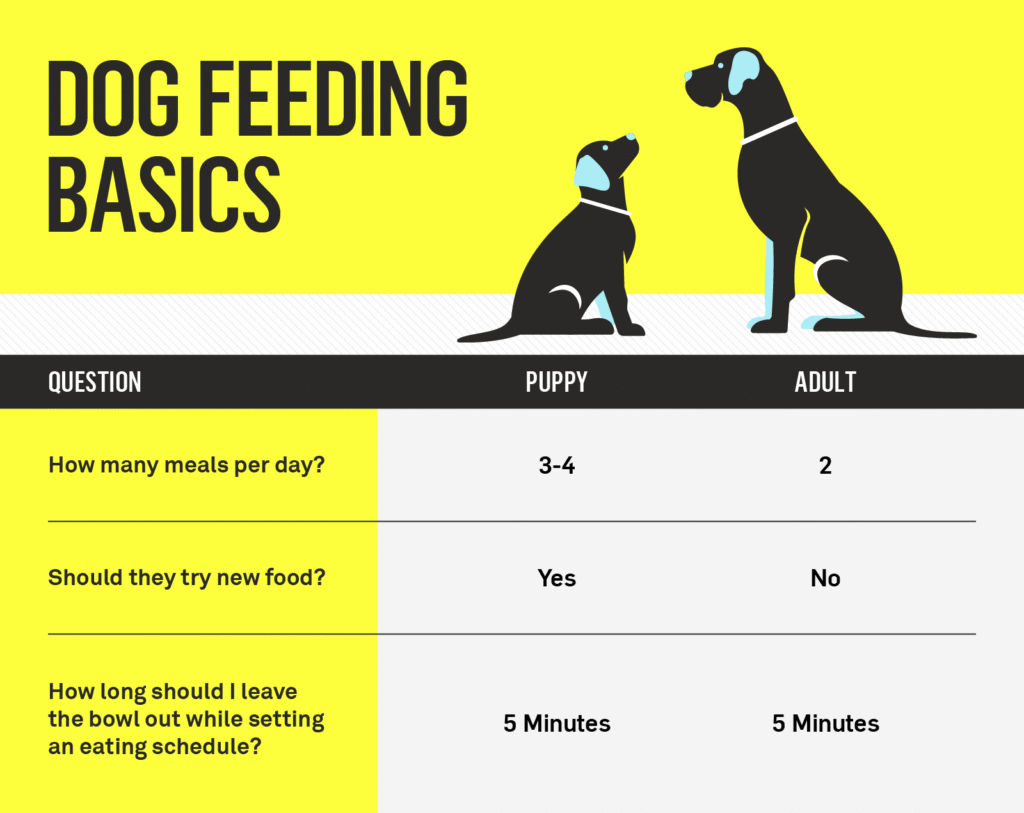
Start by mixing a small amount of adult food with puppy food. Increase the adult food portion over 7 to 10 days. This slow change helps your dog’s digestive system adapt. Avoid switching all at once to prevent stomach upset.
Monitoring Health
Watch for changes in your dog’s energy and stool. Diarrhea, vomiting, or loss of appetite can signal problems. Note any changes in behavior or coat condition. Early detection helps you fix diet issues quickly.
Consulting A Veterinarian
Talk to your vet before changing your dog’s diet. They can recommend the best food based on age and health. Your vet also guides you on the right transition plan. Professional advice ensures your dog stays strong and well-nourished.
Alternatives To Puppy Food For Adults
Choosing the right food for an adult dog is important for their health. Puppy food has extra nutrients for growth. Adult dogs need balanced meals to maintain energy and weight. Many alternatives to puppy food fit adult dogs well. These options meet their nutritional needs without extra calories.
Exploring different foods helps find the best choice for your dog. Here are some alternatives to puppy food for adult dogs.
Adult Dog Food Options
Adult dog food is made to support maintenance, not growth. It has fewer calories and balanced protein levels. Dry kibble, canned food, and semi-moist options are common. Choose a food labeled for adult dogs. This ensures proper nutrition for their stage of life.
Specialty Diets
Some adult dogs need special diets for health issues. Grain-free, low-fat, or hypoallergenic foods help sensitive dogs. Senior dogs may need food with joint support ingredients. These diets target specific health needs. Consult a vet to pick the right specialty food.
Homemade Meals
Homemade meals offer control over ingredients. They can be fresh and free from fillers. Cook lean meats, vegetables, and grains in proper amounts. Avoid harmful foods like onions and chocolate. Consult a vet or pet nutritionist to balance homemade meals safely.
Frequently Asked Questions
Can Adult Dogs Eat Puppy Food Safely?
Adult dogs can eat puppy food occasionally, but it’s not ideal. Puppy food has higher calories and nutrients meant for growth. Feeding adult dogs puppy food long-term may cause weight gain and nutritional imbalances. It’s best to choose food formulated for their life stage.
What Happens If Adult Dogs Eat Puppy Food?
If adult dogs eat puppy food regularly, they may gain excess weight. The rich nutrients can stress their kidneys and digestive system. Occasional consumption usually causes no harm, but long-term feeding can lead to health issues like obesity and nutrient imbalance.
Is Puppy Food Better Than Adult Dog Food?
Puppy food is designed for growth, with higher protein and fat. Adult dog food meets maintenance needs with balanced nutrients for mature dogs. Puppy food is not better for adults; it can cause excess calorie intake and health problems when fed long-term.
How To Transition From Puppy To Adult Dog Food?
Transition gradually over 7-10 days. Mix increasing amounts of adult food with decreasing puppy food. Monitor your dog’s digestion and appetite during this time. A slow switch helps prevent stomach upset and allows your dog to adapt to new nutrient levels.
Conclusion
Adult dogs need food made just for them. Puppy food has more fat and calories than adults need. Feeding puppy food to adults can cause weight gain or stomach problems. It is best to choose adult dog food for a balanced diet.
Watch your dog’s health and energy levels closely. Talk to your vet if you want to change your dog’s food. Good nutrition helps your dog live a happy, healthy life. Keep their meals right for their age and needs. Simple choices make a big difference.


