

You want the best for your dog, and that starts with their nutrition. But keeping track of what your dog eats can feel overwhelming.
Are they getting the right vitamins? How much food is just right? You’re not alone in wondering these things. The good news is, with a few simple steps, you can easily monitor your dog’s diet and make sure they stay healthy and happy.
Keep reading to discover practical tips that will help you take control of your dog’s nutrition without stress.
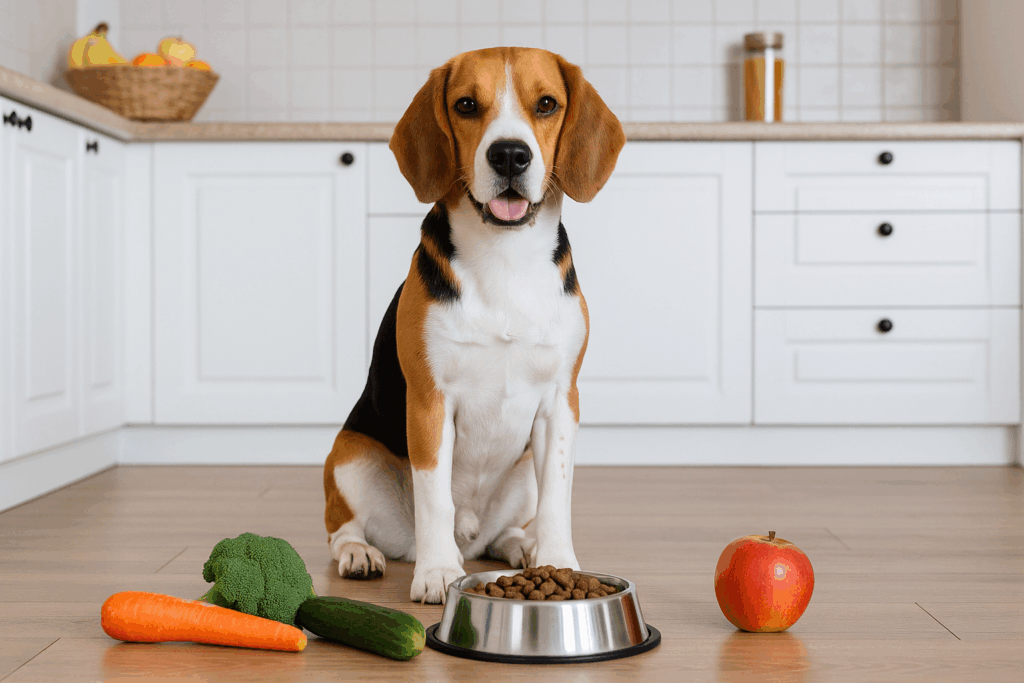
Credit: qualifiedpetservices.com
Assessing Your Dog’s Nutritional Needs
Assessing your dog’s nutritional needs is the first step in keeping them healthy. Dogs require different nutrients at different stages of life. Their diet must match their size, breed, and activity level. Understanding these needs helps you choose the right food and portion sizes.
Nutrition affects energy, coat health, and overall wellness. A balanced diet supports their immune system and helps prevent diseases. Careful assessment ensures your dog gets what they need daily.
Factors Influencing Diet
Several factors shape your dog’s diet. Activity level plays a big role. Active dogs burn more calories and need more nutrients. Less active dogs need fewer calories to avoid weight gain. Environment matters too; dogs in cold places may need extra energy. Gender can affect metabolism and nutrient needs. Always watch how your dog responds to their food.
Age And Breed Considerations
Age changes dietary needs. Puppies need more protein and fat for growth. Adult dogs need balanced meals to maintain weight. Senior dogs often need fewer calories but more fiber. Breed size also matters. Small breeds have faster metabolisms and need nutrient-dense food. Large breeds require controlled calories to avoid joint issues. Tailoring diet by age and breed keeps dogs healthy longer.
Health Conditions Impacting Nutrition
Health problems can change your dog’s nutrition needs. Dogs with allergies may need special diets to avoid triggers. Kidney or liver disease often requires low protein or fat. Weight issues require calorie control and portion changes. Always consult a vet for diet plans if health issues arise. Proper nutrition supports recovery and improves quality of life.

Credit: newagepet.com
Choosing The Right Dog Food
Choosing the right dog food is key to keeping your dog healthy. Dogs need balanced nutrition to stay active and happy. The right food supports their growth, energy, and immune system. Understanding different food types and ingredients helps you make better choices.
Types Of Dog Food
Dry kibble is popular and easy to store. It helps keep teeth clean. Wet food has more moisture and taste. It suits picky eaters or dogs that need extra water. Raw diets include uncooked meat and bones. They mimic a dog’s natural diet but need careful handling. Each type has pros and cons. Choose one that fits your dog’s needs and lifestyle.
Reading Ingredient Labels
Start with the first three ingredients. These make up most of the food. Look for named meats like chicken or beef. Avoid foods with vague terms like “meat by-product.” Check for fillers such as corn or wheat, which add little nutrition. Healthy fats and grains are good. Avoid artificial colors and preservatives. Reading labels helps you pick quality food for your dog.
Benefits Of Homemade Meals
Homemade meals let you control every ingredient. You can use fresh meat, vegetables, and grains. This option suits dogs with allergies or sensitivities. Cooking food kills harmful bacteria and makes nutrients easier to digest. Homemade meals can be tasty and varied. Consult a vet to ensure balanced nutrition. Proper planning keeps your dog safe and healthy.
Tracking Daily Food Intake
Tracking your dog’s daily food intake is key to keeping them healthy. It helps you know exactly how much and what your dog eats every day. This way, you can avoid overfeeding or missing important nutrients. Careful tracking supports your dog’s energy and weight goals.
Start by measuring the food carefully and noting every meal. Watching your dog’s eating habits helps spot changes early. Consistency in feeding times and portions makes tracking easier. Here are some simple methods to track daily food intake effectively.
Portion Control Tips
Use a standard measuring cup for every meal. Weigh dry food with a kitchen scale for accuracy. Follow your vet’s advice on portion size based on your dog’s weight and activity. Avoid free-feeding; set clear meal times instead. Watch your dog’s body condition and adjust portions if needed.
Using Food Journals
Keep a notebook or digital document to write down food details. Record the type, amount, and time of each meal. Note any treats or snacks given during the day. Track your dog’s reactions to new foods or changes. Review the journal weekly to spot trends or problems.
Apps For Monitoring Nutrition
Several apps help you track your dog’s diet easily. Enter meals and portion sizes to log daily intake. Some apps calculate calories and nutrient balance automatically. Set reminders for feeding times and vet check-ups. These tools help keep your dog’s nutrition on target.

Credit: www.gallant.com
Monitoring Your Dog’s Health
Monitoring your dog’s health is key to keeping them happy and active. Nutrition plays a big part in their overall well-being. Watching their health closely helps catch problems early. This way, you can make changes to their diet to keep them strong and healthy.
Recognizing Signs Of Nutritional Deficiency
Dogs cannot tell us when they feel unwell. Watch for changes in their coat, skin, or energy levels. Dull fur, dry skin, or constant itching might mean poor nutrition. Low energy or weight loss also signals a problem. Early signs are easy to miss but important to spot.
Regular Vet Checkups
Visit the vet regularly to check your dog’s health. Vets can spot issues that you might miss. Blood tests help find nutritional gaps. The vet can suggest the right food and supplements. Regular checkups keep your dog’s health on track.
Adjusting Diet Based On Health Feedback
Use what you learn from signs and vet visits to adjust food. Add or remove certain ingredients as needed. Balance proteins, fats, and vitamins for your dog’s age and activity. Small changes can make a big difference in health. Always watch how your dog reacts to new diets.
Incorporating Supplements Safely
Adding supplements to your dog’s diet can support their health in many ways. It helps fill gaps in nutrition and supports specific needs. Using supplements safely ensures your dog gets benefits without risks.
Choose supplements carefully. Know why you add them and how they work. Monitor your dog’s response to avoid problems. Safe use means better health and fewer side effects.
Common Supplements For Dogs
Fish oil provides omega-3 fatty acids for skin and coat health. Glucosamine supports joint health and mobility. Probiotics help with digestion and gut balance. Vitamins like B and E boost immune function. Each supplement targets a specific area of health.
When To Use Supplements
Use supplements if your dog has specific health issues. Older dogs may need joint support. Dogs with skin problems might benefit from omega oils. Puppies can use supplements for growth. Avoid unnecessary supplements that your dog does not need.
Consulting Your Veterinarian
Talk to your vet before starting supplements. They know your dog’s health history. Your vet can recommend safe types and correct doses. Check for possible interactions with medications. Regular vet visits help track your dog’s nutrition safely.
Maintaining Consistency And Routine
Maintaining consistency and routine is key for your dog’s nutrition. Dogs thrive on regular habits. Feeding them at the same times daily helps their digestion and behavior. A steady routine also makes it easier to notice changes in appetite or health.
Keeping a consistent schedule reduces stress for your dog. They learn when to expect food and treats. This predictability supports better eating habits and overall wellness.
Establishing Feeding Schedules
Set specific times for feeding your dog each day. Most adult dogs do well with two meals daily. Puppies may need three or four smaller meals. Stick to the same times to build a strong routine.
Use a timer or alarm as a reminder. Consistent feeding helps regulate digestion and energy levels. Avoid leaving food out all day to prevent overeating.
Avoiding Overfeeding And Treats
Measure your dog’s food carefully. Follow recommended portion sizes for their size and age. Overfeeding leads to weight gain and health problems. Treats should be limited and healthy.
Use treats as rewards only during training or special moments. Count treats as part of daily calories. Avoid feeding table scraps or too many snacks.
Tips For Transitioning Foods
Change your dog’s food gradually to avoid stomach upset. Mix new food with old food over 7 to 10 days. Increase new food amount slowly while decreasing old food.
Watch for signs of allergies or digestive issues. Keep water available at all times during transitions. Consistent routines help your dog adjust smoothly to new diets.
Frequently Asked Questions
How Can I Track My Dog’s Daily Nutrition Intake?
Use a pet nutrition app or journal to log daily food portions. Record treats and supplements too. Regularly update to monitor calorie and nutrient balance for your dog’s health.
What Are Key Nutrients To Monitor In Dog Food?
Focus on protein, fats, carbohydrates, vitamins, and minerals. These support energy, growth, and immunity. Check ingredient labels to ensure balanced nutrition suited to your dog’s age and activity.
How Often Should I Review My Dog’s Diet Plan?
Review your dog’s diet every 3 to 6 months. Adjust portions and nutrients based on weight, activity, and health changes. Regular vet checkups help optimize nutrition effectively.
Can I Use Technology To Manage My Dog’s Nutrition?
Yes, many apps and devices help track meals and nutrients. These tools provide reminders, portion control, and progress reports. They make managing your dog’s diet easier and accurate.
Conclusion
Tracking your dog’s nutrition helps keep them healthy and happy. Regular checks make sure they get the right food and portions. Writing down meals and snacks shows what your dog eats daily. Watching their weight and energy helps spot changes early.
Talk to your vet about your dog’s diet often. Small steps make a big difference in their well-being. Staying consistent keeps your dog strong and full of life. Nutrition matters for a long, joyful time together.

