

Is your dog always chasing cars whenever you go outside? This behavior can be scary and dangerous for both your pet and others.
You might feel frustrated or worried about how to keep your dog safe and calm. The good news is, you can stop this habit with the right techniques. You’ll discover simple and effective steps to help your dog stay focused and relaxed.
Keep reading to learn how to protect your furry friend and enjoy peaceful walks together.
Why Dogs Chase Cars
Dogs chasing cars is a common problem many owners face. Understanding why dogs do this helps to stop the behavior. It is not just play; many reasons lie beneath this habit.
Instincts Behind The Behavior
Dogs have strong hunting and herding instincts. Moving cars trigger these natural urges. Some dogs see cars as prey or something to control. This makes them want to chase and catch the car.
Common Triggers
Loud noises from cars can startle dogs. Fast movement grabs their attention quickly. Some dogs chase to protect their territory. Others chase out of boredom or lack of exercise.
Potential Dangers
Chasing cars can lead to serious injury. Dogs risk being hit by vehicles. It also puts drivers and pedestrians in danger. This behavior can cause accidents and stress for everyone involved.

Credit: www.youtube.com
Preventive Measures At Home
Stopping dogs from chasing cars starts at home. Taking steps early keeps dogs safe and calm. Simple changes at home help control their behavior. Focus on creating a secure space and reducing triggers.
Creating A Safe Environment
Make your yard or garden secure with fences. Check for gaps or holes that dogs might escape through. A safe space lets dogs play without chasing cars. Provide toys and activities to keep dogs busy. A tired dog is less likely to chase moving things.
Using Barriers And Leashes
Use leashes during walks near roads. Leashes give you control and prevent sudden chasing. Barriers like gates stop dogs from running outside. Train dogs to stay behind barriers calmly. Consistent use of leashes and gates reduces chasing urges.
Limiting Exposure To Traffic
Keep dogs away from busy streets. Walk dogs in quiet areas or parks. Avoid letting dogs watch cars from windows or yards. Less exposure means fewer triggers to chase. Gradual training can help dogs ignore cars over time.
Basic Obedience Training
Basic obedience training is a key step to stop dogs from chasing cars. It helps dogs learn control and listen to commands. Training builds a strong bond between you and your dog. It also keeps your dog safe in busy areas. Start with simple commands that your dog can easily understand. Consistency and patience are important during this process.
Teaching ‘stay’ And ‘come’ Commands
Begin with the ‘Stay’ command to keep your dog still. Use a calm voice and clear hand signals. Reward your dog for staying in place, even for a few seconds. Gradually increase the time your dog must stay. The ‘Come’ command helps recall your dog quickly. Call your dog’s name and say “come” clearly. Always reward your dog when it comes to you.
Building Reliable Recall
Reliable recall means your dog returns every time you call. Practice recall in a quiet area first. Use a long leash for safety and control. Call your dog with excitement and praise loudly. Never punish your dog for coming late. Make coming back a happy moment with treats or play.
Reward-based Techniques
Use rewards like treats, toys, or praise to encourage good behavior. Reward your dog immediately after it obeys a command. This helps your dog connect commands with positive results. Avoid punishment, as it may create fear or confusion. Consistent rewards build trust and make training fun. Keep training sessions short and enjoyable.

Credit: www.youtube.com
Advanced Training Techniques
Advanced training techniques help control a dog’s urge to chase cars. These methods focus on changing how your dog reacts to moving vehicles. They require patience and consistent practice. The goal is to teach your dog calm behavior around cars.
Desensitization To Cars
Desensitization means slowly getting your dog used to cars. Start at a distance where your dog stays calm. Gradually reduce this distance over time. Reward your dog for staying quiet and relaxed. This process helps reduce fear or excitement near vehicles.
Redirecting Attention
Redirecting attention means focusing your dog on something else. Use toys or treats to catch their interest. Call your dog’s name and reward them for looking at you. This breaks the chase habit by changing their focus. Practice this often in areas with car traffic.
Using Long Lines For Control
Long lines give you more control outside. Attach a long leash to your dog during training. This lets your dog explore but keeps them safe. Use the line to stop your dog from chasing cars. Gradually increase freedom as your dog learns to obey.
Tools To Aid Training
Training a dog to stop chasing cars takes patience and the right tools. These tools help guide your dog’s behavior safely. They also make training easier and more effective.
Choosing the right equipment can reduce pulling and distractions during walks. It can also improve communication between you and your dog. Here are some useful tools to aid training.
Harnesses And Head Collars
Harnesses give you better control without hurting your dog’s neck. They spread pressure evenly across the chest. This reduces pulling and lunging.
Head collars gently guide your dog’s head and focus their attention on you. They work like a horse’s halter and help prevent chasing. Both tools are great for strong or fast dogs.
Clickers And Treats
Clickers mark the exact moment your dog behaves well. The sound tells your dog they did something right. Pairing this with treats encourages good habits.
Treats should be small and tasty to keep your dog motivated. Use them to reward calm behavior and ignoring cars. This helps your dog learn what you want clearly.
Remote Training Devices
Remote training devices send gentle signals to get your dog’s attention from a distance. They include vibration or sound modes that do not hurt your dog.
Use these devices to interrupt chasing and redirect focus back to you. They work best when combined with positive rewards. Always choose safe, humane options for training.
When To Seek Professional Help
Sometimes, stopping a dog from chasing cars needs more than basic training. Professional help becomes important if the behavior stays strong or gets worse. Experts can find out why your dog chases cars and offer special ways to fix it.
Signs Training Isn’t Working
Your dog keeps chasing cars despite your efforts. Commands like “stay” or “come” don’t work around cars. The dog shows stress or fear during training sessions. You feel unsure how to manage the behavior safely. These signs show that training alone might not be enough.
Choosing The Right Trainer
Pick a trainer with experience in dog behavior problems. Look for someone who uses gentle, positive methods. Avoid trainers who use punishment or harsh tools. Ask about their success with chasing or fear issues. A good trainer will explain their plan clearly and listen to your concerns.
Behavioral Therapy Options
Some dogs need therapy to change deep habits. Therapies may include behavior modification or desensitization. These help your dog stay calm around moving cars. A professional may also suggest medication if anxiety is part of the problem. Therapy works best with your active participation and patience.
Maintaining Progress
Maintaining progress in training your dog to stop chasing cars is key. Consistency keeps good habits strong. Regular attention helps avoid slipping back into old behaviors. Patience and care are important through the whole process.
Consistent Practice
Practice training exercises every day. Short, frequent sessions work best. Use the same commands and rewards each time. This helps your dog understand what you expect. Consistency builds confidence and trust in your dog.
Monitoring Behavior Changes
Watch your dog closely for changes. Notice signs of excitement or restlessness near roads. Early detection helps prevent chasing before it starts. Keep a journal to track progress and setbacks. This shows what works and what needs change.
Adjusting Training As Needed
Training is not one-size-fits-all. Change methods if your dog struggles. Try different rewards or timing for commands. Increase distractions slowly to build focus. Flexibility helps your dog learn better and faster.
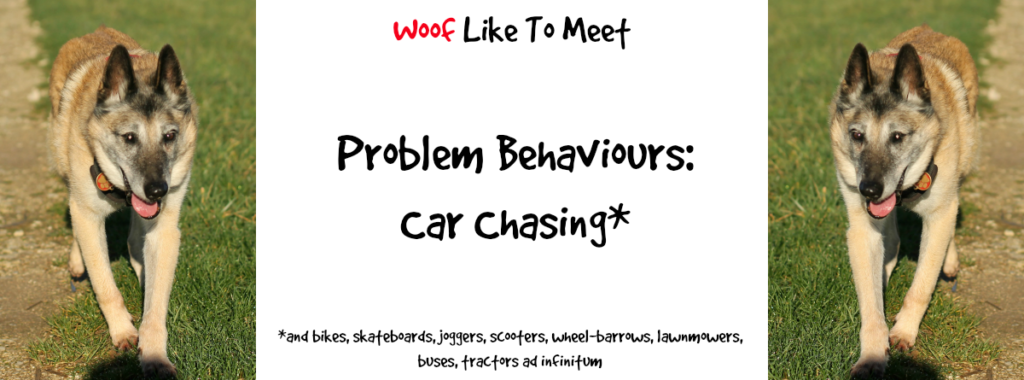
Credit: www.woofliketomeet.com
Frequently Asked Questions
How Can I Train My Dog To Stop Chasing Cars?
Start by teaching your dog basic commands like “sit” and “stay. ” Use positive reinforcement and reward calm behavior. Gradually introduce distractions and practice in safe environments. Consistent training helps your dog focus and reduces chasing instincts over time.
Why Do Dogs Chase Cars Instinctively?
Dogs chase cars due to their natural prey drive and curiosity. Moving vehicles trigger their chase instincts, similar to hunting behavior. Understanding this helps owners manage and redirect this impulse through proper training and environmental control.
What Are Safe Alternatives To Car Chasing For Dogs?
Offer regular exercise, interactive toys, and games like fetch. Engage your dog in mental stimulation activities to reduce boredom. These alternatives satisfy their energy and hunting instincts safely, preventing dangerous car chasing behaviors.
Can Leash Training Help Prevent Car Chasing?
Yes, leash training provides control and prevents sudden dashes towards cars. It helps teach impulse control and keeps your dog safe during walks. Consistent leash use combined with commands reduces car chasing risks effectively.
Conclusion
Stopping dogs from chasing cars takes patience and clear training. Teach your dog to focus on you, not moving vehicles. Use commands like “stay” and “come” often. Reward good behavior with treats or praise. Practice in safe, controlled areas before trying near roads.
Remember, consistency is key for lasting change. Keep training short and positive to hold your dog’s attention. With time, your dog will learn to stay calm around cars. Safety improves for both your dog and others. Stay patient and enjoy the progress you make together.


