If your dog pulls hard on the leash, every walk can feel like a struggle. You want to enjoy those moments outside, not fight with your furry friend.
The right leash can make all the difference, helping you stay in control while keeping your dog comfortable. But with so many options out there, how do you choose the best one for a dog that pulls? You’ll discover which leashes work best and why, so you can turn pulling into peaceful, happy walks.
Keep reading to find the perfect leash for your dog—and for you.
Credit: www.k9bridle.com
Why Dogs Pull On Leash
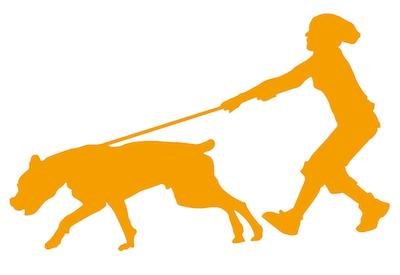
Dogs pulling on the leash is a common challenge many pet owners face. Understanding why dogs pull helps choose the best leash. Dogs pull for different reasons. Some reasons come from their nature, others from habits. Knowing these causes can make walks more pleasant for both.
Common Causes
Dogs pull because they want to explore their world. New sights, smells, and sounds excite them. They try to reach these quickly. Some dogs pull out of fear or anxiety. They want to move away from something scary. Sometimes, pulling happens because the leash is loose. Dogs feel free and run ahead.
Behavioral Factors
Many dogs pull because they have not learned to walk nicely. Pulling can become a habit over time. Dogs may pull to get attention from their owner. They think pulling leads to fun or treats. Lack of training is a big reason. Dogs need clear rules to stop pulling.
Credit: www.usadogbehavior.com
Types Of Leashes For Pulling Dogs
Choosing the right leash helps control dogs that pull during walks. Different leashes offer various ways to manage pulling. Some leashes focus on comfort, while others improve control. Knowing the types helps pick the best option for your dog.
Standard Leashes
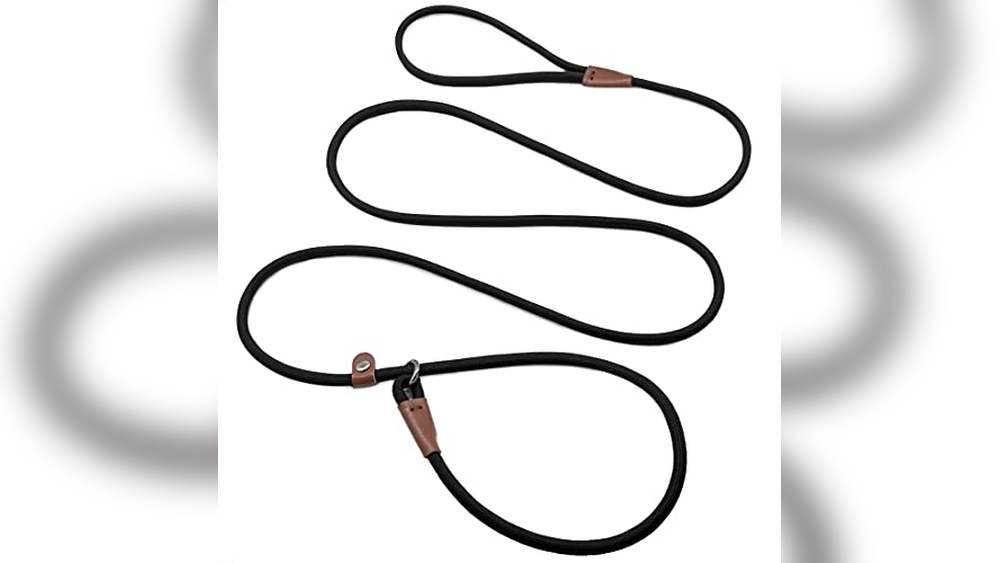
Standard leashes are simple and common. They come in nylon, leather, or rope. These leashes do not stop pulling but offer basic control. They work well for dogs that pull lightly or are still learning.
No-pull Leashes
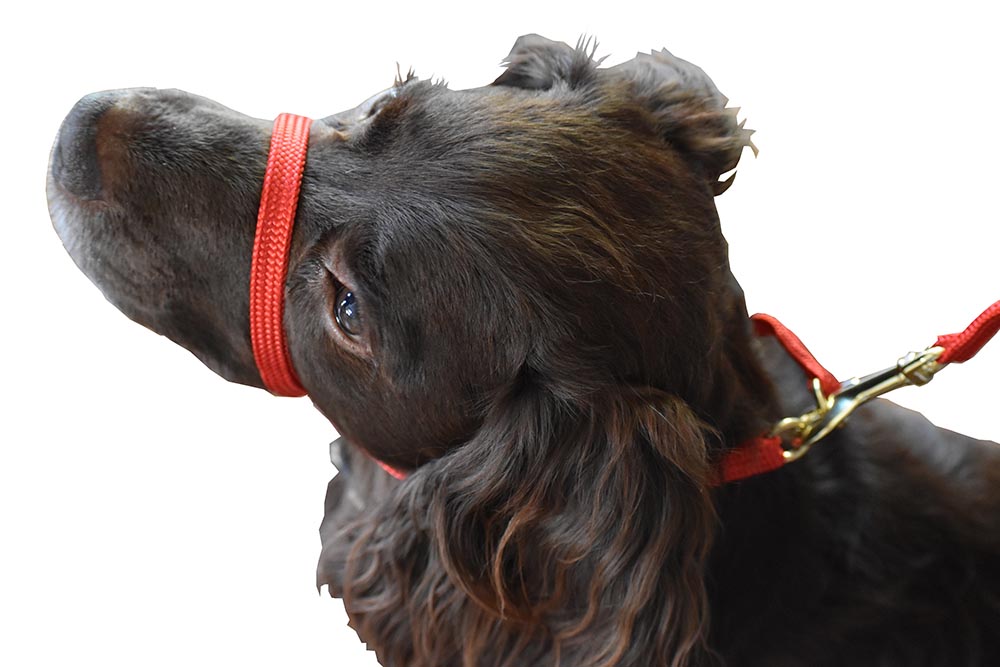
No-pull leashes help reduce pulling by changing the dog’s direction. They often have extra loops or rings. These leashes make pulling uncomfortable for the dog. They teach dogs to walk calmly without force.
Harnesses With Leashes
Harnesses spread pressure across the dog’s body. They prevent choking and neck injuries. Combined with a leash, harnesses give better control. Some harnesses have front clips to stop pulling quickly.
Retractable Leashes
Retractable leashes extend and retract for more freedom. They allow dogs to explore farther from the owner. These leashes can be hard to control with pulling dogs. Use them only if your dog listens well.
Features To Look For In A No-pull Leash
Choosing the right no-pull leash helps control dogs that pull during walks. The best leash makes walks safer and more pleasant. Key features affect how well the leash works and how comfortable it is for both dog and owner. Focus on material, length, and grip for a leash that lasts and feels good.
Material And Durability
Strong material resists chewing and pulling. Nylon and leather are popular choices. Nylon is lightweight and dries fast. Leather feels sturdy and softens over time. Metal parts like clips and rings should be rust-proof. Durable leashes hold up to daily use without breaking.
Length And Control
Leash length impacts control and freedom. Short leashes give better control of pulling dogs. Long leashes allow more exploration but less control. A leash between 4 to 6 feet is ideal for training. Some no-pull leashes have adjustable lengths for flexibility.
Comfort And Grip
Comfortable handles reduce hand strain during walks. Padded or soft grips prevent blisters. Non-slip materials help keep hold when dogs pull hard. Check for a leash that feels good in your hand. A secure grip improves safety and control.
:strip_icc()/sps-dog-harnesses-test-ruffwear-front-range-amazon-front-attachment-good-hiking-hang-pham-02-c28708e42f09460bac97ae9285d6c504.jpg)
Credit: www.thesprucepets.com
Top Leashes For Dogs That Pull
Choosing the right leash can make walks more enjoyable for both you and your dog. Dogs that pull need special leashes to help control their strength. The right leash offers safety, comfort, and better control. Here are some of the top leashes designed for dogs that pull.
Best Overall No-pull Leash
This leash combines strength and comfort. It has a padded handle to reduce hand strain. The leash is made from durable materials that resist chewing. Its no-pull design helps guide your dog gently. Perfect for most dogs that pull on walks.
Best For Large Dogs
Large dogs need a leash that can handle strong pulls. This leash features heavy-duty hardware and thick straps. It offers excellent control without breaking or stretching. The leash is long enough for freedom but short enough for safety. Ideal for strong, large breeds.
Best Budget Option
This leash is affordable without losing quality. It uses sturdy nylon material that lasts long. The handle is comfortable and easy to grip. It offers basic no-pull features to help control your dog. A great choice for those on a tight budget.
Best Adjustable Leash
Adjustable leashes allow you to change the length easily. This leash can be shortened or lengthened with simple clips. It fits various walking situations and training needs. Made with strong materials for dogs that pull hard. A flexible option for different walking styles.
Training Tips To Reduce Pulling
Training a dog that pulls on the leash takes patience and the right approach. Simple, clear methods help your dog learn to walk calmly. This section shares practical tips for reducing pulling through training.
Positive Reinforcement Techniques
Reward your dog when it walks beside you calmly. Use treats or praise to encourage good behavior. Give rewards right after the dog stops pulling. This helps the dog link walking nicely with rewards. Avoid punishment, as it can cause fear and confusion. Positive reinforcement builds trust and cooperation.
Consistent Walking Practices
Walk your dog at the same time and place daily. Consistency helps your dog understand the rules. Keep walks short at first, increasing time as your dog improves. Use the same commands each walk, like “heel” or “slow.” This repetition strengthens learning. Avoid rushing or letting the dog pull ahead.
Using The Leash Effectively
Choose a leash that suits your dog’s size and strength. Hold the leash firmly but not too tight. Let the leash have a little slack to avoid tension. Stop walking if the dog pulls, then resume only when it relaxes. Change direction to keep your dog focused on you. This teaches the dog that pulling does not get what it wants.
Common Mistakes To Avoid
Choosing the right leash for a dog that pulls is important. Many dog owners make simple mistakes. These mistakes can make pulling worse. Avoiding these errors helps training go smoother. It also keeps walks safe and fun for both you and your dog.
Using Incorrect Equipment
Not all leashes work well for dogs that pull. Using a regular leash can cause strain and frustration. A leash that is too long or too short limits control. Some collars hurt the dog’s neck and cause discomfort. Choosing the wrong leash or collar can make pulling worse.
Look for leashes made for training or pulling control. Harnesses that reduce pressure on the neck often work better. Avoid choke chains or prong collars as they can harm your dog.
Inconsistent Training
Training must be regular and clear. Inconsistency confuses dogs and slows progress. If rules change, dogs do not learn well. Training sessions should happen often and last a short time. Reward good behavior to encourage your dog. Do not allow pulling sometimes and stop it other times.
Ignoring Dog’s Behavior
Dogs show signs when they feel stressed or scared. Ignoring these signs leads to more pulling and bad habits. Watch your dog closely during walks. Notice when your dog tugs hard or stops suddenly. Understanding your dog’s feelings helps adjust training and equipment.
Address your dog’s fears or excitement calmly. This reduces pulling and builds trust during walks.
Frequently Asked Questions
What Type Of Leash Stops A Dog From Pulling?
A no-pull leash, such as a front-clip harness leash, reduces pulling by redirecting your dog’s motion. It encourages better walking behavior by discouraging tension on the leash, making walks more enjoyable and controlled.
Are Retractable Leashes Good For Dogs That Pull?
Retractable leashes are not ideal for dogs that pull. They can encourage pulling by giving dogs more freedom. A fixed-length leash offers better control and safety during walks for dogs prone to pulling.
How Long Should A Leash Be For Pulling Dogs?
A leash between 4 to 6 feet is best for dogs that pull. This length provides enough control and space for comfortable walking. It helps you maintain close contact and manage your dog’s behavior effectively.
Can Training Collars Replace Special Leashes For Pulling Dogs?
Training collars can assist but don’t replace the need for a proper leash. Combining a no-pull leash with positive training is more effective for reducing pulling. Use collars carefully to avoid discomfort or injury.
Conclusion
Choosing the right leash helps control dogs that pull strongly. A front-clip or no-pull harness often works best. These leashes guide your dog gently without hurting them. Training with patience and consistency also makes a big difference. Every dog is unique, so try different types to see what fits.
Safe walks become easier and more enjoyable for both of you. Remember, the right leash supports good behavior and happy outings. Keep your dog comfortable and secure on every walk.