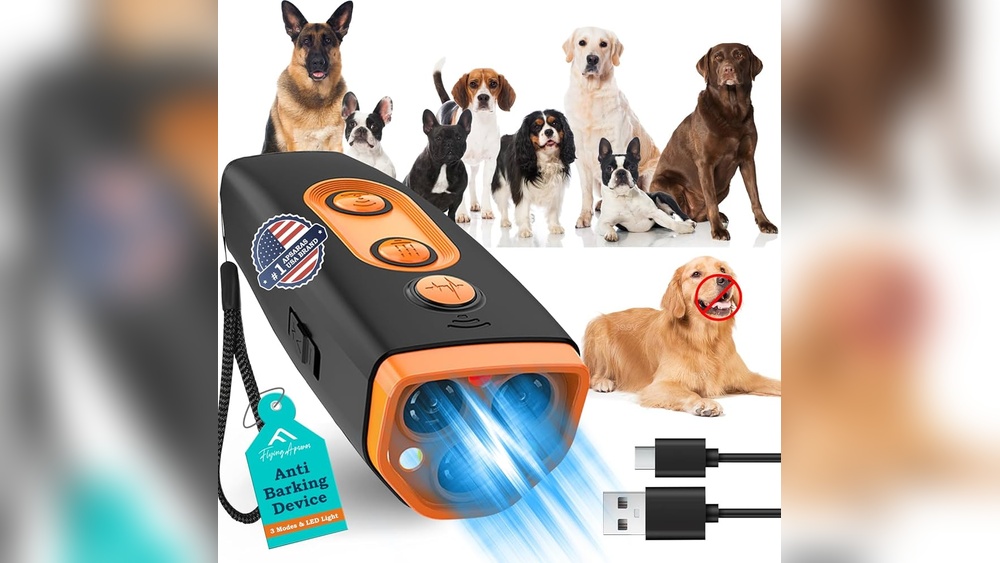
Are you tired of your dog’s constant barking driving you and your neighbors crazy? Finding the right solution can feel overwhelming, but the best dog barking deterrent device might be just what you need.
Imagine a simple tool that helps calm your dog quickly and effectively, giving you peace of mind and a quieter home. You’ll discover top options designed to stop barking without stress—for both you and your furry friend. Keep reading to find the perfect match for your dog’s needs and bring harmony back to your daily life.
Why Dogs Bark Excessively
Dogs bark to communicate. Some bark more than others. Excessive barking can be hard to handle. Understanding why dogs bark a lot helps find the right solution.
Common Triggers
Many things can trigger barking. Strangers near the house often cause dogs to bark. Loud noises like sirens or fireworks also trigger barking. Other dogs barking nearby may start a barking chain. Sometimes, dogs bark when they want attention or food.
Behavioral Causes
Some dogs bark because of boredom. Lack of exercise makes dogs restless and noisy. Anxiety or fear can cause constant barking. Dogs left alone for long periods may bark out of loneliness. Training and socializing help reduce this behavior.
Environmental Factors
Living in busy neighborhoods can increase barking. Dogs hear more sounds and see more people. Small spaces or lack of outdoor time may stress dogs. Changes in the environment like moving house can cause barking. Weather changes like storms often upset dogs.
Types Of Barking Deterrent Devices
Dogs bark for many reasons. Sometimes, barking is too loud or too frequent. Barking deterrent devices help reduce this noise. These tools teach dogs to be quiet without harm. Different types of devices suit different dogs and situations. Understanding each type helps pick the best one.
Each device works in a unique way. Some use sound, others use touch or sprays. Choosing the right device depends on your dog’s size, behavior, and sensitivity. Below are the main types of barking deterrent devices.
Ultrasonic Devices
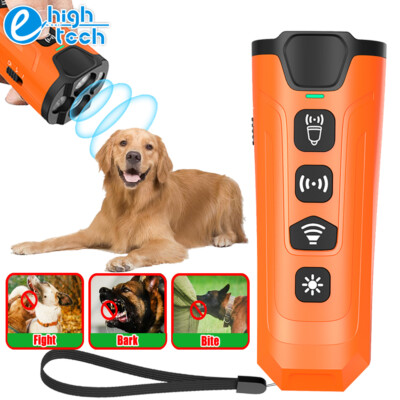
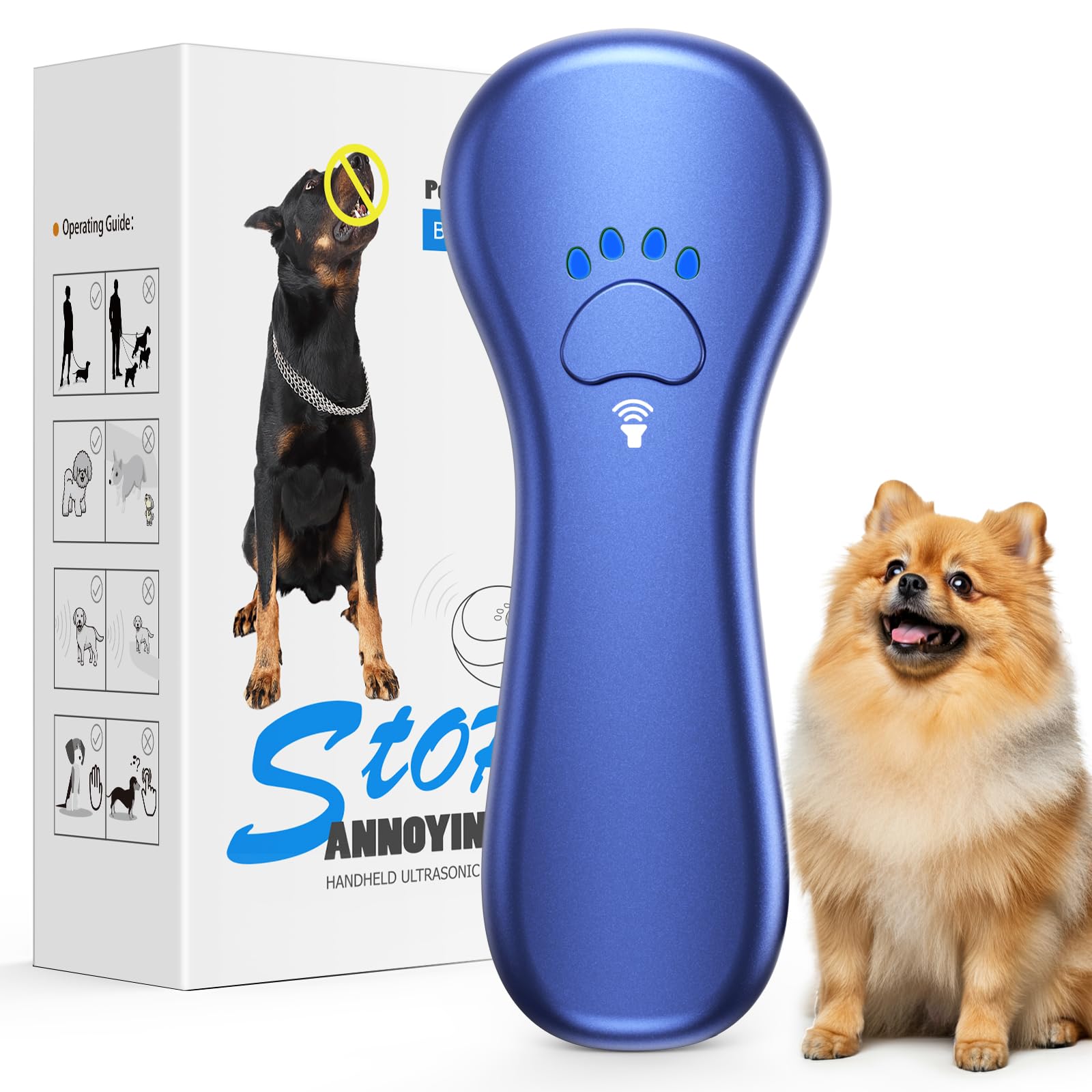
Ultrasonic devices emit high-frequency sounds. Dogs hear these sounds, but humans usually do not. The sound is unpleasant for dogs and stops their barking. These devices are safe and easy to use. They work best for mild to moderate barking issues.
Vibration Collars
Vibration collars sense when a dog barks. They send gentle vibrations to the dog’s neck. The vibration distracts the dog and stops barking. These collars are gentle and do not cause pain. They suit dogs that respond well to touch signals.
Spray Deterrents
Spray deterrents release a quick burst of air or scent. The spray surprises the dog and stops barking. It is safe and chemical-free in many models. Spray devices work well for dogs sensitive to smells or touch. They need to be refilled regularly.
Static Shock Collars
Static shock collars give a mild electric pulse when barking occurs. The pulse is safe but uncomfortable for the dog. These collars require careful use to avoid harm. They are effective for strong or persistent barkers. Some owners prefer other options first.
Top Ultrasonic Bark Deterrents
Ultrasonic bark deterrents are popular tools to reduce excessive dog barking. These devices emit high-frequency sounds dogs dislike but humans cannot hear. They help train dogs to stop barking without causing harm. Many pet owners trust ultrasonic deterrents for quiet homes and calm pets.
These devices come in various sizes and styles. Some are handheld, while others attach to collars or sit in yards. They activate automatically when barking starts, making them easy to use. Below are some top ultrasonic bark deterrents to consider.
Key Features
Ultrasonic bark deterrents use sound waves above 20 kHz. Dogs react to these sounds by stopping barking. Most devices have motion sensors or sound sensors to detect barking. Battery life varies from weeks to months. Some models offer adjustable sound levels. Many are weather-resistant for outdoor use. Lightweight designs make them easy to carry or attach to collars.
Pros And Cons
Pros include safe, non-invasive training for dogs. They do not use sprays or shocks. The devices are quiet for humans. Many models are simple to set up and use. Cons include mixed results depending on the dog’s temperament. Some dogs may ignore the sound over time. Ultrasonic sounds may disturb other pets or wildlife. Batteries require regular replacement or charging.
User Reviews
Many users report a noticeable decrease in barking within days. Owners appreciate the device’s ease of use and portability. Some mention that their dogs needed time to adjust. A few reviews note limited success with stubborn dogs. Overall, most buyers find ultrasonic deterrents helpful for mild to moderate barking issues.

Credit: www.amazon.com
Best Vibration Collar Options
Vibration collars are a gentle way to reduce unwanted barking. They use vibrations to get your dog’s attention without causing pain. These collars suit dogs sensitive to sound or shock collars. Choosing the right vibration collar matters for your dog’s comfort and training success.
Design And Comfort
Good vibration collars have a soft, adjustable strap. The material should be lightweight and safe for daily wear. The collar must fit snugly but not too tight. Small dogs need smaller collars to avoid discomfort. Comfort helps your dog accept the collar easily. A well-designed collar avoids skin irritation or hair loss.
Effectiveness
The collar should respond quickly to barking. Vibrations must be strong enough to catch your dog’s attention. Some collars offer different vibration levels to suit various dog temperaments. Look for collars that reset automatically after a barking pause. Reliable sensors reduce false alarms from other noises. A good collar helps train your dog to bark less over time.
Battery Life
Long battery life means less frequent charging. Many vibration collars offer 7 to 14 days of use on one charge. Rechargeable batteries save money and reduce waste. Some models use replaceable batteries for convenience. A low battery indicator helps avoid surprises during training. Consistent power ensures the collar works whenever needed.
Spray-based Deterrent Solutions
Spray-based deterrent solutions offer a humane way to reduce excessive dog barking. These devices release a quick burst of harmless spray when barking is detected. The spray startles the dog gently, helping to stop the barking without causing pain.
This method works well for dogs that respond to sudden distractions. It trains dogs to associate barking with the unpleasant but safe spray. Over time, most dogs learn to stay quiet to avoid the spray.
How They Work
Sensors in the device listen for barking sounds. When the bark reaches a certain volume, the device triggers a spray. This spray usually contains citronella or water, which dogs dislike. The unexpected spray interrupts the barking habit immediately. The device then resets, ready for the next bark.
Safety Considerations
Spray-based deterrents use safe, non-toxic ingredients. The spray is designed to be harmless to dogs and people. Avoid aiming the device directly at the dog’s face to protect sensitive areas. Check the spray ingredients for possible allergies. Always follow the manufacturer’s instructions for safe use.
Popular Models
Many popular models use citronella spray to stop barking. Some models come with adjustable spray range and sound sensitivity. Battery-powered options allow easy placement anywhere. Models like the Ultrasonic Bark Control and PetSafe Spray are well-known. Choose a model that fits your dog’s size and behavior.
Credit: www.wideworldofindoorsports.com
Static Shock Collars: Risks And Benefits
Static shock collars are popular devices for controlling dog barking. They deliver a mild electric shock to discourage barking. These collars promise quick results but raise many questions. Understanding their risks and benefits helps owners make smart choices.
Effectiveness
Static shock collars can stop barking fast. Dogs learn to connect barking with the unpleasant shock. This can reduce noise in a short time. The collar works best on dogs with mild to moderate barking issues. Some dogs may resist or become scared, lowering effectiveness.
Ethical Concerns
Many worry about the pain caused by static shocks. The shock can cause fear and stress in dogs. Some dogs may develop anxiety or aggression. Using pain to control behavior may harm the dog’s trust. Animal experts suggest careful use and monitoring to avoid harm.
Alternative Approaches
Positive training methods offer safer options. Rewarding quiet behavior helps dogs learn without fear. Tools like citronella collars spray a harmless scent when dogs bark. Sound-emitting devices distract dogs without pain. Training with patience and kindness builds better habits.
Factors To Consider Before Buying
Choosing the best dog barking deterrent device requires careful thought. These devices vary in design and function. Picking the right one can help train your dog effectively and keep peace at home.
Consider your dog’s unique traits and your training style. Not all devices suit every dog or owner. Understanding key factors helps you make a smart choice.
Dog Size And Breed
Different dogs react differently to deterrent devices. Small breeds may need gentle options. Large dogs might require stronger devices. Some breeds are more sensitive to sounds or vibrations. Match the device strength with your dog’s size and breed for safety and comfort.
Training Needs
Identify your training goals before buying. Some devices work best for mild barking. Others handle frequent or loud barking. Choose a device that fits your dog’s behavior and your training plan. Consistency in use is key to success.
Device Durability
Durability matters for long-term use. Dogs can be rough on devices. Look for sturdy materials that resist water and damage. A durable device saves money and effort over time. Check user reviews for real-life durability reports.
Credit: www.rickandanns.com
Tips For Effective Bark Control
Controlling your dog’s barking can be challenging. Using the right methods helps make training easier. Combining tools and good habits leads to better results. The following tips guide you through effective bark control.
Consistent Training
Training your dog every day builds good habits. Dogs learn faster with regular practice. Use the same commands and signals each time. Consistency helps your dog understand what you want. Avoid changing rules often to prevent confusion.
Positive Reinforcement
Praise your dog when it stops barking on command. Treats and kind words encourage good behavior. Rewards make dogs want to repeat actions. Avoid punishment, as it can cause fear or stress. Positive reinforcement creates a happy learning environment.
Combining Devices With Behavior Modification
Barking deterrent devices work best with training. Use them alongside teaching your dog when to stop. Devices alone do not fix behavior problems. Behavior modification changes the reason behind barking. This approach leads to long-term success.
Frequently Asked Questions
What Is The Best Dog Barking Deterrent Device?
The best device uses ultrasonic sound to calm dogs without harm. It’s safe, effective, and easy to use. Choose one with adjustable settings and good range. Customer reviews and durability also matter when selecting the right device for your needs.
How Do Ultrasonic Dog Bark Deterrents Work?
Ultrasonic devices emit high-frequency sounds dogs dislike but humans can’t hear. This interrupts barking behavior gently. Over time, dogs learn to stop barking. The sound is safe and non-invasive, making it a popular choice for training and noise control.
Are Bark Deterrent Devices Safe For All Dogs?
Yes, most bark deterrents are safe for all dog breeds and sizes. They don’t cause pain or stress, only gentle correction. Always follow the manufacturer’s instructions for proper use. Avoid prolonged exposure to prevent any discomfort or anxiety.
Can Bark Deterrent Devices Train Dogs Effectively?
Yes, these devices help train dogs by discouraging excessive barking. They work best combined with positive reinforcement. Consistent use leads to better behavior over time. However, they are not a substitute for proper training and socialization.
Conclusion
Choosing the right dog barking deterrent helps keep peace at home. Devices work best when used with patience and consistency. Each dog responds differently to sounds or vibrations. Always watch your pet’s comfort and safety first. Small steps bring better behavior over time.
Quiet moments mean happier pets and owners alike. Remember, a calm dog makes a calm home. Find a device that suits your dog’s needs well. This simple tool can reduce barking and stress. Try one today for a quieter, happier life.