If you’ve ever been bitten by a dog, you know how quickly a small wound can turn into a painful, swollen problem. Choosing the right antibiotic for dog bites is crucial to stop infection before it starts.
But with so many options out there, how do you know which one is best for your situation? You’ll discover clear, simple advice on the most effective antibiotics to treat dog bite wounds. Keep reading to protect yourself and get the right care fast.
Common Infections From Dog Bites
Dog bites often cause infections. Bacteria enter the skin through the wound. These infections can become serious if untreated. Recognizing common infections helps prevent complications. Quick action is important to keep dogs and humans safe.
Types Of Bacteria Involved
Dog mouths carry many types of bacteria. Pasteurella is one common type. It can cause redness and swelling. Staphylococcus and Streptococcus are also frequent offenders. These bacteria lead to pus and pain in wounds. Capnocytophaga is rarer but more dangerous. It affects people with weak immune systems. Understanding bacteria helps choose the right antibiotic.
Signs Of Infection To Watch For
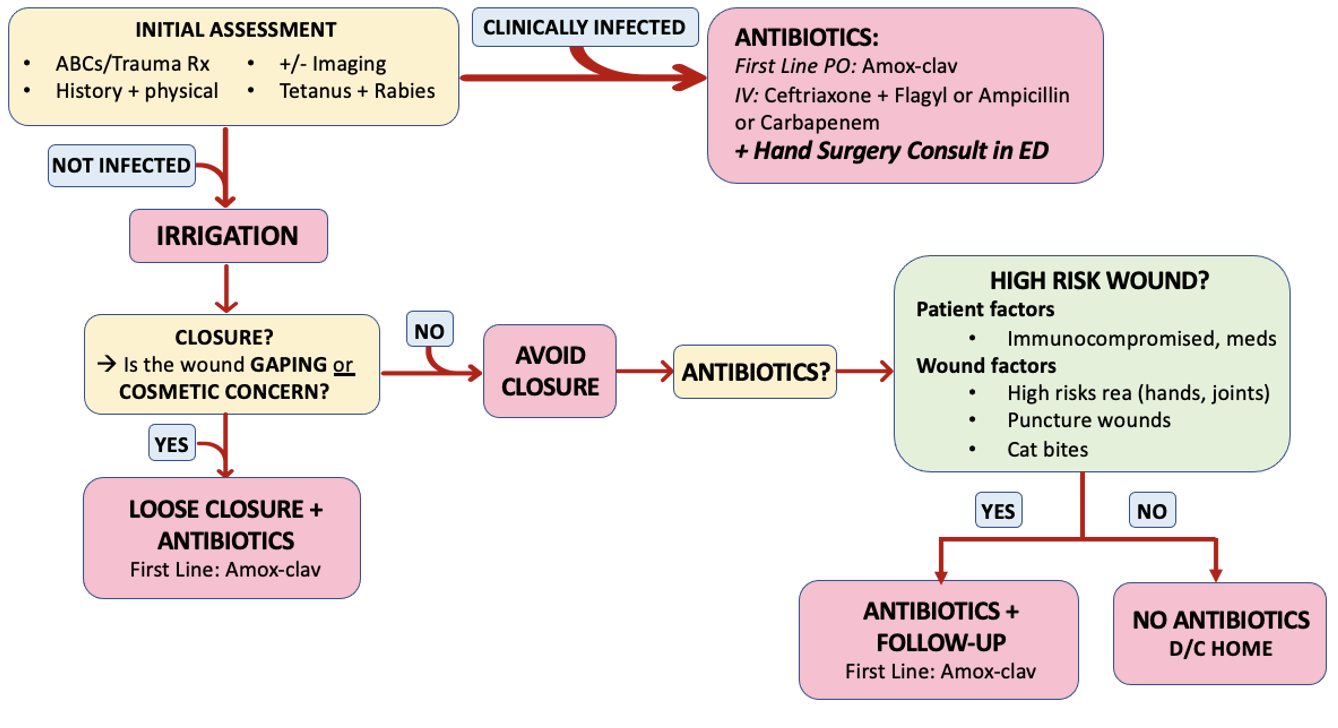
Watch the wound closely after a bite. Redness spreading around the area is a warning. Swelling that increases means infection may be growing. Pus or yellow fluid shows active infection. Fever can indicate the body is fighting bacteria. Pain that worsens instead of improving is a sign. Seek medical help if any of these appear.
Credit: emottawablog.com
Criteria For Choosing Antibiotics
Choosing the right antibiotic for dog bites is important. It helps stop infections fast and keeps your pet safe. Several factors guide the choice of antibiotics. These ensure the medicine works well and causes no harm. Understanding these criteria helps in picking the best treatment.
Effectiveness Against Typical Bacteria
Dog bites often carry bacteria like Pasteurella, Staphylococcus, and Streptococcus. The antibiotic must fight these germs well. It should kill or stop their growth quickly. Doctors usually select antibiotics proven to work on these common bacteria. This choice helps prevent infection from spreading.
Safety And Side Effects
The antibiotic must be safe for your dog’s health. Some drugs cause allergic reactions or stomach upset. Side effects can make your dog feel worse. Choosing a medicine with fewer side effects keeps your pet comfortable. Always watch for any signs of bad reactions during treatment.
Dosage And Administration
Proper dosage is key to effective treatment. The amount and frequency depend on your dog’s size and health. Easy-to-give antibiotics improve your chances of finishing the full course. Follow the vet’s instructions carefully to avoid resistance or relapse.
Top Fast-acting Antibiotics
Dog bites can cause serious infections quickly. Choosing the right antibiotic helps stop infection fast. Some antibiotics work better and faster against bacteria from dog bites. These top fast-acting antibiotics are often recommended by vets. They fight bacteria effectively and help wounds heal.
Amoxicillin-clavulanate
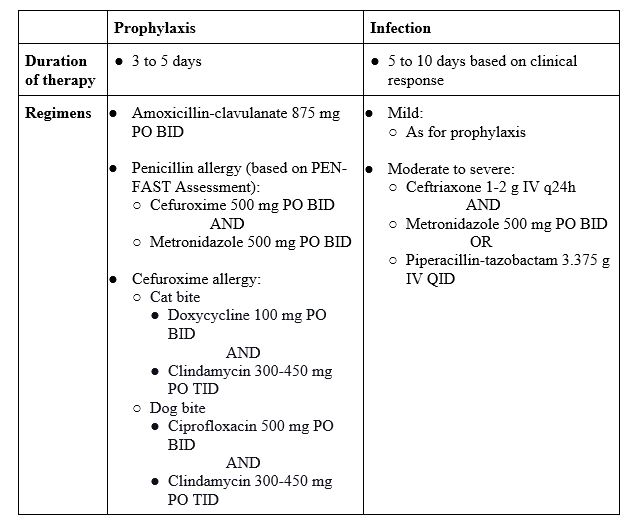
Amoxicillin-clavulanate is a common choice for dog bite infections. It combines two medicines that work together. Amoxicillin kills many bacteria, while clavulanate stops resistant strains. This antibiotic covers a wide range of bacteria found in dog bites. It starts working fast to reduce infection and swelling.
Cephalexin
Cephalexin is another popular antibiotic for dog bite wounds. It belongs to a group called cephalosporins. Cephalexin fights many bacteria types, especially those on skin. It helps prevent infection spread and supports quick healing. This medicine is easy to take and well tolerated by most dogs.
Doxycycline
Doxycycline is useful for some dog bite infections. It works well against certain bacteria that others may miss. This antibiotic also fights bacteria that cause tick-related diseases. Doxycycline reaches infection sites quickly and stops bacteria from growing. It is often prescribed when other antibiotics don’t work.
Clindamycin
Clindamycin targets bacteria inside cells and on the skin. It works well for dog bite wounds that have deep infections. This antibiotic fights bacteria resistant to other drugs. Clindamycin helps reduce pain and swelling by controlling infection fast. It is a trusted option for serious or persistent dog bite infections.
Credit: www.hse.ie
When To Seek Medical Attention
Dog bites can look small but hide serious problems. Knowing when to get medical help is very important. Quick action can stop infections and other risks. Watch your dog and the wound closely after a bite.
Signs Of Severe Infection
Swelling around the bite that grows fast is a warning. Redness spreading from the wound shows infection spreading. Pus or bad smell from the wound means bacteria are active. Warm skin near the bite can show the body’s fight against germs. Fever or chills are signs the infection might reach deeper. Pain that gets worse over time needs urgent care. Do not ignore these symptoms. They need medical checkup and treatment.
Allergic Reactions To Antibiotics
Some dogs react badly to antibiotics used for bites. Watch for swelling of the face or lips. Hives or red, itchy skin patches show allergy signs. Difficulty breathing or coughing needs immediate vet attention. Vomiting or diarrhea after medicine can be side effects. Stop the antibiotic and contact your vet if these appear. Early help prevents serious problems from allergic reactions.
Preventing Dog Bite Infections
Dog bites can cause serious infections if not treated properly. Preventing infection starts with quick and careful actions. Taking the right steps helps reduce pain and avoid bigger problems. Below are key methods to keep infections away after a dog bite.
Proper Wound Care
Cleaning the bite wound is the first step. Use clean water and mild soap to wash the area gently. Avoid scrubbing hard, as this can damage the skin. After cleaning, dry the wound with a clean cloth or let it air dry. Cover the wound with a sterile bandage to keep dirt out.
Change the bandage daily or if it gets wet. Watch for signs of infection like redness, swelling, or pus. If these signs appear, see a doctor immediately. Proper care lowers the chance of harmful bacteria growing in the wound.
Tetanus And Rabies Vaccinations
Tetanus is a serious disease caused by bacteria found in soil and dirt. A dog bite can introduce these bacteria into the body. Check your tetanus vaccination status. A booster shot may be needed if it has been more than five years.
Rabies is a deadly virus passed through animal bites. Make sure the dog’s vaccination history is known. If the dog’s status is unknown, medical professionals may give a rabies vaccine to prevent infection. Vaccinations play a crucial role in preventing dangerous diseases after a bite.
Credit: emergencycarebc.ca
Frequently Asked Questions
What Is The Best Antibiotic For Dog Bite Infections?
The best antibiotic for dog bite infections is usually amoxicillin-clavulanate. It treats common bacteria from dog bites effectively. Always consult a doctor for the right prescription and dosage based on your wound’s severity.
How Soon Should Antibiotics Be Taken After A Dog Bite?
Antibiotics should be started as soon as possible, ideally within 24 hours after a dog bite. Early treatment helps prevent infection and complications. Delaying antibiotics increases the risk of serious infections and prolonged healing.
Can I Use Over-the-counter Antibiotics For Dog Bites?
Over-the-counter antibiotics are not recommended for dog bites. Prescription antibiotics are necessary to target specific bacteria. Always see a healthcare provider for proper diagnosis and treatment to avoid antibiotic resistance and ineffective care.
Are Antibiotics Always Necessary For Dog Bite Wounds?
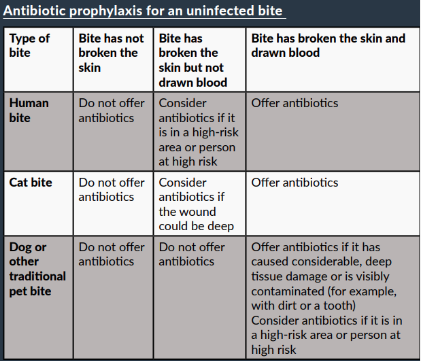
Not all dog bite wounds require antibiotics. Minor, clean wounds may heal without them. However, deep, puncture wounds or bites on the hands usually need antibiotics to prevent infection. A doctor can assess the need based on wound severity.
Conclusion
Choosing the right antibiotic helps heal dog bites fast. Always clean the wound before applying medicine. Visit a vet to get the best advice. Untreated bites can lead to serious infections. Watch for redness, swelling, or fever. Act quickly to protect your pet’s health.
Good care makes a big difference. Stay safe and keep your dog healthy.