

Choosing the right dog breed for your life can feel overwhelming. You want a furry friend who fits your lifestyle, personality, and home perfectly.
But with so many breeds out there, how do you know which one is truly right for you? This guide will help you understand what to look for, so you can make a choice that brings joy and harmony to your daily life.
Keep reading to discover simple tips that will make finding your perfect dog easier than you ever thought.

Credit: miamipetconcierge.com
Factors To Consider
Choosing the right dog breed needs careful thought. Different breeds fit different lifestyles. Knowing key factors helps pick a dog that suits your life. This makes owning a pet happy and healthy for both.
Living Space And Environment
Think about your home size. Small apartments suit small dogs better. Big dogs need more room to move. Consider noise levels and neighbors too. Some dogs bark more and need space outside.
Activity Level And Exercise Needs
Dogs have different energy levels. Some need long walks or runs daily. Others are happy with short playtime. Match a dog’s activity with your lifestyle. Busy days need calm, low-energy breeds.
Size And Lifespan
Dog sizes range from tiny to very large. Small dogs live longer, often 12 to 16 years. Large dogs may live 7 to 10 years. Size affects food, space, and care needs. Choose a size you can handle.
Allergies And Health Issues
Some dogs shed more, causing allergies. Hypoallergenic breeds shed less hair and dander. Research breed health problems too. Some dogs have common issues needing special care. Know these before choosing a breed.
Budget And Maintenance Costs
Costs include food, grooming, and vet visits. Large dogs eat more and cost more. Grooming needs vary by breed and coat type. Vet bills can rise with health issues. Plan your budget to keep your dog well.
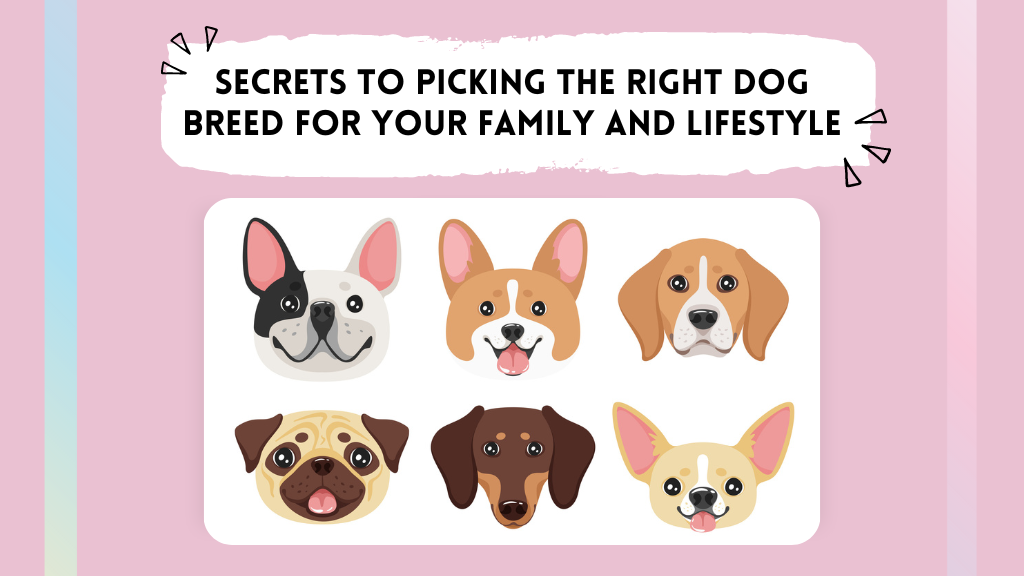
Credit: www.northroadvet.com.au
Popular Dog Breeds
Choosing the right dog breed is important for a happy pet and owner. Different breeds have different needs and traits. Knowing popular dog breeds helps you find a good match. Dogs come in many sizes and types. Some breeds are great for small homes. Others need space to run and play. Some dogs do not shed much and are good for allergy sufferers. Understanding these groups makes your choice easier.
Small Breeds
Small dog breeds are perfect for apartments and small spaces. They need less exercise but still enjoy playtime. Popular small breeds include the Chihuahua, Pomeranian, and Dachshund. These dogs are often friendly and easy to carry. They can be good companions for families and seniors. Small breeds usually live longer and require less food.
Medium Breeds
Medium breeds balance size and energy. They are often active and enjoy outdoor play. Breeds like the Beagle, Cocker Spaniel, and Border Collie fit this group. Medium dogs need regular exercise and mental stimulation. They work well in homes with yards or nearby parks. These breeds are great for active families or people who like walks.
Large Breeds
Large dog breeds need more space and exercise. They are strong and often protective. Examples include the German Shepherd, Labrador Retriever, and Great Dane. Large dogs can be gentle and loyal family pets. They need training and socialization to behave well. Large breeds may have shorter lifespans and higher food costs.
Hypoallergenic Breeds
Hypoallergenic dog breeds shed less and cause fewer allergies. They are good choices for people with sensitive skin or asthma. Popular hypoallergenic breeds include the Poodle, Bichon Frise, and Maltese. These dogs still need grooming to keep their coat healthy. Hypoallergenic breeds are usually friendly and smart. They make great pets for many different homes.
Lifestyle Compatibility
Choosing the right dog breed depends a lot on your lifestyle. Dogs have different needs for exercise, attention, and space. Picking a breed that fits your daily routine helps both you and your pet stay happy. Consider how much time you have, your living space, and your energy level.
Families With Children
Families need dogs that are gentle and patient. Breeds like Labradors and Beagles usually do well with kids. These dogs enjoy playtime but also know when to be calm. They are friendly and can handle noisy, busy homes. Safety and temperament matter most for family pets.
Single Owners
Single owners might prefer dogs that are easy to manage alone. Smaller breeds like French Bulldogs or Shih Tzus need less exercise. They provide great companionship without demanding too much time. Dogs that adapt well to being alone during work hours suit singles best.
Seniors And Retirees
Seniors benefit from calm and low-energy dogs. Breeds such as Cavalier King Charles Spaniels or Pugs fit this need. These dogs enjoy short walks and lots of rest. They offer comfort and love without overwhelming activity. Choosing a dog that matches physical ability is key.
Active And Outdoor Enthusiasts
Active people need dogs with high energy and stamina. Border Collies and Australian Shepherds love running and hiking. These breeds require lots of exercise and mental challenges. They thrive in outdoor environments and enjoy adventure. Matching a dog’s energy with yours creates a strong bond.
Temperament And Personality
Choosing the right dog breed means understanding their temperament and personality. These traits shape how dogs behave and interact with people. Temperament affects training, play, and daily life. Each breed has unique qualities. Knowing these helps find a dog that fits your lifestyle and home.
Friendly And Social Breeds
Friendly and social breeds love being around people and other pets. They enjoy meeting new friends and playing outside. These dogs are great for families with kids. They often crave attention and affection. Examples include Labradors and Golden Retrievers. These breeds are usually easy to train and adapt well to new environments.
Independent And Reserved Breeds
Independent and reserved breeds like to spend time alone. They may not seek constant attention. These dogs are calm and quiet at home. They need less social interaction but still enjoy walks. Breeds like Shiba Inu and Basenji fit this category. They require patient training and respect for their space.
Protective And Guard Breeds
Protective and guard breeds watch over their home and family. They are alert and loyal to their owners. These dogs can be cautious around strangers. German Shepherds and Rottweilers are common examples. Early socialization and training are important for these breeds to ensure good behavior.
Training And Grooming Needs
Training and grooming needs are key when choosing a dog breed. Each breed has unique habits and care routines. Understanding these needs helps avoid surprises and builds a strong bond.
Some dogs learn commands fast and enjoy training sessions. Others need patience and extra time. Grooming also varies widely. Some breeds require daily brushing, while others need little care.
Knowing common behaviors helps match a dog to your lifestyle. Choose a breed that fits your daily routine and energy level. This makes caring for your pet easier and more enjoyable.
Easiest Breeds To Train
Dogs like Border Collies, Poodles, and Golden Retrievers learn quickly. They respond well to commands and enjoy mental challenges. These breeds suit first-time owners. Consistent training with rewards works best.
German Shepherds and Labrador Retrievers also show strong obedience. They adapt to many training styles. Patience and regular practice speed up learning.
Grooming Requirements
Short-haired breeds like Beagles need less grooming. Brushing once a week keeps their coat healthy. Long-haired dogs like Shih Tzus require daily brushing. This prevents mats and tangles.
Some breeds, such as Poodles, need professional grooming every few weeks. Regular nail trims and ear cleaning are essential for all dogs. Grooming keeps pets comfortable and healthy.
Common Behavioral Traits
Terriers are energetic and love to dig and chase. They need plenty of exercise to stay happy. Bulldogs tend to be calm but can be stubborn during training.
Herding breeds often try to control movements around them. They need activities that challenge their minds. Knowing these traits helps manage expectations and care routines.
Where To Find Your Dog
Finding the right place to get your dog is important. Where you find your dog affects its health and happiness. Different sources offer different types of dogs. Some places have many dogs waiting for a new home. Others focus on specific breeds or health checks. Choose a place that fits your needs and values.
Adoption Centers And Shelters
Adoption centers and shelters have many dogs needing homes. Most dogs here are mixed breeds. Staff can help match you with a dog that suits your life. These dogs are often vaccinated and checked by vets. Adopting saves a life and reduces overcrowding in shelters. It is also usually cheaper than buying a dog.
Reputable Breeders
Reputable breeders breed dogs with good health and strong bloodlines. They focus on specific breeds and care for puppies carefully. Breeders offer health guarantees and show proof of vaccinations. Visiting a breeder lets you see the dog’s living conditions. It helps ensure you get a healthy, well-socialized puppy.
Rescue Organizations
Rescue organizations focus on saving dogs from bad situations. They often work with specific breeds or types of dogs. Rescues provide medical care and training before adoption. Dogs from rescues are ready to join a family. Choosing a rescue dog gives a second chance to an animal in need.
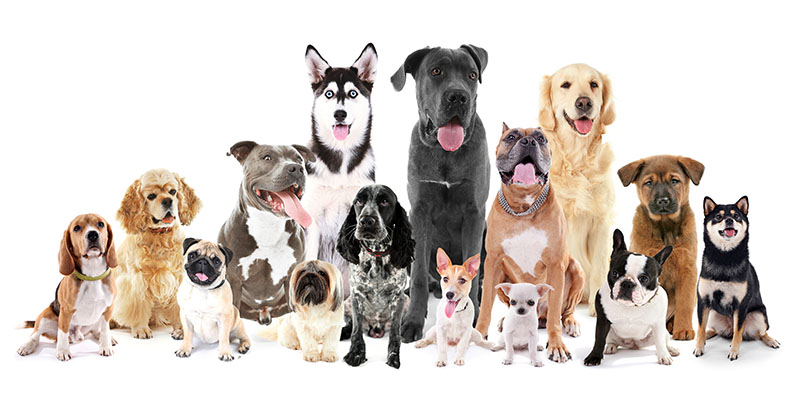
Credit: www.harmonyanimalhospital.net
Frequently Asked Questions
What Factors Should I Consider When Choosing A Dog Breed?
Consider your lifestyle, living space, activity level, and family size. Also, think about grooming needs and potential health issues.
How Do I Match A Dog Breed To My Activity Level?
Active people benefit from energetic breeds like Border Collies. Less active lifestyles suit calm breeds like Bulldogs.
Which Dog Breeds Are Best For Families With Children?
Labradors, Golden Retrievers, and Beagles are gentle, patient, and great with kids.
How Important Is A Dog’s Size In Breed Selection?
Size affects space needs and exercise requirements. Choose a breed that fits your home and routine.
Conclusion
Choosing the right dog breed takes time and thought. Think about your home, lifestyle, and daily routine. Some dogs need lots of exercise; others prefer calm days. Size matters too—small or large dogs fit different spaces. Temperament is key. Friendly, shy, or active?
Match your personality with the dog’s nature. Research breeds carefully before deciding. Visit shelters or breeders to meet dogs in person. Your perfect dog is out there, waiting for you. Make a choice that brings joy to both of you.
A happy dog means a happy home.


