

Have you ever wondered why your small dog shouldn’t eat adult dog food? It might seem like a simple switch, but the truth is, feeding your little companion the wrong food can affect their health in ways you don’t expect.
Your small dog has unique needs that adult dog food doesn’t meet. If you want to keep your furry friend happy, energetic, and healthy, understanding this difference is crucial. Keep reading to discover exactly why small dogs need special food and how making the right choice can make all the difference for your pet’s well-being.
Nutritional Needs Of Small Dogs
Small dogs have unique nutritional needs. Their bodies use food differently than bigger dogs. Feeding them adult dog food may not meet these needs. This section explains why small dogs need special nutrition.
Calorie Requirements
Small dogs burn calories faster than large dogs. They need more calories per pound of body weight. Adult dog food has fewer calories, which may leave small dogs hungry. Proper calorie intake keeps their energy up and weight steady.
Protein And Fat Balance
Small dogs need more protein and fat for energy and growth. Adult food often has less protein and fat. This can slow their development and reduce energy. A good balance supports muscles and healthy skin.
Vitamin And Mineral Differences
Vitamins and minerals in small dog food support their fast metabolism. Adult food may lack enough vitamins and minerals for small dogs. This can cause health issues over time. Proper nutrition helps keep their bones and immune system strong.
Credit: www.pdsa.org.uk
Adult Dog Food Composition
The composition of adult dog food suits the needs of fully grown dogs. It focuses on nutrients that support their size and activity. Small dogs have different nutritional needs. Adult dog food may not fit those needs well.
Ingredients Tailored For Larger Dogs
Adult dog food often includes ingredients for bigger dogs. It has higher protein and fat levels. These help maintain muscle and energy in large breeds. Small dogs may get too much from these ingredients. This can cause stomach problems or weight gain.
Caloric Density
Adult dog food is usually high in calories. Bigger dogs need more energy daily. Small dogs need fewer calories to avoid weight issues. Too many calories can lead to obesity. This affects a small dog’s health and lifespan.
Texture And Size Of Kibble
The kibble size in adult dog food is bigger. It suits the jaws and teeth of large dogs. Small dogs find it hard to chew large pieces. This can cause choking or digestion troubles. Small dog food offers smaller, softer kibble.
Health Risks For Small Dogs Eating Adult Food
Feeding small dogs adult food can lead to serious health risks. Their bodies need different nutrients than adult dogs. Using the wrong food can cause problems that affect their growth and well-being.
Small dogs have sensitive systems. Adult food may be too rich or too plain for them. This imbalance often results in health troubles.
Digestive Issues
Small dogs can face stomach upset from adult food. It may cause diarrhea, vomiting, or gas. Their digestive systems are not ready for heavy adult formulas. This can lead to discomfort and nutrient loss.
Obesity And Weight Management
Adult food can have too many calories for small dogs. This excess energy causes weight gain quickly. Obesity leads to joint pain and heart problems. Small dogs need food that matches their activity level and size.
Nutrient Deficiencies Or Excesses
Adult dog food might lack nutrients small dogs require. It can also have too much of some minerals or vitamins. This imbalance harms bone growth and immune health. Proper nutrition is key to their healthy development.
Credit: www.purina.com
Common Symptoms Of Inappropriate Diet
Feeding small dogs adult food can cause health problems. Their bodies need different nutrients than larger dogs. Using the wrong diet often shows clear signs. Spotting these signs early helps protect your pet’s health.
Lethargy And Weakness
Small dogs eating adult food may feel tired quickly. They lose energy fast and rest more than usual. Weak muscles and slow movements are common. These signs mean the diet does not meet their energy needs.
Gastrointestinal Upset
Upset stomach is a frequent problem with wrong food. Vomiting, diarrhea, and gas often occur. Small dogs may refuse to eat or drink. Their digestive systems struggle to handle adult food ingredients.
Coat And Skin Problems
Shiny fur can turn dull and brittle. Small dogs may lose hair or scratch a lot. Dry, flaky skin is another symptom. Nutrient imbalance from adult food affects skin and coat health.
Choosing The Right Food For Small Dogs
Choosing the right food for small dogs matters a lot. Small dogs have unique needs. Their bodies process food differently than bigger dogs. Feeding them the wrong food can cause health problems. It is important to pick food that fits their age and size.
Puppy Vs Adult Formulas
Puppy food has more calories and nutrients. It supports growth and strong bones. Adult dog food has fewer calories. It keeps adult dogs healthy and active. Small puppies need puppy formulas for energy and development. Feeding adult food to puppies may slow their growth. Adult dogs eating puppy food could gain too much weight.
Reading Pet Food Labels
Pet food labels show important details. Look for ingredients made for small dogs. Check the protein and fat levels. Small dogs need higher energy from food. Avoid foods with fillers or artificial additives. Make sure the food fits your dog’s life stage. Labels also tell if the food meets health standards.
Consulting Your Veterinarian
Veterinarians know what your dog needs. They can suggest the best food type. Ask about allergies or special diets. Vets help avoid feeding mistakes. They provide advice on portion sizes too. Regular vet visits keep your dog healthy and happy.
Tips For Transitioning Dog Food Safely
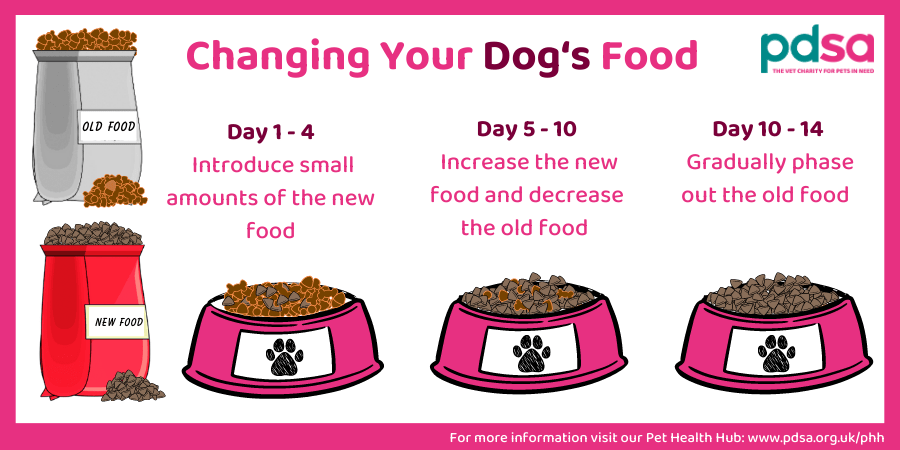
Changing your small dog’s food needs care. Sudden switches can upset their stomach. Follow these tips for a smooth change. Help your dog adjust without stress or health issues.
Gradual Introduction
Start by mixing a small amount of new food with old food. Increase the new food slowly over 7 to 10 days. This helps your dog’s digestion adjust. Avoid sudden changes that can cause diarrhea or vomiting.
Monitoring Health Changes
Watch your dog closely after changing food. Look for signs like vomiting, diarrhea, or lack of appetite. Check if your dog is more tired than usual. If problems appear, slow down the transition or consult a vet.
Adjusting Portions
Small dogs need different portion sizes than adults. Adjust the amount based on your dog’s age and activity. Avoid overfeeding to prevent weight gain. Use feeding guides on the food package as a start.

Credit: www.amazon.com
Frequently Asked Questions
Why Can’t Small Dogs Eat Adult Dog Food?
Small dogs have different nutritional needs than adult dogs. Adult dog food may lack essential nutrients for small dogs’ metabolism and size, causing health issues. Small dogs require food with higher calorie density and specific vitamins to support their energy and growth.
What Risks Come From Feeding Small Dogs Adult Food?
Feeding small dogs adult food can lead to nutrient imbalance. It may cause digestive problems, obesity, and joint issues. Adult food often has fewer calories and proteins, which might not meet the small dog’s energy demands, affecting their overall health.
How Does Adult Food Differ From Small Dog Food?
Adult dog food targets average-sized dogs with balanced nutrients. Small dog food is specially formulated with higher calories, smaller kibble, and more protein. This caters to their faster metabolism and smaller jaw size, ensuring better digestion and nutrient absorption.
Can Small Dogs Digest Adult Dog Food Properly?
Small dogs may struggle to digest adult dog food efficiently. The larger kibble size and nutrient composition can cause gastrointestinal discomfort. Specialized small dog food is easier to chew and digest, supporting their sensitive stomachs and energy requirements.
Conclusion
Small dogs need food made just for them. Adult dog food may not have the right nutrients. It can be too heavy or hard to digest. Feeding the wrong food can cause health problems. Keep your small dog healthy with proper diet choices.
Always choose food that fits their size and age. This helps them grow strong and stay active. Caring for your small dog means feeding them well. Simple steps lead to a happy, healthy pet.


