

Have you ever wondered what it really means to groom a dog? Grooming is more than just making your furry friend look good—it’s about keeping them healthy, happy, and comfortable.
Whether your dog has long, flowing fur or a short, sleek coat, proper grooming plays a key role in their overall well-being. You’ll discover exactly what grooming involves, why it’s so important, and simple tips you can use to make the process easier for both you and your pet.
Keep reading to unlock the secrets to a happier, healthier dog through grooming!
Benefits Of Regular Grooming
Regular grooming offers many benefits for dogs. It keeps them healthy and happy. Grooming is more than just making your dog look good. It plays a key role in their overall well-being. Here are some main benefits of regular grooming sessions.
Improved Coat Health
Brushing removes dirt and loose hair. It helps stop mats and tangles from forming. A clean coat shines and feels soft to touch. Grooming also spreads natural oils across the fur. These oils protect the skin and coat.
Early Detection Of Health Issues
Grooming lets you check your dog’s body closely. You can spot lumps, bumps, or skin problems early. Early discovery helps treat health issues faster. This can prevent serious problems later on.
Enhanced Comfort And Hygiene
Regular grooming keeps your dog clean and fresh. It stops bad smells and reduces shedding. Grooming also keeps nails trimmed and paws healthy. This makes your dog more comfortable every day.
Credit: www.metlifepetinsurance.com
Tools Needed For Grooming
Grooming a dog keeps your pet clean, healthy, and comfortable. It needs the right tools for best results. These tools help remove dirt, loose hair, and prevent mats. They also make grooming easier and safer for your dog.
Brushes And Combs
Brushes and combs remove loose fur and dirt from your dog’s coat. Different coat types need different brushes. For example, slicker brushes work well for long hair. Comb teeth help detangle and check for fleas. Regular brushing keeps skin healthy and shiny.
Clippers And Scissors
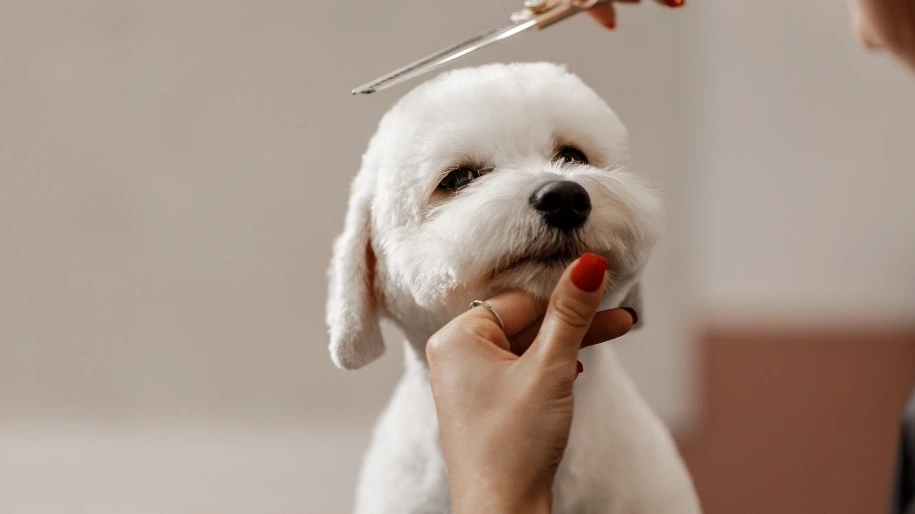
Clippers trim your dog’s hair quickly and evenly. Use scissors for delicate areas like around the eyes and paws. Sharp scissors help avoid pulling or hurting the dog. Choose clippers with quiet motors to keep dogs calm. Clean blades reduce skin irritation and cuts.
Shampoos And Conditioners
Shampoos clean your dog’s skin and coat. Pick shampoos made for dogs, not humans. Conditioners soften hair and reduce tangles after washing. Some products also help with dry skin or allergies. Always rinse well to avoid leftover soap on the skin.
Basic Grooming Steps
Basic grooming is essential for every dog’s health and happiness. It keeps their coat clean and skin healthy. Grooming also helps spot health issues early.
Regular grooming builds a strong bond between you and your dog. It makes your dog feel comfortable and loved. Follow these simple steps to keep your dog looking great.
Brushing Techniques
Brush your dog’s coat gently to remove dirt and loose hair. Use a brush suited for your dog’s fur type. Start brushing from the head and move toward the tail. Use short, soft strokes to avoid hurting your dog. Brush at least twice a week for short-haired dogs. Long-haired dogs need daily brushing to prevent mats.
Bathing Your Dog
Bath your dog only when needed, about once a month. Use warm water and dog-friendly shampoo. Wet your dog’s coat thoroughly before applying shampoo. Massage the shampoo gently into the fur and skin. Rinse well to remove all soap. Dry your dog with a towel or a low-heat dryer. Avoid water in the ears and eyes.
Nail Trimming Tips
Trim your dog’s nails carefully to avoid pain or bleeding. Use sharp nail clippers made for dogs. Hold the paw firmly and clip small amounts at a time. Stop trimming if you see a pink area called the quick. Trim nails every few weeks to keep them short. Reward your dog with praise or treats after trimming.

Credit: www.groomers-online.com
Special Care For Different Breeds
Different dog breeds need special care during grooming. Each breed has unique fur, skin, and shedding habits. Understanding these differences helps keep dogs healthy and happy.
Tailoring grooming routines to breed types makes a big difference. It protects their skin and coat. It also controls shedding and prevents discomfort.
Coat Types And Grooming Needs
Dogs have various coat types like short, long, curly, or double coats. Short coats need less brushing but regular baths. Long coats require daily brushing to stop tangles. Curly coats need special combs and careful trimming. Double coats shed heavily twice a year. They need extra brushing during these times.
Handling Sensitive Skin
Some breeds have sensitive skin that gets irritated easily. Use gentle shampoos made for sensitive skin. Avoid harsh chemicals and strong scents. Brush softly to avoid scratching. Check for redness or dryness often. Moisturizing sprays can help keep skin healthy.
Managing Shedding
Shedding varies by breed and season. Dogs with thick undercoats shed most in spring and fall. Brushing daily helps remove loose hair. Vacuum often to keep your home clean. Special de-shedding tools work well. Feeding a balanced diet also supports healthy skin and coat.
Common Grooming Mistakes To Avoid
Grooming a dog is important for their health and happiness. Many pet owners make common mistakes that can harm their pets or cause discomfort. Avoiding these errors helps keep your dog clean and safe. Below are some frequent grooming mistakes to watch out for.
Overbathing Risks
Bathing a dog too often can remove natural oils from their skin. This can cause dryness and itching. Most dogs only need a bath once a month. Use mild shampoo made for dogs to protect their skin. Too much water and soap can lead to skin problems.
Incorrect Nail Cutting
Cutting a dog’s nails too short can cause pain and bleeding. Nails have a quick, a sensitive part with blood vessels. Avoid cutting into the quick to prevent injury. Use proper nail clippers made for dogs. Trim nails slowly and carefully to keep your pet comfortable.
Ignoring Dental Care
Dental health is often overlooked during grooming. Poor dental care leads to bad breath and tooth problems. Brush your dog’s teeth regularly with dog-safe toothpaste. Check their mouth for signs of infection or damage. Healthy teeth improve overall well-being and quality of life.

Credit: bpanimalhospital.com
When To Seek Professional Grooming
Knowing when to seek professional grooming for your dog is important. Some grooming tasks are hard to do at home. Experts can handle tough coats and sensitive skin safely. They also spot problems early, like infections or parasites. Professional grooming keeps your dog healthy and comfortable.
Signs Your Dog Needs Expert Help
Look for mats or tangles that cause pain. Strong odor can mean skin issues. Excessive shedding or hair loss needs attention. Dirty ears or nails that grow too long are signs. If your dog resists grooming, a pro can help. These signs show it’s time to see a groomer.
Choosing The Right Groomer
Find a groomer with good reviews and experience. Check if they handle your dog’s breed well. A calm, clean place helps reduce stress. Ask about their tools and safety measures. Trust and comfort are key for your dog’s visit. Meeting the groomer first is a smart step.
Frequency Of Professional Visits
Dogs with long or thick coats need visits every 4-6 weeks. Short-haired dogs may need grooming every 8-12 weeks. Puppies and older dogs might require gentler, more frequent care. Seasonal changes can increase grooming needs. Follow your dog’s coat and skin condition for timing.
Frequently Asked Questions
What Does Grooming A Dog Involve?
Grooming a dog includes brushing, bathing, nail trimming, ear cleaning, and coat trimming. It keeps dogs clean, healthy, and comfortable. Regular grooming prevents matting and skin problems while promoting good hygiene and appearance.
How Often Should You Groom Your Dog?
Frequency depends on the dog’s breed, coat type, and lifestyle. Generally, dogs with long or thick fur need weekly grooming. Short-haired dogs may require grooming every few weeks. Regular checks help maintain cleanliness and detect health issues early.
Why Is Grooming Important For Dogs’ Health?
Grooming removes dirt, debris, and loose hair, preventing skin infections. It improves circulation and reduces shedding. Grooming also allows early detection of parasites, wounds, or abnormalities, contributing to overall dog wellness and comfort.
Can I Groom My Dog At Home Safely?
Yes, basic grooming like brushing and nail trimming can be done safely at home. Use proper tools and gentle techniques. For complex tasks like haircuts or ear cleaning, professional groomers are recommended to avoid injury.
Conclusion
Grooming a dog keeps pets healthy and happy. It helps prevent skin problems and matting. Regular brushing removes dirt and loose hair. Bathing keeps your dog clean and smelling fresh. Trimming nails stops pain and injury. Checking ears avoids infections early on.
Grooming also builds trust between you and your dog. It’s a simple way to show love and care. Start grooming routines slowly and be gentle. Your dog will enjoy the attention and comfort. Small efforts make a big difference in their life.


