

Are you wondering where you can groom your dog yourself without spending a fortune at the salon? Grooming your dog at home can save you money, strengthen the bond with your furry friend, and keep your pet looking great every day.
But finding the right place and setup to do it comfortably and safely can be tricky. You’ll discover practical spots and tips to groom your dog yourself, making the whole process easier and more enjoyable for both of you. Keep reading to find out how to turn grooming time into quality time!
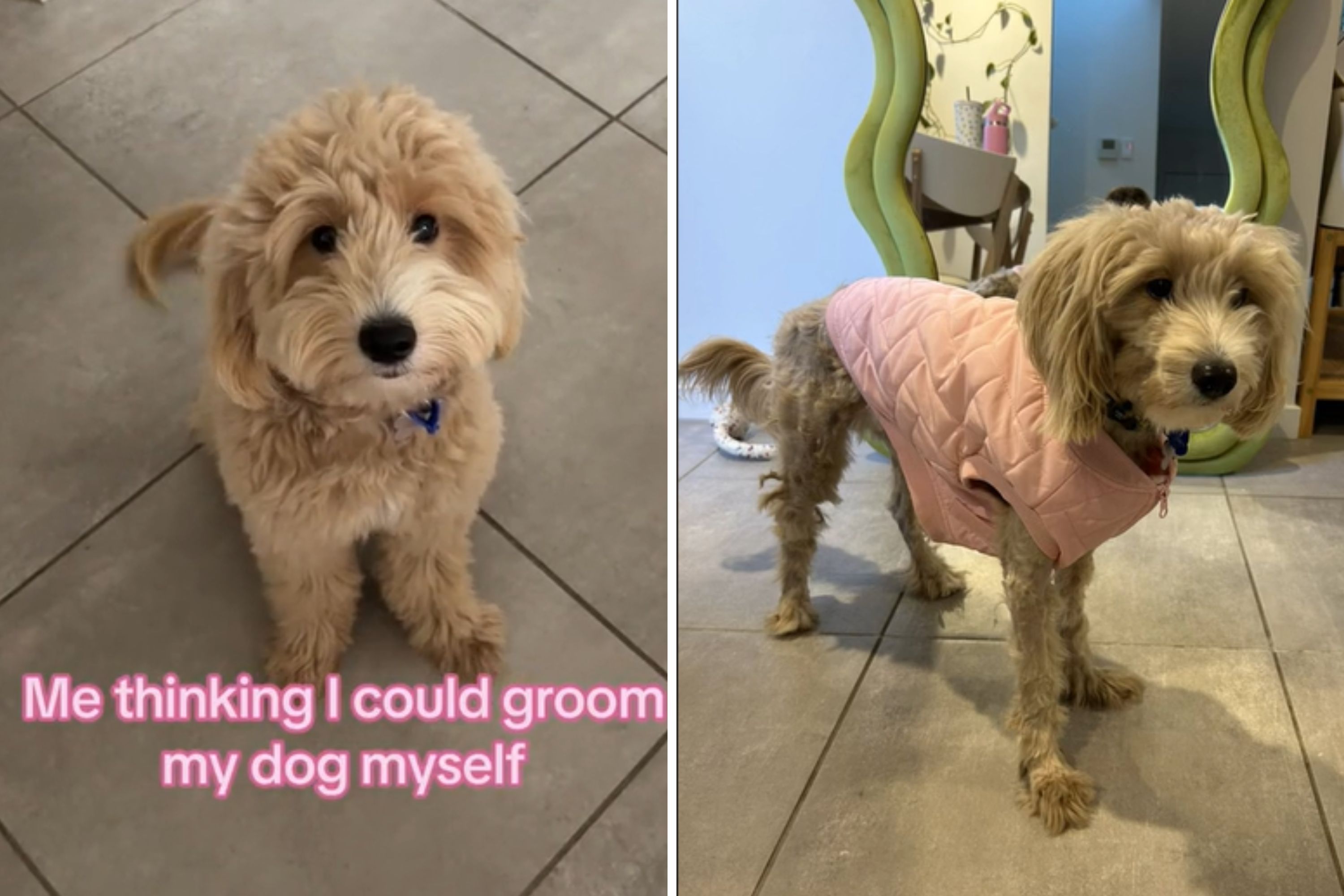
Credit: www.newsweek.com
Choosing The Right Space
Choosing the right space for grooming your dog makes the process easier and safer. A good spot helps keep your dog calm and comfortable. It also keeps your home clean and organized during grooming sessions.
Indoor Vs Outdoor Grooming Spots
Indoor spaces offer warmth and protection from weather. You can groom your dog any time without worrying about rain or wind. Bathrooms or laundry rooms work well because they have hard floors. These floors are easy to clean after grooming.
Outdoor spots give your dog fresh air and more room to move. A backyard or patio is good for bigger dogs. Outdoor grooming can reduce mess inside your home. But watch out for bugs and distractions that may bother your dog.
Setting Up A Grooming Station
Create a dedicated area for grooming tools and supplies. Keep brushes, scissors, and shampoos within reach. Use a non-slip mat or towel to keep your dog steady. A small table or raised surface helps protect your back. Keep treats nearby to reward your dog’s good behavior.
Ensuring Good Lighting And Ventilation
Bright light helps you see dirt and tangles clearly. Natural light is best, but a strong lamp works well too. Good airflow keeps your dog cool and reduces odors. Open windows or use a fan to keep air moving. Avoid areas with strong drafts that may scare your dog.

Credit: www.youtube.com
Essential Grooming Tools
Grooming your dog at home needs the right tools. The right tools make grooming easier and safer. Choose tools based on your dog’s coat type and size. Quality tools help keep your dog comfortable during grooming.
Brushes And Combs For Different Coats
Different coats need different brushes and combs. Use a slicker brush for curly or thick coats. A bristle brush works well for short, smooth fur. Combs help remove tangles and loose hair. Regular brushing reduces shedding and matting.
Clippers And Scissors Basics
Clippers trim thick or long hair quickly. Choose clippers with adjustable blades for control. Scissors are good for detailed trimming around face and paws. Use rounded-tip scissors for safety. Keep blades sharp to avoid pulling hair.
Bathing Supplies And Towels
Use dog-friendly shampoo to protect skin and coat. Avoid human shampoos as they can cause irritation. Have a non-slip mat in the bath to keep your dog steady. Use soft towels to dry your dog gently. A blow dryer on low heat works well for thick coats.
Bathing Your Dog At Home
Bathing your dog at home can be a simple and rewarding task. It helps keep your dog clean and healthy. Plus, it saves money and builds trust between you and your pet. With some preparation and care, you can make bath time pleasant for your dog.
Preparing The Bath Area
Choose a quiet, safe spot for the bath. Use a bathtub, sink, or a small basin. Place a non-slip mat to prevent slips. Gather all supplies before starting. Warm water is best, not too hot or cold. Keep towels and shampoo close by.
Selecting The Right Shampoo
Pick a shampoo made for dogs only. Human shampoo can hurt your dog’s skin. Look for gentle, hypoallergenic options for sensitive skin. Avoid shampoos with strong scents or harsh chemicals. Follow the instructions on the bottle carefully.
Drying Techniques
Use a soft towel to dry your dog first. Pat, do not rub, to avoid tangling fur. For long-haired dogs, you may need more towels. Use a hairdryer on low heat if your dog allows. Keep the dryer moving to prevent burns. Make sure your dog is fully dry before going outside.

Credit: www.reddit.com
Brushing And De-shedding Tips
Brushing and de-shedding are key parts of grooming your dog at home. Regular brushing keeps your dog’s coat healthy and shiny. It also helps reduce shedding around the house. De-shedding removes loose fur and prevents mats from forming. Learning the right techniques makes grooming easier for you and your dog.
Brushing Frequency And Techniques
Brush your dog often to keep their coat clean and smooth. Short-haired dogs need brushing once a week. Long-haired dogs may need brushing every day. Use gentle strokes to avoid hurting your dog’s skin. Brush in the direction of hair growth. Start slowly to help your dog get used to brushing. Pay attention to sensitive areas like behind the ears.
Handling Matted Fur
Matted fur can cause pain and skin problems. Use a detangling spray to soften mats before brushing. Hold the base of the mat close to the skin. Gently work through the mat with a comb or your fingers. Don’t pull hard to avoid hurting your dog. For tough mats, trim carefully with scissors or seek professional help.
Tools For Shedding Control
Choose the right tools for effective shedding control. Slicker brushes work well for removing loose fur. Undercoat rakes help reach deep layers of thick fur. De-shedding gloves collect loose hair while petting. Use tools suited to your dog’s coat type. Clean brushes regularly to keep them working well. Proper tools make grooming faster and more comfortable.
Nail Trimming Guide
Trimming your dog’s nails is key to their health and comfort. Long nails can cause pain and affect walking. Regular nail care keeps your dog happy and active. This guide helps you learn safe nail trimming at home. Follow these simple steps to care for your dog’s nails.
Choosing Nail Clippers
Select clippers designed for dogs. Avoid human nail clippers. Use scissors-style or guillotine clippers for better control. Make sure the clippers are sharp. Dull blades can crush the nail. Choose clippers based on your dog’s size. Small clippers for small dogs. Larger clippers for big dogs.
Safe Nail Cutting Techniques
Hold your dog’s paw gently but firmly. Cut small pieces of the nail at a time. Avoid cutting too close to the quick. The quick is the pink part inside the nail. It has blood vessels and nerves. Stop if you see a small black dot. That shows you are near the quick. Use a nail file to smooth rough edges after trimming.
Dealing With Nail Bleeding
Bleeding can happen if you cut the quick. Stay calm to keep your dog calm. Apply styptic powder or cornstarch to stop bleeding. Press gently on the nail tip for a few minutes. Use a clean cloth or cotton ball. If bleeding continues, contact your vet. Keep nail trimming tools clean to prevent infection.
Ear And Teeth Care
Taking care of your dog’s ears and teeth is important for their health. Clean ears prevent infections and pain. Healthy teeth keep your dog comfortable and avoid bad breath. Grooming these areas at home is simple with the right steps. Regular care helps your dog stay happy and active.
Cleaning Dog Ears Safely
Use a vet-approved ear cleaner for your dog’s ears. Apply the cleaner to a cotton ball or soft cloth. Gently wipe the inside of the ear flap and ear canal entrance. Avoid using cotton swabs deep inside the ear. Stop if your dog shows signs of pain. Clean ears once every two weeks or as needed.
Brushing Dog Teeth At Home
Choose a toothbrush and toothpaste made for dogs. Brush your dog’s teeth slowly and gently. Focus on the outside surfaces of teeth and gums. Start with short sessions and increase time as your dog gets used to it. Brush teeth two to three times a week for best results. This helps prevent plaque and tartar buildup.
Recognizing Signs Of Infection
Look for redness, swelling, or bad smell in ears. Check for discharge or your dog scratching ears often. In the mouth, watch for red gums, bleeding, or bad breath. Notice if your dog avoids chewing or shows discomfort. These signs mean it is time to visit the vet. Early treatment can stop problems from getting worse.
Hair Trimming And Styling
Trimming and styling your dog’s hair at home can save time and money. It also helps keep your pet comfortable and looking neat. With the right tools and basic skills, you can groom your dog easily. This section covers simple steps for hair trimming and styling.
Basic Clipper Usage
Choose a clipper made for pets. Use different blade sizes for length control. Start with a longer blade to avoid cutting too short. Turn the clipper on and move it with the hair’s direction. Keep the clipper clean and oil the blades often. Take breaks to avoid overheating the clipper and your dog.
Trimming Around Sensitive Areas
Areas like ears, paws, and face need extra care. Use scissors or a small clipper blade for these spots. Hold your dog gently but firmly to keep it still. Trim slowly and watch your dog’s reactions. Avoid cutting too close to the skin to prevent cuts and irritation.
Styling Tips For Different Breeds
Each breed has a unique coat type and style. Long-haired dogs need regular brushing before trimming. Short-haired dogs need less trimming but can benefit from shaping. Curly coats require clipping to avoid mats and tangles. Match the style to your dog’s breed and personality for the best look.
Safety Tips During Grooming
Grooming your dog at home can be a rewarding experience. It helps build trust and keeps your pet clean. Safety is very important during grooming. Careful steps protect both you and your dog. Follow these safety tips to make grooming safe and smooth.
Calming Nervous Dogs
Start grooming in a quiet place. Speak softly to your dog. Use gentle touches to ease stress. Take breaks if your dog seems scared. Offer treats to reward calm behavior. A relaxed dog is easier to groom.
Avoiding Common Grooming Injuries
Use sharp tools carefully. Dull clippers can pull hair and hurt skin. Keep your dog still to avoid cuts. Watch for sensitive areas like paws and ears. Trim nails slowly to prevent bleeding. Stop if your dog moves suddenly.
When To Stop And Seek Professional Help
Stop grooming if your dog is very anxious. Blood or injury needs a vet visit. Complex cuts or mats need expert care. Professionals know how to handle difficult grooming. Don’t risk your dog’s health or safety.
Maintaining Grooming Routine
Maintaining a regular grooming routine for your dog is key to keeping them healthy and happy. Grooming at home helps catch problems early and builds a strong bond between you and your pet. Consistency makes grooming easier for both of you.
Scheduling Regular Sessions
Set a fixed time for grooming each week or every two weeks. Choose a quiet place free from distractions. Short, frequent sessions work better than long, rare ones. This routine helps your dog get used to grooming and reduces stress.
Tracking Your Dog’s Coat Health
Watch your dog’s coat closely during each grooming. Look for signs like dryness, mats, or shedding. Note any changes in color or texture. Keeping a simple journal can help track these details. Early detection prevents bigger problems later.
Adapting Grooming As Your Dog Ages
Older dogs may need gentler grooming and more time. Their skin gets thinner and more sensitive with age. Adjust tools and techniques to avoid discomfort. Be patient and observe how your dog reacts. This care supports their comfort and well-being.
Frequently Asked Questions
Where Can I Groom My Dog At Home Safely?
You can groom your dog safely in a quiet, well-lit room with non-slip floors. Use grooming tools and keep water nearby. Avoid noisy areas to reduce stress and ensure comfort during grooming sessions.
What Equipment Do I Need For Diy Dog Grooming?
Essential tools include a brush, comb, dog clippers, nail trimmers, and pet-safe shampoo. Having a grooming table or mat helps keep your dog steady. Proper equipment ensures safe and effective grooming at home.
How Often Should I Groom My Dog Myself?
Grooming frequency depends on your dog’s breed and coat type. Generally, brushing 2-3 times a week and bathing every 4-6 weeks works well. Regular grooming keeps your dog clean, healthy, and comfortable.
Can I Groom My Dog Outdoors At Home?
Yes, grooming outdoors is possible in a shaded, calm area. It helps contain mess and provides good ventilation. Ensure your dog is secure and avoid harsh weather for a stress-free grooming experience.
Conclusion
Grooming your dog at home can be simple and rewarding. Choose a quiet spot with good light and all tools nearby. Regular brushing keeps your dog’s coat healthy and clean. Bath time can be fun with patience and gentle care.
Trim nails carefully to avoid hurting your pet. Small efforts create a strong bond between you and your dog. Start slow and learn as you go. Enjoy the time together while keeping your dog fresh and happy.


