
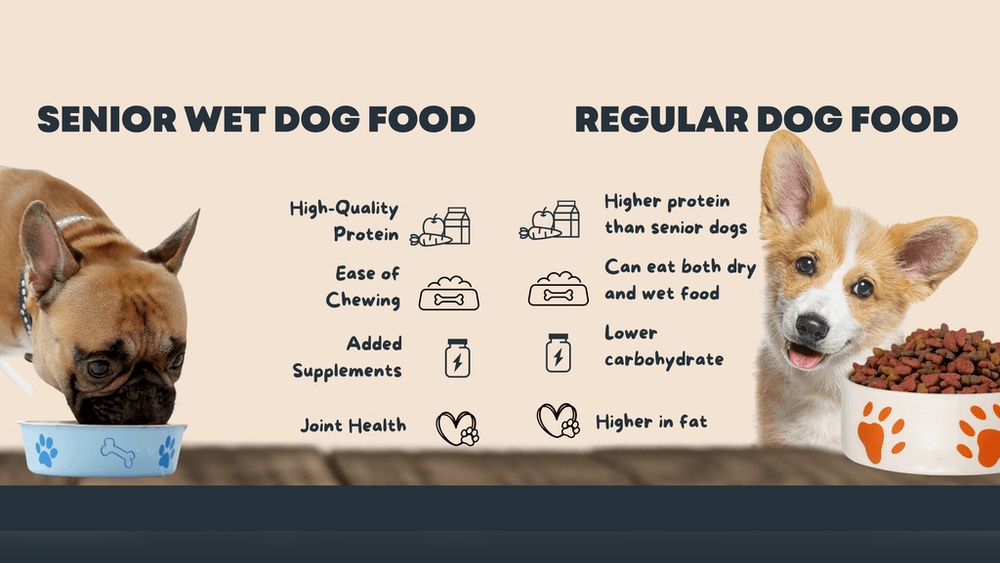
Are you wondering if your furry friend needs a change in diet as they grow older? Choosing the right food for your dog is more important than you might think.
Senior dog food and adult dog food may look similar, but they serve very different purposes for your pet’s health. Understanding these differences can help you keep your dog happy, energetic, and healthy for years to come. Keep reading to discover what sets senior dog food apart from adult dog food—and why it matters for your beloved companion.
Nutritional Needs
Senior dogs have different nutritional needs than adult dogs. Their bodies change as they age. These changes affect what they need from their food. Understanding these needs helps keep senior dogs healthy and happy.
Calorie Requirements
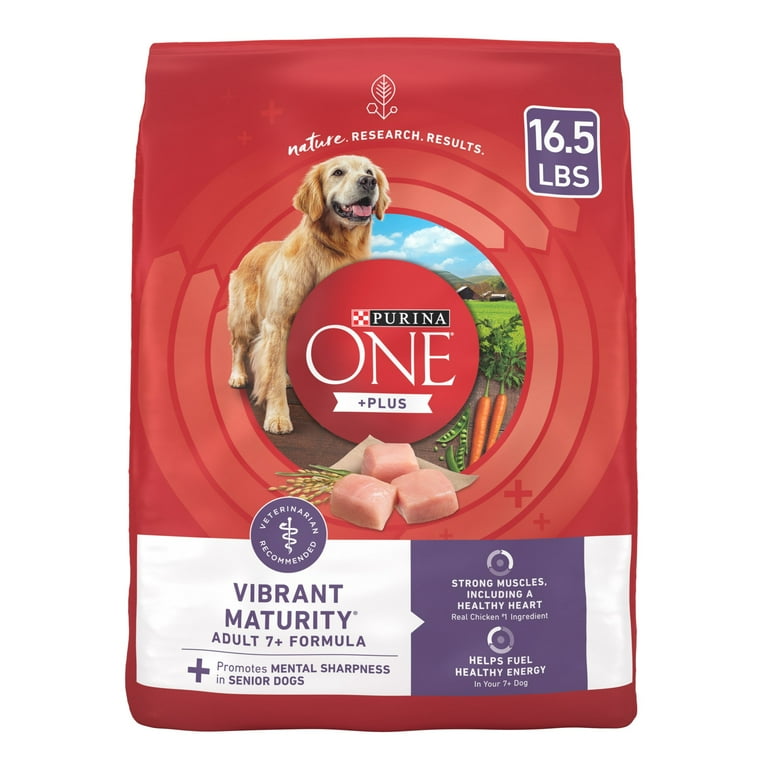
Senior dogs usually need fewer calories than adult dogs. Their activity level often drops. Extra calories can lead to weight gain. Senior dog food has fewer calories to prevent this problem. Maintaining a healthy weight supports joint health and energy.
Protein Levels
Protein helps build and repair muscles. Senior dogs need good protein quality but sometimes in different amounts. Some need more protein to keep muscles strong. Others need moderate protein to avoid kidney strain. Senior dog food balances protein carefully for aging bodies.
Fat Content
Fat provides energy and supports the skin and coat. Senior dogs may need less fat than adults. Too much fat can cause weight gain. Some fats, like omega-3, reduce inflammation and help joints. Senior dog food often includes these healthy fats in proper amounts.
Credit: www.walmart.com
Digestive Health
Digestive health plays a big role in the overall well-being of dogs, especially as they age. Senior dogs often have more sensitive stomachs and slower digestion. This makes their dietary needs different from adult dogs. Special senior dog food helps support better digestion and nutrient absorption. The ingredients focus on gentle care for the digestive system.
Fiber And Digestibility
Senior dog food usually has more fiber than adult dog food. Fiber helps move food smoothly through the digestive tract. It prevents constipation, which is common in older dogs. High fiber also supports healthy gut bacteria. Senior formulas use easily digestible ingredients. These reduce the effort the stomach must make. This means less stress on the digestive system and better nutrient uptake.
Probiotics And Prebiotics
Probiotics are good bacteria that help balance the gut. Senior dog foods often add probiotics to improve digestion and immune health. Prebiotics feed these good bacteria. They keep the gut environment healthy and active. Together, probiotics and prebiotics help senior dogs break down food better. They also reduce digestive discomfort and bloating. This combination supports a happier, healthier digestive system for older dogs.
Joint Support
Joint support is a key factor in senior dog food. Older dogs often face stiffness and pain in their joints. Proper nutrition can help keep their joints healthy and reduce discomfort. Senior dog food contains special ingredients that support joint health and improve mobility. These ingredients are usually not found in regular adult dog food.
Glucosamine And Chondroitin
Glucosamine and chondroitin are natural compounds found in senior dog food. They help repair damaged cartilage in joints. These supplements reduce inflammation and slow down joint wear and tear. Many vets recommend glucosamine and chondroitin for aging dogs. They work together to keep joints flexible and reduce pain.
Omega Fatty Acids
Omega fatty acids, especially omega-3s, play a vital role in joint health. They reduce inflammation in the joints and ease stiffness. Senior dog food often has added fish oil or flaxseed oil as sources of omega fatty acids. These fats also support the immune system and improve coat health. Omega fatty acids help older dogs move more comfortably every day.
Credit: www.akcpetinsurance.com
Weight Management
Weight management is a key difference between senior dog food and adult dog food. As dogs age, their metabolism slows down. They burn fewer calories and need less energy. If they eat the same amount as before, they may gain unwanted weight. Extra weight can cause health problems like joint pain and heart issues. Senior dog food helps control weight by adjusting calories and nutrients.
Calorie Control
Senior dog food often contains fewer calories than adult dog food. This helps prevent weight gain in older dogs. The food is made with balanced nutrients to keep dogs healthy. Lower calorie content supports a slower metabolism. It keeps dogs from getting too heavy. Proper calorie control maintains energy without overfeeding.
Portion Size Recommendations
Portion sizes for senior dogs differ from adult dogs. Senior dogs usually need smaller servings to avoid weight gain. Feeding guidelines on packaging suggest less food per meal. Adjust portions based on your dog’s activity level and health. Smaller portions with balanced nutrition help keep weight steady. This supports overall well-being in senior dogs.
Dental Care
Dental care is very important for senior dogs. Their teeth and gums need special attention. Senior dog food often includes features that help keep their mouth healthy. This is different from regular adult dog food. Good dental care can prevent pain and other health problems.
Kibble Texture
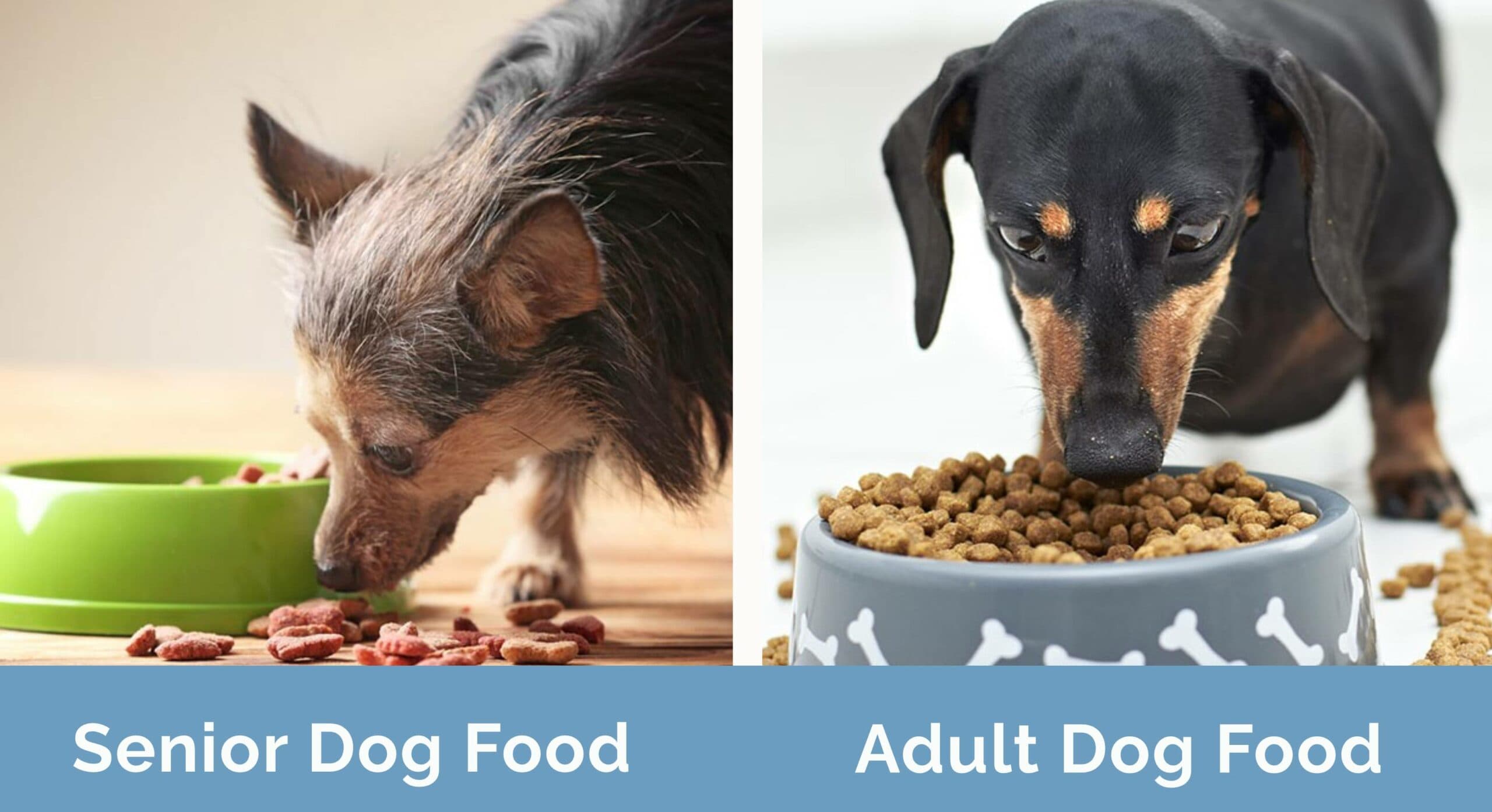
Senior dog food often has a different kibble texture. The kibble is usually softer or easier to chew. This helps older dogs with weaker teeth. Some kibbles are designed to clean teeth as dogs chew. This can reduce plaque and tartar build-up. Adult dog food kibble is usually harder and not made for dental cleaning.
Ingredients For Oral Health
Senior dog food contains special ingredients for oral health. These may include added vitamins and minerals. Ingredients like zinc support healthy gums. Some foods include enzymes that fight bacteria in the mouth. These help reduce bad breath and infections. Adult dog food may not have these extra dental benefits.
Credit: articles.hepper.com
Antioxidants And Immunity
Antioxidants play a key role in keeping senior dogs healthy. They help protect cells from damage caused by harmful molecules. This protection supports a strong immune system. Senior dog food often has more antioxidants than adult dog food. This helps older dogs fight illness and stay active.
Understanding the difference in antioxidants between senior and adult dog food helps pet owners choose the best diet. The focus is on vitamins, minerals, and natural antioxidants that support immunity.
Vitamins And Minerals
Senior dog food usually contains higher levels of vitamins C and E. These vitamins act as antioxidants. They help reduce cell damage and support immune function.
Minerals like zinc and selenium are also important. They boost immune response and help repair tissues. Adult dog food has these nutrients, but senior formulas often include more.
Natural Antioxidants
Natural antioxidants come from plant ingredients like blueberries, spinach, and carrots. Senior dog food often includes these to improve health.
These antioxidants reduce inflammation and protect brain cells. They help older dogs stay sharp and energetic. Adult dog food may have fewer natural antioxidants, focusing more on basic nutrition.
Flavor And Palatability
Flavor and palatability play a key role in a dog’s food choice. Senior dogs often have different taste needs than adult dogs. Their food must appeal to their changing senses. The food should be inviting and enjoyable to encourage eating. This section explains how senior dog food differs from adult food in taste and texture.
Taste Preferences
Senior dogs may prefer milder flavors. Their sense of taste can weaken with age. Strong or spicy flavors might be less appealing. Senior dog food often uses gentle, savory flavors. Adult dog food tends to have bolder tastes. These cater to more active dogs with stronger taste buds. Choosing the right flavor helps keep senior dogs interested in their meals.
Texture Variations
Texture is very important for senior dogs. They may have dental problems or weaker jaws. Soft, easy-to-chew food is common in senior formulas. This helps prevent discomfort while eating. Adult dog food usually has firmer kibble. The texture suits dogs with strong teeth. Senior food may also include moist or semi-moist options. These textures improve palatability and ease of eating for older dogs.
Choosing The Right Food
Choosing the right food for your dog is important for their health and happiness. Dogs have different needs as they age. Senior dogs need different nutrients than adult dogs. Picking the best food helps them stay strong and active.
Assessing Your Dog’s Needs
Look at your dog’s age, size, and activity level. Older dogs often need fewer calories but more fiber. They may need extra vitamins for joints and digestion. Watch for any health issues like weight gain or arthritis. These factors guide your food choice.
Consulting Your Veterinarian
Your vet knows your dog’s health best. Ask for advice on the right food type. They can recommend brands or formulas that suit your dog’s needs. Regular check-ups help adjust the diet as your dog grows older. Trust your vet’s advice to keep your dog healthy.
Frequently Asked Questions
What Is The Main Difference Between Senior And Adult Dog Food?
Senior dog food has lower calories and added joint support nutrients. Adult dog food is balanced for general health and energy needs.
Why Do Senior Dogs Need Special Food?
Senior dogs have slower metabolism and joint issues. Special food helps maintain weight and supports aging joints and digestion.
Can Adult Dog Food Be Given To Senior Dogs?
Adult dog food can be given temporarily. However, it may lack essential nutrients needed for senior dogs’ health.
What Nutrients Are Higher In Senior Dog Food?
Senior dog food contains more antioxidants, glucosamine, and omega-3 fatty acids. These support joint health and reduce inflammation.
Conclusion
Senior dog food and adult dog food serve different needs. Senior food supports aging joints and slower metabolism. Adult food helps maintain energy and muscle tone. Choosing the right food keeps your dog healthy and happy. Watch your dog’s behavior and health closely.
Adjust their diet as they grow older. Feeding the correct food helps them live longer. Simple changes make a big difference in their life. Always focus on what your dog needs now.


