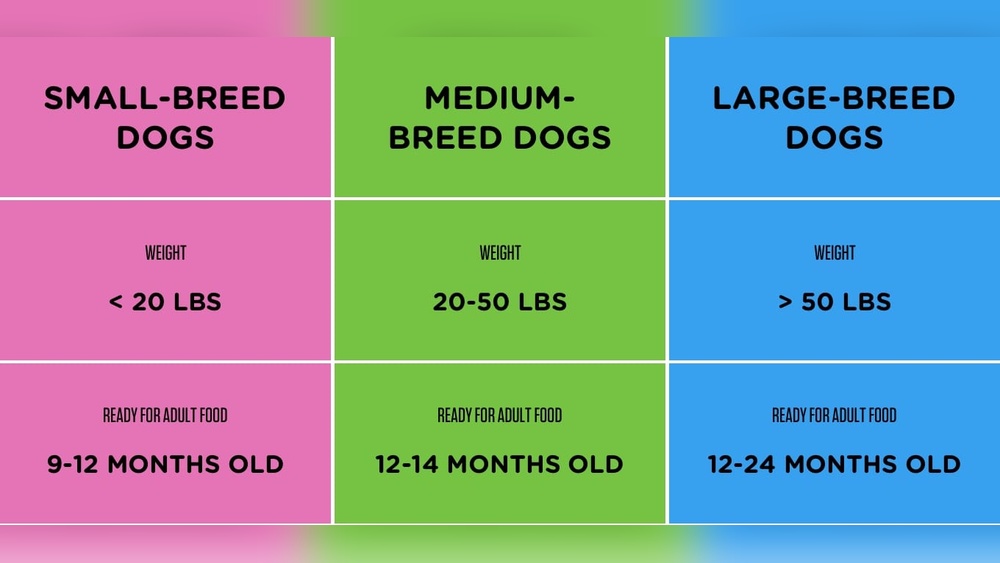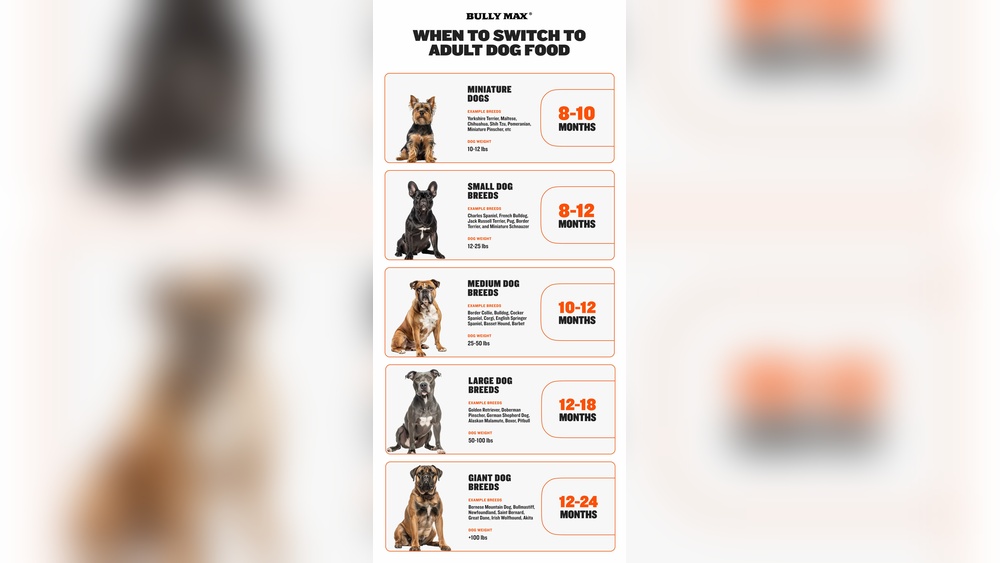
Are you wondering what happens if you give your puppy adult dog food? It might seem like a simple choice, but feeding your growing pup the wrong food can have surprising effects.
Your puppy’s health, energy, and development all depend on the right nutrition. If you want to keep your furry friend happy and strong, it’s important to know why puppy food and adult dog food are different—and what could go wrong if you mix them up.
Keep reading to discover the key facts every dog owner should know.

Credit: www.iams.com
Puppy Nutritional Needs
Puppies need special food to help them grow strong and healthy. Their bodies are still developing. They need the right mix of nutrients every day. Feeding them adult dog food does not meet these needs. It can affect their growth and health. Understanding what puppies require helps you choose the best food for them.
Essential Nutrients For Growth
Puppies need vitamins and minerals for healthy bones and teeth. Calcium and phosphorus are very important. They also need DHA, an omega-3 fatty acid. This helps brain and eye development. Balanced nutrients support strong muscles and a good immune system. Puppy food contains these in the right amounts.
Calorie Requirements
Puppies use a lot of energy to grow and play. They need more calories than adult dogs. Too few calories can slow their growth. Too many calories can cause obesity. Puppy food has extra calories to support their active lifestyle and growth needs.
Role Of Protein And Fat
Protein builds muscles and repairs tissues. Puppies need more protein than adult dogs. Fat gives energy and helps absorb vitamins. It also keeps their coat shiny and skin healthy. Puppy food has higher protein and fat levels to support rapid growth.

Credit: mcdavidbalkans.com
Differences In Adult Dog Food
Adult dog food differs a lot from puppy food. These differences matter for a puppy’s growth and health. Puppies need special care in their diet. Adult dog food does not meet these needs as well. Understanding these differences helps explain why feeding a puppy adult food is not ideal.
Nutrient Composition
Adult dog food has fewer nutrients for growth. Puppies need more protein and fat for muscle and brain development. Adult formulas have lower levels of these nutrients. Puppies fed adult food may miss essential vitamins and minerals. This can slow their growth and weaken their immune system.
Calorie Density
Puppies burn more energy than adult dogs. Their food must be calorie-dense to support this. Adult dog food usually has fewer calories. Feeding adult food to puppies may not give them enough energy. This can make puppies tired and less playful. Proper calories help puppies grow strong and active.
Additives And Ingredients
Adult dog food often contains fewer additives for joint and brain health. Puppies benefit from added DHA and antioxidants. These help brain development and protect cells. Some ingredients in adult food may be harder for puppies to digest. Puppy food is designed with gentler ingredients for young stomachs.
Potential Health Risks
Feeding a puppy adult dog food can cause several health problems. Puppies need special nutrients for their fast growth. Adult dog food does not meet these needs. This section explains the main risks to a puppy’s health from this mistake.
Digestive Issues
Puppies have sensitive stomachs. Adult dog food has more protein and fat. This can upset a puppy’s digestion. You may see diarrhea, vomiting, or constipation. Digestive problems can make puppies weak and tired. Proper puppy food helps avoid these issues.
Nutritional Deficiencies
Adult dog food lacks some important nutrients for puppies. Puppies need extra calcium and vitamins. These help build strong bones and teeth. Without these nutrients, puppies may grow weak. Nutritional gaps can cause long-term health problems. Puppy food is designed to fill these needs fully.
Impact On Growth And Development
Puppies grow quickly in their first months. They need balanced food to support this growth. Adult dog food may slow their development. Poor nutrition can lead to small size and weak muscles. It also affects brain and organ growth. Feeding the right food supports healthy, strong puppies.
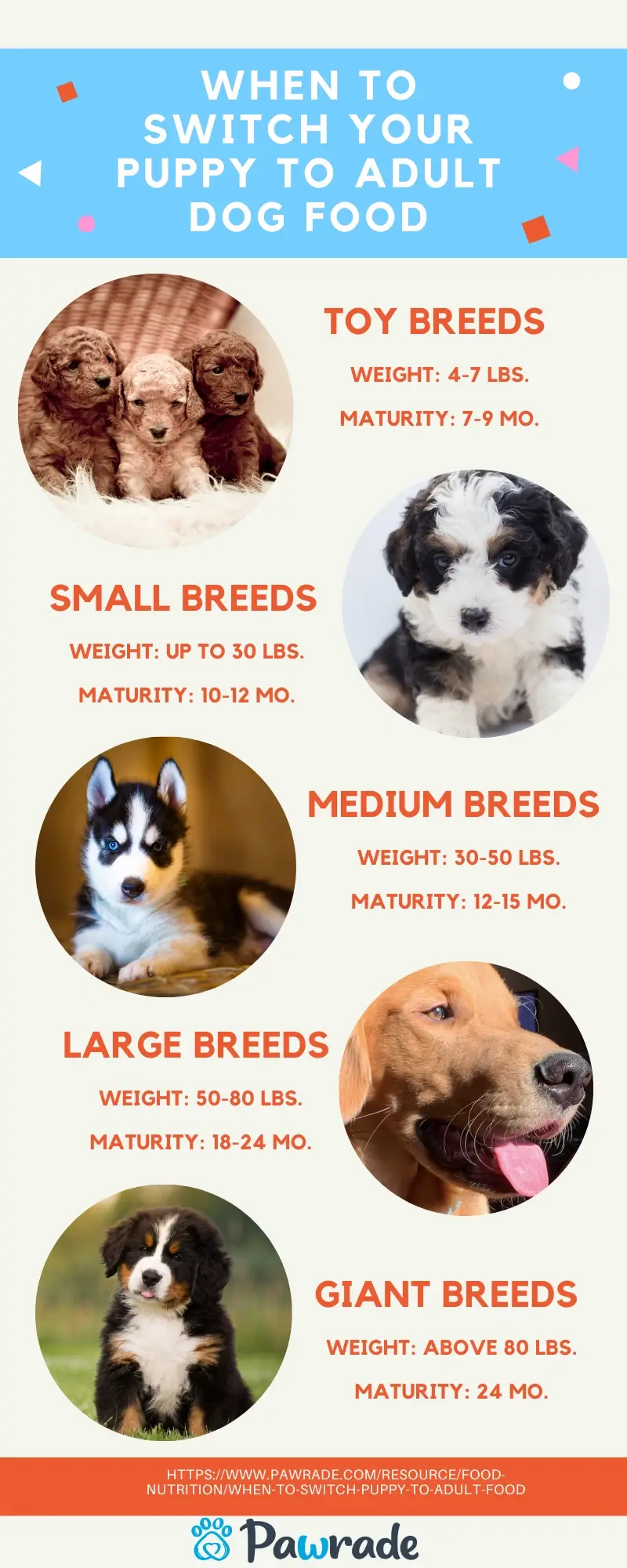
Credit: labiosthetique.ee
Behavioral And Long-term Effects
Feeding a puppy adult dog food can change how they behave and feel over time. Puppies need more nutrients to grow strong and healthy. Adult food lacks these essentials. This can affect their appetite, energy, and health as they age.
Appetite Changes
Puppies may eat less or seem hungry all the time. Adult dog food is less tasty and less rich for growing pups. This causes frustration and confusion during meal times. A puppy might refuse to eat or beg for more food.
Energy Levels
Puppies need lots of energy for playing and learning. Adult food has fewer calories and less fat. This can make puppies tired and less active. Low energy slows their growth and development.
Future Health Problems
Feeding adult food early can cause health issues later. Puppies may develop weak bones or poor muscle growth. Nutrient gaps raise risks of illnesses. Long-term feeding mistakes can affect their whole life.
Safe Feeding Practices
Feeding a puppy the right food is very important for healthy growth. Safe feeding practices help avoid stomach problems and nutritional gaps. Puppies need special nutrients that adult dog food may lack. Proper feeding supports their energy, bones, and immune system. Understanding how to choose and change foods keeps puppies happy and strong.
Choosing The Right Puppy Food
Puppy food contains more protein and fat than adult food. These nutrients help build muscles and provide energy. Look for foods labeled “complete and balanced” for puppies. Avoid giving adult food only, as it misses key nutrients. Puppy formulas support brain and bone development better than adult options.
Transitioning Foods Properly
Switching from puppy to adult food should be slow. Mix a small amount of new food with the old one. Gradually increase the new food over 7 to 10 days. This helps avoid stomach upset and diarrhea. Sudden changes can cause digestive problems and stress for the puppy.
Consulting A Veterinarian
A vet can guide you on the best feeding schedule and food type. They check your puppy’s health and growth progress. Vets may suggest special diets for certain breeds or health needs. Regular vet visits ensure your puppy’s diet meets all requirements. Always ask a vet before making big food changes.
Frequently Asked Questions
What Happens If A Puppy Eats Adult Dog Food?
Feeding a puppy adult dog food can cause nutritional imbalances. Puppies need more protein, fat, and calories for growth. Adult food lacks these essential nutrients, which may slow development and affect health. Occasional feeding might be okay, but regular use is not recommended for puppies.
Can Adult Dog Food Harm A Puppy’s Growth?
Yes, adult dog food can harm puppy growth. It lacks critical nutrients like DHA and calcium needed for bone and brain development. Feeding adult food may lead to weak bones, poor coat, and delayed growth. Puppies require specially formulated food to support their rapid growth stages.
How Long Can A Puppy Eat Adult Dog Food Safely?
A puppy should not eat adult dog food regularly. Short-term exposure might not cause major issues, but prolonged feeding is unsafe. Puppies need nutrient-rich food for proper growth, so switch to puppy food as early as possible. Consult your vet for the best feeding schedule.
Is Adult Dog Food Missing Nutrients For Puppies?
Adult dog food misses vital nutrients like higher protein, fat, and vitamins essential for puppies. These nutrients support energy, growth, and immune health. Using adult food for puppies can cause deficiencies, poor development, and health problems. Always choose food specifically labeled for puppies.
Conclusion
Feeding a puppy adult dog food can cause health problems. Puppies need special nutrients to grow strong and healthy. Adult food lacks these important vitamins and minerals. This can lead to poor growth and weak bones. It may also upset their stomach and digestion.
Always choose food made just for puppies. Proper nutrition helps your puppy thrive and stay happy. Taking care of their diet now prevents issues later. A healthy start means a healthy dog for life. Keep your puppy’s meals age-appropriate for best results.