

Are you wondering if a grain free diet is the right choice for your dog? You might have heard about it from other pet owners or seen it on store shelves, but what does it really mean?
Understanding what exactly a grain free diet for dogs involves can help you make the best decisions for your furry friend’s health. You’ll discover the true benefits, potential risks, and important facts that every dog owner should know. Keep reading to find out how this diet could impact your dog’s well-being.
Basics Of Grain Free Diets
A grain free diet for dogs means feeding food without grains like wheat, corn, or rice. Some dogs may have trouble digesting grains or have allergies. Grain free diets aim to reduce these problems by using different ingredients. These diets focus on proteins, vegetables, and other sources of carbohydrates instead of grains.
Many pet owners choose grain free food to support their dog’s health. It can help with digestion and skin problems. Understanding what grain free means and what ingredients are used helps you decide if this diet suits your dog.
What Grain Free Means
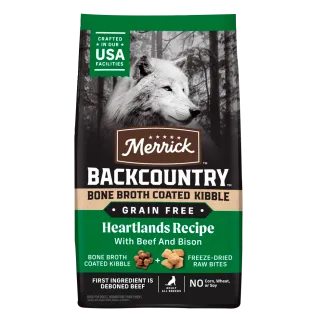
Grain free dog food does not contain common grains such as wheat, barley, or corn. The food uses other sources of energy and nutrients. These foods focus on meat, vegetables, and fruits. Grain free means no traditional cereal grains but still balanced nutrition for dogs.
Common Ingredients In Grain Free Dog Food
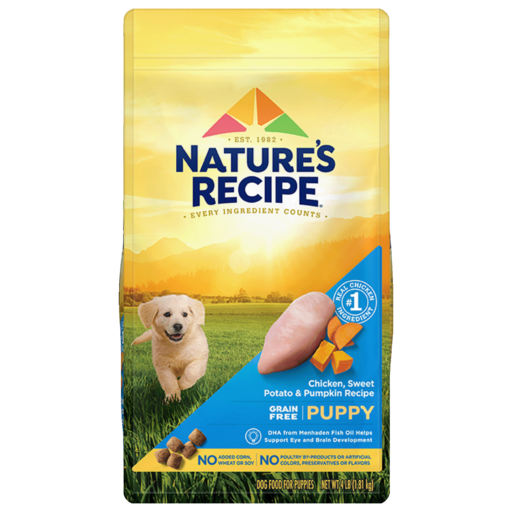
Grain free dog food often includes meats like chicken, beef, or fish. Vegetables such as sweet potatoes, peas, and carrots replace grains as carb sources. Fruits like apples or blueberries add vitamins and antioxidants. Other ingredients include legumes like lentils and chickpeas. These foods provide energy, fiber, and nutrients without grains.
Reasons For Choosing Grain Free
Choosing a grain free diet for dogs is becoming more common. Many pet owners want to improve their dog’s health. Grain free food removes wheat, corn, and other grains. This diet focuses on proteins and vegetables instead. Several reasons drive people to pick grain free dog food.
Allergies And Sensitivities
Some dogs have allergies to grains. These allergies cause itching, redness, or ear infections. Grain free diets can reduce these symptoms. Dogs with sensitive stomachs may also benefit. Removing grains helps avoid allergic reactions and discomfort.
Digestive Health Benefits
Grain free food can be easier to digest. Grains sometimes cause gas, bloating, or diarrhea. A diet rich in protein and low in grains supports better digestion. Dogs can absorb nutrients more efficiently. This leads to improved energy and overall health.
Trends And Popularity
Grain free diets are trending among dog owners. Many believe this diet is more natural for dogs. Pet food brands offer many grain free options now. This popularity influences more people to try grain free food. Awareness about dog nutrition keeps growing every year.
Comparing Grain Free To Traditional Diets
Comparing grain free to traditional diets helps pet owners decide what to feed their dogs. Both diets have unique features that affect a dog’s health. Understanding these differences is important for making the best choice.
Nutritional Differences
Traditional dog food often contains grains like rice, corn, or wheat. These provide energy and fiber. Grain free diets replace grains with vegetables, fruits, or legumes. They usually have more protein and fat. Some dogs digest grain free food better. Others do well with traditional diets. Nutrient balance depends on the brand and recipe.
Pros And Cons
Grain free diets may help dogs with grain allergies or sensitivities. They often have fewer fillers and artificial ingredients. Yet, some grain free foods can be higher in calories. This can cause weight gain if not managed. Traditional diets tend to be less expensive. They also have a long history of use. Some dogs may have trouble digesting grains. Each diet has benefits and drawbacks based on the dog’s needs.
Myths And Facts
Many believe all dogs must avoid grains for good health. This is not true. Most dogs digest grains without problems. Grain free does not always mean healthier. Some grain free foods contain more fat and calories. Not all grain free diets are grain allergy treatments. Talking to a vet helps clear up confusion. Facts matter for feeding the right diet.
Credit: www.merrickpetcare.com
Potential Risks And Concerns
Switching your dog to a grain free diet may seem healthy. Yet, it carries some risks and concerns worth knowing. Understanding these issues helps keep your dog safe and well-nourished.
Nutritional Deficiencies
Grains provide important nutrients like fiber, vitamins, and minerals. Removing grains can reduce these essential nutrients in the diet. Some grain free foods may lack balanced nutrition. This can lead to problems like poor digestion or weak bones.
Dogs need a variety of nutrients for good health. A grain free diet must be carefully planned. Otherwise, nutritional gaps can develop over time.
Dilated Cardiomyopathy (dcm) Link
Some studies suggest a link between grain free diets and heart disease. DCM is a serious heart condition seen in some dogs. It causes the heart to enlarge and weaken.
The exact cause is unclear, but some grain free ingredients may play a role. Taurine deficiency is one possible factor. Not all dogs on grain free diets get DCM, but the risk exists.
Veterinary Perspectives
Many vets advise caution with grain free diets. They recommend choosing foods with balanced nutrition. Regular check-ups are important to monitor your dog’s health.
Veterinarians stress that each dog is different. What works for one may not work for another. Always discuss diet changes with a professional.
Choosing The Right Grain Free Food
Choosing the right grain free food for your dog can seem tricky. Many options claim to be the best. It is important to pick a food that truly fits your dog’s needs. This means checking the ingredients and understanding what benefits them most. The right choice helps your dog stay healthy and happy.
Reading Labels
Start by reading the food label carefully. Look for the first few ingredients. They show what makes up most of the food. Meat or fish should be at the top. Avoid foods with many fillers or unknown additives. Make sure the label says “grain free” clearly. This confirms no grains like wheat, corn, or rice are included.
Quality Ingredients To Look For
Choose foods with real meat, like chicken or lamb. Whole vegetables and fruits add vitamins and fiber. Healthy fats such as fish oil support your dog’s skin and coat. Natural preservatives like vitamin E are better than artificial ones. A mix of protein, fat, and fiber helps keep your dog full and energized.
Avoiding Common Pitfalls
Not all grain free foods are healthy. Some use too many potatoes or peas as fillers. These can cause digestive problems if overused. Avoid foods with vague terms like “meat by-product” or “animal digest.” Also, watch for high fat levels that might upset your dog’s stomach. Check for recalls or bad reviews before buying.
Transitioning Your Dog’s Diet
Changing your dog’s diet to grain free needs care and patience. Sudden food changes can upset your dog’s stomach. A slow switch helps your dog adjust comfortably. Watch your dog closely during this time. Notice any changes in behavior or health.
Step-by-step Switching Process
Start by mixing 25% new grain free food with 75% old food. Feed this mix for three days. Then increase the new food to 50%. Continue this for another three days. Next, mix 75% new food with 25% old food. After three days, switch to 100% grain free food. This gradual change reduces stomach problems.
Monitoring Your Dog’s Reaction
Check your dog’s stool daily for changes. Look for signs of diarrhea or constipation. Notice if your dog shows less energy or appetite. Watch for itching or skin irritation. These signs may mean your dog struggles with the new diet. Keep notes to track any issues.
When To Consult A Vet
Contact your vet if your dog has severe stomach upset. Vomiting or constant diarrhea needs professional help. If your dog loses weight or acts very tired, see the vet. Skin problems that get worse also require a check-up. Your vet can suggest the best diet plan.
Homemade Grain Free Meals
Homemade grain free meals for dogs allow you to control what your pet eats. You can avoid grains like wheat, corn, and rice, which some dogs find hard to digest. Preparing meals at home also helps you provide fresh, natural ingredients without fillers.
Making food yourself ensures your dog gets healthy nutrients. You can tailor meals to your dog’s taste and needs. It also reduces the risk of allergies linked to grains.
Safe Ingredients For Dogs
Choose meats like chicken, beef, turkey, or fish. These provide protein and energy. Include vegetables such as carrots, green beans, and peas. They add fiber and vitamins. Use healthy fats like olive oil or fish oil for a shiny coat. Avoid onions, garlic, grapes, and chocolate, as these are toxic to dogs.
Balancing Nutrients At Home
Protein is the base of a grain free meal. Add vegetables for fiber and minerals. Include a small amount of fruit for vitamins. Use supplements like calcium or fish oil to meet daily needs. Keep portion sizes right for your dog’s weight and activity. Consult a vet to ensure balanced nutrition.
Sample Recipes
Try a simple chicken and vegetable stew. Cook chicken breast with carrots and green beans. Add a teaspoon of olive oil for fat. Another option is ground beef with pumpkin and peas. Cook everything until soft. Serve at room temperature. Store leftovers in the fridge for up to three days.
Credit: www.naturesrecipe.com
Future Of Grain Free Diets
The future of grain free diets for dogs is full of promise and change. More pet owners want to feed their dogs healthy and natural foods. This interest drives research and new ideas in dog nutrition. Grain free diets may evolve as we learn more about dog health and needs.
Ongoing Research
Scientists study how grain free diets affect dog health. They check if these diets help with allergies or digestion. Research also looks at risks linked to grain free foods. This work helps vets and pet owners make better choices.
Innovations In Dog Food
Dog food makers create new recipes without grains. They use ingredients like sweet potatoes and peas. These foods aim to provide good nutrition and taste. New methods also focus on making foods easier to digest.
Expert Predictions
Experts believe grain free diets will keep changing. They expect more balanced and safe options for dogs. Some think grain free will be part of a wider trend. Healthy, natural ingredients will likely stay important to pet owners.
Credit: www.aspca.org
Frequently Asked Questions
What Is A Grain Free Diet For Dogs?
A grain free diet excludes grains like wheat, corn, and rice. It focuses on proteins and vegetables, catering to dogs with grain allergies or sensitivities, promoting better digestion and skin health.
Why Choose Grain Free Dog Food?
Grain free dog food helps reduce allergies and digestive issues. It provides high protein and essential nutrients, supporting overall dog health and energy levels.
Are Grain Free Diets Safe For All Dogs?
Grain free diets are safe for most dogs but consult your vet first. Some dogs need grains for fiber and energy, so personalized advice is important.
How Does Grain Free Food Affect Dog Allergies?
Grain free food can reduce allergic reactions linked to grains. It often improves skin conditions and itching by eliminating common grain allergens.
Conclusion
A grain free diet for dogs means feeding them without grains like wheat or corn. This diet may help dogs with allergies or digestion issues. Not all dogs need grain free food, though. Always check with your vet before changing your dog’s diet.
Watch how your dog reacts to new food. Healthy eating supports your dog’s energy and well-being. Choose foods that suit your dog’s needs and lifestyle. Keep your dog happy and healthy with good food choices.


