Have you ever noticed a dog suddenly stop, lift one paw, and direct its nose toward something? That’s called “pointing,” and some dog breeds do it naturally.
If you’re curious about which dogs have this special skill and why they do it, you’re in the right place. Understanding pointing breeds can help you appreciate your dog’s behavior or even choose the perfect pet for your lifestyle. Keep reading to discover the fascinating world of pointing dogs and what makes them stand out from the rest.
Traits Of Pointing Dogs
Pointing dogs have special traits that make them unique. These dogs have strong instincts and behaviors that help them find and indicate game. They are focused, alert, and work well with their handlers. Their traits make them excellent hunting companions and loyal pets.
Understanding the behavior and training needs of pointing dogs helps owners get the best from these breeds.
Behavior And Instincts
Pointing dogs have a natural urge to find and point at game animals. They stop and hold a steady pose to alert hunters. This behavior is deeply rooted in their genetics. These dogs are very alert and focused on scents. They enjoy working outdoors and need plenty of exercise. Pointing dogs are usually calm at home but active during hunts. They rely on their strong sense of smell and keen eyesight. Their instincts make them patient and persistent hunters.
Training And Responsiveness
Pointing dogs respond well to consistent training. They learn commands quickly and enjoy mental challenges. Early training helps control their natural hunting drive. These dogs do best with positive reinforcement methods. They like praise and treats for good behavior. Training should start with basic obedience and build to hunting skills. Pointing dogs need clear, firm guidance from their owners. They thrive when given a job or task to do. Good training improves their focus and responsiveness in the field.

Credit: www.akc.org
Popular Pointing Breeds
Pointing breeds are known for their natural hunting skills. These dogs freeze and point to show where birds hide. Their sharp instincts and energy make them popular with hunters and families. Below are some of the most well-known pointing breeds.
German Shorthaired Pointer
The German Shorthaired Pointer is a strong and fast dog. It has a short coat that is easy to care for. This breed is smart and learns commands quickly. They enjoy running and playing outdoors. Their pointing style is steady and clear.
English Pointer
The English Pointer is famous for its elegance and speed. It has a lean body and a smooth coat. This breed points with a straight tail and a focused stare. They are very gentle and good with children. English Pointers also work well in many types of terrain.
Vizsla
The Vizsla is a medium-sized hunting dog with a golden rust coat. It is very loyal and loves being close to people. Vizslas have a soft pointing style and great endurance. They need lots of exercise to stay happy and healthy. These dogs make excellent companions for active owners.
Brittany Spaniel
The Brittany Spaniel is smaller than other pointers but very energetic. It has a wavy or flat coat that is easy to groom. This breed points with enthusiasm and is quick to find birds. Brittanys are friendly and get along well with other pets. They do best in homes with space to run.
How Pointing Dogs Alert
Pointing dogs have a special way of alerting hunters to the presence of game. They use clear signals to show where birds or other prey are hiding. These signals help hunters spot the target without scaring it away. Understanding how pointing dogs alert is key to working well with them in the field.
Body Language Signals
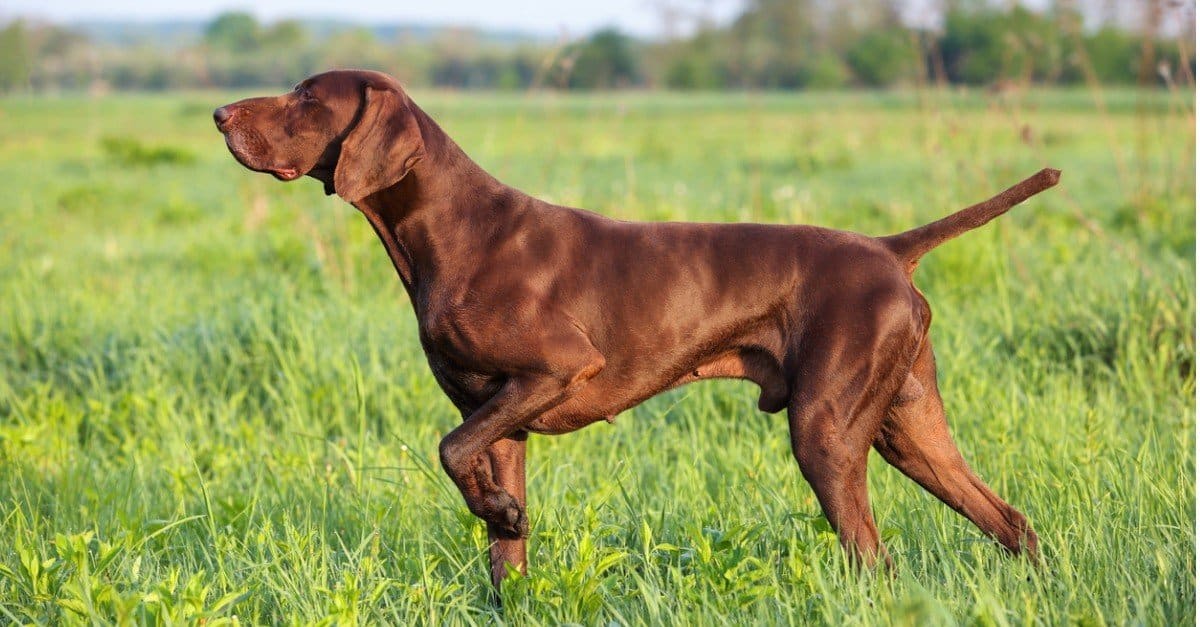
Pointing dogs freeze in a strong, steady stance. They stretch one front paw forward, pointing toward the prey. Their bodies become rigid and their tails often stand straight. The dog’s head lifts, eyes focused on the target. This stillness tells the hunter exactly where to look. The dog stays silent but very alert.
Vocal Alerts
Some pointing dogs add soft barks or quiet whines. These sounds can signal excitement or urgency. The dog uses vocal alerts carefully to avoid scaring the game. Usually, the dog stays calm but uses quiet noises to communicate. This helps hunters know the dog has found something without disturbing the prey.
:strip_icc()/pointer-dog-breeds-4799079-hero-9eab4fec475940d688941336b4be0b4b.jpg)
Credit: www.thesprucepets.com
Choosing The Right Pointing Dog
Choosing the right pointing dog means finding a breed that fits your daily life and needs. Pointing dogs are active and smart. They need care and attention to stay happy. Picking a dog that matches your lifestyle helps you both enjoy your time together. Think about your home, work, and free time before choosing.
Lifestyle Compatibility
Pointing dogs love being part of your daily routine. They enjoy spending time outside and exploring new places. A busy lifestyle with little free time may not suit them well. These dogs need interaction and mental challenges. A calm home with quiet days may not keep them happy. Choose a breed that matches your activity level. Some pointing dogs need more attention than others. Knowing your limits helps find the best match.
Exercise Needs
Pointing dogs require regular exercise to stay healthy. They enjoy long walks, runs, and playtime. Lack of exercise can cause restlessness and bad behavior. These dogs have high energy and need daily physical activity. Some breeds need more exercise than others. Consider your ability to provide this time. A pointing dog with enough exercise is calm and content. Plan your daily schedule to include play and walks.
Training Tips For Alertness
Training alertness in pointing dog breeds helps them perform their natural duties well. These dogs have a strong instinct to locate and point at game. Training can sharpen this natural skill and improve focus. Simple, clear methods work best for these intelligent dogs.
Encouraging Natural Instincts
Start by letting your dog explore outdoor scents. Use short training sessions to build interest. Reward your dog when it shows focus on a scent or object. Practice in different places to keep the dog alert. Avoid forcing the dog; let it work at its own pace.
Positive Reinforcement Methods
Use treats and praise to reward good behavior. Always reward your dog right after it points or stays alert. Keep training fun and short to keep the dog interested. Avoid punishment; it can make your dog fearful. Consistency in rewards builds a strong alertness habit.
Credit: a-z-animals.com
Frequently Asked Questions
What Does It Mean When A Dog Points?
Pointing means a dog instinctively freezes and aims its nose at prey. It is common in hunting breeds. This behavior helps hunters locate game birds.
Which Dog Breeds Are Natural Pointers?
Breeds like English Pointers, German Shorthaired Pointers, and Vizslas are natural pointers. They have strong hunting and scent-tracking instincts, making them excellent field dogs.
How Can You Train A Dog To Point?
Training involves positive reinforcement and exposure to scents. Start with basic obedience, then introduce pointing commands. Consistent practice helps dogs understand and perform the pointing behavior.
Why Do Some Dogs Point Without Training?
Pointing is an instinct in some breeds. Dogs bred for hunting often exhibit this behavior naturally. It helps them detect and indicate prey to hunters.
Conclusion
Dogs that point have a special way of showing where to look. These breeds use their body to guide hunters or owners. Knowing which dogs point helps you understand their behavior better. Each pointing breed has unique traits and skills.
They make great companions for active families and hunters. Watching a pointing dog is fun and fascinating. These dogs use instinct and training to do their job well. Choosing a pointing breed means enjoying both work and play. Their pointing skill is natural and easy to recognize.
Understanding this helps you appreciate these dogs more.