

Are you curious about which dog breeds are often labeled as aggressive? Understanding aggressive dog breeds can help you make better choices for your family, home, and lifestyle.
Whether you’re thinking about bringing a dog into your life or just want to know how to stay safe around certain dogs, this guide will give you clear and simple answers. Keep reading to discover what makes some breeds more prone to aggression and how you can handle them with confidence.
Your safety and peace of mind start here.
Traits Of Aggressive Dog Breeds
Aggressive dog breeds show certain traits that make them stand out. These traits help us understand why some dogs act more aggressively than others. Knowing these traits can guide owners to handle their pets better.
Traits vary from one dog to another but often include patterns in behavior, genetics, and environment. Each plays a key role in shaping a dog’s nature and reactions.
Common Behavioral Signs
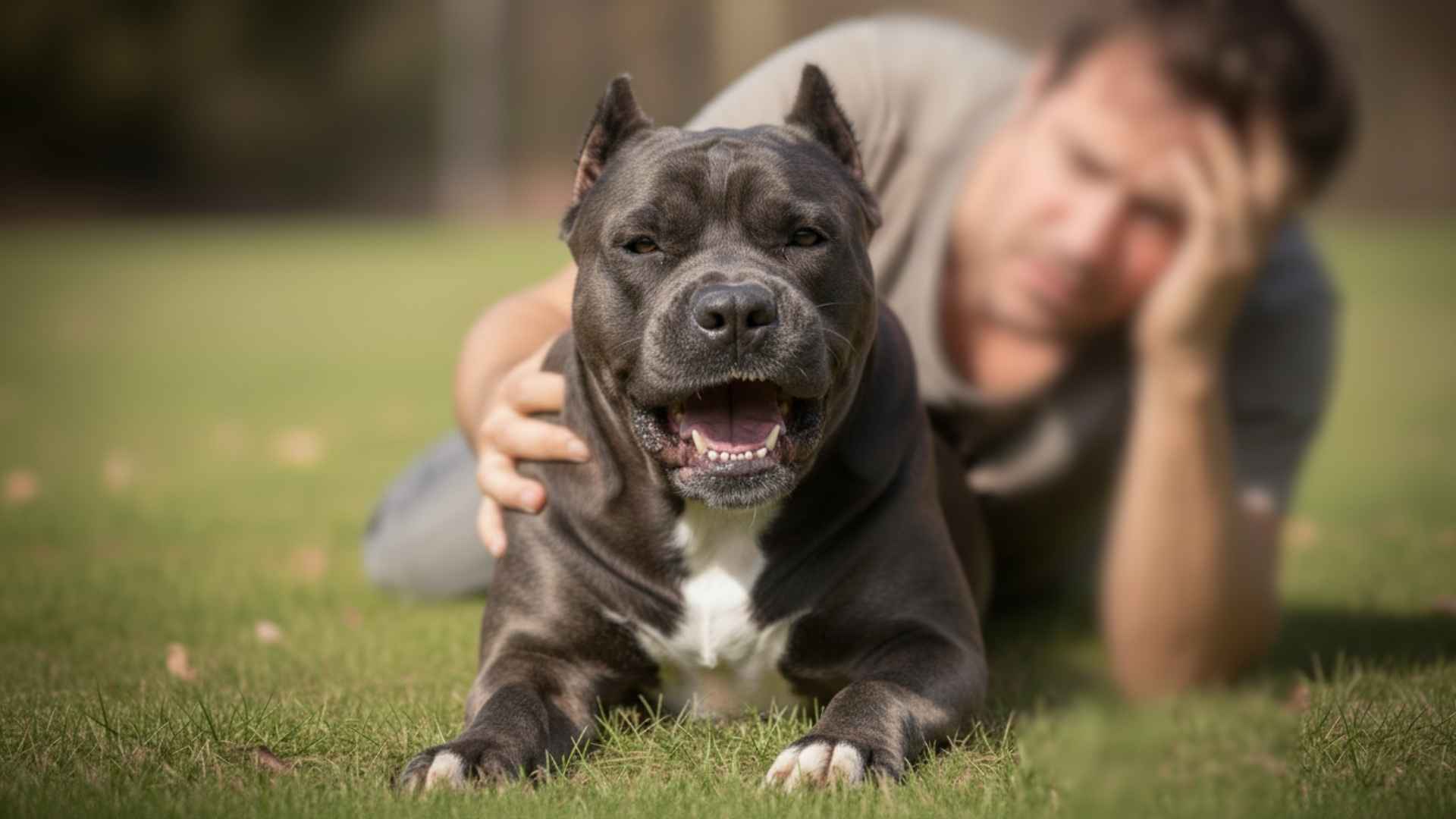
Aggressive dogs often show warning signs before biting. Growling, snapping, and stiff body posture are common signals. They may also bark loudly or stare intensely. These behaviors warn others to keep their distance. Recognizing these signs early helps prevent accidents.
Genetic Influences
Some breeds inherit traits that make them more prone to aggression. These traits come from their ancestors, who used to guard or hunt. Genetics affect their temperament and energy levels. Still, genes alone do not decide a dog’s behavior fully. Proper training and care play big roles too.
Environmental Factors
A dog’s surroundings impact its behavior greatly. Stress, lack of socialization, or harsh treatment can increase aggression. Dogs raised in loving homes with good training tend to be calmer. Environments full of noise or threats also affect how dogs react. A stable, safe place helps reduce aggressive behaviors.
Credit: www.newsweek.com
Top Fierce Dog Breeds
Some dog breeds are known for their strong, fierce nature. These dogs often serve as protectors or working dogs. Their strength and alertness make them stand out. Understanding these breeds helps in handling them safely and responsibly.
Pit Bull Terrier
Pit Bull Terriers have a powerful build and high energy. They are loyal but need firm training. Their strong jaws and determination give them a fierce reputation. Proper socialization can help control their aggression.
Rottweiler
Rottweilers are large and muscular dogs. They are natural protectors with a confident attitude. This breed is very loyal to family members. Training and socializing from a young age is important.
German Shepherd
German Shepherds are smart and highly trainable. They often work in police and military roles. Their protective nature can seem fierce to strangers. Early training helps them stay calm and obedient.
Doberman Pinscher
Dobermans are sleek and fast dogs. They are alert and fearless by nature. This breed is known for strong guarding instincts. They need plenty of exercise and mental stimulation.
Chow Chow
Chow Chows have a thick, lion-like mane. They can be aloof and protective of their space. This breed is independent and sometimes stubborn. Early socialization is key to reduce aggression.
Reasons Behind Aggressiveness
Aggressiveness in dog breeds often puzzles many pet owners. Understanding the reasons behind this behavior helps manage and reduce it. Aggression is not always about the breed itself. Many factors can influence a dog’s aggressive actions. These reasons often relate to the dog’s environment and experiences.
Lack Of Training
Dogs need clear rules and guidance. Without training, dogs can develop bad habits. Aggressiveness can arise from confusion or lack of control. Training teaches dogs how to behave around people and other animals. It also helps them feel secure and safe.
Poor Socialization
Socialization means exposing dogs to different situations and beings. Dogs that miss this learning can feel threatened easily. They may react with fear or aggression to new people or places. Proper socialization helps dogs stay calm and friendly in various settings.
Fear And Anxiety
Fear is a common cause of aggression in dogs. When dogs feel scared, they may bite or growl to protect themselves. Anxiety can also trigger aggressive behavior. Stressful or loud environments can increase a dog’s fear, leading to aggression.

Credit: www.womansday.com
Managing Aggressive Dogs
Managing aggressive dogs requires patience, care, and the right approach. These dogs need clear guidance and firm boundaries. Proper management helps reduce risks and improves their behavior. It also builds trust between the dog and owner.
Understanding how to handle aggressive dogs is key. Training, behavior modification, and safe handling practices all play important roles. Each method supports the dog’s growth and safety.
Effective Training Techniques
Training must focus on consistency and positive reinforcement. Reward good behavior with treats or praise. Avoid punishment as it can increase aggression. Use short, clear commands that the dog can understand. Training sessions should be brief but regular. Socialization with other dogs and people helps reduce fear and aggression.
Professional Behavior Modification
Some dogs need expert help to change their behavior. Professional trainers use special techniques to address aggression. They observe the dog’s triggers and create a plan. This plan may include desensitization and counter-conditioning. Experts guide owners on how to handle difficult situations. Behavior modification takes time but can be very effective.
Safe Handling Practices
Always use safety tools like strong leashes and muzzles if needed. Stay calm and confident around the dog. Avoid sudden moves or loud noises. Never leave aggressive dogs alone with strangers or children. Keep the dog in a secure area to prevent escapes. Knowing body language helps spot warning signs early.
Myths About Fierce Dog Breeds
Many people believe some dog breeds are naturally aggressive. This idea creates fear and misunderstanding. Aggressiveness depends on many things, not just breed. Let’s explore common myths about fierce dog breeds.
Breed Vs. Behavior
People often think certain breeds are born aggressive. Science shows behavior depends on training and environment. Dogs learn how to act from their owners and surroundings. Genetics play a small role compared to care and socialization.
Media Influence
News and movies often show specific breeds in bad situations. This makes people fear those breeds more. Stories about attacks usually mention the breed, not the cause. Media shapes opinions but does not tell the full story.
Responsible Ownership
Good owners help dogs behave well. Training, love, and attention reduce aggression. Neglect or abuse makes any dog act out. Teaching owners about care is key to safer dogs and happier homes.
Choosing The Right Dog
Choosing the right dog is important for a happy home. Dogs have different needs and personalities. Picking a dog that fits your life helps both you and the dog. This is especially true for breeds known to be more aggressive. Understanding your options can prevent problems and build a strong bond.
Assessing Temperament
Temperament means how a dog behaves and reacts. Some breeds are naturally more protective or bold. Watch how a dog acts around people and other pets. Calm, friendly dogs suit families better. Aggressive breeds need careful handling and training.
Matching Lifestyle
Your daily routine affects your dog’s happiness. Active dogs need lots of exercise and playtime. Quiet dogs prefer calm homes. Aggressive breeds often need more attention and structure. Choose a dog that fits your time and energy.
Commitment To Care
Every dog needs love, training, and health care. Aggressive breeds may need extra training and socializing. Be ready for patience and effort. Consistent care helps dogs behave well and stay healthy. This commitment creates a strong bond with your pet.
Credit: worldanimalfoundation.org
Frequently Asked Questions
What Defines An Aggressive Dog Breed?
Aggressive dog breeds often show strong protective instincts and high energy. Their behavior depends on training, socialization, and environment. Genetics play a role, but proper care can reduce aggression risks.
Which Dog Breeds Are Known For Aggression?
Breeds like Pit Bulls, Rottweilers, and German Shepherds often top aggressive dog lists. However, aggression varies by individual dogs and their upbringing, not just breed alone.
How Can I Manage An Aggressive Dog Breed?
Consistent training, early socialization, and positive reinforcement are key. Regular exercise and mental stimulation reduce aggressive tendencies in these breeds effectively.
Are Aggressive Dog Breeds Dangerous As Pets?
Aggressive breeds require experienced owners who understand their needs. With proper care and training, they can be loyal, loving pets and protectors.
Conclusion
Aggressive dog breeds need careful handling and training. Knowing their traits helps keep everyone safe. These dogs can be loyal and loving with proper care. Understanding their behavior reduces risks and builds trust. Every dog is unique, not just their breed.
Patience and respect make a big difference. Choose a dog that fits your lifestyle well. Safety and kindness go hand in hand with dogs. Always learn and grow as a responsible dog owner.

