

Have you ever wondered just how many dog breeds there really are? Whether you’re thinking about adding a furry friend to your family or just curious about the amazing variety of dogs out there, knowing the number of breeds can open up a whole new world for you.
From tiny pups to giant companions, each breed has its own unique traits and charm. Keep reading, and you’ll discover surprising facts that might help you find the perfect dog that fits your lifestyle and personality. Your next best friend could be one breed away!
Global Dog Breed Count
The global dog breed count shows a wide variety of dogs worldwide. Different groups and clubs identify and register dog breeds. The number changes depending on the source and region. Each breed has unique traits and history. This diversity makes dogs popular companions everywhere.
Understanding the total number of dog breeds helps dog lovers and breeders. It also shows how dogs have adapted to many roles and climates. The count is not fixed because new breeds appear, and some are not officially recognized yet.
Official Breed Registries
Official dog breed registries list recognized breeds. The American Kennel Club (AKC) recognizes around 200 breeds. The Fédération Cynologique Internationale (FCI) lists over 340 breeds globally. Each registry has rules for breed recognition. These groups keep breed standards and records.
Variations In Breed Recognition
Breed recognition varies by country and organization. Some breeds accepted in one country may be unknown elsewhere. Local culture and history affect recognition. This causes differences in the total breed count. Not all registries agree on new or rare breeds.
Emerging Breeds Worldwide
New dog breeds are emerging worldwide. Breeders create these by mixing existing breeds. Some breeds gain popularity and formal recognition over time. Others remain local and less known. The dog breed count will keep changing as new breeds appear.
Credit: www.newsweek.com
Categories Of Dog Breeds
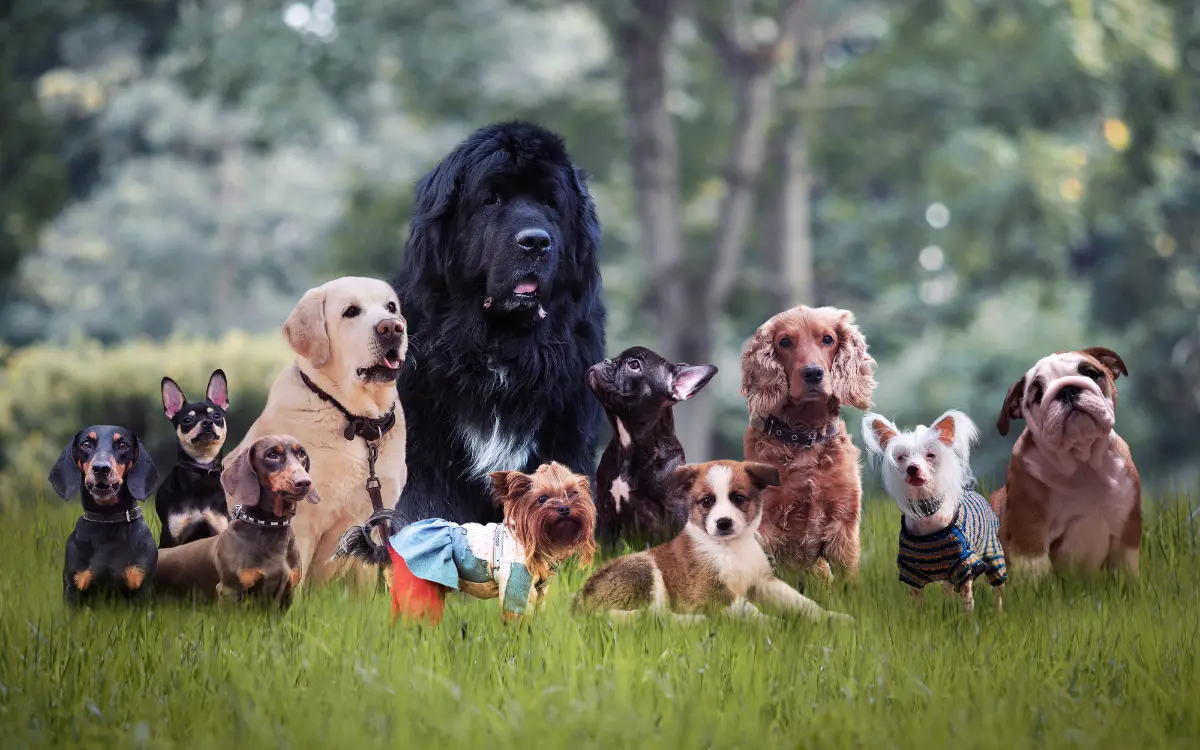
Dog breeds come in many types, each with unique traits. These categories help organize breeds by their original jobs and behaviors. Knowing these groups makes it easier to find the right dog for your home and lifestyle.
Sporting Dogs
Sporting dogs are active and love water. They help hunters by finding and retrieving game. Examples include retrievers and spaniels. These dogs need lots of exercise and mental work.
Working Dogs
Working dogs are strong and smart. They guard, pull sleds, and do rescue work. Breeds like the Boxer and Rottweiler belong here. They require training and space to stay happy.
Hound Dogs
Hound dogs track scents or chase prey. They have great noses and stamina. Examples include Beagles and Bloodhounds. Many are vocal and need daily walks.
Terriers
Terriers are small but brave. They were bred to hunt vermin. Breeds include the Jack Russell and Bull Terrier. These dogs are energetic and love digging.
Toy Dogs
Toy dogs are small and make great companions. They need less exercise but enjoy playtime. Examples are Chihuahuas and Pomeranians. Perfect for apartment living.
Non-sporting Dogs
Non-sporting dogs are diverse in size and shape. They have various coats and temperaments. Breeds like Bulldogs and Dalmatians fit here. They need regular care and training.
Herding Dogs
Herding dogs guide and protect livestock. They are intelligent and quick learners. Border Collies and Australian Shepherds are well-known examples. These dogs need tasks to stay focused.
Factors Influencing Breed Diversity
Breed diversity in dogs results from many key factors. Each factor shapes the unique traits and types of dogs we see today. Understanding these helps explain why there are so many dog breeds worldwide.
Geographic Distribution
Dogs adapted to different regions over time. Climate, terrain, and available food influenced their features. For example, cold climates favored thick fur coats. Desert areas led to leaner bodies and heat tolerance. These geographic differences created unique breeds in various parts of the world.
Historical Breeding Practices
Humans bred dogs for specific traits through centuries. Selective breeding helped emphasize size, shape, or behavior. Some breeds were crossed to combine skills or looks. This careful breeding increased the number of distinct breeds. Each breed carries the history of human choices and needs.
Purpose And Function
Dogs were bred for work, companionship, or protection. Hunting dogs needed speed and sharp senses. Herding dogs required intelligence and control. Some breeds served as guard dogs with strength and alertness. These roles shaped physical and mental traits, adding to breed variety.

Credit: www.amazon.com
Rare And Exotic Breeds
Rare and exotic dog breeds add great diversity to the world of dogs. These breeds often have small populations and unique histories. Many come from specific regions or cultures. They may not be well known but have special qualities. Some face risks of extinction. Others have strange shapes or skills that make them stand out. Exploring these breeds shows how wide the dog family really is.
Endangered Breeds
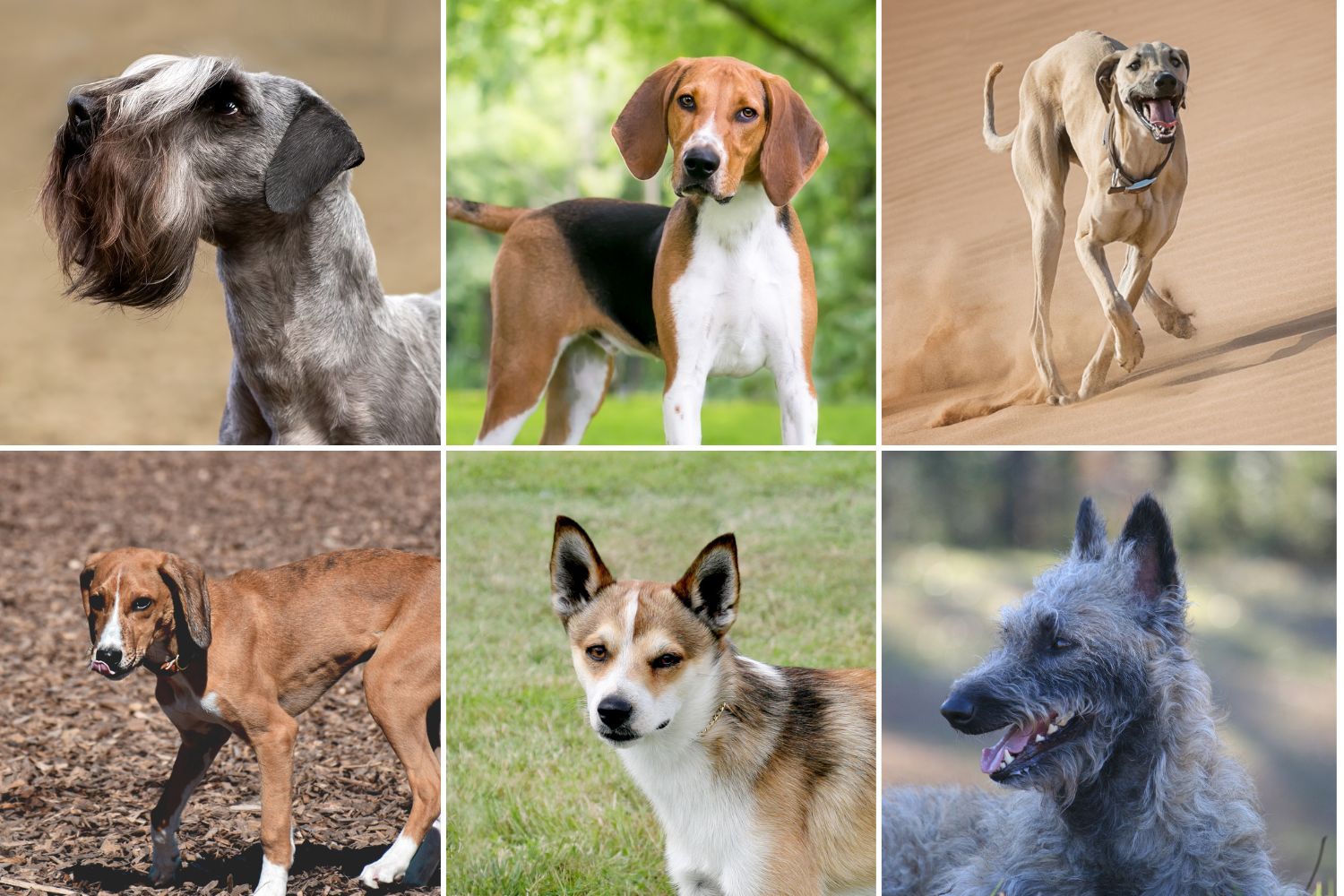
Some rare dog breeds are endangered. Their numbers drop due to habitat loss or fewer breeders. Examples include the Norwegian Lundehund and the Azawakh. These dogs have few living members left. Conservation efforts help protect them. Preserving these breeds keeps their unique traits alive. Supporting responsible breeding is crucial for their survival.
Unique Traits And Adaptations
Rare breeds often have special traits. The Basenji, for example, does not bark like other dogs. The Xoloitzcuintli has a hairless body that suits hot climates. Some breeds have extra toes or unusual coats. These adaptations helped them survive in tough environments. They show how dogs evolved alongside humans in many ways. Learning about these traits makes rare breeds fascinating.
Crossbreeds And Designer Dogs
Crossbreeds and designer dogs have changed how people see dog breeds. These dogs come from mixing two or more purebred dogs. The goal is to combine traits from each breed. People want dogs that are healthier, have unique looks, or suit their lifestyle.
These mixed dogs are popular for their charm and diversity. They often have friendly personalities and different sizes. Crossbreeds also bring variety to the dog world. They add new options beyond traditional purebred dogs.
Popular Crossbreed Examples
Some crossbreeds have become very famous. The Labradoodle mixes a Labrador Retriever with a Poodle. It is known for being smart and friendly. The Cockapoo is a mix of Cocker Spaniel and Poodle. This breed is small and loving. Another popular crossbreed is the Puggle, which is a Pug and Beagle mix. It has a playful and gentle nature.
Designer dogs like these attract many dog lovers. They offer a fresh take on classic breeds. People enjoy their unique looks and mixed traits.
Impact On Breed Numbers
Crossbreeds affect how many dog breeds exist. Purebred counts focus only on recognized breeds. Crossbreeds create many new, unofficial types. This makes counting breeds harder. Some dog organizations do not count designer dogs.
Crossbreeds increase the variety of dogs available. They also challenge the traditional ideas of breed standards. The rise of designer dogs means the dog world keeps evolving. New mixes appear often, adding to the diversity.
Future Trends In Canine Breeding
The world of dog breeding is evolving fast. New trends shape how breeders create and care for dog breeds. These changes affect the number and types of breeds we see in the future. Understanding these trends helps dog lovers know what to expect.
Genetic Research And Breed Development
Science is changing dog breeding. Genetic research helps breeders understand dog health better. It also guides the development of new breeds. Breeders can reduce health problems by choosing healthier genes. This leads to stronger, happier dogs.
New technologies allow quick DNA testing. Breeders use this to match dogs with the best traits. Some breeds are being improved for specific tasks or lifestyles. Genetic tools make breeding safer and more precise.
Changing Preferences Among Dog Owners
People want different things from dogs today. Smaller dogs grow popular for city living. Others want dogs with calm temperaments for families. This shift changes which breeds breeders focus on.
Many owners look for hypoallergenic or low-shedding breeds. This trend influences the creation of new mixed breeds. Breeders respond by developing dogs that fit these needs. The future will see more variety to match owner lifestyles.
Credit: www.newsweek.com
Frequently Asked Questions
How Many Dog Breeds Exist Worldwide?
There are over 340 recognized dog breeds globally. Different kennel clubs have varying lists, but the number generally exceeds 340. Each breed has unique traits, appearance, and history. This variety helps meet diverse human needs and preferences in pets.
Which Organization Recognizes The Most Dog Breeds?
The Fédération Cynologique Internationale (FCI) recognizes 360 official dog breeds. It is the largest international kennel club. The FCI classification is widely accepted across many countries. Other clubs like the AKC recognize fewer breeds but are influential in specific regions.
Why Do Dog Breed Numbers Vary Between Sources?
Breed numbers differ due to varying recognition criteria by kennel clubs. Some clubs classify breeds differently or merge similar ones. New breeds are also developed and recognized over time. This leads to fluctuating totals depending on the source and timing.
What Defines A Distinct Dog Breed?
A dog breed is defined by consistent physical traits, behavior, and lineage. Breeds have standard characteristics established by kennel clubs. These standards ensure predictability in size, coat, and temperament. Breeding maintains these traits across generations.
Conclusion
Dogs come in many shapes, sizes, and breeds worldwide. Each breed has its own unique traits and history. Knowing how many breeds exist helps us appreciate dog diversity more. Whether you want a small or large dog, there is a perfect breed for you.
Dogs bring joy and friendship to many homes. Exploring different breeds can be fun and educational. Remember, every dog deserves love and care, no matter the breed. Choose wisely and enjoy the companionship dogs offer every day.


