

Are you worried about allergies but still want a furry friend to brighten your home? Finding the right dog breed that won’t trigger your sneezes or itchy eyes can feel like a challenge.
But don’t worry—there are special hypoallergenic dog breeds designed to be kinder to allergy sufferers. You’ll discover which dogs are the best fit for you and your health. Keep reading to find out how you can enjoy the love and companionship of a dog without the allergy hassles.
Credit: www.woofblankets.com
Hypoallergenic Dogs Explained
Hypoallergenic dogs are breeds that cause fewer allergy problems for people. Many people think these dogs do not cause allergies at all. That is not true. These breeds just produce fewer allergens than others. Allergens are tiny proteins that can cause sneezing, itching, or watery eyes.
Understanding what makes a dog hypoallergenic helps allergy sufferers choose the right pet. It also helps explain why some dogs bother allergies more than others. This knowledge is useful for families who want a dog but worry about allergies.
Why Some Dogs Trigger Allergies
Dogs cause allergies mainly through their skin flakes, saliva, and urine. The dead skin flakes are called dander. Dander spreads easily in the air and sticks to furniture. Some dogs shed more dander than others. More shedding means more allergens around.
Saliva also contains allergens. When dogs lick themselves, the saliva dries and becomes airborne. Urine allergens can spread when a dog pees inside. Different breeds produce different amounts of allergens. This is why some dogs trigger allergies more strongly.
Traits Of Hypoallergenic Breeds
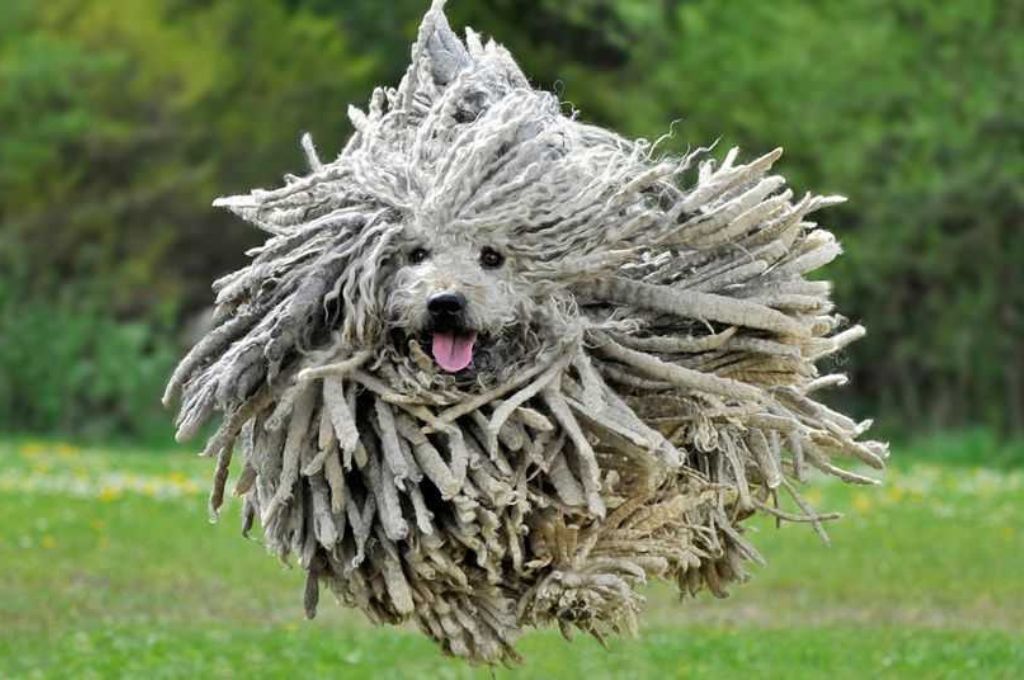
Hypoallergenic dogs usually have hair instead of fur. Hair grows slowly and sheds less. Less shedding means less dander in the home. These dogs often need regular grooming to keep hair clean and healthy.
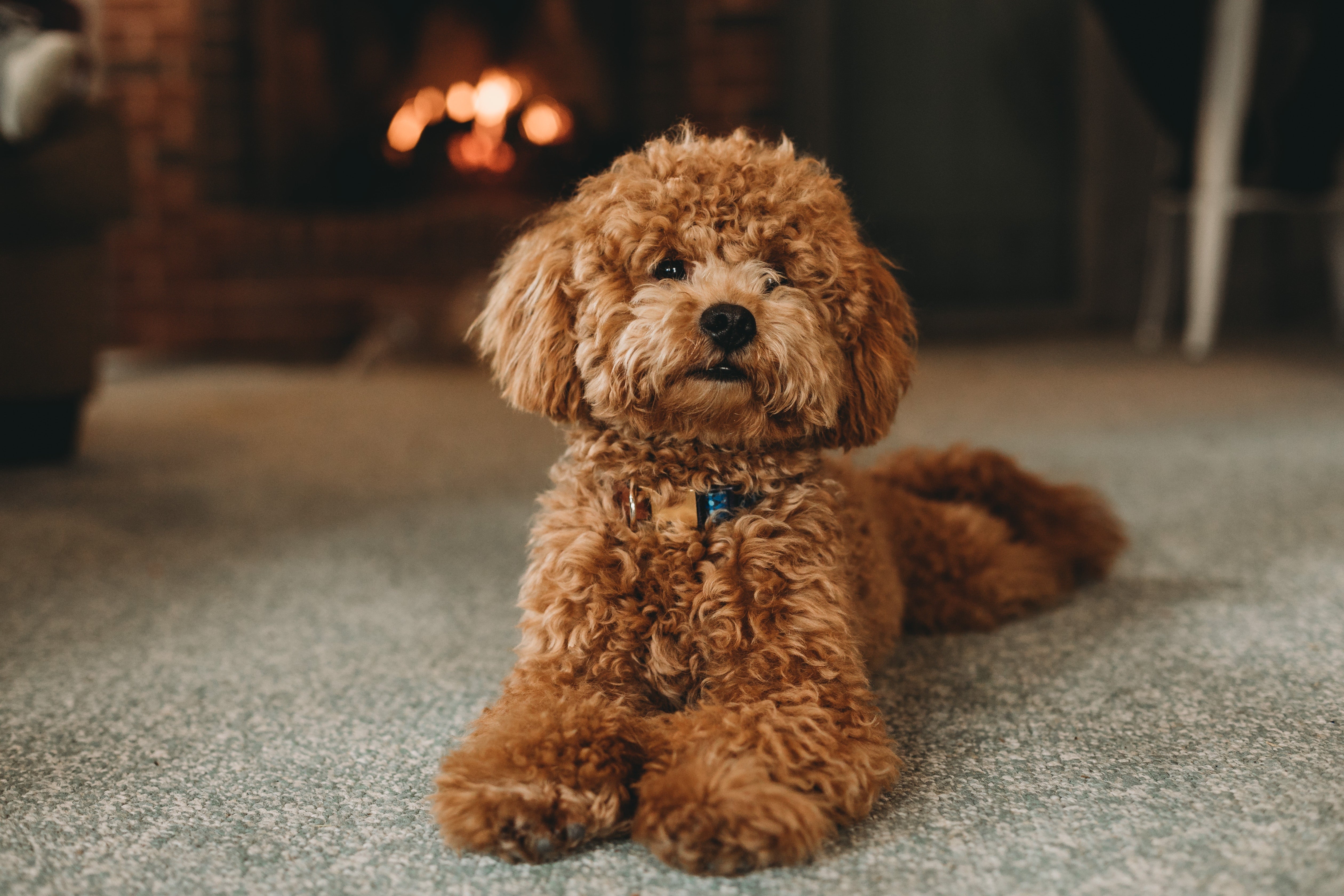
Many hypoallergenic breeds have curly or wiry coats. The curls trap dander and stop it from flying in the air. These breeds also tend to produce less saliva allergens. Their skin may produce fewer allergy-causing proteins.
Top Hypoallergenic Dog Breeds
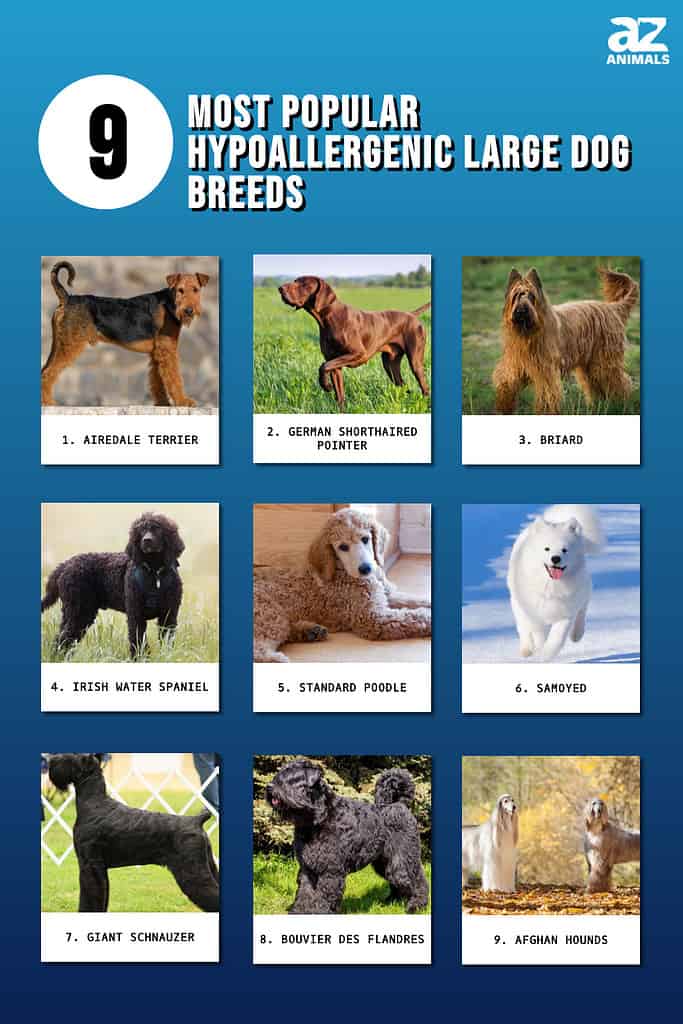
Hypoallergenic dog breeds are perfect for people with allergies. These dogs shed less and produce fewer allergens. They bring joy without causing sneezes or itchy eyes. Many breeds fit this need, from tiny lap dogs to larger companions. Here are some popular hypoallergenic breeds to consider for your home.
Small Breeds Ideal For Allergies
Small hypoallergenic dogs fit well in apartments and smaller spaces. The Maltese is a gentle breed with soft, silky hair. Bichon Frise dogs have curly coats that trap dander. The Shih Tzu is another small dog with low shedding fur. These breeds are friendly and good for families with allergies. Their size makes them easy to carry and care for.
Medium And Large Allergy-friendly Dogs
Medium and large hypoallergenic dogs offer more space and energy. The Standard Poodle is smart and has a curly, low-shedding coat. Portuguese Water Dogs also have tight curls that reduce allergens. The Soft Coated Wheaten Terrier has a silky coat that sheds little. These dogs need regular grooming to keep their coats healthy. They suit active families who want a bigger pet without allergy problems.
Care Tips For Allergy Sufferers
Living with a hypoallergenic dog breed can ease allergy symptoms. Still, care is essential to keep allergens low. Simple steps help allergy sufferers enjoy time with their pets. These tips focus on grooming and cleaning routines.
Grooming Practices To Reduce Allergens
Regular grooming helps control pet dander and hair. Brush your dog often with a soft brush. Bathing your dog once a week removes loose fur and skin flakes. Use a gentle shampoo made for dogs. Wipe your dog’s face and paws daily with a damp cloth. Trim your dog’s nails to avoid scratches that cause more allergens.
Home Cleaning Strategies
Clean your home frequently to remove pet allergens. Vacuum carpets and furniture with a HEPA filter vacuum cleaner. Wash pet bedding every week in hot water. Use air purifiers in rooms where your dog spends time. Keep your dog out of bedrooms and off furniture. Mop hard floors regularly to catch dust and dander.
Credit: medsourcellc.com
Choosing The Right Hypoallergenic Dog
Choosing the right hypoallergenic dog means finding a match for your home and health. These dogs shed less dander, which causes allergies. Yet, not all hypoallergenic breeds fit every lifestyle. Selecting the right breed helps ensure a happy life for both you and your pet.
Matching Lifestyle And Breed Traits
Each hypoallergenic dog breed has unique needs and energy levels. Some are active and need daily exercise. Others prefer calm indoor time. Consider your daily routine and living space. A busy person may prefer a low-energy dog. Families with children might choose a friendly, playful breed. Matching personality and habits helps avoid stress for both.
Health Considerations For Allergy-friendly Dogs
Hypoallergenic dogs still need regular care and health checks. Some breeds have genetic conditions to watch. Grooming is important to reduce allergens on fur. Regular baths and brushing keep dander low. Check with a vet about breed-specific health issues. Healthy dogs live longer and make better companions.
Credit: www.pethonesty.com
Frequently Asked Questions
What Makes A Dog Breed Hypoallergenic?
Hypoallergenic dog breeds shed less hair and dander. This reduces allergens in the environment, helping allergy sufferers. Their coats often require regular grooming to minimize shedding and allergens. Hypoallergenic does not mean allergen-free but significantly lowers allergic reactions.
Which Dog Breeds Are Best For Allergy Sufferers?
Poodles, Bichon Frises, Maltese, and Portuguese Water Dogs are popular hypoallergenic breeds. These dogs have low-shedding coats that produce fewer allergens. Choosing these breeds can help allergy sufferers enjoy pet companionship with fewer symptoms.
Do Hypoallergenic Dogs Require Special Grooming?
Yes, hypoallergenic dogs need frequent grooming to control shedding and allergens. Regular baths, brushing, and coat trims help maintain their hypoallergenic properties. Proper grooming reduces dander and keeps their coat healthy and clean.
Are Hypoallergenic Dogs Suitable For All Allergy Types?
Hypoallergenic dogs help most people with dog allergies but not all. Individuals allergic to saliva or urine proteins may still react. It’s best to spend time with the breed before adoption to confirm compatibility.
Conclusion
Choosing a hypoallergenic dog can help reduce allergy problems. These breeds shed less and produce fewer allergens. This makes them better for people with sensitive noses. Remember, no dog is 100% allergy-free. Spending time with a dog before adoption helps find a good match.
Enjoy the companionship without constant sneezing or itching. A happy dog and owner make a great team. Consider your lifestyle and needs when picking a breed. Hypoallergenic dogs bring joy with fewer allergy worries.


