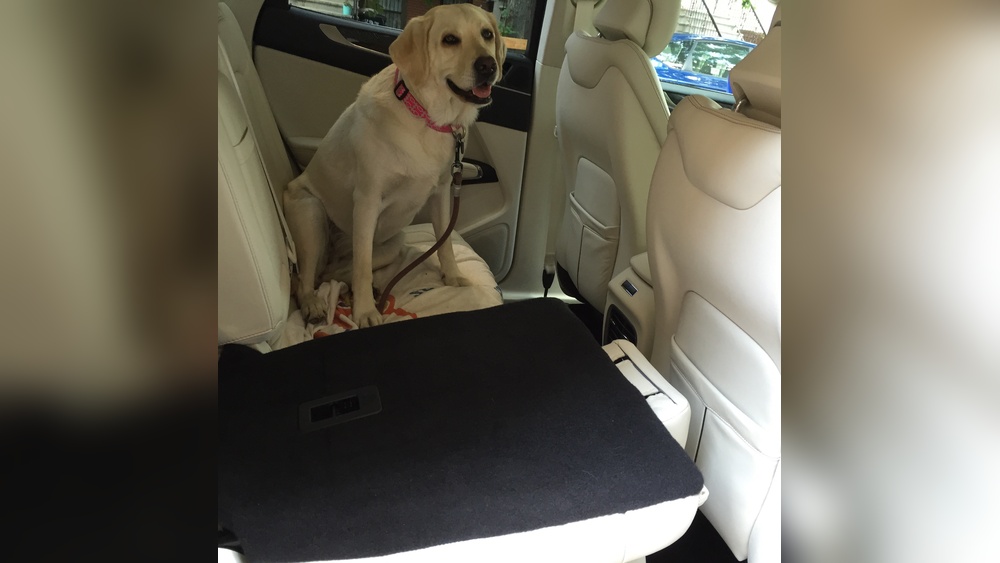
Have you ever wondered if dogs could drive cars? It sounds funny, right?
But what if your furry friend could actually take the wheel? Imagine the possibilities—and the surprises that come with it. You’ll discover the truth behind this curious question and learn some fascinating facts that might change how you see your dog forever.
Keep reading, because what you find out next could amaze you!
Credit: www.antheminjurylaw.com
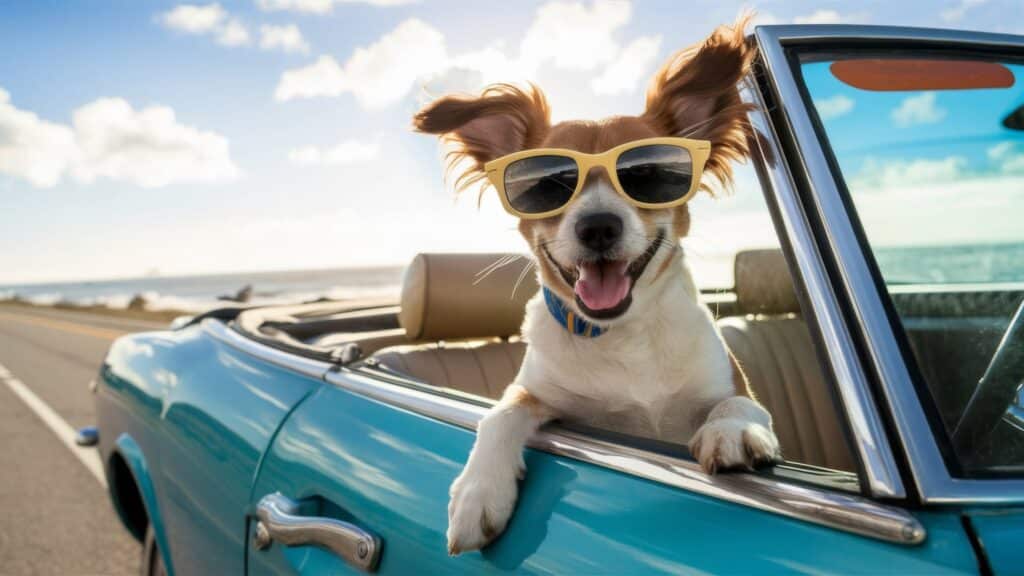
Dogs And Driving Skills
Dogs cannot drive cars like humans do. Driving needs many skills that dogs do not have. Still, dogs show amazing abilities in learning and following commands. This makes people curious about how much dogs understand about driving.
Some dogs have been trained to help with tasks related to vehicles. These examples show dogs’ intelligence and adaptability. Understanding their skills helps us appreciate what dogs can and cannot do.
Canine Intelligence And Learning
Dogs are smart animals. They learn through repetition and rewards. They remember many commands and signals. Dogs can follow directions well in many situations.
Learning to drive requires understanding complex rules and actions. Dogs do not have the brain structure to process these rules. Their intelligence works best with simple tasks and clear commands.
Training dogs to respond to car noises or signals is possible. They can stay calm in moving vehicles. This shows their ability to adapt to travel, not to drive.
Examples Of Dogs In Control Of Vehicles
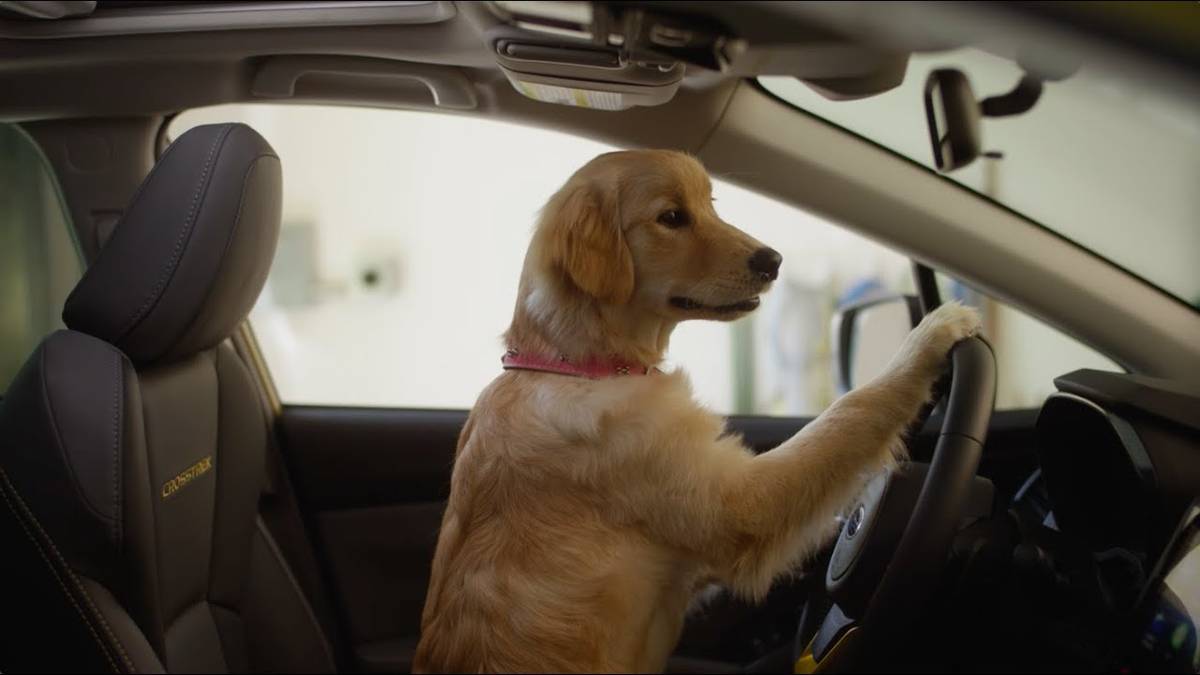
Some dogs have been part of unusual driving stories. For example, dogs have been seen pressing pedals or steering under human help. These actions are not true driving but tricks.
In some cases, dogs assisted disabled owners by operating simple vehicle controls. This help improves mobility but under strict human supervision. Dogs do not make decisions or control traffic.
Videos of dogs “driving” cars often show trained behavior or editing. Real driving needs quick thinking and judgment that dogs cannot provide.
Credit: www.hotcars.com
Unbelievable Canine Driving Stories
Dogs driving cars sounds like a wild idea. Yet, some stories prove it really happened. These tales show dogs in surprising roles behind the wheel.
Many people have witnessed or heard about dogs controlling vehicles in unusual ways. These events raise questions about canine intelligence and training.
Famous Cases Around The World
In the United States, a dog once steered a car to safety after its owner fainted. The dog pressed the pedals with its paws and kept the vehicle steady.
In Japan, a trained dog demonstrated how it could operate a small electric car. The dog used its nose and paws on controls during a public show.
Brazil reported a case where a dog accidentally hit the accelerator. The car moved slowly, causing no harm but surprising onlookers.
How Dogs Managed To Operate Cars
Dogs use their paws and noses to reach pedals and buttons. Some can learn simple actions through repetition and reward.
Trainers teach dogs to respond to signals for steering and braking. These dogs do not drive like humans but follow learned routines.
Animals rely on instinct and training rather than understanding traffic rules. Their driving is limited and controlled in safe environments.
Safety Concerns And Risks
Dogs driving cars is a strange idea but raises many safety questions. Animals lack the skills and judgment to handle traffic. This leads to many risks for the dog, passengers, and other road users.
Understanding these safety concerns helps highlight why dogs cannot drive vehicles. It shows the dangers and legal problems involved.
Potential Dangers On The Road
Dogs cannot control speed or steer properly. They do not understand traffic signs or signals. This causes a high chance of accidents and crashes. Dogs may panic in complex traffic or fail to react to sudden changes. Their behavior is unpredictable behind the wheel. This puts everyone around them at risk of injury or worse.
Legal Implications Of Dogs Driving
Driving requires a license and training. Laws forbid unqualified drivers from operating vehicles. Dogs cannot meet these legal requirements. If a dog causes an accident, the owner faces legal trouble. Insurance may not cover damages caused by an animal driver. Authorities will hold the owner responsible for negligence. This creates serious consequences and fines.
Training Dogs For Driving
Training dogs to drive cars is a fascinating idea. It shows how smart and trainable dogs can be. Teaching a dog to drive involves special steps and clear communication. Trainers use patience and simple commands to guide the dog. The process takes time and careful planning.
Techniques Used To Teach Driving
Trainers start by teaching dogs basic commands. They use positive reinforcement like treats and praise. Dogs learn to press pedals with their paws. They also learn to turn the steering wheel with their nose or mouth. Trainers break down driving into small, easy tasks. Repetition helps dogs remember what to do. Trainers also use safety equipment to protect the dog. Video monitors show the dog’s progress during training.
Limitations And Challenges
Dogs have physical limits that make driving hard. They cannot reach all the controls easily. Dogs cannot understand complex traffic rules. Their attention span is shorter than humans. Training requires many hours and patient effort. Safety is a major concern during practice. Dogs might get scared by loud noises on the road. These challenges make dog driving mostly a fun experiment, not practical driving.
Future Of Dogs And Autonomous Vehicles
The future of dogs and autonomous vehicles looks promising. Self-driving cars will change how pets travel. Dogs will enjoy safer and more comfortable rides. Technology will adapt to meet the needs of pets and their owners. This new era offers exciting opportunities for pet safety and convenience.
Role Of Pets In Self-driving Cars
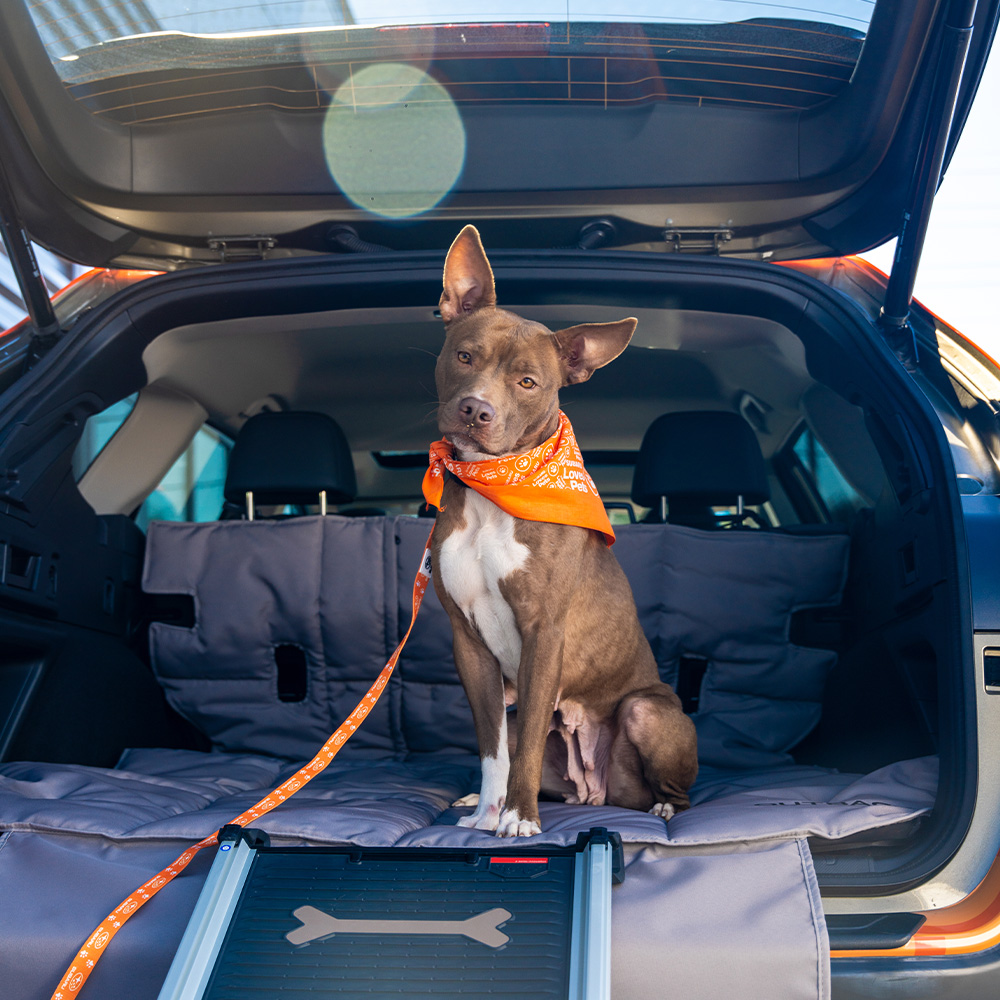
Pets will become important passengers in self-driving cars. Vehicles will recognize dogs and adjust settings automatically. Cars might include special seats or restraints for dogs. Safety features will keep pets secure during trips. Dogs will have more freedom to move safely inside the car. Self-driving cars will create a stress-free travel experience for dogs.
Innovations In Pet-friendly Car Technology
Innovations will focus on pet comfort and safety. Temperature controls will adjust for dogs’ comfort. Sensors will monitor pets’ health and alert owners if needed. Built-in cameras will help owners watch their pets during travel. New materials will keep cars clean and prevent slipping. These advances will make car trips easier for dogs and owners alike.
Credit: www.sunsethillssubaru.com
Frequently Asked Questions
Can Dogs Physically Drive Cars Safely?
Dogs lack the physical ability to operate pedals and steering wheels safely. Their paws cannot grip or control car mechanisms effectively. Driving requires coordination and understanding that dogs do not possess. Therefore, dogs cannot drive cars in any safe or legal manner.
Why Can’t Dogs Understand Traffic Rules?
Dogs do not have the cognitive skills to comprehend traffic laws. Driving requires understanding road signs, signals, and other drivers’ behaviors. These are complex human concepts beyond animal learning. Hence, dogs cannot follow or understand traffic rules.
Have Any Dogs Ever Driven Cars?
While some dogs have been trained to perform simple driving-like tasks, no dog has truly driven a car legally or independently. These demonstrations are controlled and staged for entertainment, not genuine driving. Dogs cannot operate a vehicle on real roads.
Is It Legal For Dogs To Drive Cars?
It is illegal for dogs to drive cars. Driving requires a valid human driver’s license and adherence to traffic laws. Dogs cannot obtain licenses or be held accountable for driving safety. Allowing a dog to drive would violate legal regulations.
Conclusion
Dogs cannot drive cars safely or legally. They lack the skills and understanding needed. Cars require careful control and quick decisions. Dogs are great companions but not drivers. Always keep pets safe inside vehicles as passengers. Driving is a human responsibility that needs focus.
Enjoy your dog’s company during rides without risk. Safety matters most for both pets and people. Remember, dogs belong in the passenger seat, not behind the wheel.