

Have you ever wondered why your dog seems to ignore certain toys while going crazy for others? The color of a toy might be the secret you’re missing.
Choosing the right color toy can make playtime more exciting and keep your furry friend engaged for longer. You’ll discover which colors catch your dog’s eye and why it matters for their happiness and health. Keep reading to find out how a simple color choice can transform your dog’s play experience.
How Dogs See Color
Dogs do not see colors the same way humans do. Their vision is different because of how their eyes work. This affects the toys they like and how they find them. Understanding dog vision helps choose the best toy colors for your pet.
Dogs see fewer colors than humans. Their eyes have fewer color receptors. This means they see the world mostly in shades of blue and yellow. Reds and greens look very dull or gray to dogs.
Dog Vision Basics
Dogs have two types of color receptors called cones. Humans have three cones. This difference limits the range of colors dogs can see. Dogs also have better night vision than humans. Their eyes have more rods, which help in low light.
Dogs see better movement and shapes than colors. Their vision is sharper for tracking objects in motion. This is why bright colors are not as important as contrast and shape for toys.
Colors Dogs Distinguish
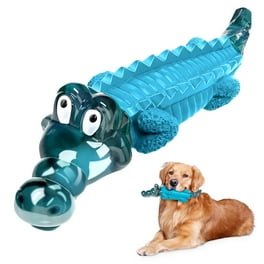
Dogs mainly see blue and yellow colors clearly. Blue toys stand out well for them. Yellow or light brown toys also catch their attention. Red, orange, and green appear as shades of gray or brown.
Choosing toys in blue or yellow helps dogs spot them easily. Toys in red or green may blend into the background. This can make playtime less exciting for your dog.
Credit: www.walmart.com
Impact Of Color On Dog Play
Colors affect how dogs see and play with toys. Dogs do not see all colors like humans. Their vision is different, so some colors stand out more. Choosing the right color can make playtime more fun and engaging for dogs.
Bright, visible toys catch a dog’s attention better. This helps dogs find and fetch their toys easily. Color can also change how a dog feels about a toy during play.
Color Attraction And Visibility
Dogs see colors mainly in shades of blue and yellow. Red and green look like gray to them. Toys in blue or yellow are easier for dogs to spot. These colors stand out against grass or dirt. Bright toys in these colors help dogs track and chase them better. A well-visible toy keeps dogs interested longer during playtime.
Behavioral Responses To Colors
Dogs may react differently to toy colors. Blue toys often calm dogs and invite gentle play. Yellow toys can excite dogs and boost energy. Dark colors may not attract dogs as much. Choosing colors that match your dog’s mood helps improve play behavior. Observing your dog’s reaction to different colors guides the best toy choice.
Best Colors For Dog Toys
Choosing the right color for dog toys helps keep your pet interested and active. Dogs see colors differently than humans. They do not see the full rainbow. Understanding which colors catch their attention makes playtime more fun and safe.
Highly Visible Colors
Dogs see blue and yellow best. These colors stand out in many places. Toys in bright blue or yellow are easy for dogs to find. They look clear on grass, dirt, and inside the house. These colors help dogs focus during fetch or tug games. Red and green appear dull or gray to dogs. Avoid these colors for better toy visibility.
Colors To Avoid
Red and green blend together in a dog’s eyes. They look like dark shades or gray. Toys in these colors can be hard to spot outside. Brown and gray toys also do not stand out well. They blend into dirt and floors. Choose colors dogs see clearly to keep play safe and fun.

Credit: www.walmart.com
Choosing Toys For Different Dog Breeds
Choosing the right toy color for your dog depends on the breed and its needs. Different breeds see colors differently and have various play styles. Picking the right toy helps keep your dog happy and safe. Color choice also matters because dogs see some colors better than others. Knowing your dog’s breed helps you pick the best toys for fun and comfort.
Small Vs Large Breeds
Small dogs need small toys that fit their mouths. Large toys can be hard for them to carry. Bright colors like blue or yellow stand out more for small breeds. Large dogs need bigger toys to avoid choking. Darker colors like red or green work well for them. The size and color of toys must match your dog’s size for safety and interest.
Active Vs Calm Dogs
Active dogs love toys that move and catch attention fast. Bright colors like yellow or blue help active dogs spot their toys easily. Calm dogs prefer soft toys with gentle colors like light green or pale blue. Toys for calm dogs should be safe and comforting. Color and texture choices help keep your dog engaged based on its energy level.
Material And Safety Considerations
Choosing the right toy color for dogs involves more than just shade. Material and safety play a big role. Dogs explore toys with their mouths, so safe materials matter a lot. Toys must not harm your dog’s health or teeth. Focus on materials that are safe and colors that last.
Non-toxic Materials
Always select toys made from non-toxic materials. Chemicals in some plastics or dyes can be harmful. Natural rubber and food-grade silicone are good choices. These materials are less likely to cause allergies or poisoning. Avoid toys with small parts that can break off. Safety starts with what the toy is made of.
Durability And Color Fading
Durable toys keep their color longer and resist chewing. Toys that fade quickly may lose their appeal to dogs. Color fading can signal poor material quality. Choose toys that hold color after many uses. Strong toys reduce the risk of ingestion of small pieces. Durable toys protect your dog and your wallet.

Credit: www.amazon.com
Tips For Selecting And Introducing Toys
Choosing the right toy color can improve your dog’s playtime. Introducing new toys properly helps your dog accept them faster. This section shares simple tips for selecting and introducing toys your dog will enjoy.
Testing Color Preferences
Dogs see colors differently from humans. They see blue and yellow best. Red and green look similar to them. Try toys in blue and yellow first. Watch how your dog reacts. Do they show more interest in one color? Use that color more often. This helps keep your dog excited about playtime.
Encouraging Play With New Toys
Introduce new toys slowly. Let your dog sniff and explore the toy. Play with the toy yourself to show it is fun. Use treats or praise when your dog touches the toy. This builds positive feelings. Rotate toys often to keep playtime fresh. Avoid overwhelming your dog with too many toys at once.
Frequently Asked Questions
What Color Do Dogs See Best In Toys?
Dogs see blue and yellow hues best. They struggle to distinguish red and green colors clearly. Choosing blue or yellow toys enhances visibility and engagement for dogs.
Are Bright-colored Toys Better For Dogs?
Yes, bright colors like blue and yellow attract dogs more. These colors stand out in their vision spectrum, making playtime more stimulating and fun.
How Does Color Affect A Dog’s Play Behavior?
Color influences a dog’s ability to locate toys quickly. Toys in blue or yellow encourage interaction and reduce frustration during play.
Should I Avoid Red Or Green Dog Toys?
Yes, dogs have difficulty seeing red and green shades. These colors may appear as dull or gray, reducing toy visibility.
Conclusion
Choosing the right color toy helps your dog play and learn better. Dogs see some colors clearer than others. Bright colors like blue and yellow stand out well for them. These colors keep your dog interested and happy. Always watch how your dog reacts to different toys.
This helps you find the best color for their fun. Happy dogs mean happy owners. Simple steps like this make playtime more fun and safe. Try different colors and see what your dog loves most. Play smart. Play bright.


