

Are you worried about allergies but still dream of having a loyal furry friend by your side? You’re not alone.
Finding the right dog breed that won’t trigger your sneezes or itchy eyes can feel like a challenge. But what if you could discover dogs that are kinder to your allergies and still full of love and personality? You’ll learn about the best hypoallergenic dog breeds that could be the perfect match for you.
Keep reading to find your ideal companion without compromising your health or happiness.
Causes Of Dog Allergies
Dog allergies affect many people around the world. Understanding what causes these allergies helps in managing symptoms better. Allergies happen because the immune system reacts to certain proteins found in dogs. These proteins can come from different sources on the dog’s body.
Common Allergens In Dogs
Dog allergens are mainly proteins found in dander, saliva, and urine. Dander is tiny skin flakes that dogs shed daily. Saliva contains proteins that stick to the dog’s fur when they lick themselves. Urine can also spread allergens when it dries on surfaces. These allergens float in the air or stick to clothes and furniture. People breathe them in or touch them, which triggers allergic reactions.
How Allergies Develop
Allergies develop when the immune system mistakes harmless proteins as threats. The body releases chemicals like histamine to fight these proteins. This release causes symptoms like sneezing, itching, and watery eyes. Repeated exposure to allergens can make symptoms worse over time. Each person’s immune response varies, causing different allergy levels.
Traits Of Hypoallergenic Dogs
Hypoallergenic dogs have special traits that make them better for people with allergies. These dogs do not release many allergens into the air. Their fur and skin produce fewer particles that trigger reactions. Understanding these traits helps choose the right breed for allergy sufferers.
Low Shedding Breeds
Shedding spreads dander, the main cause of allergies. Dogs that shed little keep dander close to their bodies. This reduces allergens in the home. Breeds like the Poodle and Bichon Frise shed very little. Regular grooming helps keep shedding minimal and controls allergens.
Coat Types That Minimize Allergens
Some coat types trap dander better than others. Curly or wiry coats hold loose hair and skin flakes. This prevents them from floating in the air. Breeds with these coats include the Portuguese Water Dog and the Soft Coated Wheaten Terrier. These coats need regular care to stay clean and healthy.
Popular Hypoallergenic Breeds
Many people with allergies want a dog but worry about sneezing or itching. Hypoallergenic dog breeds shed less hair and dander. They cause fewer allergy problems. Some breeds are known for this trait. These popular hypoallergenic breeds suit allergy-sensitive homes well.
They have different sizes and personalities. You can find small lap dogs or active companions. Each breed has unique traits. Learn about these popular hypoallergenic dogs below.
Poodles And Their Mixes
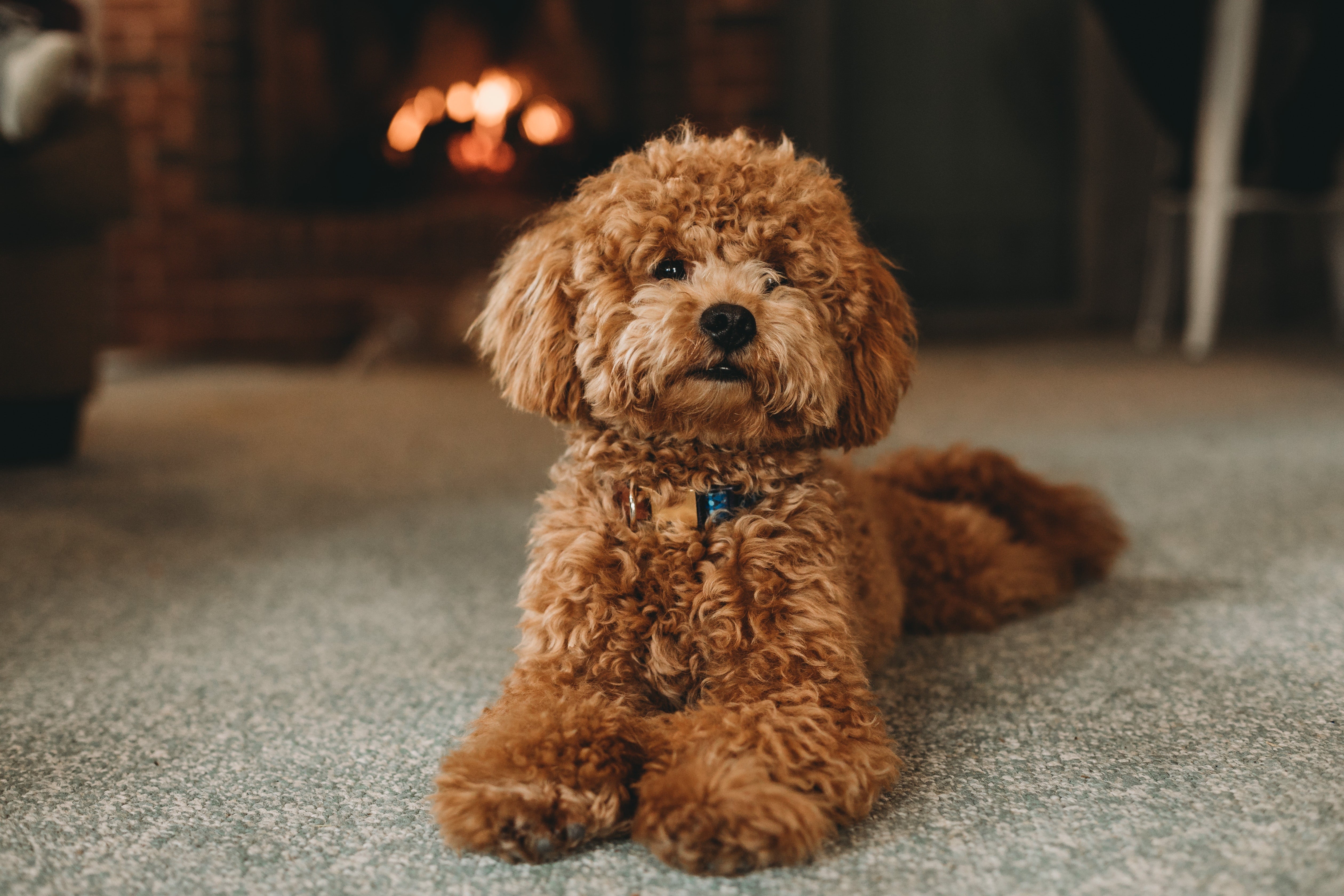
Poodles are famous for their curly, low-shedding coats. They come in toy, miniature, and standard sizes. Poodles also mix well with other breeds. Popular mixes like Labradoodles and Cockapoos inherit their hypoallergenic traits. These dogs are smart and easy to train. Their coats need regular grooming to stay healthy.
Bichon Frise
The Bichon Frise has a soft, fluffy coat that does not shed much. This small dog is cheerful and friendly. Bichons are good with children and other pets. Their hypoallergenic coat requires regular brushing. They make great companions for allergy sufferers.
Maltese
The Maltese is a small breed with long, silky hair. They shed very little and produce less dander. Maltese dogs are gentle and playful. They enjoy being lap dogs and love attention. Regular grooming keeps their coat clean and tangle-free.
Portuguese Water Dog
Portuguese Water Dogs have curly or wavy coats that shed minimally. They are energetic and love water activities. This medium-sized dog is loyal and intelligent. Their coat needs frequent brushing and trimming. They suit active families with allergy concerns.
Schnauzers
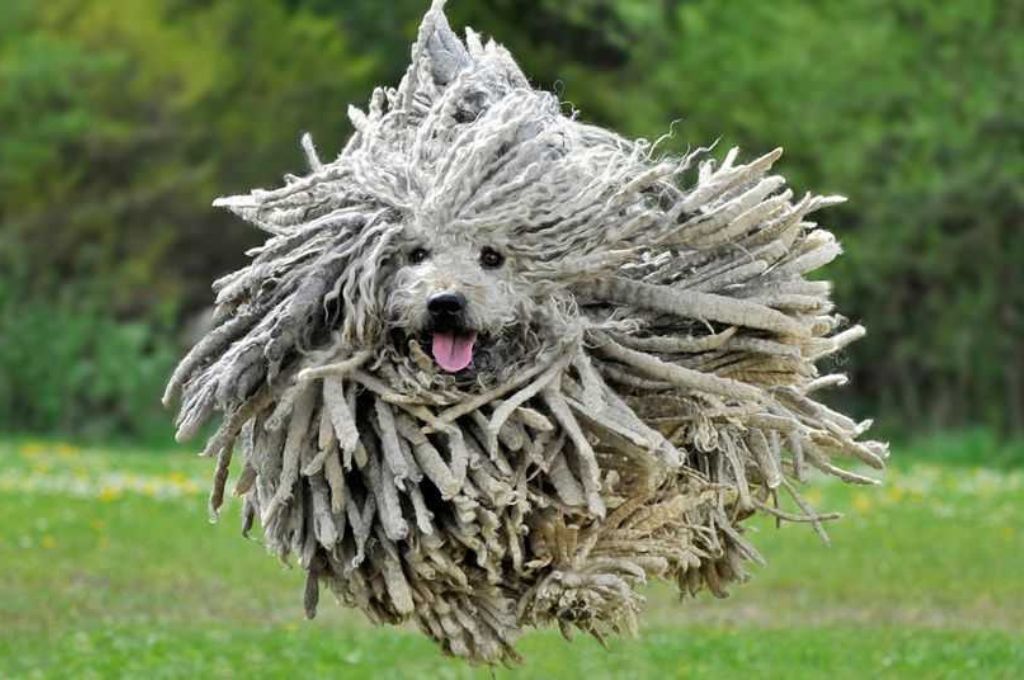
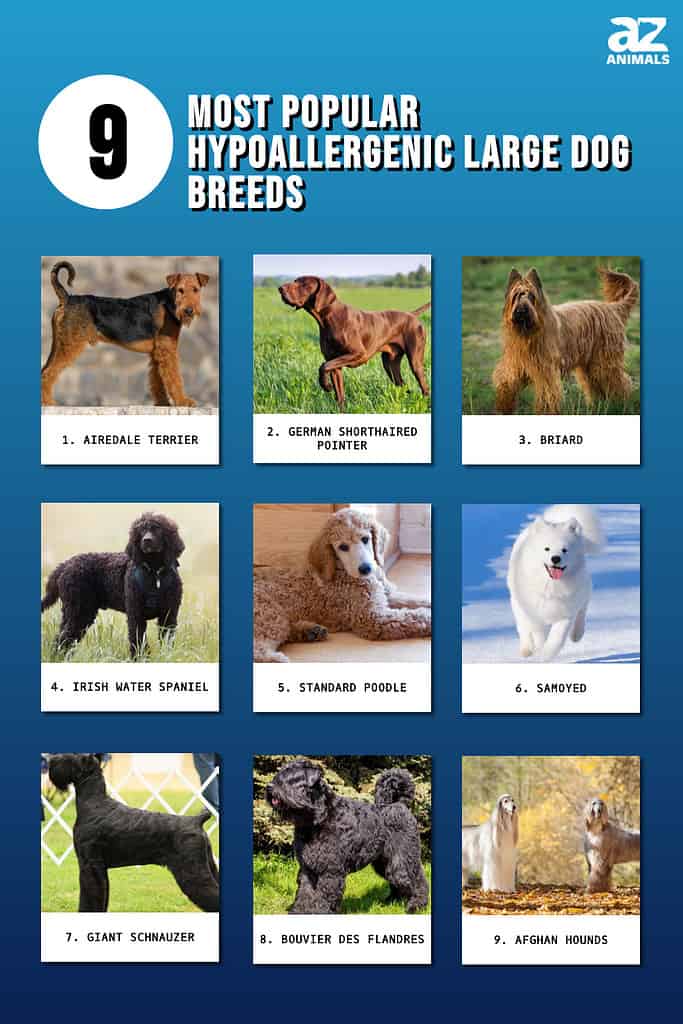
Schnauzers come in miniature, standard, and giant sizes. They have wiry coats that shed very little. Schnauzers are alert and protective. They make good watchdogs and family pets. Regular grooming is necessary to maintain their coat’s texture.
Credit: www.woofblankets.com
Lesser-known Allergy-friendly Dogs
Many people know popular hypoallergenic dogs like Poodles or Bichon Frises. Yet, some lesser-known breeds also cause fewer allergies. These dogs shed less hair and dander. They suit people who want a pet but suffer from allergies. Here are three breeds worth discovering.
Kerry Blue Terrier
The Kerry Blue Terrier has a soft, wavy coat. It rarely sheds, which lowers allergens in the home. This breed is lively and friendly. They enjoy playtime and family activities. Their unique blue-gray fur needs regular grooming. This helps keep their coat clean and allergy-friendly.
Basenji
Basenjis have short, fine hair that sheds very little. They are known as “barkless dogs” because they rarely bark. This quiet nature makes them great apartment pets. Basenjis are intelligent and curious dogs. They need mental and physical exercise daily. Their clean habits also reduce allergen spread.
Lagotto Romagnolo
Lagotto Romagnolos have curly, wool-like coats. Their fur traps loose hair and dander, reducing allergens. This breed is affectionate and good with children. They were originally bred for truffle hunting. Regular grooming keeps their curls healthy and less allergenic. Lagottos fit well in active households.
Choosing The Right Hypoallergenic Dog
Choosing a hypoallergenic dog means finding a pet that fits your life and reduces allergy risks. Not all hypoallergenic breeds suit every person or home. Consider your daily routine, space, and allergy sensitivity before deciding.
Some breeds need more exercise and grooming than others. Your ability to care for these needs affects your choice. A good match makes living with your dog easier and happier.
Lifestyle Considerations
Think about your daily activities and time for a dog. Active breeds need more exercise and playtime. Quiet dogs fit better in calm homes or apartments.
Grooming is key. Some hypoallergenic dogs shed less but need regular brushing. Others need professional grooming often. Choose a breed with grooming needs you can handle.
Space matters too. Larger dogs need more room to move. Small breeds adapt well to tight spaces. Match your home size with the dog’s size and energy.
Allergy Testing Tips
Visit a friend with the breed you want. Spend time to see if allergies flare up. This real test shows your true reaction.
Use allergen wipes on the dog’s fur to reduce triggers. Clean your home often to lower allergens. Air purifiers help clear the air.
Talk to an allergist about your symptoms. They may recommend specific tests for pet allergies. Knowing your limits helps choose the right dog safely.
Credit: www.pethonesty.com
Managing Allergies With Dogs
Managing allergies with dogs requires more than just choosing the right breed. Even hypoallergenic dogs can cause allergic reactions. Proper care and home adjustments reduce allergy symptoms. These steps help create a safe space for both you and your pet.
Cleaning And Grooming Practices
Regular grooming removes loose hair and dander. Brush your dog often using a gentle brush. Bathing your dog weekly lowers allergens on their fur. Use pet-friendly shampoos to keep the skin healthy. Clean your dog’s bedding and toys frequently. Vacuum floors and furniture with a HEPA filter vacuum.
Home Environment Adjustments
Keep your dog out of bedrooms and off furniture. Use air purifiers to reduce airborne allergens. Wash curtains and rugs regularly to remove dust and dander. Choose hardwood or tile floors instead of carpets. Keep windows closed during high pollen seasons. These small changes help keep allergens under control.
Credit: medsourcellc.com
Frequently Asked Questions
What Makes A Dog Breed Hypoallergenic?
Hypoallergenic dogs shed less dander, reducing allergens. They produce fewer proteins that trigger allergies. This helps allergy sufferers live comfortably with dogs.
Which Dog Breeds Are Considered Hypoallergenic?
Popular hypoallergenic breeds include Poodles, Bichon Frises, Maltese, and Schnauzers. These dogs shed minimally and have hair instead of fur, lowering allergen spread.
Are Hypoallergenic Dogs Completely Allergy-free?
No dog breed is 100% allergy-free. Hypoallergenic dogs reduce allergens but may still cause mild reactions. Allergy sufferers should spend time with a dog first.
How To Care For Hypoallergenic Dogs To Reduce Allergies?
Regular grooming and bathing reduce dander. Clean your home often and use HEPA filters. These steps minimize allergens in your living space.
Conclusion
Choosing a hypoallergenic dog breed can ease allergy worries. These breeds shed less and produce fewer allergens. They make great pets for sensitive individuals. Remember, no dog is 100% allergy-free. Spending time with a dog before adoption helps. Clean homes and regular grooming also reduce allergens.
Enjoy the love and joy a dog brings. Your perfect hypoallergenic companion is out there.


