When it comes to choosing a service dog, you want the perfect partner by your side—one that understands your needs and supports you every step of the way. But with so many breeds out there, how do you know which one will be the best fit for you?
The right service dog can change your life, offering not just help, but comfort and confidence. You’ll discover which breeds stand out for their intelligence, temperament, and trainability. Keep reading to find the breed that can become your most loyal and capable companion.

Credit: kinderlandacademy.org
Traits Of Ideal Service Dogs
Service dogs play a vital role in helping people with disabilities. Not every dog breed fits this special job. Ideal service dogs have certain traits that make them reliable and effective helpers. These traits include temperament, trainability, intelligence, size, and strength. Each quality affects how well a dog can perform service tasks.
Temperament And Behavior
Good service dogs have calm and stable temperaments. They stay focused even in busy, noisy places. Friendly but not overly excitable. They must handle stress without getting scared or aggressive. Service dogs need patience for long hours of work. Quiet behavior helps them avoid distractions. They also show loyalty and a strong desire to help their handler.
Trainability And Intelligence
Smart dogs learn commands quickly and remember them well. High intelligence speeds up training and improves performance. Service dogs must follow complex instructions reliably. They adapt to new tasks and situations easily. Willingness to please their handler makes training easier. Dogs that think independently can solve problems during tasks. This trait is valuable for unexpected challenges.
Size And Strength Considerations
Size matters for the type of service work done. Large dogs offer physical support and protection. Smaller dogs fit well in tight spaces and travel easily. Strength is important for mobility assistance dogs. They help with balance, pulling wheelchairs, or carrying items. Too big a dog might be hard to manage. Too small a dog may lack the needed power for some tasks.
Popular Service Dog Breeds
Service dogs need to be smart, calm, and easy to train. Certain breeds have these traits naturally. These popular breeds often serve as excellent helpers for people with different needs. Their friendly nature and strong work ethic make them favorites among trainers and owners.
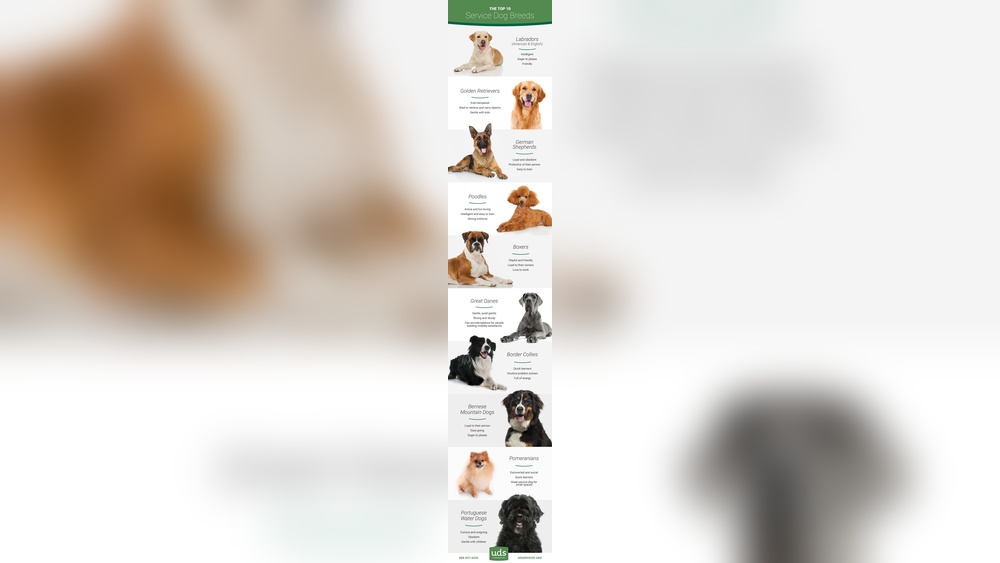
Labrador Retriever
Labradors are gentle and patient. They learn commands quickly. Their friendly attitude makes them great companions. They have a strong desire to please their handlers. Labs are also very adaptable to different tasks. These traits make them one of the top choices for service work.
Golden Retriever
Golden Retrievers are kind and loyal. They have a calm and gentle temperament. These dogs are very smart and easy to train. They often assist people with disabilities or medical conditions. Their soft nature helps them work well in public places. Goldens are a popular pick for many types of service jobs.
German Shepherd
German Shepherds are known for their intelligence and courage. They are very focused and alert. These dogs are quick learners and highly trainable. Their protective instincts make them reliable helpers. German Shepherds often work as guide dogs or in therapy roles. Their strength and dedication are well respected in service roles.
Less Common But Effective Breeds
Many people think of Labrador Retrievers or Golden Retrievers as service dogs. These breeds are popular and effective. Still, other breeds also do well in service roles. Some less common breeds have unique skills and traits. They can provide excellent support and companionship.
Standard Poodle
Standard Poodles are smart and eager to learn. They adapt well to many tasks. Their curly coat sheds little, good for allergy sufferers. They work well as guide dogs or therapy dogs. Poodles have strong focus and good memory. These traits make them reliable helpers.
Border Collie
Border Collies are very intelligent and quick learners. They excel in tasks needing sharp attention. Their energy is high, and they love to work. They can sense changes in their owner’s mood. This breed suits active owners who need alert support. Border Collies thrive on mental and physical challenges.
Boxer
Boxers are strong and protective by nature. They bond closely with their owners. This loyalty makes them great for emotional support. Boxers are patient and calm with children. They have good stamina for daily tasks. Their size allows them to assist with mobility support.
Specialized Service Dog Breeds
Specialized service dog breeds serve unique roles for people with different needs. These dogs train for specific tasks to help their owners live better. Some breeds are small and alert to health changes. Others are large and strong to assist with movement. Choosing the right breed matters for the job.
Each breed has traits that fit certain types of service work. Understanding these traits helps match dogs to their tasks. This section explores small breeds for medical alerts and large breeds for mobility help.
Small Breeds For Medical Alerts
Small dogs excel at alerting owners to medical issues quickly. They detect changes like low blood sugar or seizures with keen senses. Breeds like the Yorkshire Terrier and Chihuahua often serve well here. Their size lets them stay close and alert without being a burden. They are easy to carry and calm in tight spaces. These dogs learn to signal owners before problems get worse. Their alertness can save lives.
Large Breeds For Mobility Assistance
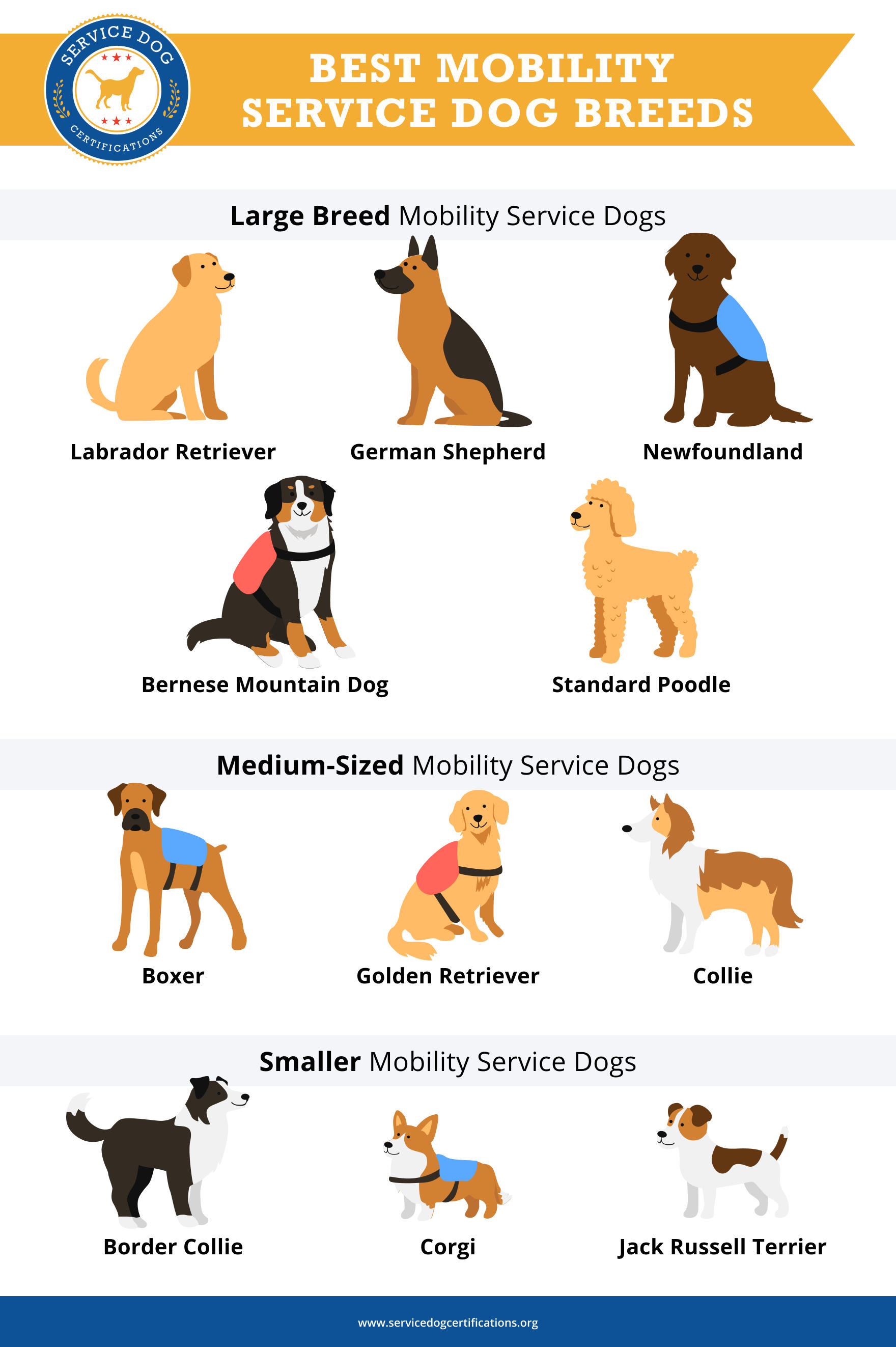
Large dogs provide strength and support for people with mobility challenges. They help with balance, pulling wheelchairs, and carrying items. Breeds like Labrador Retrievers and German Shepherds are common choices. Their size allows them to perform physical tasks safely and reliably. These dogs need training to assist with walking or standing. Their steady nature helps owners feel more confident and secure. Large service dogs improve independence for many people.
Choosing The Right Breed For Your Needs
Choosing the right breed for your service dog is a key step. The breed affects how well the dog performs tasks and fits your lifestyle. Some breeds are better for certain jobs. Others match different home environments and activity levels. Knowing these factors helps find the perfect service dog for your needs.
Matching Breed Traits To Tasks
Service dogs perform many tasks. Some guide the blind, others alert to sounds or medical problems. Breeds have traits that suit specific jobs. Labrador Retrievers have strong noses and calm temperaments, great for detection or guide work. German Shepherds are smart and protective, ideal for mobility support or police work. Choose a breed with traits that match the tasks you need done.
Considering Allergies And Living Space
Allergies can limit breed choices. Some breeds shed more and spread dander. Poodles and Bichon Frises shed less, better for allergy sufferers. Living space matters too. Large breeds need room to move. Small apartments suit smaller breeds. Think about your home size and allergy concerns before choosing.
Assessing Energy Levels
Energy levels vary widely among breeds. High-energy dogs need lots of exercise. Border Collies and Australian Shepherds are very active. Low-energy dogs rest more and are calmer. Bulldogs and Basset Hounds are examples. Match a dog’s energy to your daily routine. This helps keep both happy and healthy.
Credit: tehachapisportsmanclub.com
Training And Socialization Importance
Training and socialization play a key role in shaping the best service dogs. A well-trained dog can perform tasks safely and confidently. Socialization helps dogs stay calm around people and other animals. Both are essential for a service dog’s success.
Early Training Benefits
Starting training early builds good habits. Puppies learn commands faster and remember them longer. Early training helps dogs understand their job clearly. It also reduces fear and anxiety in new situations. A dog trained young adapts better to changes.
Ongoing Socialization
Socialization should continue throughout a dog’s life. Regular exposure to new people and places keeps dogs calm. It prevents fear-based reactions that can disrupt service tasks. Ongoing socialization ensures dogs remain confident and focused. This helps them work well in busy environments.
Maintaining Health And Well-being
Maintaining the health and well-being of service dogs is essential for their performance and happiness. These dogs work hard every day. Keeping them healthy helps them serve better and live longer.
Service dogs need regular care to stay fit and ready. Their health affects how well they help their owners. Good care includes vet visits, proper food, and exercise.
Regular Vet Care
Routine vet visits catch health problems early. Vaccinations protect against common diseases. Regular check-ups ensure the dog’s body works well. Parasite control keeps fleas and ticks away. Dental care prevents painful teeth issues. Vet care also tracks the dog’s weight and mobility. Healthy dogs avoid breaks in their training or work.
Nutrition And Exercise
Balanced nutrition fuels a service dog’s active life. High-quality food supports energy and muscle health. Avoid overfeeding to prevent obesity. Exercise keeps muscles strong and joints flexible. Daily walks and playtime boost physical and mental health. Exercise reduces stress and helps dogs focus. Active dogs stay alert and ready to serve.
Credit: www.greenfieldpuppies.com
Frequently Asked Questions
What Breeds Are Best For Service Dogs?
Labrador Retrievers, Golden Retrievers, and German Shepherds are top service dog breeds. They are intelligent, trainable, and have calm temperaments, ideal for assistance tasks.
Why Are Labradors Popular As Service Dogs?
Labradors are friendly, eager to please, and highly trainable. Their gentle nature makes them perfect for guiding, therapy, and mobility assistance roles.
Can Small Breeds Be Service Dogs?
Yes, small breeds like Poodles and Cocker Spaniels can be service dogs. They excel in tasks requiring agility or emotional support but may not suit physical assistance needs.
How Do Service Dog Breeds Differ By Task?
Different breeds suit specific tasks: German Shepherds excel in protection, Labradors assist mobility, and Poodles work well as allergy-friendly companions.
Conclusion
Choosing the right breed for a service dog matters a lot. Some dogs learn tasks faster and stay calm under pressure. Breeds like Labradors, Golden Retrievers, and German Shepherds often make great helpers. They listen well and love to work.
Each dog has its own strengths and personality. Think about the type of support you need. The best service dog fits both your lifestyle and needs. Training and care shape a dog’s success too. A strong bond between owner and dog makes all the difference.
Service dogs truly change lives every day.