If your dog is showing signs of infection, you want quick and safe relief. But with so many options out there, how do you find the best over the counter antibiotic for dogs?
Choosing the right treatment can feel overwhelming, especially when your furry friend’s health is on the line. You’ll discover simple, effective solutions that you can trust to help your dog heal faster. Keep reading to learn how to protect your pet and give them the care they deserve.
Credit: www.caninejournal.com
Common Dog Infections
Dogs can get bacterial infections just like people. These infections can affect their skin, ears, or even internal organs. Knowing about common infections helps you spot problems early. Early care can prevent serious issues and keep your dog healthy.
Types Of Bacterial Infections
Skin infections are the most common in dogs. They often cause redness, swelling, and itchiness. Ear infections happen when bacteria grow in the ear canal. These can cause a bad smell and discomfort. Urinary tract infections affect the bladder and can cause frequent urination. Sometimes, wounds can get infected if not cleaned properly. Each infection needs different care and treatment.
Symptoms To Watch For
Look for signs like redness, swelling, or pus on the skin. Your dog may scratch or lick the infected area a lot. Smelly or dark discharge from ears shows an ear infection. Watch for frequent or painful urination. Your dog might be tired or lose appetite. Early detection helps your dog get the right medicine fast.
Credit: www.chipmanroadanimalclinic.com
When To Use Otc Antibiotics
Knowing when to use over-the-counter (OTC) antibiotics for dogs is very important. These medicines can help treat some infections but are not always the right choice. Using OTC antibiotics wisely keeps dogs safe and helps avoid bigger health problems.
Choosing the right treatment depends on how serious the infection is. Sometimes, mild infections can be managed at home. Other times, severe infections need professional care. Understanding this difference helps protect your dog’s health.
Mild Vs Severe Infections
Mild infections often show small cuts or skin irritation. These infections usually heal with simple cleaning and OTC antibiotics. Watch for signs like redness or small swelling. These can be treated safely at home.
Severe infections cause more pain, swelling, or pus. Dogs may have fever or stop eating. These signs mean the infection is serious. OTC antibiotics may not work well here. Professional help is needed to prevent harm.
Consulting A Veterinarian
Always ask a veterinarian before giving antibiotics. They know which medicine works best. Wrong use of antibiotics can cause resistance or side effects. A vet can also find the true cause of the infection.
Do not use human antibiotics on dogs. Some can be harmful or deadly. A vet will guide you to safe and effective options. Early vet advice prevents complications and helps fast recovery.
Top Otc Antibiotics For Dogs
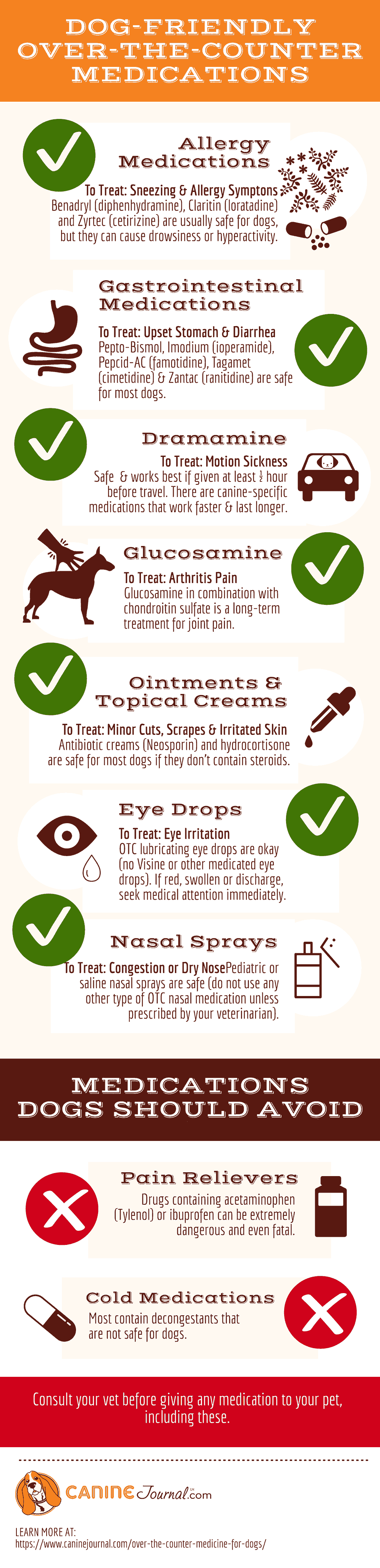
Finding the right over-the-counter antibiotic for dogs can help treat minor cuts and infections. Many pet owners prefer safe and easy options at home. Several OTC antibiotics work well for dogs. They can reduce bacteria and help wounds heal faster.
Each product has different uses and safety tips. Knowing these details helps protect your dog’s health. Below are some common OTC antibiotics used for dogs.
Neosporin And Its Uses
Neosporin is a popular antibiotic ointment. It contains three antibiotics to fight bacteria. This ointment works well on minor cuts, scrapes, and burns. Applying a thin layer can prevent infections. Avoid using Neosporin on deep wounds or large areas. Some dogs may lick it off, so watch them closely. It is best for small, clean injuries.
Bacitracin And Safety
Bacitracin is another common antibiotic ointment. It fights bacteria on the skin surface. Bacitracin is gentle and often found in first aid creams. Use it on small wounds and scratches. Do not use Bacitracin if your dog shows signs of allergy. Always check the label for pet safety. Avoid using it on open or infected wounds without vet advice.
Polysporin Benefits
Polysporin combines two antibiotics to kill bacteria. It is helpful for minor skin infections and cuts. Polysporin is less likely to cause irritation than some other products. It can speed healing and lower infection risks. Apply a small amount on the affected area. Keep your dog from licking the ointment off. Polysporin is a good choice for sensitive skin.
Hydrogen Peroxide Considerations
Hydrogen peroxide is often used to clean wounds. It kills bacteria by bubbling on contact. Use it with caution on dogs. It can slow healing by damaging healthy cells. Only use hydrogen peroxide on fresh, small wounds. Avoid repeated use or large amounts. Consult a vet before applying it to serious injuries. It is not an antibiotic but a disinfectant.
Choosing The Right Antibiotic
Choosing the right antibiotic for your dog is very important. Not all antibiotics work the same for every infection. Picking the best one helps your dog heal faster and stay safe.
There are many types of antibiotics available over the counter. Each type targets different kinds of bacteria. Using the wrong antibiotic can cause more harm than good.
Knowing the right factors to consider can guide your choice. It helps you select an antibiotic that fits your dog’s needs and health condition.
Factors To Consider
Check the type of infection your dog has. Some antibiotics only fight certain bacteria. Think about your dog’s age and weight too. The dose must match these details.
Look at the antibiotic’s side effects. Some may cause stomach upset or other problems. Your dog’s overall health matters. Dogs with liver or kidney issues need special care.
Also, consider how easy it is to give the medicine. Pills or creams? Choose what suits your dog best. This helps you complete the full treatment course.
Allergies And Sensitivities
Some dogs have allergies to certain antibiotics. These allergies can cause itching, swelling, or worse reactions. Know if your dog has had reactions before.
Watch for signs of sensitivity during treatment. Stop the medicine and see a vet if problems appear. Always keep a close eye on your dog’s response.
Ask a vet about safe options if allergies exist. They can recommend medicines that avoid common allergens. Safety is the key for your dog’s recovery.
Proper Application Techniques
Proper application techniques are vital for treating your dog’s wounds effectively. Careful steps help prevent infections and speed healing. Follow clear and simple methods for the best results. This guide covers cleaning the wound and applying antibiotics safely.
Cleaning The Wound
Start by washing your hands well. Use clean water or saline to rinse the wound gently. Remove dirt and debris without scrubbing. Pat the area dry with a clean cloth or gauze. Avoid using harsh chemicals like hydrogen peroxide. These can harm the skin and slow healing.
Applying The Antibiotic Safely
Use a clean cotton swab or your finger to apply the antibiotic. Spread a thin layer over the wound. Do not use too much ointment. Excess ointment can trap bacteria and moisture. Keep your dog from licking the area. Use a cone collar if needed. Check the wound daily and reapply the antibiotic as directed on the package.
Risks Of Otc Antibiotic Misuse
Using over-the-counter (OTC) antibiotics for dogs without proper guidance carries risks. These medicines are not always safe or effective without a vet’s advice. Misusing antibiotics can harm your dog’s health and cause bigger problems.
Antibiotic Resistance
Antibiotic resistance happens when bacteria change to survive medicine. This makes infections harder to treat. Misuse of OTC antibiotics speeds up this process. Resistant bacteria can spread to other pets and people. This creates serious health challenges.
Potential Side Effects
OTC antibiotics can cause side effects in dogs. Some dogs may get allergic reactions like itching or swelling. Others might have stomach upset, vomiting, or diarrhea. Wrong dosage or type of antibiotic can worsen health. Always watch your dog closely after giving any medicine.
Alternatives To Otc Antibiotics
Finding the best way to treat your dog’s infection is important. Over the counter (OTC) antibiotics are not always the right choice. Some infections need different care. There are other options to consider for your dog’s health. These alternatives can help your dog heal safely and effectively.
Natural Remedies
Natural remedies can support your dog’s healing process. Honey has natural antibacterial properties. It can help clean wounds and speed healing. Coconut oil is another option. It can soothe skin and fight bacteria. Always check with a vet before using natural treatments. Some remedies work well for minor issues but not serious infections.
Prescription Options
Prescription antibiotics come from your veterinarian. These medicines are made to target specific infections. Your vet will choose the right drug and dose. This approach reduces risks and side effects. Prescription medicines work best for serious or deep infections. Do not give your dog prescription drugs without vet advice. Proper treatment helps avoid resistance and complications.
Tips For Preventing Infections
Preventing infections in dogs is key to keeping them healthy. Simple steps can stop bacteria and germs from causing problems. Good care helps your dog avoid pain and costly treatments. Follow easy tips to reduce infection risks every day.
Hygiene Practices
Clean your dog regularly to remove dirt and germs. Brush their coat to stop mats that trap bacteria. Wash paws after walks to remove harmful substances. Keep their living area clean and dry. Change bedding often to prevent bacteria build-up. Avoid sharing bowls with other pets to limit germ spread.
Regular Vet Checkups
Visit the vet for routine health checks. Early detection catches infections before they worsen. Vaccinations protect against many common illnesses. Discuss any wounds or unusual signs with the vet. Follow the vet’s advice on care and medicines. Regular checkups keep your dog strong and infection-free.

Credit: www.youtube.com
Frequently Asked Questions
What Is The Best Otc Antibiotic For Dogs?
Neosporin is a popular OTC antibiotic for minor dog wounds. Always consult your vet before use to avoid allergies or resistance.
Can I Use Human Antibiotics On My Dog?
Some human antibiotics may harm dogs. Always consult a vet before giving any human medication to your pet.
How Do I Apply Otc Antibiotic Ointment To My Dog?
Clean the wound gently. Apply a thin layer of ointment. Prevent your dog from licking the area until it heals.
Are Otc Antibiotics Safe For All Dog Breeds?
OTC antibiotics are generally safe but may cause reactions in some breeds. Always seek veterinary advice for your dog’s specific needs.
Conclusion
Choosing the right over-the-counter antibiotic helps your dog heal faster. Always read labels carefully and follow instructions well. Watch your dog for any signs of allergies or side effects. Consult a vet if symptoms do not improve or worsen. Proper care and attention keep your pet safe and healthy.
Treat infections early to avoid bigger health problems. Your dog deserves the best care you can give. Keep learning about safe treatments for your furry friend.