Have you ever wondered which dog breeds look and act the most like wolves? If you’re curious about the connection between your furry friend and their wild ancestors, you’re in the right place.
Understanding which dogs share the closest traits with wolves can change how you see them—and maybe even how you care for them. Keep reading to discover the breeds that bring you face-to-face with the wild side of dogs. Your next pet might just surprise you.
Traits Linking Dogs And Wolves
Dogs and wolves share many traits that show their close relationship. These traits help explain why some dog breeds look and act like wolves. Understanding these links reveals the deep connection between the two species.
Traits like genetics, behavior, and appearance all play a part. Each area shows how dogs have kept some wolf features through thousands of years.
Genetic Similarities
Dogs and wolves share about 99.9% of their DNA. This close genetic match means they come from a common ancestor. Scientists use DNA tests to find which dog breeds are closest to wolves. Breeds like the Alaskan Malamute and Siberian Husky have genes very similar to wolves. These breeds carry many ancient traits passed down from wolf ancestors.
Behavioral Traits
Dogs with wolf-like behavior often show strong pack instincts. They like to follow a leader and work as a team. Many wolf-like breeds are very loyal and protective of their family. These dogs can be independent and alert, traits that helped wolves survive in the wild. Their hunting and tracking skills also reflect wolf behavior.
Physical Characteristics
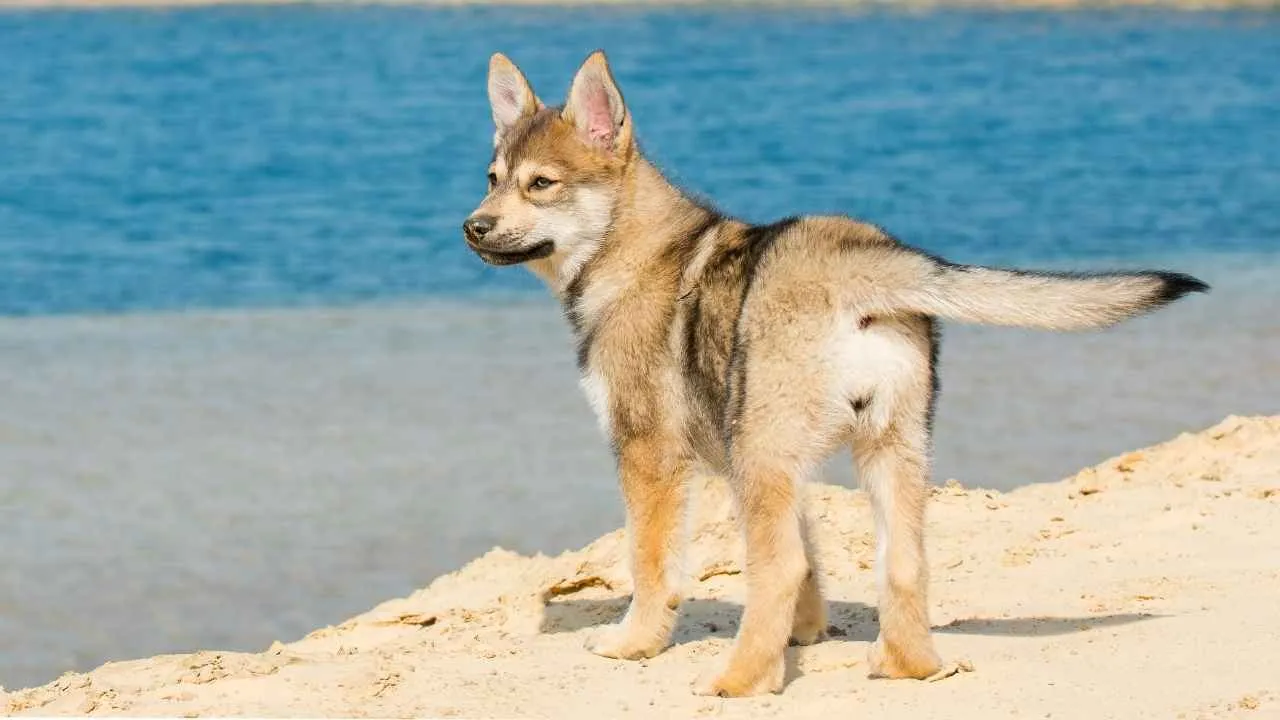
Wolf-like dogs have thick fur and sharp, erect ears. Their eyes often show a wild, intense look similar to wolves. They have strong jaws and long legs built for running. These dogs usually have a bushy tail that curls or hangs low. Their body shape is lean but muscular, which helps with endurance. These physical traits make them look very much like wolves.
Credit: worldanimalfoundation.org
Top 7 Dog Breeds Closest To Wolves
Dogs have a long history with wolves. Many breeds still look like their wild ancestors. These dogs have strong bodies and thick fur. They often act like wolves too. Here are seven dog breeds closest to wolves.
Siberian Husky
Siberian Huskies have thick coats and blue eyes. They come from cold places and were used for sledding. Their appearance is very wolf-like. They are strong and fast runners. Huskies are friendly but independent.
Alaskan Malamute
Alaskan Malamutes are bigger than Huskies. They have powerful builds made for pulling heavy loads. Their fur is dense and keeps them warm. They look like wolves with their strong jaws and alert eyes. Malamutes are loyal and calm.
Czechoslovakian Wolfdog
This breed was created by crossing wolves and German Shepherds. They have a wolf-like shape and sharp instincts. Czechoslovakian Wolfdogs are brave and smart. They need lots of exercise and mental tasks. Their loyalty is strong.
Tamaskan Dog
Tamaskans were bred to look like wolves. They have thick fur and long legs. These dogs are gentle and friendly. Tamaskans enjoy being with families. They need plenty of space to run and play.
Utonagan
The Utonagan is a mix of wolf-like breeds. They have thick coats and wolf-like faces. These dogs are calm and loving. Utonagans like being part of a pack. They do well with children and other pets.
Canadian Eskimo Dog
Canadian Eskimo Dogs are strong and hardy. They helped people in the Arctic for many years. Their thick fur protects them from cold weather. These dogs have a wolf-like look. They are loyal and hardworking.
Northern Inuit Dog
Northern Inuit Dogs look very much like wolves. They were bred to have a wild appearance. These dogs are friendly and intelligent. They enjoy outdoor activities. Northern Inuits need a strong owner to guide them.
Origins Of Wolf-like Breeds
Many dog breeds share a close link to wolves. These breeds often show wolf-like looks and traits. Their origins tell us about how humans shaped dogs over time. Understanding these origins helps us see why some dogs look and behave like wolves.
Historical Background
Dogs first came from wolves thousands of years ago. Early humans tamed wolves for help with hunting and protection. Over time, people bred these animals to keep useful traits. This selective breeding changed wolves into different dog breeds. Some breeds kept many wolf features.
Breeding Purpose
People bred wolf-like dogs for many reasons. Some needed strong dogs for guarding homes and livestock. Others wanted dogs that could work in cold climates. These dogs needed thick fur and high endurance. Breeders chose dogs that looked and acted like wolves. This helped keep their wild appearance and skills.
Geographic Influence
Where people lived affected dog breeding. In cold regions, dogs needed heavy fur to survive. In forests or mountains, dogs needed sharp senses and agility. These conditions helped keep wolf traits in some breeds. Geography shaped not only dog looks but also their behavior.

Credit: www.msn.com
Wolf Traits In Modern Dogs
Many modern dogs show traits similar to wolves. These traits come from their shared ancestry. Some dog breeds look and act much like wolves. Understanding these traits helps us learn more about our canine friends.
Appearance And Coat
Some dogs have a wolf-like look. Their bodies are strong and lean. They often have long legs and sharp eyes. Their ears are usually pointed and stand up.
Coats of these dogs are thick and dense. Colors range from gray to brown and black. The fur helps protect them from cold weather. Many have a double coat like wolves do.
Temperament And Behavior
Dogs closest to wolves often show similar behaviors. They are independent but loyal to their pack. These dogs can be cautious with strangers. They have strong hunting instincts and high energy.
They like to explore and need plenty of exercise. Their intelligence helps them solve problems. Social bonds are important for them. They often show protective and alert behavior.
Vocalizations And Communication
Wolf-like dogs use sounds to talk, like wolves. Howling is common and helps them connect with others. Barking varies but is often less frequent than in other dogs.
They use body language to show feelings. Tail position, ear movement, and posture say a lot. Understanding these signals helps owners build trust. Communication is key for their social life.
Challenges Of Wolf-like Dogs
Dogs that closely resemble wolves bring unique challenges for owners. These wolf-like dogs need special care and attention. Their behavior and needs differ from typical dogs. Understanding these challenges helps ensure a happy life for both dog and owner.
Training Difficulties
Wolf-like dogs often have strong instincts. They may not respond well to normal training methods. Consistency and patience are essential for success. These dogs can be stubborn and independent. Early training helps manage their wild nature.
Exercise And Space Needs
These breeds require lots of exercise daily. Small homes or apartments rarely meet their needs. They thrive in large, secure outdoor spaces. Without enough activity, they may become bored or destructive. Regular walks and playtime keep them healthy and happy.
Socialization Requirements
Socializing wolf-like dogs needs extra effort. They may be wary of strangers and other animals. Early and frequent social experiences are crucial. Proper socialization reduces fear and aggression. Friendly, controlled environments help build trust and confidence.
Credit: worldanimalfoundation.org
Choosing A Wolf-like Dog
Choosing a wolf-like dog is a big decision. These dogs have unique traits and needs. They often look like wolves and have strong instincts. Not all homes suit these dogs. Knowing what to expect helps you give the right care. It also keeps both you and the dog happy. Understanding their lifestyle needs, care, and legal rules is important before bringing one home.
Lifestyle Compatibility
Wolf-like dogs need lots of space to run and play. They enjoy outdoor activities and exercise. Small apartments are not good for them. These dogs need strong leadership and training. They can be shy or wary of strangers. Families with young children should think carefully. Time and patience are key to bonding with them. Without enough attention, they may become bored or anxious.
Care And Maintenance
These dogs have thick fur that sheds a lot. Regular brushing helps keep their coat healthy. Bathing should be done only when necessary. They need a balanced diet to stay strong. Regular vet visits are important for their health. Mental stimulation is as important as physical exercise. Puzzle toys and training sessions keep their minds active. Grooming and care take time and effort every day.
Legal And Ethical Considerations
Some wolf-like dogs are restricted by law in certain places. Check local rules before getting one. Owning these dogs may require special permits. Ethical ownership means respecting the dog’s nature and needs. Avoid supporting illegal breeding or trading. Rescue organizations sometimes have these dogs available. Adopting from shelters can save a life. Being responsible helps protect both dogs and communities.
Frequently Asked Questions
Which Dog Breeds Resemble Wolves The Most?
Breeds like the Alaskan Malamute, Siberian Husky, and Czechoslovakian Wolfdog closely resemble wolves. They share physical traits and behaviors inherited from their wild ancestors.
Why Do Some Dogs Look Like Wolves?
Certain dogs retain wolf-like features due to their ancient lineage and selective breeding. These traits include thick fur, erect ears, and similar body structure.
Are Wolf-like Dog Breeds Good Family Pets?
Yes, wolf-like dogs can be loyal pets but require experienced owners. They need plenty of exercise, socialization, and mental stimulation to thrive in homes.
How Do Wolfdog Hybrids Differ From Wolf-like Breeds?
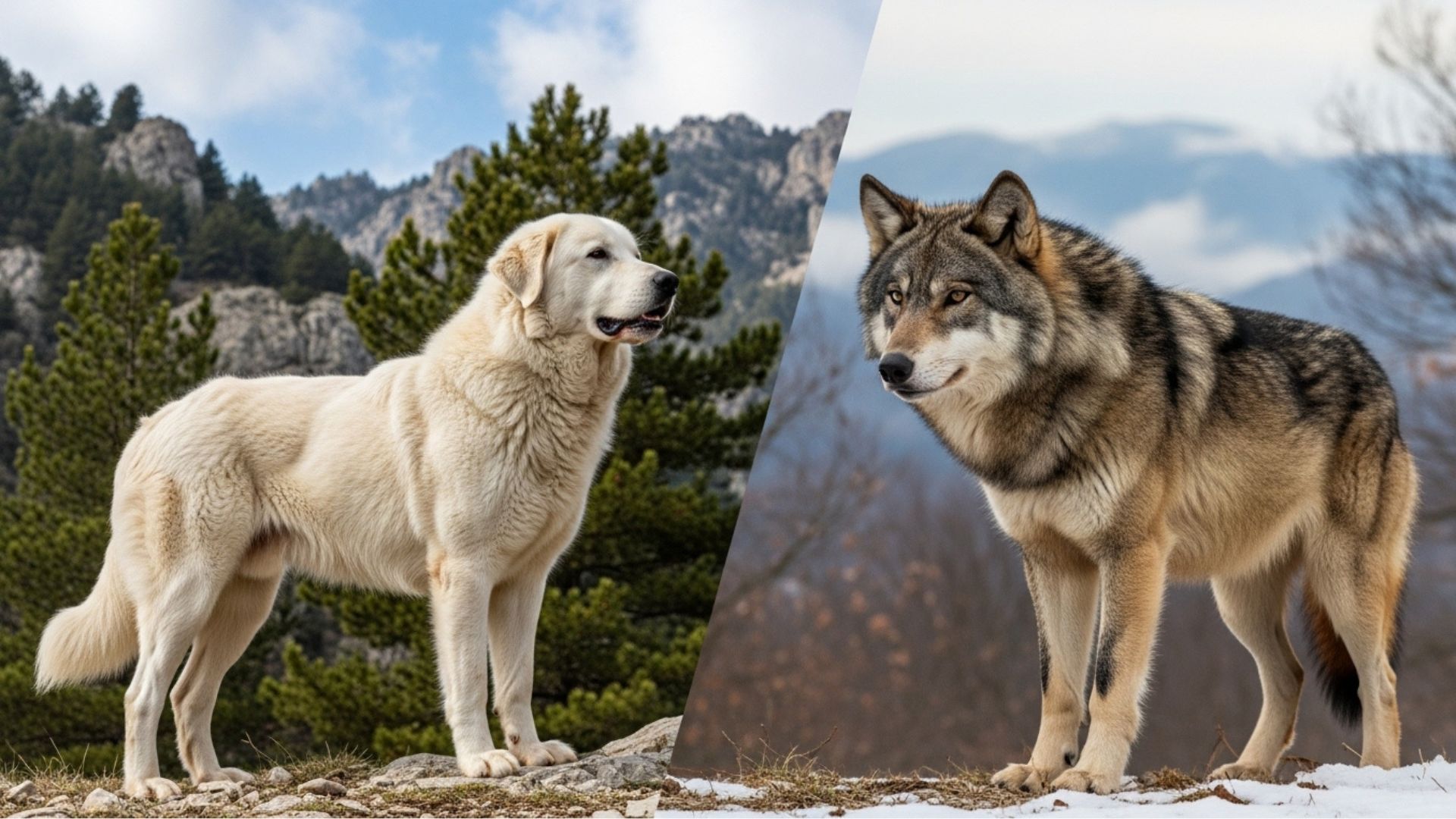
Wolfdog hybrids have direct wolf ancestry, making their behavior less predictable. Wolf-like breeds resemble wolves but are fully domesticated with stable temperaments.
Conclusion
Dog breeds closest to wolves show many wild traits. They often have strong bodies and sharp senses. These dogs need lots of exercise and space. Training and patience help build a good bond. Knowing their wolf-like nature helps owners care better.
Choosing the right dog means matching energy and lifestyle. These breeds bring a bit of the wild home. They remind us of nature’s power and beauty. Understanding them helps keep both dog and owner happy. A wolf-like dog can be a loyal, loving friend.