

You want the best for your dog, right? That means knowing exactly what nutrients they need to stay happy and healthy.
But with so much information out there, it can be confusing to figure out what really matters. This guide will break down the key nutritional values your dog needs every day. Understanding these will help you make smarter choices about their food and care.
Keep reading to discover how you can give your furry friend the nutrition they deserve.
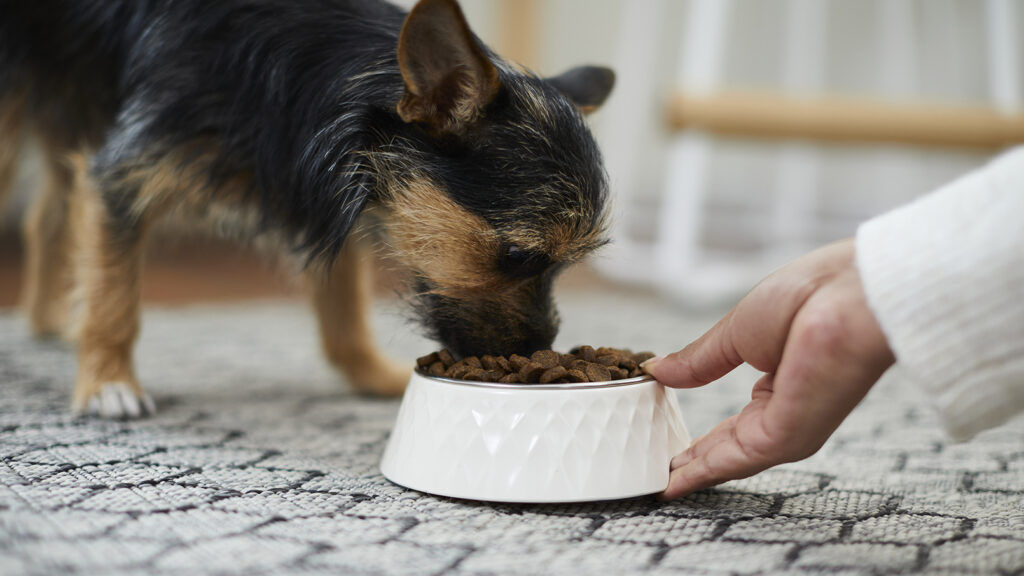
Credit: www.chewy.com
Key Nutrients For Dogs
Dogs need a balanced diet to stay healthy and active. Nutrients help build strong muscles, support organs, and keep energy levels up. Understanding key nutrients helps you choose the right food for your dog.
Each nutrient plays a special role in your dog’s body. Some provide energy, while others repair tissues or boost the immune system. A mix of these nutrients keeps dogs happy and well.
Proteins And Amino Acids
Proteins are the building blocks of a dog’s body. They repair tissues and build muscles. Amino acids, found in proteins, help make enzymes and hormones. Dogs need high-quality proteins from meat, fish, or eggs.
Fats And Fatty Acids
Fats give dogs energy and keep their skin healthy. Fatty acids like omega-3 and omega-6 support brain and eye health. Good fats also help absorb vitamins and keep the coat shiny.
Carbohydrates Role
Carbohydrates provide quick energy for dogs. They also supply fiber, which aids digestion. Whole grains and vegetables are good sources of carbohydrates. Fiber helps keep the stomach and intestines healthy.
Vitamins Essentials
Vitamins support many body functions in dogs. Vitamin A helps with vision and skin health. B vitamins boost energy and nervous system. Vitamin D helps bones grow strong. Dogs get vitamins from fresh foods and supplements.
Minerals Importance
Minerals like calcium and phosphorus build strong bones and teeth. Iron carries oxygen in the blood. Zinc supports the immune system and healing. Dogs need a balanced amount of minerals for overall health.
Water Needs
Water is vital for all dogs. It helps regulate body temperature and aids digestion. Dogs should have fresh water available all day. Proper hydration keeps organs working well and prevents illness.
Daily Nutritional Requirements
Daily nutritional requirements are vital for a dog’s health and happiness. Dogs need the right balance of calories, proteins, fats, vitamins, and minerals each day. These nutrients help maintain energy, support growth, and keep their immune system strong. Meeting these needs prevents health problems and keeps dogs active.
Caloric Needs By Size
Small dogs need fewer calories than big dogs. Their metabolism is faster but their total energy use is lower. Medium dogs fall in between. Large dogs need more calories to support their bigger bodies. Feeding the right calorie amount prevents weight gain or loss.
Age-based Nutrient Needs
Puppies require more protein and energy for growth. Adult dogs need balanced nutrients to maintain health. Senior dogs need fewer calories but more fiber and certain vitamins. Adjusting diet by age helps dogs stay strong and live longer.
Activity Level Impact
Active dogs burn more calories daily. Working or highly active dogs need more protein and fat. Less active or indoor dogs need fewer calories to avoid weight issues. Matching food to activity keeps dogs fit and energetic.
Special Dietary Needs
Some dogs have allergies or health conditions. They may need grain-free, low-fat, or special protein diets. Dogs with kidney or heart problems need tailored nutrition. Special diets help manage health and improve quality of life.
Best Food Sources
Choosing the best food sources is key to keeping dogs healthy and strong. Dogs need a mix of nutrients from different foods. These include proteins, fats, vitamins, and minerals. The right foods support their energy, growth, and overall health. Here are the best food sources for dogs.
Animal-based Proteins
Animal proteins provide essential amino acids for dogs. Meat like chicken, beef, and lamb is rich in protein. Fish offers omega-3 fatty acids that help skin and coat. Eggs are a great source of protein and vitamins. These proteins build muscles and repair tissues.
Plant-based Ingredients
Plants give important nutrients and fiber. Vegetables like carrots and peas supply vitamins and antioxidants. Brown rice and sweet potatoes offer energy through carbohydrates. Fiber from plants aids digestion and keeps the gut healthy. Dogs benefit from a balance of plant and animal foods.
Commercial Dog Foods
Commercial foods are made to meet dogs’ nutritional needs. They come in dry kibble or canned forms. Quality brands use real meat and added vitamins. These foods save time and provide balanced nutrition. Always pick products with clear ingredient lists and no fillers.
Homemade Diets
Homemade meals let owners control ingredients and freshness. Cooking meat, vegetables, and grains can meet dogs’ needs. Recipes must be balanced to avoid nutrient gaps. Consulting a vet ensures homemade diets support health. Proper planning makes homemade food safe and healthy.

Credit: www.bowlerspets.com
Supplements And Additives
Supplements and additives can support your dog’s health in many ways. They provide extra nutrients that might be missing from regular food. Not all dogs need supplements, but some benefit from them. These products can help improve joints, coat, digestion, and overall well-being.
When To Use Supplements
Use supplements if your dog has special health needs. Older dogs often need joint support. Dogs with allergies may require extra vitamins. Puppies growing fast might need additional nutrients. Always check with a vet before starting supplements.
Common Beneficial Supplements
Glucosamine supports healthy joints and mobility. Omega-3 fatty acids improve skin and coat. Probiotics help with digestion and gut health. Vitamins like E and C boost immunity. These are safe and often recommended for dogs.
Risks Of Over-supplementation
Too many supplements can harm your dog. Overdosing vitamins may cause stomach upset or worse. Some minerals in excess can damage organs. Always follow dosage instructions carefully. Consult a vet to avoid health risks.
Signs Of Nutritional Deficiencies
Dogs need proper nutrition to stay healthy and active. Signs of nutritional deficiencies can appear slowly. Spotting these signs early helps prevent serious health problems. Watch for changes in your dog’s body and behavior. These clues reveal if your dog lacks essential nutrients.
Common Deficiency Symptoms
Loss of appetite is a common sign. Your dog may also lose weight without reason. Dull or dry fur shows poor nutrition. Weak muscles and lack of energy often appear. Frequent infections or slow healing wounds can occur. These symptoms suggest your dog’s diet lacks vital nutrients.
Behavioral Changes
Notice if your dog acts restless or irritable. Sudden tiredness or lack of interest in play is a red flag. Confusion or poor coordination may show brain nutrient shortages. Changes in sleep patterns can happen too. These behavior shifts often link to missing vitamins or minerals.
Physical Health Indicators
Check your dog’s skin for redness or sores. Swollen joints or stiffness might signal deficiency. Pale gums can mean low iron or anemia. Weak bones and frequent fractures suggest calcium lack. Poor growth in puppies also shows poor nutrition. These physical signs need immediate attention and diet review.
Feeding Tips For Optimal Health
Feeding dogs the right way supports their health and happiness. Proper nutrition helps maintain energy, strong bones, and a shiny coat. Understanding how to feed your dog is key. Small changes can improve their well-being.
Meal Frequency And Portions
Most adult dogs do well with two meals per day. Puppies need more frequent feeding, about three to four times daily. Measure portions based on your dog’s size and activity level. Avoid overfeeding to prevent weight gain. Use a standard measuring cup for accuracy. Consistent meal times help with digestion and behavior.
Hydration Strategies
Water is vital for your dog’s health. Always provide fresh, clean water. Check water bowls several times daily. During hot days or after exercise, increase water availability. Wet dog food can also add moisture. Avoid giving milk as many dogs are lactose intolerant.
Avoiding Toxic Foods
Certain foods can harm your dog. Never feed chocolate, grapes, onions, or garlic. These can cause illness or worse. Avoid giving bones that splinter, like chicken bones. Keep household plants and chemicals out of reach. Always check before offering new foods. When unsure, choose safe dog treats instead.

Credit: www.elderdoghealth.com
Frequently Asked Questions
What Are Essential Nutrients Dogs Need Daily?
Dogs require proteins, fats, carbohydrates, vitamins, and minerals daily. These nutrients support growth, energy, and overall health. Balanced nutrition prevents deficiencies and diseases. High-quality dog food usually contains these essential nutrients in proper amounts.
How Much Protein Do Dogs Need In Their Diet?
Dogs need about 18-25% protein in their daily diet. Protein helps build muscles, repair tissues, and boost immunity. Puppies and active dogs may require higher protein levels for growth and energy.
Why Are Fats Important In A Dog’s Nutrition?
Fats provide energy, support cell function, and improve coat health. They also help absorb fat-soluble vitamins A, D, E, and K. Omega-3 and Omega-6 fatty acids are crucial for inflammation control and brain function.
Can Dogs Eat Carbohydrates, And Why?
Yes, carbohydrates provide a good energy source for dogs. They also supply fiber, aiding digestion and maintaining gut health. Complex carbs like sweet potatoes and brown rice are preferred over simple sugars.
Conclusion
Dogs need balanced nutrition to stay healthy and happy. Proteins, fats, vitamins, and minerals all play key roles. Each nutrient supports different body functions and energy levels. Feeding dogs the right food helps their growth and immune system. Always choose diets that suit your dog’s age and size.
Regular vet check-ups ensure their nutritional needs are met. Good nutrition leads to a longer, active life for your dog. Remember, simple and balanced meals keep your dog strong and joyful. Caring for your dog’s diet shows love and responsibility.


