

You want the best for your 7-month-old puppy, especially when it comes to their food. But you might be wondering, can your growing pup start eating adult dog food now?
Making the right choice about what to feed your puppy is important for their health and happiness. You’ll discover exactly when and why you should switch from puppy food to adult dog food. Keep reading to make sure your furry friend gets the nutrition they need to thrive.
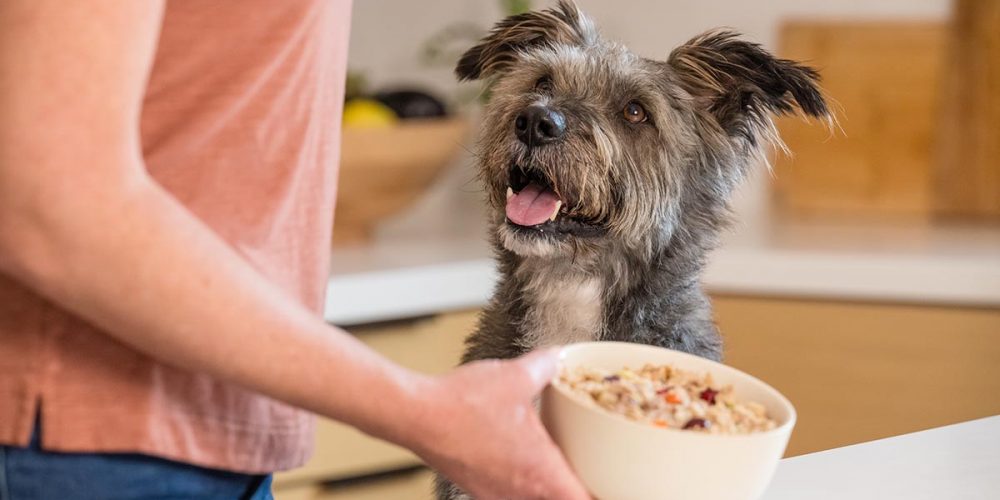
Credit: blog.justfoodfordogs.com
Puppy Nutritional Needs
Puppies need special food to grow strong and healthy. Their bodies develop fast. Nutrients in their diet help build bones, muscles, and the brain. Choosing the right food matters for their future health.
Adult dog food may not meet a puppy’s needs. It often lacks enough protein and fat. Puppies also require extra vitamins and minerals. These help support their quick growth and energy levels.
Growth And Development
Puppies grow quickly in the first year. Their bones and muscles get bigger every day. This growth needs more calories than adult dogs need. Food with high energy supports this rapid change. Without enough energy, puppies may become weak or stunted.
The brain and nerves also develop fast. Good nutrition helps improve learning and coordination. Feeding a puppy adult food can slow this progress. Puppy food is designed to support all these changes.
Key Nutrients For Puppies
Protein is crucial for building muscles and tissues. Puppies need more protein than adult dogs. Fat provides energy and helps absorb vitamins. It also supports healthy skin and fur.
Calcium and phosphorus are important for strong bones and teeth. Puppies need the right balance to avoid bone problems. Vitamins like A, D, and E help with vision, immune health, and cell repair.
Adult dog food often lacks these nutrients in proper amounts. Puppy food is made to meet these specific needs. Feeding the right diet helps puppies grow into healthy adults.
Differences In Puppy And Adult Dog Food
Puppy food and adult dog food have important differences. These differences support a puppy’s fast growth and high energy. Puppies need more nutrition to develop strong bones and muscles. Adult dogs require food that helps maintain health and weight. Understanding these differences helps you choose the right food for your 7-month-old puppy.
Calorie Content
Puppy food has more calories than adult dog food. Puppies burn a lot of energy running and playing. They need extra calories to grow properly. Adult dogs have slower metabolisms and need fewer calories. Feeding adult food to a puppy can lead to poor growth.
Protein And Fat Levels
Puppy food contains higher protein and fat levels. Protein builds muscles and supports body repair. Fat provides energy and helps brain development. Adult dog food has less protein and fat. It matches the lower energy needs of grown dogs.
Vitamins And Minerals
Puppy food is rich in vitamins and minerals for growth. Calcium and phosphorus help build strong bones and teeth. Vitamins A and E support immune health. Adult dog food has balanced nutrients for maintenance, not growth. Puppies need extra nutrients to stay healthy and develop well.
Risks Of Feeding Adult Food To Puppies
Feeding adult dog food to a 7-month-old puppy can cause several problems. Puppies have special nutritional needs for their fast growth. Adult food may not support their health fully. This section explains the risks of feeding adult food to puppies.
Nutrient Deficiencies
Puppies need more protein, fat, and certain vitamins than adult dogs. Adult dog food has less of these nutrients. Missing important nutrients can slow down your puppy’s development. It can also affect their immune system and energy levels.
Impact On Growth
Growth is rapid in puppies, especially under one year old. Adult dog food may not provide enough calories for this growth. This lack can cause your puppy to grow too slowly or become weak. Bones and muscles may not form properly without the right nutrients.
Digestive Issues
Puppy stomachs are sensitive and need gentle, balanced food. Adult dog food has different ingredients that might be hard to digest. This can cause upset stomach, diarrhea, or constipation. Digestive problems can make your puppy uncomfortable and affect their nutrient absorption.
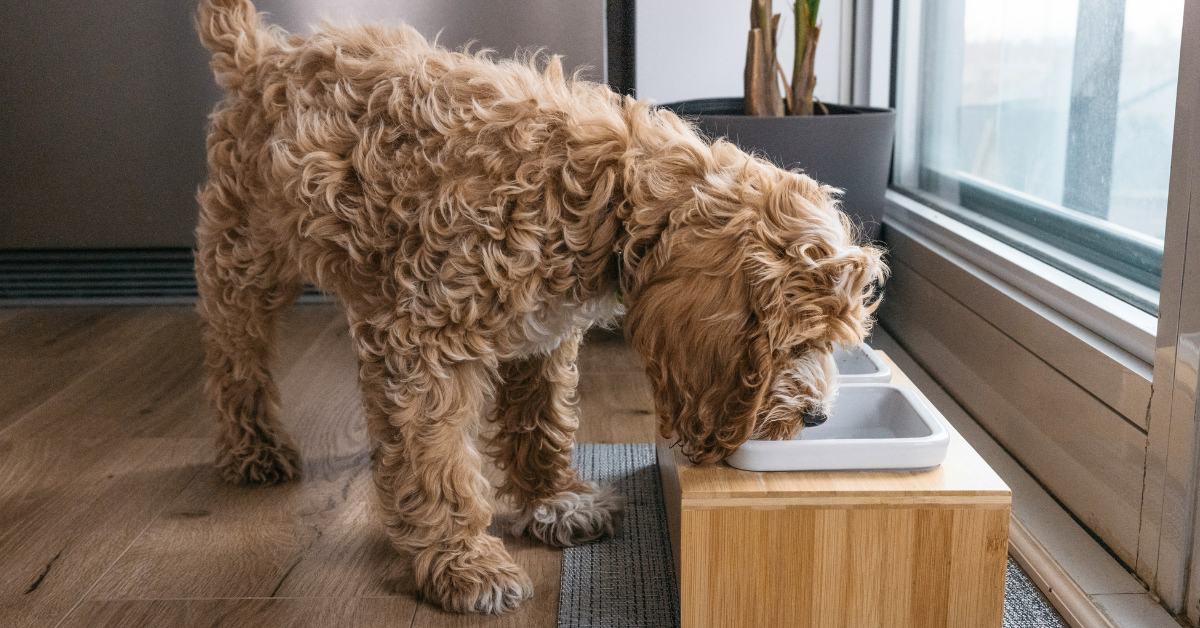
Credit: www.acanapetfoods.co.uk
When To Transition To Adult Food
Knowing when to switch your puppy to adult dog food is important for their health. Puppies have different nutritional needs than adult dogs. Feeding the right food at the right time helps your dog grow strong and healthy.
Choosing the right moment depends on your puppy’s growth and breed size. Watch their behavior and physical changes closely. These clues will help you decide the best time to make the change.
Breed Size Considerations
Small and large breeds grow at different rates. Small breeds usually mature faster than large breeds. They may switch to adult food around 9 to 12 months old. Large breeds need more time and may transition at 12 to 18 months. Their bones and joints develop slowly. Feeding adult food too soon can cause problems.
Signs Puppy Is Ready
Look for signs your puppy is ready for adult food. They may stop growing rapidly or have less energy. Their teeth may look more adult-like. Weight gain should slow down. If your puppy is active and healthy, they might be ready for the change.
Ideal Transition Timeline
Start switching foods gradually over 7 to 10 days. Mix a small amount of adult food with puppy food. Increase the adult food portion each day. This helps avoid stomach upset. Complete the transition once only adult food is left. Follow the timeline based on your puppy’s breed and growth.
How To Switch Dog Food Safely
Switching your puppy’s food requires care to keep them healthy. A sudden change can upset their stomach and cause diarrhea or vomiting. Follow simple steps to make the switch smooth and safe. Watch your puppy closely during this time. Adjust food amounts as needed to match their growth and energy needs.
Gradual Transition Steps
Start by mixing 25% adult dog food with 75% puppy food. Keep this mix for three days. Then change to half adult food and half puppy food for another three days. After that, mix 75% adult food with 25% puppy food. Finally, feed only adult dog food. This slow change helps your puppy’s stomach adjust.
Monitoring Your Puppy
Check your puppy’s stool daily. Look for loose stools or diarrhea. Watch for vomiting or signs of discomfort. Note changes in appetite or energy. If problems appear, slow down the transition. Talk to your vet if issues continue. Early detection keeps your puppy safe and happy.
Adjusting Portions
Adult dog food has different calories than puppy food. Adjust portions to avoid overfeeding or underfeeding. Follow the feeding guide on the adult dog food package. Watch your puppy’s weight and energy level. Increase or decrease food amount as needed. Healthy growth needs the right portion size.
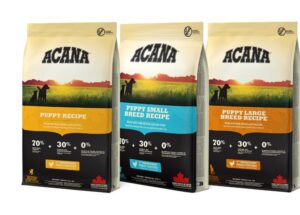
Credit: www.acanapetfoods.co.uk
Expert Tips For Feeding A 7 Month Old Puppy
Feeding a 7 month old puppy needs careful thought. This stage is crucial for growth and health. Proper nutrition helps build strong bones and muscles. It also supports energy and brain development. Following expert tips ensures your puppy gets the right food. This helps avoid health problems later in life.
Consulting Your Veterinarian
Talk to your vet about your puppy’s diet. They know what nutrients your puppy needs. Vets can suggest the best food type and brand. They may advise when to switch to adult dog food. Regular check-ups help track your puppy’s growth. The vet can adjust feeding plans if needed.
Choosing Quality Food
Pick dog food with high-quality ingredients. Look for foods made for puppies or all life stages. Protein is important for muscle growth. Avoid foods with fillers like corn or soy. Check for added vitamins and minerals. These support immune health and strong bones. Always read the label carefully.
Balancing Treats And Meals
Keep treats small and limited in number. Too many treats can upset your puppy’s diet. Treats should not replace balanced meals. Use treats mainly for training or rewards. Make sure meals meet all nutritional needs. Consistent feeding times help with digestion and behavior.
Frequently Asked Questions
Can A 7-month-old Puppy Eat Adult Dog Food?
Yes, a 7-month-old puppy can start eating adult dog food. However, transition gradually to avoid digestive issues. Puppies need nutrient-rich food for growth, so consult your vet before switching.
When Should I Switch My Puppy To Adult Food?
Most puppies can switch to adult food around 12 months. Some medium breeds can transition at 9 months. Always consider breed size and vet advice for the best timing.
What Are Risks Of Feeding Adult Food Too Early?
Feeding adult food too early may cause nutrient deficiencies. Puppies need higher protein and calories for growth. Early switching can stunt development and weaken immunity.
How To Transition Puppy To Adult Dog Food Safely?
Mix adult food with puppy food gradually over 7-10 days. Increase adult food amount while decreasing puppy food. Monitor your puppy’s digestion and energy levels during the switch.
Conclusion
Feeding your 7-month-old puppy adult dog food needs care. Puppies have special needs for growth and energy. Adult food may lack important nutrients puppies require. Gradual change helps avoid stomach upset. Consult your vet for the best advice. Watch your puppy’s health and behavior closely.
Healthy food supports strong bones and a shiny coat. Choose the right food to help your puppy grow well. The goal is a happy, healthy dog for years.

