

Have you ever wondered just how many dog breeds the American Kennel Club (AKC) recognizes? If you’re curious about the variety of dogs out there, you’re in the right place.
Knowing the exact number of AKC breeds can help you find the perfect dog that matches your lifestyle and personality. By the end of this article, you’ll discover surprising facts about these breeds and gain insights that could change the way you see your furry friend.
Keep reading—you won’t want to miss this!
Akc Breed Recognition
The American Kennel Club (AKC) is the main organization that recognizes dog breeds in the United States. It maintains a list of official dog breeds. This list grows as new breeds gain recognition. The AKC breed recognition helps keep dog breed standards clear and consistent. It also supports dog shows and competitions.
Each dog breed recognized by the AKC meets strict rules. These rules ensure the breed is well-defined and stable. The process to add new breeds is careful and detailed. This protects the integrity of the breed registry.
Criteria For Breed Acceptance
The AKC looks for specific traits before accepting a breed. The breed must have a stable population of dogs. It needs a clear and unique breed history. The breed must have a written standard describing its appearance and behavior. The AKC also checks if the breed is healthy and safe for people.
Another key factor is the breed’s presence in the United States. There should be enough dogs and breeders in the country. This shows the breed is established and sustainable. Without these, the AKC may delay or deny recognition.
Process Of Adding New Breeds
To add a new breed, breeders and clubs apply to the AKC. They provide detailed information about the breed. This includes history, standards, and population data. The AKC reviews this information carefully.
Next, the breed enters the Foundation Stock Service. This is a program for new breeds. It allows tracking and registration while the breed gains popularity. After meeting all requirements, the breed gets full AKC recognition. This process can take several years.
Credit: www.newsweek.com
Current Number Of Akc Dog Breeds
The American Kennel Club (AKC) recognizes a wide variety of dog breeds. These breeds come from different backgrounds and serve many roles. From small companions to large working dogs, the AKC catalog is diverse and growing. Knowing the current number helps dog lovers understand the range of choices.
As of now, the AKC officially recognizes 200 dog breeds. This number changes as new breeds meet the AKC’s standards. Each breed has unique traits and histories. The AKC groups these breeds based on their characteristics and original purposes.
Breeds By Group
The AKC divides dog breeds into several groups. These groups include Sporting, Hound, Working, Terrier, Toy, Non-Sporting, Herding, and Miscellaneous. Each group shares common features or tasks dogs were bred to perform.
For example, the Sporting group includes retrievers and spaniels. These dogs are skilled at hunting and fetching. The Working group has breeds like the Siberian Husky and Boxer. These dogs excel in tasks like guarding and pulling sleds.
Grouping makes it easier to understand breed traits. It also helps future owners choose a dog that fits their lifestyle.
Most Popular Breeds
Some breeds stand out for their popularity in the United States. The Labrador Retriever has been the top choice for many years. Known for its friendly nature and intelligence, it suits families well.
Other favorites include the French Bulldog, German Shepherd, and Golden Retriever. These breeds are loved for their loyalty, protection, and companionship. Popular breeds often have traits that appeal to many people.
Popularity also reflects the dog’s adaptability to home life and training. It shows which breeds fit well with modern lifestyles.
Breed Groups Explained
The American Kennel Club (AKC) sorts dog breeds into groups. Each group shares traits and original jobs. These groups help us understand dogs better. They show how breeds are similar or different. Dogs in the same group often have the same size, shape, or energy level.
Let’s explore each breed group. This helps you know what to expect from each type of dog.
Sporting Group
Dogs in this group love water and land hunting. They have strong noses and quick actions. These dogs enjoy running and fetching. They need lots of exercise and playtime. Examples include retrievers and spaniels.
Hound Group
Hounds hunt by sight or smell. Some chase fast, others track slowly. They have strong hunting skills and loud voices. These dogs are loyal and alert. Common breeds are beagles and bloodhounds.
Working Group
Working dogs are strong and smart. They guard, pull sleds, or rescue people. These dogs need jobs to stay happy. They are calm but protective. Examples include boxers and malamutes.
Terrier Group
Terriers are small but full of energy. They were bred to catch pests like rats. These dogs are fearless and bold. They need play and training every day. Popular terriers include the bull terrier and Scottish terrier.
Toy Group
Toy dogs are tiny companions. They love being close to people. These dogs need gentle care and attention. They are great for small homes. Breeds like the Chihuahua and Pomeranian belong here.
Non-sporting Group
This group has diverse dogs with many looks. They do not fit into other groups well. Some are fluffy, some are strong or smart. These dogs adapt well to family life. Dalmatians and bulldogs are part of this group.
Herding Group
Herding dogs control livestock. They are smart and quick learners. These dogs need lots of activity. They work well with families and kids. Border collies and shepherds are good examples.
Miscellaneous Class
This class includes new breeds on the rise. They are not yet fully recognized. Dogs here show promise and unique traits. They wait for full AKC approval. Breeds like the Barbet belong here.
New Breeds Expected In 2025
The American Kennel Club (AKC) plans to add new dog breeds in 2025. These breeds have gained attention for unique traits and growing popularity. New breeds bring fresh choices for dog lovers and expand the AKC family.
Breed recognition requires strict evaluation. The AKC studies each breed’s history, health, and population. Approval means the breed meets high standards and has a strong community of owners and breeders.
Breeds Under Consideration
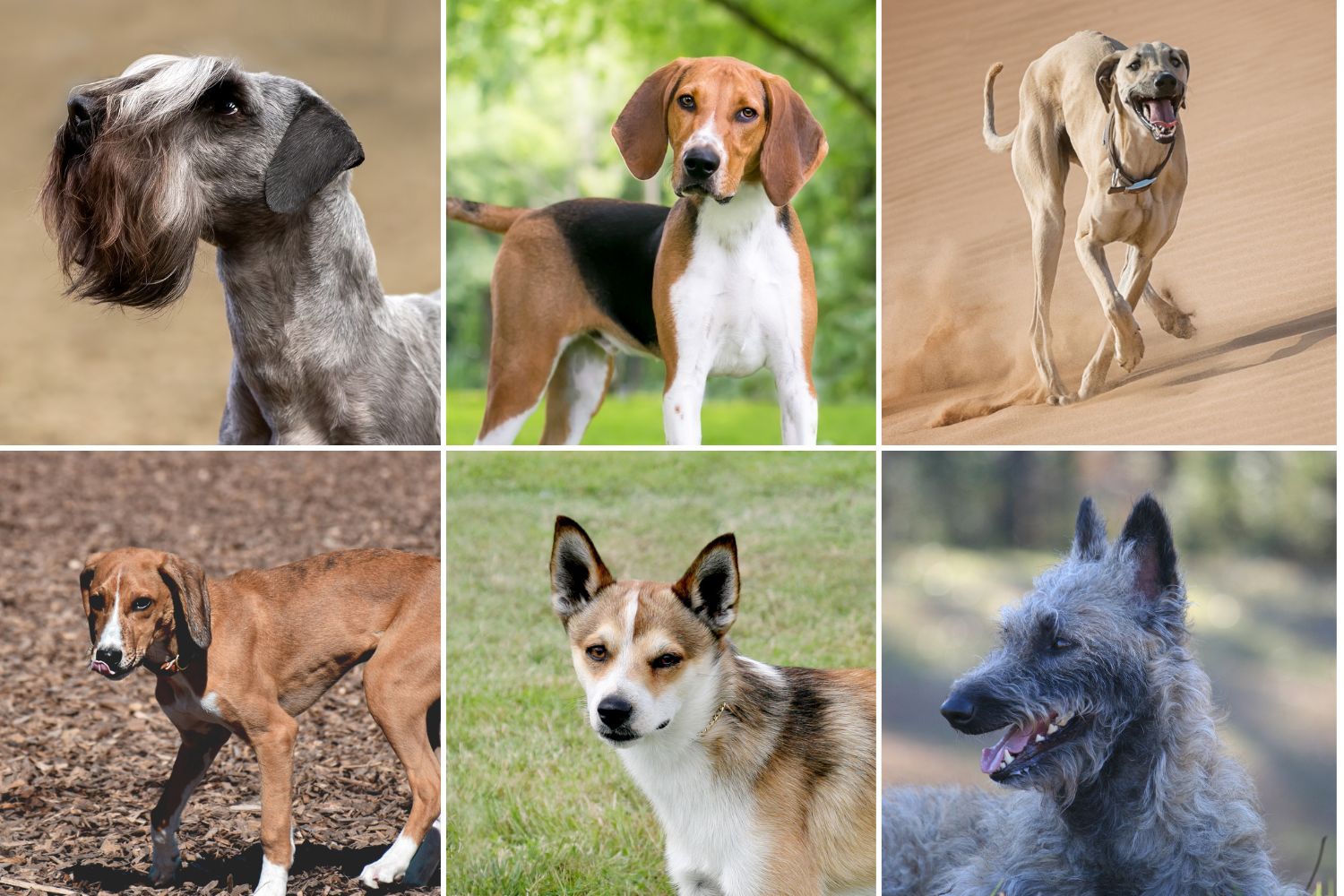
Several breeds are close to AKC recognition. These dogs show distinct qualities and stable breeding populations. Examples include the Belgian Laekenois and the Russian Toy. Each breed must prove consistent traits and health over time.
Committees review breed applications carefully. They look at breed clubs, genetic diversity, and public interest. The process can take years but ensures quality and safety for all dogs.
Trends In Breed Popularity
Trends affect which breeds gain AKC recognition. Small and medium dogs remain popular for city living. Breeds with good temperaments for families also attract attention. Working dogs and rare breeds are gaining new fans.
People want dogs that fit their lifestyle and homes. The AKC watches these trends closely. New breeds often reflect changes in how people live and care for pets.
Comparison With Other Registries
Dog breed registries vary worldwide. Each registry recognizes a different number of breeds. Comparing these registries helps understand their scope and focus.
The American Kennel Club (AKC) is one of the most well-known registries. It recognizes a specific number of breeds. Other registries like the United Kennel Club and Fédération Cynologique Internationale have their lists too.
United Kennel Club (ukc)
The UKC recognizes more dog breeds than the AKC. It focuses on working and hunting dogs. The UKC includes rare and lesser-known breeds. It aims to promote active lifestyles for dogs.
Fédération Cynologique Internationale (fci)
The FCI is the largest international dog registry. It recognizes over 340 breeds worldwide. The FCI groups breeds by origin and function. It represents many countries outside the U.S.
Differences In Breed Recognition
Each registry has different standards for recognizing breeds. Some focus on performance, others on appearance or history. Breed lists vary due to cultural and geographic reasons. New breeds may appear in one registry but not others.
Credit: www.petscare.com
Impact Of Breed Recognition
Breed recognition by the American Kennel Club (AKC) shapes many parts of the dog world. It sets clear rules for each breed. These rules affect breeding, dog shows, and even how people choose pets. Understanding this impact helps us see why AKC recognition matters.
Breeding Standards
The AKC defines strict standards for each recognized breed. These standards describe size, shape, color, and behavior. Breeders follow these rules to keep breeds pure and healthy. It helps avoid mixing breeds that can cause health issues. Clear standards guide breeders to improve dog quality over time.
Dog Shows And Competitions
Only AKC-recognized breeds can compete in official shows. These events judge dogs against their breed standards. Winning dogs often gain fame and higher value. Shows encourage breeders to maintain or improve breed traits. They also educate the public about different breeds and their qualities.
Pet Ownership Trends
Breed recognition influences what dogs people buy as pets. Recognized breeds often gain popularity faster. People trust AKC standards to pick healthy, well-defined dogs. Some breeds become trendy after success in shows. This trend shapes how breeders and pet stores offer dogs to buyers.
Resources For Dog Breed Information
Finding accurate information about dog breeds is important for every dog lover. Reliable resources help you learn about breed traits, history, and care needs. They guide you in choosing the right dog for your lifestyle.
Trusted sources offer detailed, up-to-date breed data. They cover recognized breeds and their standards. You can explore official websites, breed clubs, books, and online databases for thorough knowledge.
Akc Website
The American Kennel Club (AKC) website is a top resource. It lists all AKC-recognized dog breeds with clear descriptions. You find details on breed size, temperament, and health. The site also shows photos and videos of each breed. It updates regularly as new breeds join the AKC.
Breed Clubs And Associations
Breed clubs focus on specific dog breeds. They offer deep insights into breed history and care. Clubs share tips for training and grooming. Members often organize events and shows. These groups support breed preservation and responsible ownership. You can join or contact them for expert advice.
Books And Online Databases
Books written by dog experts provide reliable breed facts. They cover breed origins, traits, and behavior. Many books include breed comparisons and care guides. Online databases collect breed info from many sources. These sites allow easy searching and filtering by size, coat, or activity level. Both books and databases help you learn at your own pace.

Credit: foxchapelpublishing.com
Frequently Asked Questions
How Many Dog Breeds Does The Akc Recognize?
The American Kennel Club (AKC) currently recognizes 200 dog breeds. This number reflects breeds officially registered and standardized by the AKC.
What Criteria Does Akc Use To Recognize Breeds?
AKC recognizes breeds based on distinct traits, history, and breed clubs. Breeds must have a consistent lineage and meet AKC standards.
Are New Dog Breeds Added To The Akc List?
Yes, the AKC periodically adds new breeds. This happens after rigorous evaluation and breed club approval.
How Are Dog Breeds Categorized By The Akc?
The AKC groups breeds into categories like Sporting, Working, and Toy. This helps owners understand breed characteristics and purposes.
Conclusion
The American Kennel Club recognizes over 200 dog breeds today. Each breed has unique traits and history. Knowing the number helps dog lovers appreciate their variety. This diversity shows how special dogs are to people. Whether for work or companionship, there is a breed for everyone.
Exploring breeds can be fun and educational. Keep learning about dogs and enjoy their many qualities. Dogs truly bring joy and friendship worldwide.


