

Are you looking for a furry friend that won’t trigger allergies in your family? Finding the right dog can be tough, especially if someone at home sneezes or has itchy eyes around pets.
But don’t worry—there are dog breeds known for being hypoallergenic, meaning they shed less and produce fewer allergens. You’ll discover the best hypoallergenic dog breeds that fit perfectly into family life. Whether you have kids or just want a loving companion without the sniffles, this guide will help you choose the ideal pup for your home.
Keep reading to find your family’s next best friend!

Credit: pethelpful.com
Benefits Of Hypoallergenic Dogs
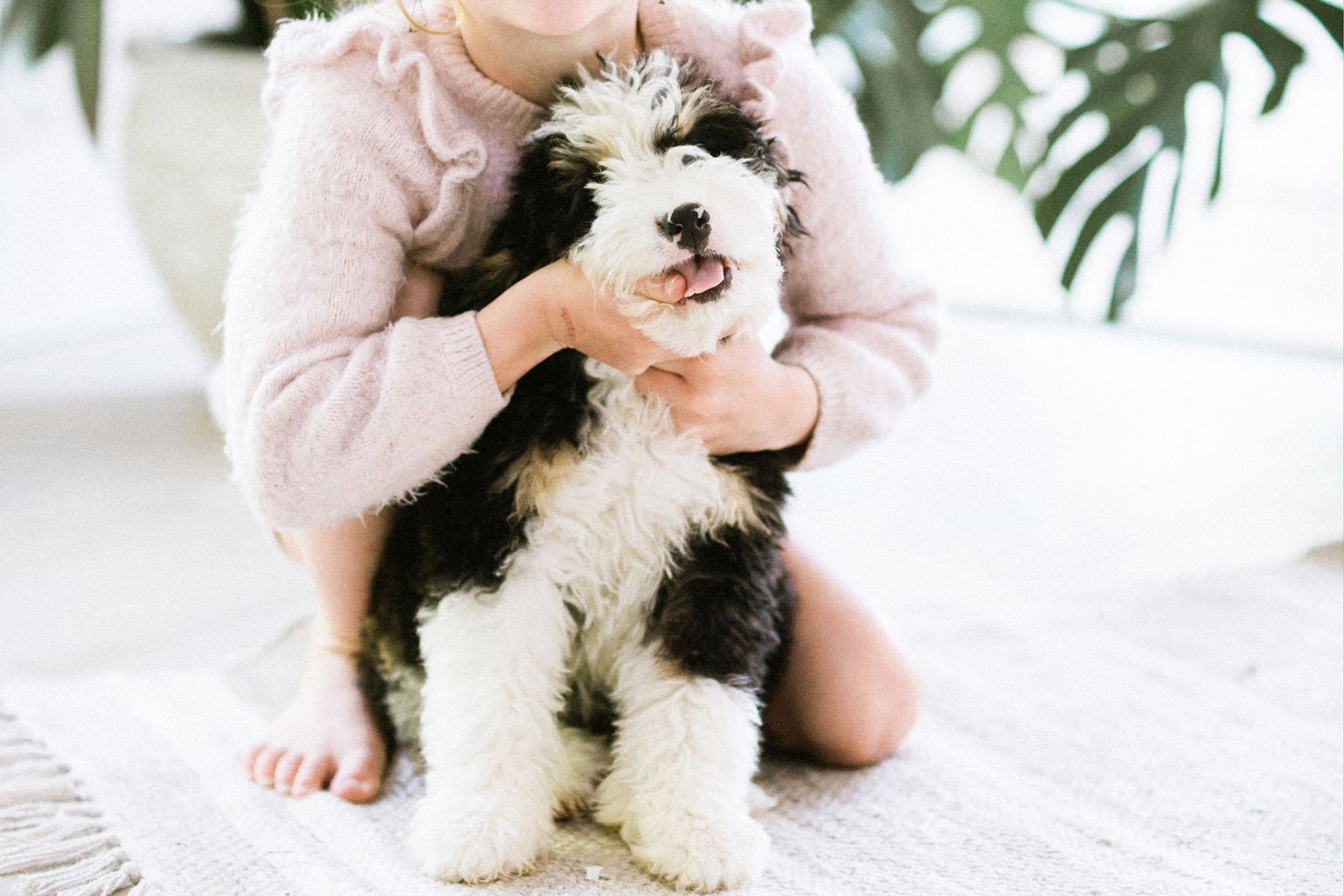
Choosing a hypoallergenic dog brings many benefits to families. These dogs help reduce allergy symptoms. They make it easier for sensitive family members to enjoy pets. Hypoallergenic dogs often shed less or produce fewer allergens. This helps create a cleaner, healthier home environment. Families can enjoy companionship without constant sneezing or itching.
Allergy-friendly Traits
Hypoallergenic dogs have unique traits that limit allergens. They shed very little fur or dander. Dander is a common cause of allergies. Some breeds have hair that grows continuously. This traps allergens instead of spreading them around. Regular grooming also helps keep allergens low. These traits reduce allergic reactions in sensitive people.
Health Advantages For Families
Having a hypoallergenic dog supports family health. It lowers the risk of allergy flare-ups and asthma attacks. Children with allergies can play safely with pets. Hypoallergenic dogs also promote exercise and outdoor activity. Walking or playing with dogs improves physical and mental health. This creates a happier, healthier family life overall.
Credit: www.wisconsindesignerdoodles.com
Key Traits Of Hypoallergenic Breeds
Hypoallergenic dog breeds have special traits that help reduce allergy risks. These traits include the type of coat and their behavior. Understanding these key features helps families choose the right dog. It also ensures a happy, healthy home for everyone.
Coat Types And Shedding
Hypoallergenic dogs often have coats that shed very little. Their fur is usually curly, wavy, or hair-like. These coat types trap dander, which causes allergies, inside the hair. Less shedding means fewer allergens spread around the house. Regular grooming helps keep their coat clean and healthy. This also reduces dander and fur in the air. Some breeds shed almost no hair, making them good for sensitive noses.
Behavior And Temperament
Hypoallergenic breeds often have calm and friendly behavior. They tend to be gentle and good with children. These dogs enjoy family time and adapt well to home life. Many hypoallergenic dogs are smart and easy to train. They respond well to positive guidance and routines. Their temperament makes them great companions for families. These dogs usually stay close and enjoy being part of daily activities.
Top Hypoallergenic Dog Breeds
Choosing a hypoallergenic dog helps reduce allergy symptoms at home. These breeds shed less and produce fewer allergens. They fit well in family life and require regular care.
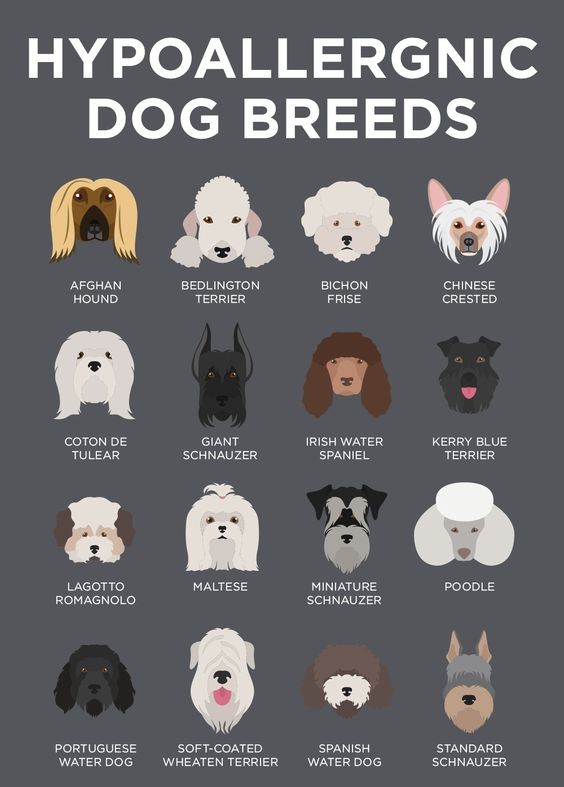
Here are some of the best hypoallergenic dog breeds for families. Each breed has unique traits and suits different lifestyles.
Poodle Varieties
Poodles come in three sizes: standard, miniature, and toy. Their curly coats trap dander, lowering allergy risks. Poodles are smart, active, and easy to train. They enjoy family playtime and daily walks.
Bichon Frise
The Bichon Frise has a soft, curly coat that does not shed much. This breed is cheerful and friendly with kids. Bichons need regular grooming to keep their coat healthy. They love being part of family activities.
Portuguese Water Dog
Known for their curly, waterproof coat, these dogs shed very little. They are energetic and enjoy water and outdoor games. Portuguese Water Dogs are loyal and protective of their family. Regular brushing keeps their coat in good shape.
Schnauzer Breeds
Schnauzers come in three sizes: giant, standard, and miniature. Their wiry coats reduce dander spread. Schnauzers are alert, playful, and good with children. They need consistent grooming to avoid matting.
Maltese
The Maltese has a long, silky white coat that sheds minimally. This breed is gentle, affectionate, and loves attention. Maltese dogs adapt well to apartment living. Frequent brushing prevents tangles and keeps fur clean.
Shih Tzu
Shih Tzus have a dense, flowing coat that sheds little. They are friendly, calm, and good companions for kids. Shih Tzus require daily grooming to avoid mats. Their small size makes them easy to manage indoors.
Credit: suburban-k9.com
Choosing The Right Breed For Your Family
Choosing the right hypoallergenic dog breed is key for family happiness. Each family has unique needs. The breed should fit your lifestyle. Consider energy, size, and care needs. This helps avoid problems later. A good match means a happy home for everyone.
Matching Energy Levels
Every dog has its own energy level. Some breeds are very active and need lots of play. Others prefer calm time and short walks. Think about your family’s daily routine. Active families may enjoy a lively dog. Calm families might choose a more relaxed breed. Matching energy helps your dog stay healthy and happy.
Size Considerations
Size matters in a family dog. Small breeds fit well in apartments and small homes. Larger dogs need more space to move around. Consider your living area and yard size. Also, think about children’s ages. Big dogs can be gentle but may accidentally knock over toddlers. Pick a size that works with your home and family.
Grooming Needs
Hypoallergenic dogs often need regular grooming. Some breeds shed very little but need frequent brushing. Others require professional grooming every few weeks. Grooming keeps your dog healthy and clean. Decide how much time and money you can spend on care. Choose a breed with grooming needs you can manage easily.
Tips For Managing Allergies With Dogs
Managing allergies while having a dog can be challenging. Many families want a furry friend but worry about allergy symptoms. Taking steps to reduce allergens can help everyone enjoy time with their pet. Simple habits and treatments ease allergy problems. These tips support a healthy home for both dogs and family members.
Home Cleaning Strategies
Keep your home clean to lower pet allergens. Vacuum floors and furniture often using a vacuum with a HEPA filter. Wash dog bedding regularly in hot water. Use damp cloths to dust surfaces instead of dry dusting. Clean air filters in your home regularly to improve air quality. Avoid carpets in bedrooms to reduce allergen buildup. Create pet-free zones to give allergy sufferers relief.
Allergy Medications And Treatments
Over-the-counter allergy medicines can reduce symptoms. Antihistamines help with sneezing and itching. Nasal sprays clear congestion and ease breathing. Consult a doctor before starting any medication. Allergy shots offer long-term relief for some people. Use eye drops if eyes feel itchy or watery. Always follow medical advice for safe treatment.
Frequently Asked Questions
What Makes A Dog Breed Hypoallergenic For Families?
Hypoallergenic dog breeds shed less dander, reducing allergens. They are ideal for allergy sufferers and family members with sensitivities. These breeds produce fewer proteins that trigger allergic reactions, making them more compatible with a healthy family environment.
Which Hypoallergenic Dog Breeds Are Best For Kids?
Breeds like Poodles, Bichon Frises, and Maltese are gentle and hypoallergenic. They have friendly temperaments, low shedding, and adapt well to family life. These dogs are patient and playful, making them excellent companions for children.
How Do Hypoallergenic Dogs Benefit Families With Allergies?
Hypoallergenic dogs minimize allergy symptoms by shedding less fur and dander. This reduces airborne allergens and helps maintain cleaner home air quality. Families with allergy sufferers experience fewer reactions and enjoy the companionship of a dog without constant allergy issues.
Are Hypoallergenic Dogs Low Maintenance For Busy Families?
Many hypoallergenic breeds require regular grooming but minimal shedding. This helps keep homes cleaner and allergy-friendly. While grooming needs vary, these dogs often adapt well to family routines and provide affectionate, low-allergen companionship.
Conclusion
Choosing the right hypoallergenic dog breed helps keep allergies at bay. These breeds offer love and companionship for families. Each dog has its own personality and needs. Think about your lifestyle before picking a breed. Spending time with a dog before adopting is wise.
A happy family and a happy dog go hand in hand. Enjoy the journey of finding your new furry friend. Your perfect hypoallergenic dog awaits!


