

Have you ever wondered just how many dog breeds there are? Whether you’re thinking about adding a furry friend to your family or simply curious, understanding all dog breeds can help you find the perfect match for your lifestyle.
From tiny pups full of energy to large, gentle giants, each breed has its own unique traits that might surprise you. Keep reading, and you’ll discover the wide variety of dogs out there—so you can choose the one that feels like it was made just for you.
Popular Dog Groups
Dog breeds are grouped based on their skills and traits. Each group shares similar characteristics. Understanding these groups helps you learn about dogs’ behavior and needs. Here are some popular dog groups and what makes them special.
Sporting Dogs
Sporting dogs are active and love water. They help hunters find and fetch game. These dogs need exercise and enjoy being outdoors. Examples include retrievers and spaniels.
Hound Dogs
Hound dogs have a strong sense of smell. They track scents and chase prey for long distances. They are often used for hunting. Beagles and bloodhounds belong to this group.
Working Dogs
Working dogs are strong and intelligent. They help with tasks like guarding and rescue. These dogs need mental and physical challenges. Boxers and huskies are common working breeds.
Terriers
Terriers are small but brave. They were bred to hunt and kill pests. These dogs are energetic and feisty. Jack Russell terriers are a well-known example.
Toy Breeds
Toy breeds are small and perfect for apartments. They are friendly and love attention. These dogs often make great companions. Chihuahuas and Pomeranians fit this group.
Non-sporting Dogs
Non-sporting dogs vary in size and coat type. They do not fit in other groups easily. This group includes diverse dogs like bulldogs and poodles.
Herding Dogs
Herding dogs control livestock and keep them safe. They are smart and quick learners. These dogs need regular activity and mental work. Border collies and shepherds belong here.

Credit: www.amazon.com
Top Dog Breeds By Size
Dogs come in many shapes and sizes. Each size group has unique breeds. Understanding dog sizes helps pick the right pet for your home and lifestyle.
Small Breeds
Small dog breeds weigh under 20 pounds. They fit well in apartments and small spaces. Popular small breeds include the Chihuahua, Pomeranian, and Dachshund. These dogs need less exercise but love playtime. Small breeds often have big personalities in tiny bodies.
Medium Breeds
Medium breeds weigh between 20 and 60 pounds. They balance energy and size well. Examples are the Beagle, Bulldog, and Cocker Spaniel. Medium dogs suit active families and outdoor activities. Their size makes them adaptable to many living situations.
Large Breeds
Large dogs weigh between 60 and 100 pounds. They need space and regular exercise. Common large breeds include the Labrador Retriever, Golden Retriever, and German Shepherd. These dogs are loyal, strong, and great for protection or work. Large breeds require more food and care.
Giant Breeds
Giant breeds weigh over 100 pounds. They are powerful and majestic animals. Famous giant breeds are the Great Dane, Saint Bernard, and Mastiff. These dogs need large living areas and special attention to health. Despite size, giant breeds can be gentle and friendly pets.
Characteristics Of Key Breeds
Dog breeds vary widely in their characteristics. Knowing key traits helps in choosing the right breed for your home and lifestyle.
Each breed has unique needs and personality. This makes some dogs better suited for certain families or activities.
Temperament Traits
Temperament describes how a dog behaves and reacts. Some breeds are calm and gentle, perfect for kids. Others are energetic and alert, ideal for active owners. For example, Golden Retrievers are friendly and patient. Border Collies are smart and focused. Understanding temperament helps match a dog to your daily life.
Exercise Needs
Exercise needs differ greatly between breeds. Some dogs need long walks or runs every day. Others are happy with short play sessions. High-energy breeds like Huskies require lots of activity. Small breeds like Bulldogs often need less exercise. Meeting these needs keeps dogs healthy and happy.
Grooming Requirements
Grooming varies by coat type and breed. Long-haired dogs like Shih Tzus need daily brushing. Short-haired breeds like Beagles require less grooming. Some dogs shed a lot, while others shed little. Regular grooming prevents matting and keeps skin healthy.
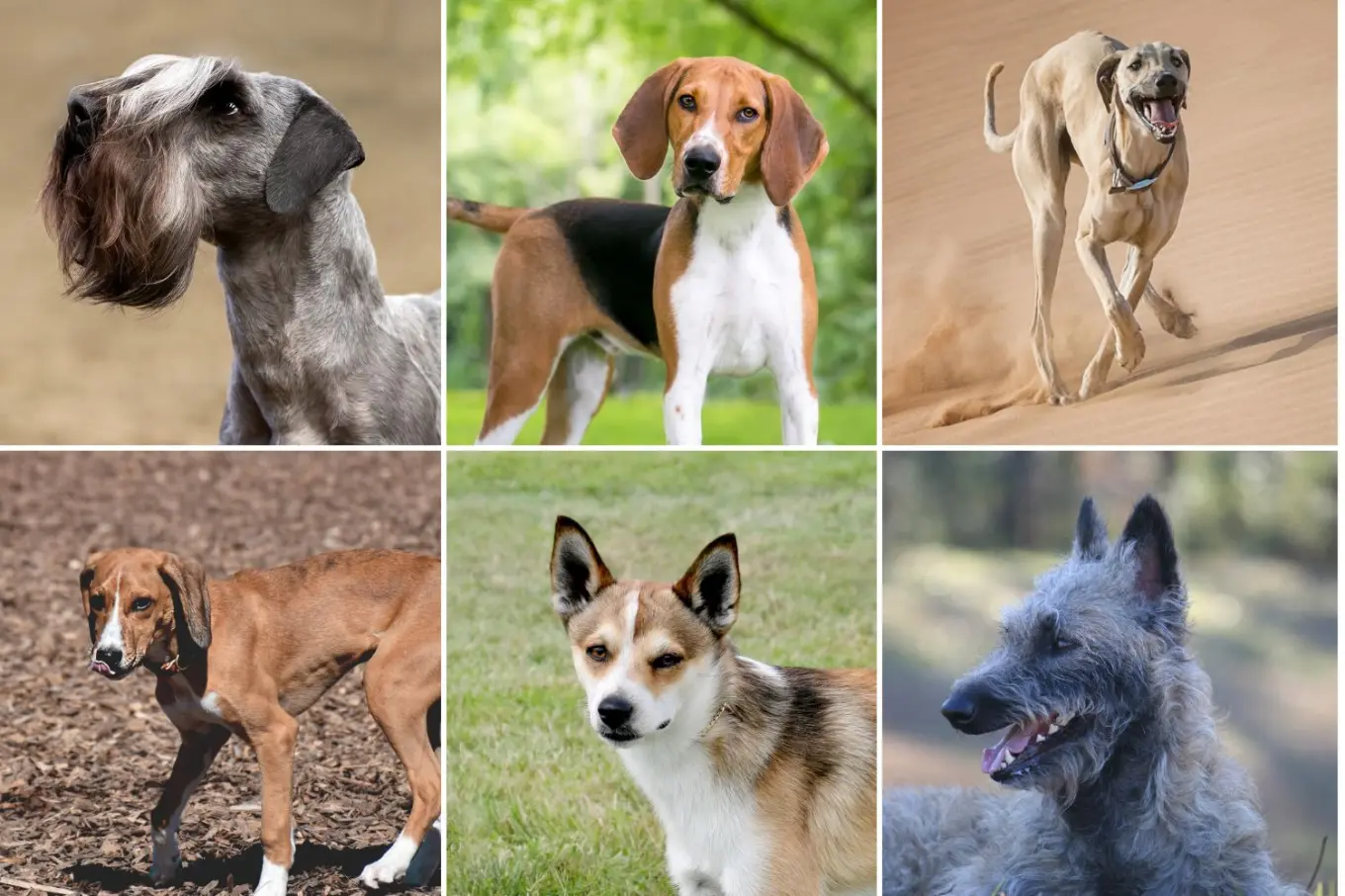
Credit: www.newsweek.com
Rare And Unique Breeds
Rare and unique dog breeds capture the hearts of many dog lovers worldwide. These breeds stand out because of their distinct looks, history, and traits. They often have special stories and traits that make them fascinating to learn about.
Uncommon Breeds Around The World
Some dog breeds are found only in specific parts of the world. These dogs may have small populations and rare appearances. Examples include the Lagotto Romagnolo from Italy and the Thai Ridgeback from Thailand. These breeds have traits shaped by their local environment and culture.
Ancient Dog Breeds
Ancient dog breeds have been around for thousands of years. They often keep many original features passed down from their wild ancestors. The Basenji and Saluki are examples of ancient breeds. Their history links closely to early human civilizations.
Newly Recognized Breeds
New dog breeds gain recognition as breeders develop new types. These dogs may combine traits from older breeds or be discovered in remote areas. The recognition process helps keep track of their traits and genetics. Breeds like the Barbet and the Russian Toy have gained recent official status.
Choosing The Right Breed
Choosing the right dog breed is a big step. Each breed has unique needs and traits. Picking a breed that fits your life makes both you and your dog happier. Consider your daily routine, family setup, and health factors. This helps find a dog that matches your lifestyle well.
Lifestyle Compatibility
Some dogs need lots of exercise and space. Others are fine with short walks and small homes. Active people may enjoy breeds like Border Collies or Huskies. Quiet people or apartment dwellers might prefer Bulldogs or Shih Tzus. Think about your energy and living space before choosing.
Family Considerations
Families with kids should select gentle and patient breeds. Labradors and Golden Retrievers are great with children. Small children need calm dogs that tolerate noise and play. Some breeds are better for single adults or seniors. Always match the dog’s temperament to your family’s age and activity.
Allergy-friendly Options
Some people are allergic to dog fur or dander. Certain breeds shed less, reducing allergy problems. Poodles, Bichon Frises, and Schnauzers are known to be allergy-friendly. These dogs need regular grooming to keep allergies low. Choose breeds that suit your health needs for comfort.

Credit: www.shutterstock.com
Breed Health Insights
Understanding the health of different dog breeds helps owners provide better care. Each breed has unique health needs and risks. Learning about these can improve a dog’s quality of life and comfort.
Knowing health facts makes it easier to spot problems early. It also guides daily care and diet choices.
Common Health Issues
Many dog breeds face certain health problems often. For example, large breeds may have joint issues like hip dysplasia. Small breeds sometimes suffer from dental problems. Some breeds are prone to heart disease or breathing troubles. Recognizing common issues helps in early treatment and prevention.
Lifespan Expectations
Different breeds live for different lengths of time. Small dogs usually live longer, often 12 to 16 years. Larger dogs tend to have shorter lives, around 7 to 10 years. Knowing this helps owners prepare for their pet’s needs over time.
Preventive Care Tips
Regular vet visits catch problems early. Proper diet and exercise keep dogs healthy and fit. Vaccinations protect against many diseases. Grooming prevents skin issues and keeps dogs comfortable. Clean teeth reduce the risk of infections. Preventive care extends a dog’s happy life.
Frequently Asked Questions
What Are The Main Categories Of Dog Breeds?
Dog breeds are mainly categorized into groups like working, herding, sporting, hound, terrier, toy, and non-sporting. Each group shares specific traits, skills, and temperaments suited for different activities and lifestyles.
How Many Dog Breeds Exist Worldwide?
There are over 340 recognized dog breeds globally. Different kennel clubs and organizations may recognize varying numbers based on breed standards and regional variations.
What Factors Differentiate Dog Breeds?
Dog breeds differ in size, coat type, temperament, energy level, and purpose. These traits result from selective breeding for tasks like hunting, guarding, or companionship.
Are Mixed Breeds Considered True Dog Breeds?
Mixed breeds are dogs with parents from different purebred lines. They don’t belong to a specific breed but often have unique traits from multiple breeds.
Conclusion
Dogs come in many shapes, sizes, and personalities. Each breed has unique traits and needs. Knowing different dog breeds helps you find the right pet. It also helps you care for your dog better. Dogs bring joy and friendship to our lives.
Choose a breed that fits your lifestyle and home. Remember, every dog deserves love and attention. Enjoy learning about all dog breeds and their special qualities.


