Looking for a furry friend that fits perfectly in your apartment without triggering allergies? You’re not alone.
Finding the right dog breed that is both hypoallergenic and apartment-friendly can feel like a tough challenge. But don’t worry—this guide will help you discover the best hypoallergenic dog breeds that suit your living space and lifestyle. Keep reading to find out which dogs will bring joy to your home while keeping your allergies in check.
Your perfect companion is closer than you think!
Benefits Of Hypoallergenic Dogs In Apartments
Hypoallergenic dogs offer many benefits for apartment living. They help create a cleaner and healthier space. These breeds suit people with allergies and those who want a low-maintenance pet. They make apartment life easier and more enjoyable.
Reduced Allergens And Better Air Quality
Hypoallergenic dogs shed less hair and dander. This lowers allergens in the apartment air. Cleaner air helps reduce allergy symptoms. It also creates a fresher and healthier home environment. Breathing feels easier for all residents.
Adaptability To Small Living Spaces
Many hypoallergenic breeds are small or medium-sized. They adjust well to apartment spaces. These dogs need less room to move and play. They tend to be calm indoors and enjoy cozy areas. This behavior suits apartment life perfectly.
Lower Maintenance Grooming Needs
Hypoallergenic dogs often have hair that grows slowly. They require regular but simple grooming. This means less shedding around the apartment. Grooming keeps their coat clean without much hassle. It saves time and effort for busy owners.
Key Traits Of Apartment-friendly Hypoallergenic Breeds
Choosing the right hypoallergenic dog for apartment living means knowing their key traits. These traits help ensure a happy dog and a peaceful home. Apartment-friendly dogs fit well into small spaces and busy lives. They adapt easily to limited room and less outdoor time. Understanding size, energy, temperament, and grooming needs guides your choice. These factors affect daily care and comfort.
Size And Energy Levels
Small to medium dogs suit apartments best. They need less space to move around. Low to moderate energy levels mean less barking and jumping. Calm dogs stay quiet and relaxed indoors. High-energy dogs may need extra walks or playtime. Matching energy levels to your routine keeps both happy.
Temperament And Social Needs
Friendly and calm dogs work well in apartments. They enjoy quiet time and gentle play. Dogs that get along with neighbors and other pets create harmony. Some breeds like solitude, while others need company. Balanced social needs prevent stress and noise problems.
Grooming And Shedding Patterns
Hypoallergenic breeds shed less and reduce allergens. Regular grooming keeps coats healthy and clean. Short or curly fur traps fewer loose hairs. Less shedding means less cleaning and fewer allergies. Grooming routines should fit your schedule easily.
Top Hypoallergenic Breeds For Apartments
Choosing a dog breed for apartment living requires care. Hypoallergenic dogs suit people with allergies. These breeds shed less and produce fewer allergens. They adapt well to smaller spaces. Here are some top hypoallergenic breeds perfect for apartments.
Bichon Frise
Bichon Frises have soft, curly coats that trap hair and dander. They are small, friendly, and love attention. Their playful nature makes them great companions in apartments.
Maltese
Maltese dogs have long, silky hair that sheds very little. They are gentle and calm, fitting well in tight living areas. Maltese dogs enjoy cuddles and quiet time.
Poodle
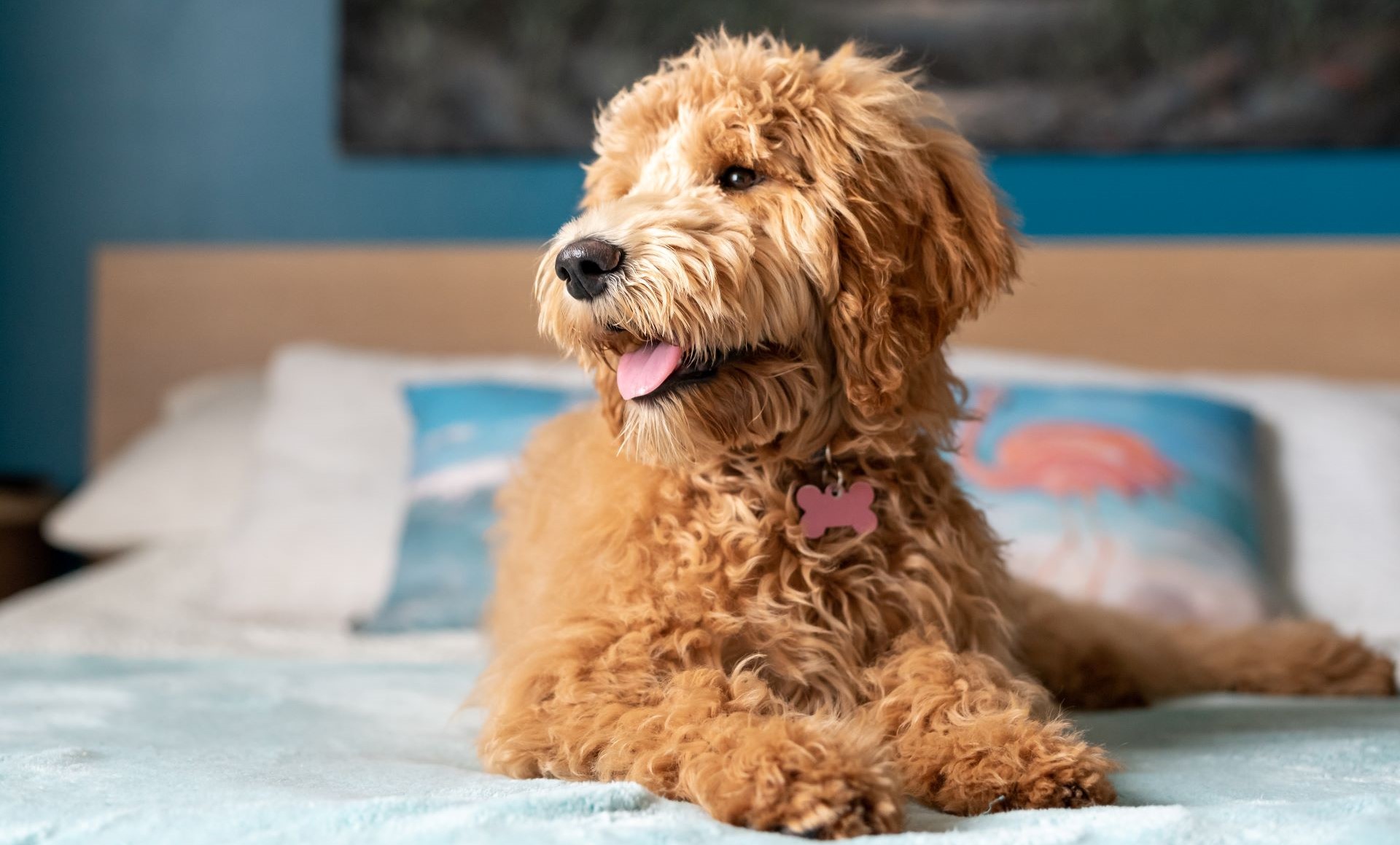
Poodles come in toy, miniature, and standard sizes. Their curly, dense fur reduces shedding. Poodles are smart and easy to train. They do well in apartments with daily exercise.
Shih Tzu
Shih Tzus have a soft, flowing coat that sheds minimally. They are calm and friendly, perfect for apartment life. Shih Tzus like short walks and indoor play.
Portuguese Water Dog
These dogs have curly, water-resistant coats that shed little. They are active but can adapt to apartment life with enough exercise. Portuguese Water Dogs enjoy learning new tricks.
Yorkshire Terrier
Yorkies have fine, silky hair that sheds very little. They are small and brave, making them ideal for apartments. Yorkshire Terriers love attention and short play sessions.
Havanese
Havanese dogs have soft, wavy coats that do not shed much. They are friendly and social, fitting well in small homes. Havanese enjoy gentle play and companionship.
Credit: www.petmd.com
Tips For Living With A Hypoallergenic Dog In An Apartment
Living with a hypoallergenic dog in an apartment can be rewarding and comfortable. These dogs often cause fewer allergy problems. Still, small spaces need special care to keep your pet happy and healthy. Simple steps can improve life for both you and your dog. Here are some tips to create a better environment in your apartment.
Creating A Comfortable Space
Choose a quiet corner for your dog’s bed. Use soft blankets and cushions to make it cozy. Keep the area clean and free of dust. Use air purifiers to reduce allergens in the air. Avoid heavy fabrics that trap pet dander. Regularly wash your dog’s bedding. Make sure your dog has a safe place to relax away from noise.
Exercise And Mental Stimulation
Small apartments need creative exercise ideas. Take your dog for daily walks outside. Play fetch or tug-of-war in safe spaces. Use puzzle toys to challenge their mind. Rotate toys to keep your dog interested. Training sessions also provide mental exercise. These activities reduce boredom and excess energy. A tired dog is a happy dog indoors.
Managing Allergies Effectively
Brush your dog often to reduce loose hair. Use hypoallergenic shampoos during baths. Clean floors with a vacuum made for pet hair. Wash your hands after petting your dog. Keep your dog off furniture and beds. Use allergy-friendly cleaning products around your home. Regular vet visits help maintain your dog’s coat and skin health.
Common Misconceptions About Hypoallergenic Dogs
Many people believe hypoallergenic dogs do not cause allergies at all. This idea leads to confusion and wrong choices. Understanding common myths helps you pick the right dog for your apartment. Let’s clear up some myths about hypoallergenic dogs.
All Dogs Are Completely Allergy-free
No dog is 100% allergy-free. Allergies come from proteins in a dog’s skin, saliva, and urine. Some breeds produce fewer allergens but cannot eliminate them completely. People with allergies may still react to hypoallergenic dogs.
Low Shedding Means No Allergens
Shedding is not the only source of allergens. Dogs with low shedding still release dander and saliva. These allergens float in the air and stick to surfaces. Reducing shedding helps but does not stop allergens completely.
Breed Guarantees Allergy Relief
No breed can guarantee no allergic reactions. Each person’s sensitivity is different. A breed popular for allergies might still trigger symptoms in some people. Testing time with a dog before adoption is the best way to know.

Credit: pethelpful.com
Credit: www.harmonyanimalhospital.net
Frequently Asked Questions
What Makes A Dog Breed Hypoallergenic?
Hypoallergenic breeds shed less dander and hair, reducing allergens. They are suitable for people with allergies. These dogs often have hair instead of fur, which traps allergens. However, no dog is completely allergen-free. Choosing hypoallergenic breeds helps minimize allergic reactions.
Which Hypoallergenic Dog Breeds Are Best For Apartments?
Small to medium hypoallergenic breeds like Poodles, Bichon Frises, and Maltese suit apartments well. These breeds adapt to limited space and exercise. They produce minimal shedding and dander, making them allergy-friendly. Their calm temperament fits well with apartment living.
How Often Should Hypoallergenic Dogs Be Groomed?
Regular grooming is essential to reduce allergens and maintain coat health. Hypoallergenic dogs typically require grooming every 4 to 6 weeks. Frequent brushing prevents matting and removes loose hair. This routine helps keep indoor air cleaner and allergies under control.
Can Hypoallergenic Dogs Still Trigger Allergies?
Yes, hypoallergenic dogs can still cause mild allergic reactions. Allergens exist in saliva, urine, and skin flakes. Individual sensitivity varies, so testing is important before adoption. Proper grooming and cleaning reduce allergen exposure significantly.
Conclusion
Choosing a hypoallergenic dog breed suits apartment living well. These dogs shed less, helping reduce allergies indoors. Small to medium sizes fit better in limited spaces. They need regular care and love like any dog. Quiet breeds help keep noise levels low.
Finding the right breed makes apartment life happier. Enjoy companionship without worrying about allergies. A thoughtful choice leads to a great pet experience. Your new friend will bring joy and comfort.