

Are you sure your dog is getting the right nutrients to stay healthy and happy? Understanding what your furry friend truly needs in their diet can make all the difference in their energy, coat shine, and overall well-being.
You’ll discover clear and simple nutritional recommendations that help you give your dog the best care possible. Keep reading to unlock the secrets to a balanced diet your dog will love—and that will keep their tail wagging for years to come.
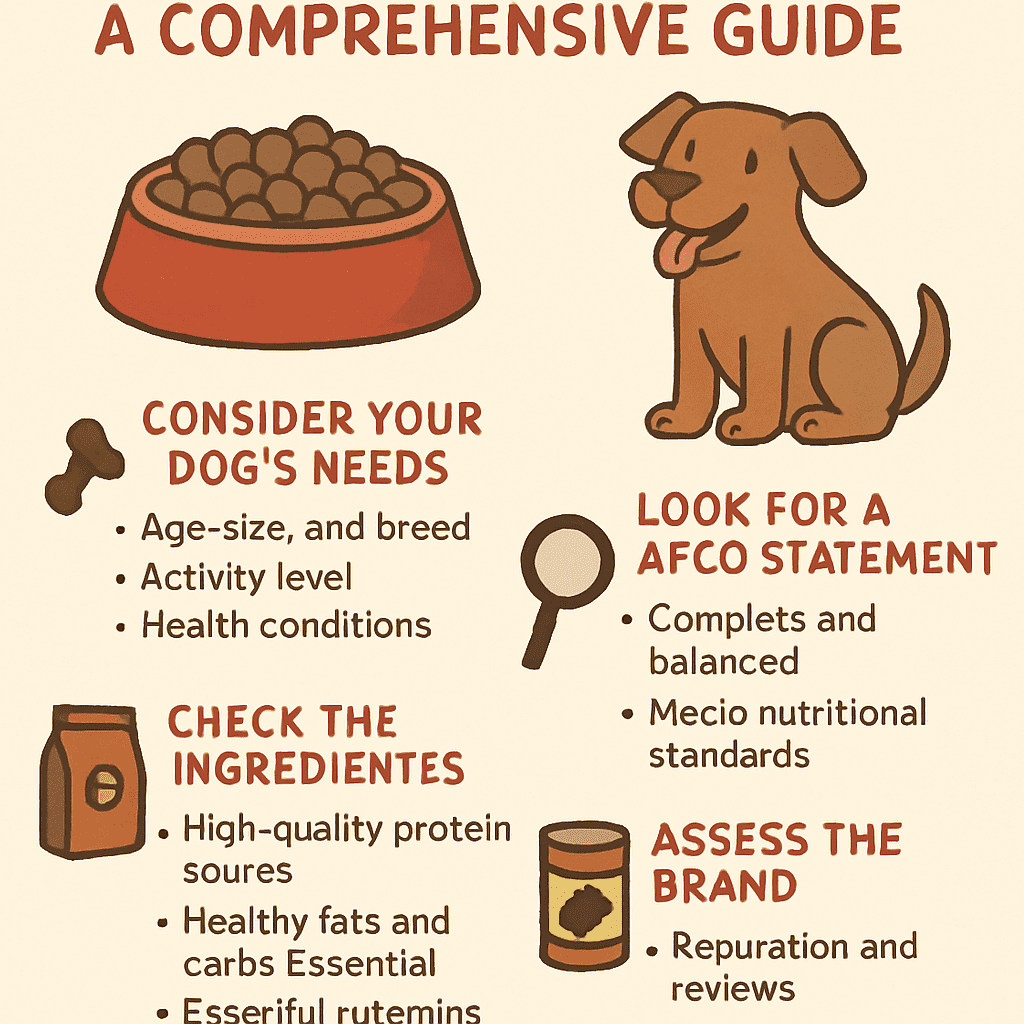
Credit: dogfoodsy.com
Key Nutrients For Dogs
Dogs need a balanced diet with the right nutrients to stay healthy. Each nutrient plays a special role in their growth, energy, and overall well-being. Understanding these key nutrients helps pet owners provide the best care. Here are the main nutrients dogs require.
Proteins And Amino Acids
Proteins build and repair tissues in a dog’s body. They provide essential amino acids that dogs cannot make themselves. These amino acids support muscle growth, immune health, and enzyme production. Good protein sources include meat, fish, and eggs.
Fats And Fatty Acids
Fats offer a concentrated energy source for dogs. They help absorb vitamins and keep the skin healthy. Essential fatty acids, like omega-3 and omega-6, reduce inflammation and improve coat condition. Sources include fish oil, chicken fat, and flaxseed.
Carbohydrates And Fiber
Carbohydrates supply energy and aid digestion. Fiber supports healthy bowel movements and prevents constipation. Whole grains, vegetables, and fruits provide carbs and fiber. Dogs digest these nutrients differently than humans, so balance is key.
Vitamins And Minerals
Vitamins and minerals help regulate body processes. They strengthen bones, teeth, and the immune system. Important vitamins include A, D, E, and B-complex. Minerals like calcium, phosphorus, and zinc are crucial. A varied diet usually covers these needs.
Water Requirements
Water is vital for all life functions in dogs. It regulates body temperature and removes waste. Fresh, clean water must be available at all times. Dogs can become dehydrated quickly, especially in hot weather or after exercise.
Choosing The Right Dog Food
Choosing the right dog food is key to keeping your dog healthy and happy. Dogs need balanced nutrition to grow well and stay active. The right food supports their energy, coat, and overall health. Understanding different diet options helps you make the best choice for your dog’s needs.
Commercial Vs. Homemade Diets
Commercial dog foods are easy to find and use. They come in dry, canned, or semi-moist forms. These foods are usually balanced with vitamins and minerals. Homemade diets give you control over ingredients. You can use fresh meats, vegetables, and grains. Homemade meals need careful planning to avoid missing nutrients. Consult a vet before choosing homemade diets.
Reading Dog Food Labels
Dog food labels show important information about ingredients and nutrition. Look for the first few ingredients; they should be real meat or fish. Avoid foods with too many fillers like corn or wheat. Check for the AAFCO statement to ensure the food meets nutritional standards. Also, look at protein, fat, and fiber content to match your dog’s needs.
Age-specific Nutrition
Puppies need more protein and calories for growth. Adult dogs need balanced food to maintain weight and health. Senior dogs benefit from diets lower in calories and higher in fiber. Age affects nutrient needs. Choose food designed for your dog’s life stage to support their health.
Breed And Size Considerations
Small breeds need food with smaller kibble and more calories. Large breeds benefit from food that supports joint health. Some breeds have special needs, like sensitive stomachs or skin issues. Tailor the diet to your dog’s breed and size for best results.
Feeding Guidelines And Portions
Feeding your dog the right amount of food is key to good health. Proper feeding guidelines help keep your dog active and prevent health issues. Understanding portions and meal schedules helps you meet your dog’s nutritional needs effectively.
Daily Caloric Needs
Each dog needs a different number of calories each day. Size, age, and breed affect these needs. Puppies and active dogs require more calories than older or less active dogs. Check your dog food label for calorie information. Adjust the amount based on your dog’s weight and health.
Meal Frequency
Most adult dogs do well with two meals per day. Puppies need three to four smaller meals daily. Splitting food into meals helps with digestion. It also prevents overeating and stomach issues. Consistent meal times support a healthy routine for your dog.
Adjusting Portions For Activity Level
Active dogs burn more calories and need larger portions. Dogs with less activity need smaller portions to avoid weight gain. Monitor your dog’s daily activity and adjust food amounts accordingly. Seasonal changes or new exercise routines may require portion changes.
Monitoring Weight And Body Condition
Regularly check your dog’s weight and body shape. Look for ribs under a thin layer of fat. If ribs are hard to feel, your dog may be overweight. Adjust food portions to help your dog maintain a healthy weight. Consult your vet for advice if unsure.

Credit: www.amazon.com
Special Nutritional Needs
Dogs need different nutrients at different stages of life. Special nutritional needs depend on age, health, and lifestyle. Meeting these needs supports their growth, energy, and well-being.
Understanding these special requirements helps owners provide the right food. It keeps dogs healthy and happy through all life phases.
Puppies And Growth
Puppies need more calories and protein than adult dogs. Their food must support bone and muscle development. Balanced vitamins and minerals help their immune system. Feeding puppy-specific food ensures proper growth and strong health.
Senior Dog Nutrition
Older dogs require fewer calories but more fiber. Joint-supporting nutrients like glucosamine are important. Senior diets help maintain weight and mobility. Antioxidants boost their immune system and protect cells.
Allergies And Sensitivities
Some dogs react to certain ingredients in food. Common allergens include beef, dairy, and grains. Hypoallergenic diets avoid these triggers. Limited ingredient foods reduce the risk of reactions. Careful choices prevent itching, upset stomach, and discomfort.
Health Conditions And Diet Modifications
Dogs with health issues need special diets. Kidney disease requires low protein and phosphorus foods. Diabetes calls for controlled carbohydrate levels. Weight management diets help overweight dogs. Customized nutrition supports treatment and improves quality of life.
Supplements And Treats
Supplements and treats play a key role in a dog’s diet. They can help fill nutritional gaps and reward good behavior. Choosing the right supplements and treats ensures dogs stay healthy and happy. Understanding when to use supplements, picking safe treats, and avoiding harmful foods is vital for every dog owner.
When To Use Supplements
Supplements support health but are not always needed. Dogs with special health issues may benefit most. Older dogs often need joint supplements for comfort. Puppies might require vitamins for growth. Always consult a vet before adding supplements. Overuse can cause harm, so use them wisely.
Safe Treat Options
Healthy treats keep dogs motivated and happy. Choose treats made with natural ingredients. Small pieces of cooked meat, carrots, or apples work well. Treats should not replace meals. Limit treats to avoid weight gain. Water should always be available with treats.
Avoiding Harmful Foods
Some human foods harm dogs and must be avoided. Chocolate, grapes, onions, and garlic are toxic. Avoid giving dogs bones that can splinter. Sugary and salty snacks can cause health problems. Always check foods before offering them to dogs. Safety first keeps dogs healthy and safe.
Credit: europeanpetfood.org
Tips For Maintaining A Healthy Diet
Maintaining a healthy diet is key to your dog’s well-being. Proper nutrition supports energy, growth, and longevity. Simple habits can make a big difference in your dog’s health.
Focus on routines and observation to keep your dog thriving. Nutrition is more than just food; it is a lifestyle for your pet.
Consistent Feeding Schedule
Feed your dog at the same times each day. This helps digestion and keeps their energy steady. Avoid leaving food out all day. Two meals daily usually work well for most dogs.
Hydration Practices
Always provide fresh, clean water. Hydration supports digestion and body functions. Change water regularly to keep it appealing. Monitor water intake, especially in hot weather or after exercise.
Regular Vet Check-ups
Schedule vet visits to track your dog’s health. Vets can spot nutrition-related problems early. Discuss diet changes or concerns with your vet. Regular check-ups help adjust feeding plans as needed.
Observing Behavioral Changes
Watch for signs of hunger or discomfort. Changes in energy or mood may indicate diet issues. Sudden weight loss or gain needs attention. Early detection can prevent serious health problems.
Frequently Asked Questions
What Are The Essential Nutrients Dogs Need Daily?
Dogs need proteins, fats, carbohydrates, vitamins, and minerals daily. Proteins support muscles, fats provide energy, and carbs aid digestion. Vitamins and minerals boost immunity and overall health. Balanced nutrition ensures your dog stays healthy and active.
How Much Protein Should A Dog Consume?
Dogs require about 18-25% protein in their diet. Puppies and active dogs need higher protein levels. Quality animal-based proteins like chicken, beef, and fish are best. Proper protein intake supports muscle development and repair.
Can Dogs Eat Fruits And Vegetables Safely?
Yes, many fruits and vegetables are safe for dogs. Carrots, apples, and blueberries provide vitamins and fiber. Avoid toxic foods like grapes, onions, and garlic. Always introduce new foods gradually and monitor for allergies.
How Often Should I Feed My Dog Daily?
Adult dogs typically eat twice a day. Puppies may need three to four meals daily. Regular feeding times help maintain digestion and prevent overeating. Adjust portions based on your dog’s size, age, and activity level.
Conclusion
Feeding dogs the right nutrients keeps them healthy and happy. Balanced meals support strong bones, shiny fur, and good energy. Always choose foods made for dogs, not humans. Fresh water is essential every day. Watch your dog’s weight and adjust food as needed.
Consult a vet for special needs or concerns. Good nutrition helps dogs live longer, fuller lives. Simple steps make a big difference in their health. Caring for your dog’s diet shows love and responsibility. Keep learning and stay attentive to your dog’s needs.


