

If you have a cat at home or are thinking about getting one, you might wonder which dog breeds will get along best with your furry friend. Choosing the right dog can make a huge difference in creating a peaceful and happy home for both pets.
You want a dog that can be friendly, gentle, and easy to live with around cats. You’ll discover the dog breeds that are known to be great companions for cats. Keep reading to find out how to make sure your dog and cat become the best of friends.
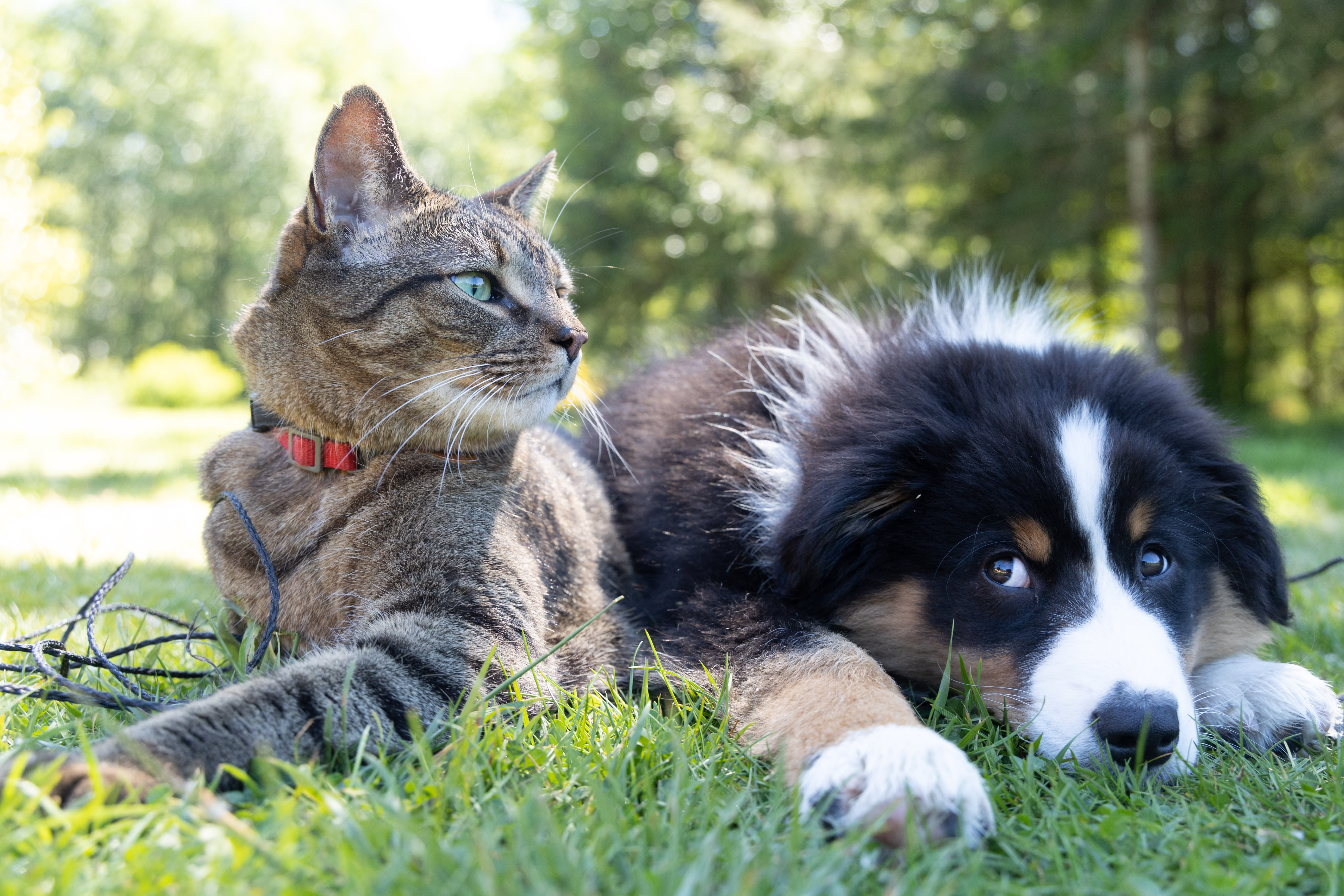
Credit: pethelpful.com
Traits That Make Dogs Cat-friendly
Choosing a dog that gets along well with cats depends on certain traits. Dogs with the right qualities can live peacefully with feline friends. Understanding these traits helps pick the best dog breeds for homes with cats.
These traits include how dogs behave, their energy, and how well they socialize. Each trait plays a key role in creating a calm and happy environment for both pets.
Temperament Factors
A dog’s temperament shows how it reacts to others. Calm and gentle dogs usually accept cats easily. Dogs that are patient and non-aggressive cause less stress for cats. A friendly dog avoids chasing or barking at cats. Quiet dogs often create a peaceful home for cats to feel safe.
Energy Levels
Dogs with moderate or low energy levels often suit homes with cats. High-energy dogs may be too playful or rough for cats. Cats prefer calm companions who don’t overwhelm them. Balanced energy helps dogs and cats share space without tension. Dogs that rest often allow cats to explore freely.
Socialization Skills
Socialized dogs understand how to behave with other animals. Early exposure to cats helps dogs learn to be gentle. Dogs with good social skills respect boundaries. They know when to play and when to stay calm. Well-socialized dogs reduce conflicts and build trust with cats.

Credit: www.purelypetsinsurance.co.uk
Top Dog Breeds That Get Along With Cats
Some dog breeds naturally get along well with cats. These dogs tend to have gentle temperaments and a calm nature. They show patience and enjoy peaceful companionship. Choosing one of these breeds can help create harmony at home.
Golden Retriever
Golden Retrievers are friendly and patient dogs. They usually accept cats as part of the family. Their calm attitude helps them live peacefully with feline friends. They enjoy socializing and rarely show aggression.
Beagle
Beagles are playful and curious but not aggressive. They tend to get along well with cats. Their small size and gentle nature help avoid conflicts. Beagles like having company and enjoy shared playtime.
Cavalier King Charles Spaniel
This breed is known for its sweet and gentle personality. Cavaliers often bond well with cats. They are quiet and patient, making them good companions. Their loving nature helps build trust with cats.
Basset Hound
Basset Hounds are calm and easygoing dogs. Their slow, relaxed style suits life with cats. They rarely chase or bother smaller animals. Their friendly nature helps cats feel safe and relaxed.
Maltese
The Maltese is a small, gentle dog. They enjoy calm environments and close bonds. Their quiet personality works well with cats. Maltese dogs often accept cats as friends quickly.
How To Introduce Dogs To Cats
Introducing dogs to cats takes patience and care. Both animals have different ways of communication. A slow and calm introduction helps them feel safe. This builds trust and reduces stress. A good introduction increases chances of friendship.
Preparation Steps
Choose a quiet, neutral space for the first meeting. Keep the dog on a leash to control movements. Let the cat have a safe place nearby to retreat. Remove toys or food that may cause fights. Prepare treats for both pets to reward calm behavior.
Initial Meeting Tips
Keep the first meeting short and calm. Allow the dog to see the cat without moving closer. Watch their body language for signs of stress or curiosity. Praise and treat both pets for calmness. Avoid forcing any interaction; let them explore at their own pace.
Managing Early Interactions
Gradually increase the time they spend together. Supervise all meetings until both are relaxed. Use barriers like baby gates to separate areas if needed. Give each pet their own space and resources. Stay patient and calm; tension can make things worse.
Signs Of A Healthy Dog-cat Relationship
A healthy dog-cat relationship shows peace and trust between the two pets. Both animals feel safe and calm around each other. They share space without stress or fear. Watching their signs helps you know if they get along well.
Body Language To Watch
Relaxed bodies mean comfort. Dogs wag tails gently, not stiff or fast. Cats purr or blink slowly. Neither animal raises fur or bares teeth. Soft eyes and calm movements show they feel safe.
Behavioral Indicators
Friendly behavior includes playing or resting near each other. Dogs may nudge cats softly, and cats may rub against dogs. Both pets avoid growling or hissing. Sharing toys or food calmly also shows trust.
When To Intervene
Look out for stiff bodies or quick movements. Growling, hissing, or snapping means trouble. Avoid chasing or cornering. Step in if pets seem scared or aggressive. Give them space to calm down and try again later.
Training Tips For Harmony
Training dogs and cats to live together peacefully takes effort and patience. Both animals need to learn how to respect each other’s space and habits. Training helps prevent conflicts and builds a strong bond between them.
Positive Reinforcement
Reward good behavior with treats and praise. This encourages dogs to act calmly around cats. Use gentle words and petting to show approval. Avoid punishment, as it can cause fear or aggression. Positive reinforcement helps dogs associate cats with good experiences.
Setting Boundaries
Define safe areas for both pets. Use baby gates or closed doors to create spaces. Teach dogs to stay off cat furniture. Let cats have high places to retreat. Boundaries help reduce stress and protect each animal’s comfort zone.
Consistent Routine
Keep feeding, play, and rest times regular. Predictable schedules reduce anxiety for dogs and cats. Spend time with each pet separately and together. Consistency builds trust and helps pets understand expectations. A steady routine supports harmony in the home.
Common Challenges And Solutions
Dogs and cats can live happily together. But some challenges can happen. Knowing these issues helps pet owners create a peaceful home. Simple solutions make a big difference in their relationship.
Dealing With Prey Drive
Some dogs have a strong prey drive. They may chase cats like they chase small animals. This behavior can scare or hurt cats. Training helps control this urge. Teach your dog commands like “leave it” and “stay.”
Use slow introductions and short meetings. Let the dog and cat get used to each other’s presence. Reward calm behavior with treats. Over time, the dog learns to ignore the cat as prey.
Managing Jealousy
Dogs may feel jealous when a new cat arrives. They want all your attention. This can cause barking or bad behavior. Give both pets equal attention. Spend time playing and cuddling with each one.
Create separate spaces for each pet. This helps them feel safe and reduces competition. Praise good behavior when pets share your time nicely. Patience and consistency calm jealous feelings.
Addressing Fear And Anxiety
Cats or dogs may feel scared around each other. Fear causes hiding, growling, or even aggression. Watch their body language closely. Provide safe spots where each pet can retreat.
Use calming tools like pheromone sprays or gentle music. Gradual introductions reduce stress for both animals. Keep encounters brief and positive. This builds trust and lowers anxiety over time.

Credit: www.nylabone.com
Frequently Asked Questions
What Dog Breeds Are Most Cat-friendly?
Breeds like Golden Retrievers, Basset Hounds, and Beagles are known for their gentle nature with cats. They often adapt well and enjoy feline companionship, making them ideal for multi-pet households.
How To Introduce Dogs To Cats Safely?
Introduce them gradually in a controlled environment. Use leashes and allow short, supervised meetings. Reward calm behavior to build positive associations for both pets.
Can Small Dog Breeds Live Peacefully With Cats?
Yes, many small breeds like Cavalier King Charles Spaniels and Pugs coexist well with cats. Their friendly temperament and low prey drive help maintain harmony.
Do Certain Dog Breeds Have High Prey Drive Around Cats?
Yes, breeds like Greyhounds and Terriers may chase cats due to high prey drive. Careful supervision and training are essential for peaceful coexistence.
Conclusion
Choosing the right dog breed can create harmony with your cat. Gentle and calm dogs often fit best with feline friends. Patience and slow introductions help both pets feel safe. Dogs like Golden Retrievers, Beagles, and Cavalier King Charles Spaniels tend to do well.
Remember, every pet has a unique personality. Spend time getting to know both animals. A peaceful home is possible with the right pair. Enjoy the companionship of your furry friends together.


