

Are you worried about allergies but still want a furry friend by your side? You’re not alone.
Many people hesitate to get a dog because they fear sneezing, itchy eyes, or worse. But what if you could find a dog breed that won’t trigger your allergies? How many hypoallergenic dog breeds are there, and which ones fit your lifestyle?
Keep reading to discover the surprising truth and find the perfect pup that’s gentle on your allergies—and your heart.
Hypoallergenic Dogs Explained
Many people want dogs but worry about allergies. Hypoallergenic dogs may cause fewer allergy problems. These breeds often shed less or produce fewer allergens. Understanding what makes a dog hypoallergenic helps in choosing the right pet.
Not all dogs labeled hypoallergenic are allergy-free. People react differently to dog allergens. Learning about allergens and myths clears up confusion.
What Makes A Dog Hypoallergenic
A hypoallergenic dog usually sheds less hair and dander. Dander is tiny skin flakes that cause allergic reactions. Some breeds have hair that grows like human hair. This hair traps dander instead of letting it spread. Less shedding means fewer allergens in the air.
Oily skin and saliva also affect allergies. Dogs that produce less saliva may cause fewer reactions. Grooming and regular cleaning help reduce allergens on dogs.
Common Allergens In Dogs
Allergens come from dog skin, saliva, and urine. The main allergen is a protein in dander called Can f 1. It sticks to hair and spreads in the environment. When people breathe it in, allergies can start.
Saliva and urine also carry allergens. When dogs lick themselves, saliva dries and becomes airborne. Allergens can stay on furniture, clothes, and floors. Cleaning and washing help reduce allergen build-up.
Myths About Hypoallergenic Breeds
No dog breed is 100% hypoallergenic. Some breeds cause fewer allergies but do not stop them. Hair length or color does not change allergen levels. Some long-haired dogs can be better for allergies than short-haired ones.
Allergy severity depends on the person, not just the dog. Spending time with a dog before adopting helps test allergies. Proper care lowers allergen levels but does not remove them entirely.

Credit: www.thepioneerwoman.com
Number Of Hypoallergenic Breeds
Many people want dogs that do not cause allergies. Hypoallergenic dog breeds are made for this need. But how many hypoallergenic breeds exist? The number is not fixed. It depends on different views and facts. Understanding these helps choose the right dog for allergy sufferers.
Estimates And Variations
Experts suggest there are about 20 to 40 hypoallergenic dog breeds. This range changes based on how breeds are judged. Some say a dog is hypoallergenic if it sheds less. Others focus on the amount of dander. This makes the count vary. Some breeds fit some definitions but not others.
Popular hypoallergenic breeds include Poodles, Bichon Frises, and Maltese. These dogs shed little and produce less dander. Some lists add breeds like Schnauzers or Portuguese Water Dogs. These dogs can be okay for many allergy sufferers. The exact number changes with each source.
Factors Affecting The Count
Different factors change the hypoallergenic breed count. One is the dog’s coat type. Curly or wiry coats often reduce shedding. This helps lower allergens in the air. Another factor is individual allergy reactions. People react differently to the same dog. Some may find one breed safe, others not.
Breeding and grooming also matter. Regular grooming can reduce allergens. Breeders may select dogs with fewer allergens. This can create more hypoallergenic types over time. Environmental factors like home cleanliness also affect allergy issues.
Popular Hypoallergenic Breeds
Hypoallergenic dog breeds are popular among people with allergies. These breeds shed less and produce fewer allergens. Choosing the right hypoallergenic dog helps reduce allergy symptoms. Many hypoallergenic breeds come in different sizes. This allows people to find the perfect fit for their home and lifestyle.
Small Breeds
Small hypoallergenic dogs suit apartment living and small spaces. The Maltese is a well-known small hypoallergenic breed. It has a soft, silky coat that sheds very little. The Bichon Frise is another popular choice. It has curly hair that traps dander and reduces allergens. Yorkshire Terriers also fit this group. Their fine hair is similar to human hair, which means less shedding. These small breeds are playful, friendly, and easy to care for.
Medium And Large Breeds
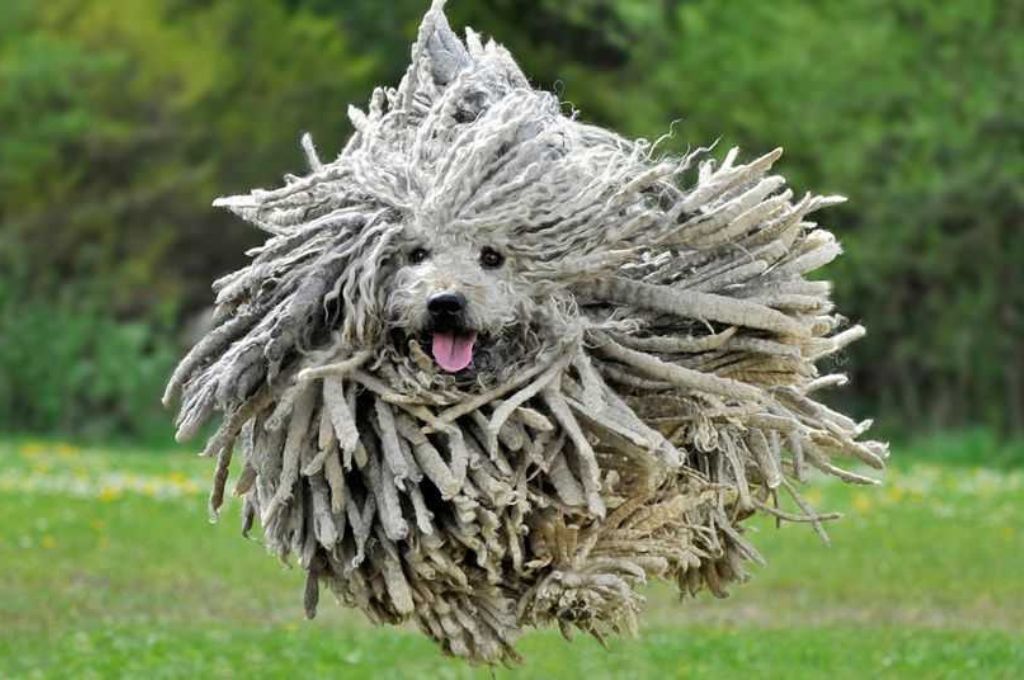
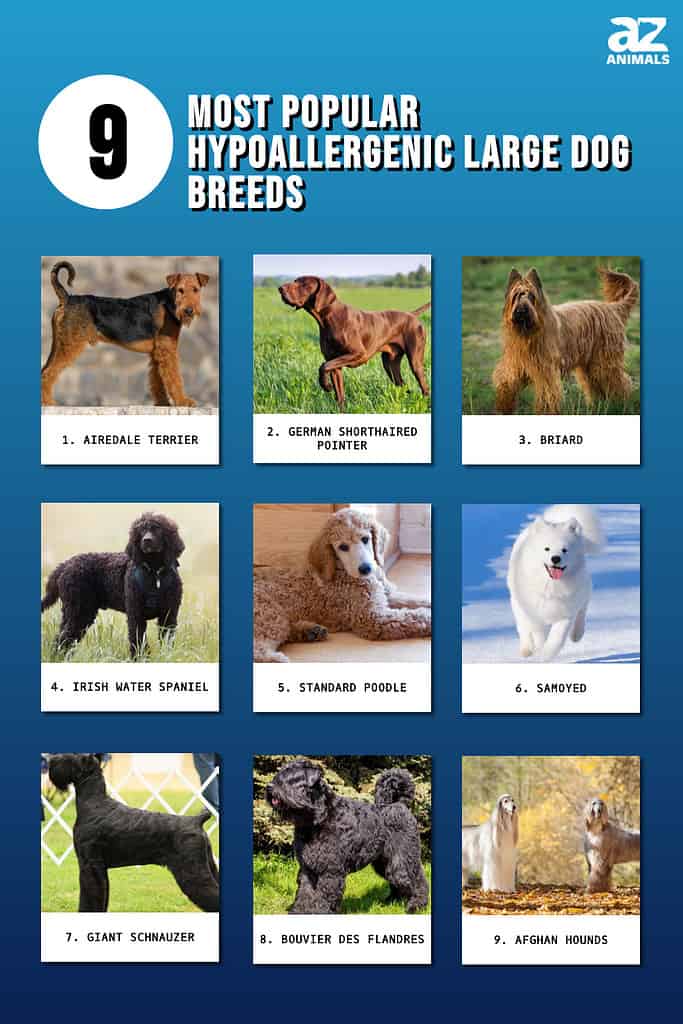
Medium and large hypoallergenic breeds are great for active families. The Poodle is famous for its hypoallergenic coat. It comes in toy, miniature, and standard sizes. Standard Poodles are medium to large and very intelligent. Portuguese Water Dogs have curly coats that reduce dander spread. They are strong, energetic, and loyal. The Kerry Blue Terrier is another larger breed with a soft, wavy coat. These breeds offer more space and exercise options while still being allergy-friendly.
Credit: www.woofblankets.com
Choosing The Right Breed
Choosing the right hypoallergenic dog breed is an important step. Each breed has unique needs and traits. Understanding these helps find a dog that fits your life well. The right choice leads to a happy home for both you and your pet.
Lifestyle Considerations
Consider your daily routine before picking a breed. Some dogs need lots of time and attention. Others are more independent. Think about your work hours and family life. Choose a breed that matches your activity level and schedule.
Grooming And Maintenance
Hypoallergenic dogs often need special grooming. Some breeds shed less but need regular brushing. Others require professional grooming every few weeks. Know the grooming needs before choosing a breed. This helps keep your dog healthy and comfortable.
Temperament And Activity Levels
Each breed has a different personality and energy level. Some dogs are calm and quiet. Others love to play and run. Match the dog’s temperament to your lifestyle. This makes living together easier and more fun.
Tips To Reduce Allergens At Home
Reducing allergens at home helps create a safer space for allergy sufferers. Small changes can make a big difference. These tips focus on cleaning, air quality, and grooming. They help lower pet dander and other allergens indoors.
Cleaning Strategies
Clean floors and furniture often. Use a vacuum with a HEPA filter. Wash pet bedding weekly in hot water. Remove dust from surfaces regularly. Avoid carpets if possible; hard floors trap fewer allergens.
Air Filtration
Use air purifiers with HEPA filters. Keep windows open to improve airflow. Change HVAC filters often. Avoid smoking or burning candles indoors. Clean vents and ducts regularly to reduce dust buildup.
Regular Grooming Practices
Brush your dog outside to reduce indoor dander. Bathe pets weekly using gentle shampoo. Trim hair regularly to limit shedding. Clean their paws after walks. Regular grooming lowers allergens and keeps your home cleaner.
Credit: medsourcellc.com
Frequently Asked Questions
How Many Hypoallergenic Dog Breeds Exist Worldwide?
There are about 30 to 40 recognized hypoallergenic dog breeds globally. These breeds shed less dander, reducing allergy risks. Popular examples include Poodles, Bichon Frises, and Portuguese Water Dogs. The exact number varies due to breed recognition and individual sensitivities.
What Makes A Dog Breed Hypoallergenic?
Hypoallergenic dog breeds produce fewer allergens, mainly dander and saliva proteins. Their coats shed less, limiting airborne allergens. This trait helps allergy sufferers tolerate dogs better. However, no dog breed is 100% allergen-free.
Are Hypoallergenic Dogs Completely Allergy-proof?
No, hypoallergenic dogs are not entirely allergy-proof. They reduce allergens but can still trigger reactions in sensitive individuals. Allergy severity varies by person and dog. Regular grooming and cleaning help minimize allergens further.
Which Hypoallergenic Dog Breeds Are Best For Families?
Poodles, Maltese, and Shih Tzus are great family-friendly hypoallergenic breeds. They are friendly, adaptable, and low-shedding. These dogs suit homes with allergy sufferers, providing companionship without intense allergic reactions.
Conclusion
Hypoallergenic dog breeds offer great options for allergy sufferers. Many breeds shed less and produce fewer allergens. Choosing the right breed can improve your comfort and health. Remember, no dog is completely allergen-free. Spending time with a dog before adopting helps to check allergies.
Care and grooming also reduce allergen levels at home. Explore different breeds to find the best match for your lifestyle. Enjoy the love and companionship a hypoallergenic dog brings.


