Potty training a small dog can feel tricky, but it doesn’t have to be. If you want your furry friend to learn quickly and avoid messes in your home, you’re in the right place.
This guide will show you simple, effective steps that anyone can follow. Imagine a clean house and a happy pup who knows exactly where to go. Keep reading, and you’ll discover how easy it is to make potty training a smooth, stress-free experience for both you and your dog.

Credit: www.adoptapet.com
Choosing The Right Spot
Choosing the right spot for potty training is very important. It helps your small dog learn faster. The right place guides your dog to go there every time. This makes training easier for both of you.
Think about where your dog will feel safe and comfortable. The spot should be easy for your dog to reach. It must also be easy for you to clean.
Indoor Vs Outdoor Options
Indoor spots work well for small dogs, especially in bad weather. Puppy pads or indoor grass patches are good choices. Outdoor spots give your dog fresh air and space. Choose a quiet area with little noise or distractions.
Both options have benefits. Pick the one that fits your lifestyle and home. Some owners use both, starting indoors and moving outside later.
Consistency In Location
Always use the same spot for potty breaks. Dogs learn by repeating actions in one place. Changing spots confuses your dog and slows training. Take your dog to the chosen spot at regular times.
Stay patient and keep using the same place. Your dog will soon understand where to go. This makes training quicker and less stressful.

Credit: www.youtube.com
Setting A Routine
Setting a routine is key to potty training a small dog. Dogs learn best with consistent habits. A clear schedule helps your dog understand when to eat and go outside. It also reduces accidents inside your home.
Feeding Schedule
Feed your dog at the same times every day. This regularity helps control their bathroom needs. Use measured portions to avoid overeating. Small dogs often need two to three meals daily. Regular feeding times create predictable bathroom times.
Regular Bathroom Breaks
Take your dog outside often, especially after eating and drinking. Small dogs may need to go out every two to three hours. Watch for signs like sniffing or circling. Praise your dog when they go outside. Consistent breaks build good bathroom habits fast.
Using Crate Training
Using crate training helps small dogs learn potty habits quickly. It creates a safe space for your dog and controls where they stay. This method supports house training by teaching dogs to hold their bladder. Dogs naturally avoid soiling their sleeping area. Crate training uses this instinct to encourage good behavior.
Benefits Of Crate Training
Crate training makes potty training faster and easier. It stops your dog from wandering and having accidents. The crate gives your dog a quiet, cozy spot to relax. It helps build a routine for bathroom breaks. Your dog feels safe and less anxious in a crate. It also helps prevent destructive behavior when you are not home.
Choosing The Right Crate Size
Pick a crate that fits your dog comfortably. The crate should be big enough to stand, turn, and lie down. Avoid crates that are too large; dogs may use one corner as a bathroom. A snug crate teaches your dog to hold their bladder longer. Check the size as your dog grows and adjust if needed. A proper crate size supports training and comfort.
Positive Reinforcement Techniques
Positive reinforcement is key in potty training a small dog. It helps your dog learn what you want without fear. This method builds trust and encourages good habits quickly. Dogs respond well to rewards and praise. This makes training less stressful for both you and your pet.
Rewarding Good Behavior
Give treats right after your dog goes potty outside. This helps your dog connect the action with the reward. Use small, tasty treats your dog loves. Praise your dog with a happy voice and petting. Consistency is important. Always reward good potty behavior to reinforce the habit.
Avoiding Punishment
Never scold or punish your dog for accidents. Punishment can cause fear and confusion. Your dog might hide accidents or become anxious. Focus on guiding your dog to the right spot instead. Patience and calmness work best during training. Positive reinforcement creates a safe learning environment.
Handling Accidents
Accidents happen when potty training a small dog. It is a natural part of learning. How you handle these moments shapes your dog’s progress and trust in you. Staying calm and reacting wisely helps your dog learn faster.
Cleaning Tips
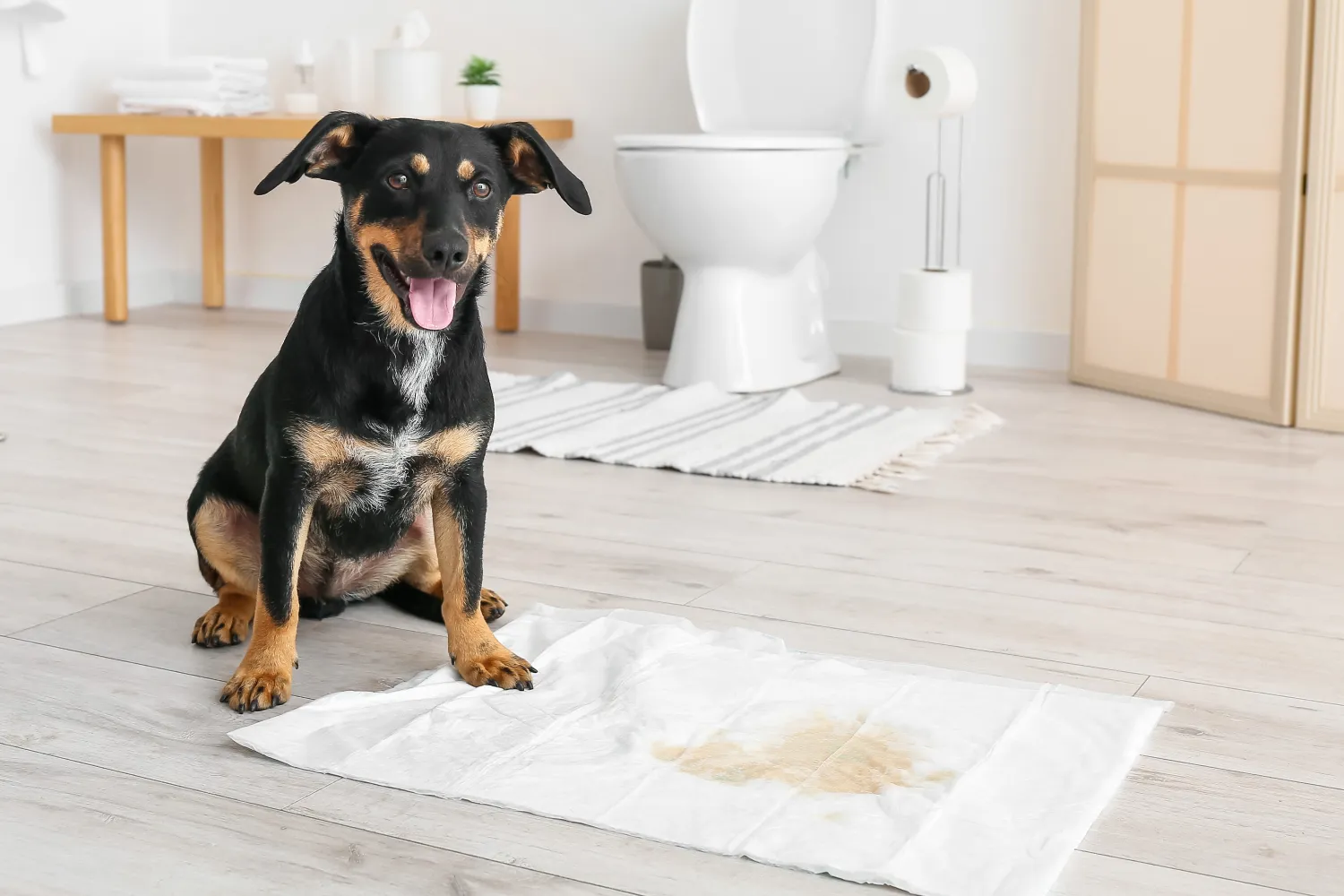
Clean accidents quickly to remove all smells. Use a pet-safe cleaner that breaks down urine and feces. Avoid using ammonia-based products because they smell like urine. This might make your dog go there again. Blot the area with paper towels before applying cleaner. Let the spot dry completely to avoid repeat accidents.
Staying Patient
Patience is key during potty training. Small dogs need time to understand rules. Avoid scolding or punishment for accidents. This can cause fear and confusion. Praise your dog for good behavior instead. Consistent routines help your dog learn faster. Remember, every dog learns at its own pace.
Signs Your Dog Is Ready
Knowing when your small dog is ready for potty training helps make the process smooth. Dogs show clear signs that they understand the basics. Watch your dog closely. These signs help you start training at the right time.
Behavioral Cues
Your dog may start to signal when it needs to go outside. It might sniff the floor or circle around. Some dogs whine or bark near the door. Others sit and look at you expectantly. These actions show your dog wants to go potty.
Dogs ready for training often pause their play or eating. They may suddenly stop and look restless. These changes in behavior mean they need a bathroom break. Pay attention to these simple signals.
Physical Indicators
Watch your dog’s bladder control. Puppies start holding their urine for longer times. They don’t need to go out every few minutes. Small dogs ready for training can wait at least one hour. This shows their body is developing control.
Your dog may also squat or sniff before going potty. These movements are natural signs. They indicate the dog knows what it is about to do. Recognizing these physical signs helps you guide your dog outside.
Credit: www.alvidpet.com
Frequently Asked Questions
How Long Does Potty Training A Small Dog Take?
Potty training a small dog usually takes 4 to 6 weeks. Consistency and positive reinforcement speed up the process. Each dog learns at its own pace. Patience and routine are key for success.
What Are The Best Tools For Potty Training Small Dogs?
Use puppy pads, a crate, and enzymatic cleaners. These tools help establish a routine and prevent accidents. Positive rewards like treats encourage good behavior. Consistent use of these items supports effective training.
How Often Should I Take My Small Dog Outside?
Take your small dog outside every 1 to 2 hours initially. Frequent trips prevent accidents and build a bathroom routine. Young puppies may need more frequent breaks. Gradually, extend the intervals as training progresses.
Can Small Dogs Be Trained Indoors For Potty Needs?
Yes, small dogs can be trained indoors using puppy pads. Indoor training suits apartment living or bad weather. Place pads in a consistent location and reward usage. Transition to outdoor training if desired over time.
Conclusion
Potty training a small dog takes time and patience. Stay consistent with your schedule and commands. Praise your dog often to encourage good habits. Expect some accidents—they are part of learning. Keep your training area clean and safe. Small dogs can learn quickly with gentle guidance.
Remember, every dog learns at their own pace. Enjoy the process and build trust with your pet. Soon, your dog will understand where to go. A happy dog means a happy home. Keep calm and keep trying. Success is just around the corner.