

Are you wondering when your playful puppy is ready to switch to adult dog food? It’s a common question for every dog owner who wants the best for their furry friend.
Choosing the right time to make this change can affect your puppy’s health, growth, and energy. You’ll discover the exact age when puppies can start eating adult dog food and the signs to watch for to make the switch smooth and safe.
Keep reading to learn how to give your pup the nutrition they need at every stage of their life.
Credit: www.purina.com
Puppy Growth Stages
Puppy growth happens in clear stages. Each stage needs different care and food. Knowing these stages helps you feed your puppy right. It supports healthy growth and strong bones. Feeding adult dog food too early can cause problems. Understanding when to switch is important for your puppy’s health.
Neonatal To Weaning Phase
Newborn puppies rely on their mother’s milk. This milk gives all needed nutrients and antibodies. Puppies cannot digest solid food yet. This phase lasts about three to four weeks. The mother’s milk supports rapid growth and immune defense. Puppies sleep a lot to grow strong.
Transition To Solid Food
Around three to four weeks, puppies start weaning. They begin tasting soft, moistened puppy food. This change helps their digestive system adjust. Gradually, puppies eat less milk and more solid food. By eight weeks, most puppies eat solid food only. This phase prepares them for adult food later.
Juvenile Stage
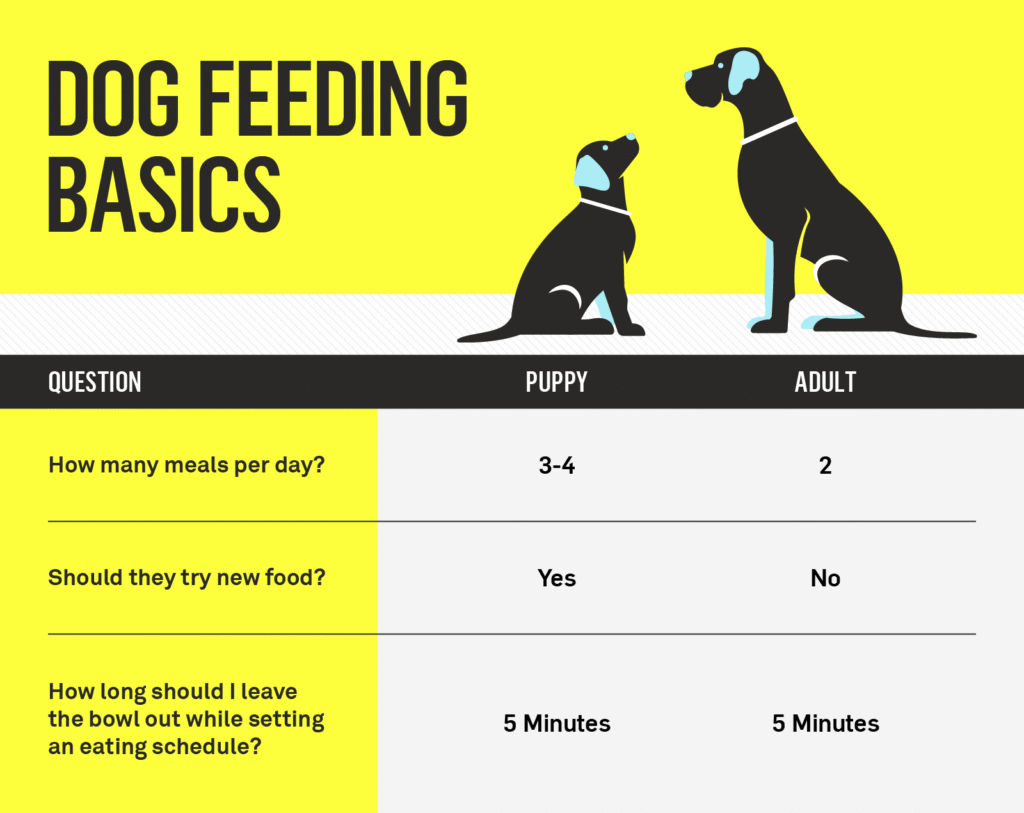
From eight weeks to about six months, puppies grow fast. They need food rich in protein and calories. Puppy food supports their active bodies and brain development. Switching to adult dog food before six months is not advised. This stage is critical for bones and muscles to strengthen. Keep feeding puppy food until your dog reaches this age.
Credit: www.gallant.com
When To Switch To Adult Food
Knowing when to switch your puppy to adult dog food is very important. The right timing helps your dog grow healthy and strong. Puppies need special food that supports their fast growth. But this changes as they age. At some point, adult dog food suits them better. Understanding the right moment helps avoid health problems and supports their energy needs.
Breed Size Considerations
Small breed puppies grow faster than large breeds. They may need adult food as early as 9 months old. Large breeds grow for a longer time. They often need puppy food until 12 to 18 months. Giant breeds may stay on puppy food even longer. It is important to adjust food based on your dog’s breed size.
Nutritional Needs Shift
Puppies need more calories and protein than adult dogs. Their bodies build bones and muscles quickly. Adult dogs need fewer calories to avoid gaining weight. The balance of nutrients changes as your dog grows. Switching to adult food provides the right nutrients for maintenance. This helps your dog stay fit and healthy over time.
Signs Puppy Is Ready
Your puppy may show signs it is ready for adult food. Growth slows down or stops. Your dog may seem less active but still healthy. Check their teeth; adult teeth usually appear by 6 months. Your vet can help decide the right time to switch. Watch your puppy’s weight and energy to guide your choice.
Choosing The Right Adult Food
Choosing the right adult food for your puppy is important for their health and growth. Puppies need a smooth transition from puppy food to adult dog food. This change must meet their new nutritional needs. The right food supports energy, coat health, and digestion. It helps your dog stay strong and active as they grow.
Nutrient Requirements
Adult dogs need different nutrients than puppies. Protein levels should be balanced to maintain muscles. Fat content may be lower than in puppy food. Vitamins and minerals support overall health. Check that the food meets AAFCO standards for adult dogs. This ensures it has the right nutrients your dog needs.
Quality Ingredients
High-quality ingredients make a big difference. Look for real meat as the first ingredient. Avoid foods with too many fillers like corn or soy. Whole grains and vegetables add fiber and vitamins. Natural ingredients improve digestion and energy. Good quality food helps your dog live a long, healthy life.
Avoiding Common Pitfalls
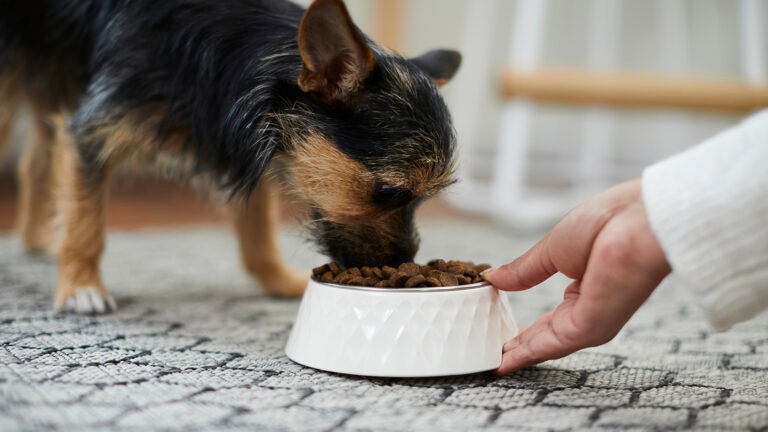
Switching food too quickly can cause stomach upset. Mix old and new food gradually over 7 to 10 days. Avoid foods with artificial colors or preservatives. Watch for allergies or reactions to new ingredients. Always provide fresh water with meals. Careful choices keep your dog happy and healthy.
Credit: www.chewy.com
Transitioning Food Safely
Switching your puppy from puppy food to adult dog food requires care. Sudden changes can upset their stomach and cause discomfort. A smooth change helps your dog adjust well and stay healthy. Follow simple steps to make this transition safe and easy.
Gradual Mixing Method
Start by mixing a small amount of adult food with puppy food. Increase the adult food portion slowly over 7 to 10 days. This helps your puppy get used to the new taste and nutrients. A slow change reduces the risk of stomach upset.
Monitoring Digestive Health
Watch for signs like diarrhea, vomiting, or constipation. These may mean the food change is too fast. Check your puppy’s energy and mood too. Healthy digestion shows the transition is going well.
Adjusting Portion Sizes
Adult dogs need different food amounts than puppies. Adjust portions based on your dog’s weight and activity. Avoid overfeeding or underfeeding during this switch. Proper portions keep your dog fit and happy.
Special Cases And Exceptions
Puppies do not all grow the same way. Some need adult dog food earlier or later than usual. Special cases and exceptions affect the right time to change their diet. Understanding these can help keep your puppy healthy and happy.
Small Vs. Large Breeds
Small breed puppies grow faster than large breeds. They often switch to adult food around 9 to 12 months old. Large breeds take longer, sometimes up to 18 months. Their bones and joints need more time to develop fully. Feeding adult food too soon can cause health problems for big dogs.
Health Conditions Impact
Some puppies have health issues that affect their diet. Puppies with allergies or sensitive stomachs may need special food longer. Dogs with growth problems might need a vet’s advice on when to switch. Giving adult food too early or too late can worsen health conditions.
Consulting Your Veterinarian
Every puppy is different. The best advice comes from a veterinarian. They can check your puppy’s growth and health. Vets recommend the right time to change food. This helps avoid risks and supports your puppy’s well-being.
Frequently Asked Questions
When Can Puppies Start Eating Adult Dog Food?
Puppies can start eating adult dog food around 12 months old. Large breeds may transition later, around 18 months. Consult your vet to ensure proper nutrition during this switch.
Why Switch Puppies To Adult Dog Food?
Adult dog food has balanced nutrients for mature dogs. It supports maintenance rather than growth. Switching prevents excess calories and nutrient imbalances in growing puppies.
Can Feeding Adult Food Early Harm Puppies?
Yes, feeding adult food too early can cause nutrient deficiencies. Puppies need extra protein and calories for growth. Always follow vet advice on timing the switch.
How To Transition Puppies To Adult Dog Food?
Gradually mix adult food with puppy food over 7-10 days. Increase adult food proportion slowly to avoid digestive upset. Monitor your puppy’s health during the transition.
Conclusion
Puppies usually switch to adult dog food around one year old. This timing helps meet their changing nutritional needs. Feeding adult food too early can cause health problems. Watch your puppy’s growth and energy to decide the right moment. Always choose high-quality food made for adult dogs.
Consult your vet for advice tailored to your puppy. A smooth transition supports a healthy, happy dog for life. Keep your puppy’s needs in mind, and feeding will be easier.


