Have you ever wondered just how many dog breeds there really are? Whether you’re thinking about adding a furry friend to your family or you’re simply curious, understanding the variety of dog breeds can help you find the perfect match for your lifestyle.
From tiny lap dogs to large working companions, the options are vast and exciting. Keep reading, and you’ll discover the surprising number of dog breeds out there—and what makes each one unique. This knowledge could change the way you see dogs forever.
Credit: www.newsweek.com
Global Dog Breed Count
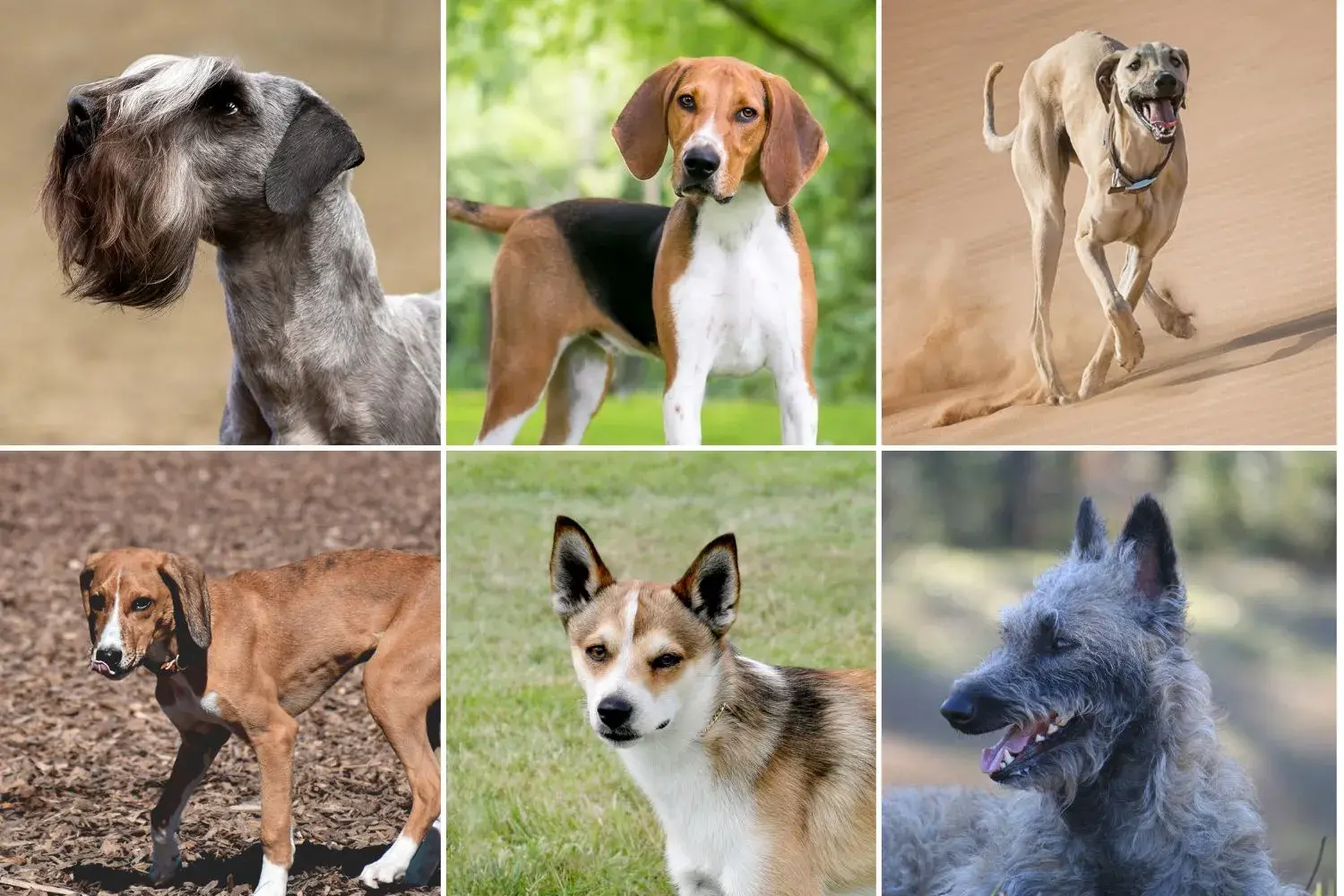
Dogs come in many shapes and sizes worldwide. Each type has unique traits and history. The total number of dog breeds varies depending on the source. Different organizations recognize different breeds. This makes the global count tricky to pin down. Understanding how breeds are counted helps us appreciate dog diversity better.
International Breed Registries
Several main registries track dog breeds worldwide. The American Kennel Club (AKC) is one of the largest. The Fédération Cynologique Internationale (FCI) covers many countries across Europe and beyond. The United Kennel Club (UKC) also registers many breeds. These groups set breed standards and manage official records. Each registry lists a different number of breeds. Some focus on purebred dogs only. Others include rare or new breeds.
Differences In Breed Recognition
Not all registries agree on what counts as a breed. Some accept new breeds faster than others. Some breeds are recognized in one country but not another. Differences arise from culture and breeding history. Some organizations require strict breed traits for recognition. Others accept more variation within a breed. This creates a range in breed counts worldwide. Dog lovers should check which registry they refer to. This helps avoid confusion about breed numbers.

Credit: ed.ted.com
Popular Dog Breed Categories
Dogs come in many types. Each group has special traits and jobs. Knowing these groups helps you choose the right dog. Here are some popular dog breed categories.
Each group has many breeds. They differ in size, shape, and skills. Some dogs are best for work. Others are great for family fun.
Working Dogs
Working dogs are strong and smart. They help with tasks like pulling sleds and guarding homes. These dogs need exercise and training. Examples include the Boxer and the Siberian Husky.
Toy Breeds
Toy breeds are small and cute. They make great pets for small homes. These dogs love to be near people. Popular toy breeds are the Chihuahua and the Pomeranian.
Sporting Dogs
Sporting dogs are active and alert. They help hunters find and retrieve game. These dogs enjoy outdoor activities. The Labrador Retriever and the Spaniel belong here.
Hound Breeds
Hound breeds have a strong sense of smell. They track scents and chase prey. Some hounds are very fast runners. The Beagle and the Greyhound are well-known hounds.
Factors Affecting Breed Numbers
The number of dog breeds changes over time. Many factors affect how many breeds exist. Some breeds appear, others disappear. Some mix to form new types. Understanding these factors helps explain why breed numbers vary.
Crossbreeds And Hybrids
Crossbreeds are dogs from two different breeds. They combine traits from both parents. Hybrids are similar but often have specific goals. People create them for health or looks. These mixes add to the variety of dogs. Sometimes, they become popular and recognized as new breeds.
New Breed Development
New breeds develop through careful breeding. Breeders select dogs with special traits. These traits become stronger over many generations. New breeds reflect changing needs or fashions. Some focus on work, others on companionship. This process slowly increases the total number of breeds.
Extinct And Rare Breeds
Some breeds become extinct or very rare. Changes in lifestyle or environment affect them. Wars, diseases, or lack of interest cause decline. Rare breeds need special care to survive. Protecting them keeps dog diversity alive. Their loss means fewer unique breeds in the world.

Credit: penntoday.upenn.edu
Regional Breed Variations
Dog breeds vary widely across different regions of the world. Each area has its own unique breeds shaped by climate, culture, and history. These regional differences create a rich variety of dogs. Some breeds thrive only in their place of origin. Others gain fame and spread worldwide. Understanding these variations helps us appreciate the diversity of dogs everywhere.
Breeds Unique To Continents
Many continents have dog breeds found nowhere else. Africa has the Basenji, known for its quiet nature and hunting skills. Asia is home to the Shiba Inu, a small but spirited dog from Japan. Europe boasts many breeds like the German Shepherd and the French Bulldog. South America offers the Argentine Dogo, a strong and brave breed. These dogs often reflect the needs of their local people and environment.
Local Vs Global Popularity
Some breeds stay popular only in their home regions. The Australian Cattle Dog is a favorite in Australia but less known elsewhere. Other breeds gain global fame. The Labrador Retriever is loved worldwide for its friendly nature. Popularity depends on lifestyle, culture, and media exposure. Local breeds may not fit well in other climates or homes. Still, many find new fans far from their origins.
How Breed Counts Change Over Time
Dog breed counts do not stay the same over the years. They change because of many reasons. New breeds get recognized. Some old breeds may become less common. Understanding these changes helps us learn about dogs better.
Breed Recognition Trends
Dog breed numbers grow as new breeds get official recognition. Groups like kennel clubs decide which dogs count as breeds. They use strict rules to approve new breeds. Some breeds become popular fast, so clubs add them quickly. Others take years to get recognized. This process affects the total breed count over time.
Impact Of Genetics And Breeding
Genetics plays a big role in breed changes. Breeders mix dogs to create new traits or improve health. This can lead to new breeds forming. At times, breeds blend together, lowering the number of separate breeds. Advances in genetic testing help breeders keep breeds pure. This testing also helps protect rare breeds from disappearing.
Resources For Exploring Dog Breeds
Exploring dog breeds can be fun and educational. Many resources help you learn about different breeds. These resources offer detailed information on breed traits, history, and care needs.
Using the right resources makes it easy to find the perfect dog breed. Some resources focus on breed standards and clubs. Others provide online tools for quick breed searches.
Breed Clubs And Associations
Breed clubs and associations are great places to start. They keep detailed records about specific breeds. They also organize events and shows for dog lovers. These clubs share advice on training and health. Joining a breed club connects you with experts and enthusiasts.
Online Databases And Tools
Online databases list hundreds of dog breeds. They offer photos, descriptions, and temperament details. Some websites allow you to filter breeds by size or activity level. These tools help you compare breeds side by side. Many sites update their data regularly to stay accurate.
Frequently Asked Questions
How Many Dog Breeds Exist Worldwide?
There are over 340 recognized dog breeds worldwide. Different kennel clubs recognize varying numbers based on standards and classifications.
Which Organization Classifies Most Dog Breeds?
The American Kennel Club (AKC) and Fédération Cynologique Internationale (FCI) classify the majority of dog breeds globally.
What Factors Determine Dog Breed Classification?
Breed classification depends on size, appearance, behavior, and genetic lineage. These traits help distinguish one breed from another.
Are New Dog Breeds Still Being Recognized?
Yes, new dog breeds are occasionally recognized as breeders develop unique traits and meet kennel club standards.
Conclusion
Dogs come in many breeds, each with unique traits and charm. Knowing the number of dog breeds helps appreciate their diversity. Whether small or large, all dogs need love and care. Choosing the right breed matches your lifestyle and needs.
Dogs bring joy, friendship, and loyalty to many homes. Explore breeds slowly and enjoy learning about them. Every dog breed has a story worth discovering.