

Have you ever wondered if giving your dog a bone is actually good for them? You want to treat your furry friend with something tasty and healthy, but are bones really safe or nutritious?
Understanding the truth about bones and your dog’s health is important for making the best choices. Keep reading to discover what bones can do for your dog’s nutrition—and what you should watch out for to keep your best friend happy and safe.
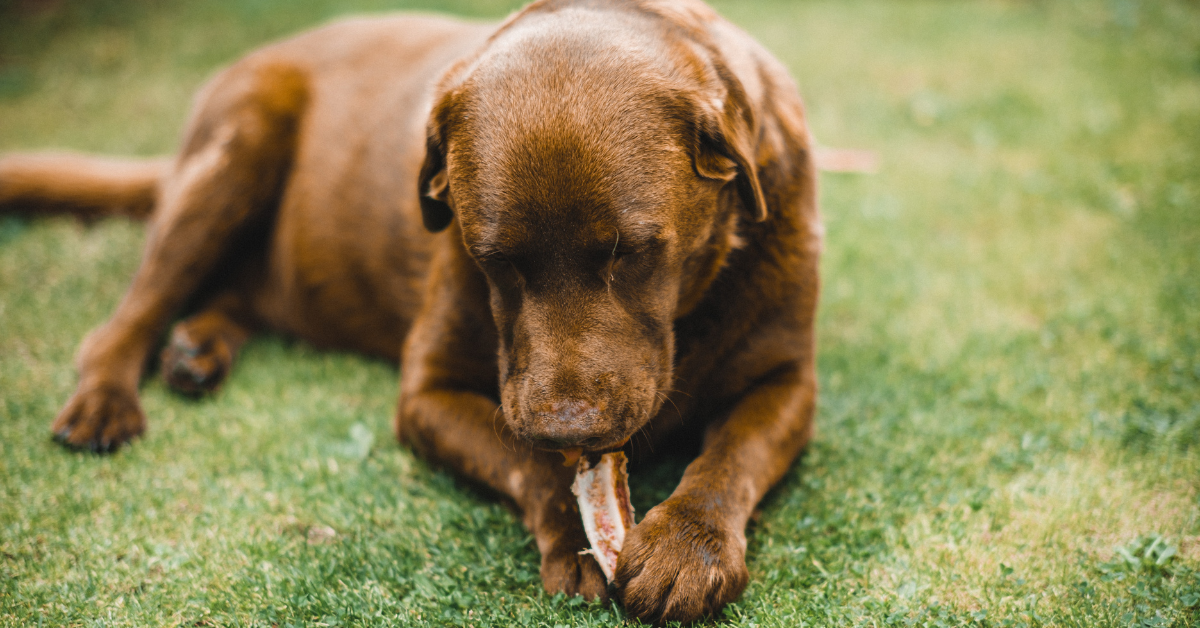
Credit: stevesrealfood.com
Nutritional Components Of Bones
Bones provide more than just a chewing treat for dogs. They contain important nutrients that support your dog’s health. Understanding the nutritional parts of bones helps pet owners make better feeding choices. Dogs get essential minerals, proteins, and other nutrients from bones.
These nutrients support strong bones, healthy joints, and overall well-being. Each component plays a unique role in your dog’s diet.
Calcium And Phosphorus Benefits
Calcium and phosphorus are the main minerals in bones. They build and maintain strong bones and teeth. These minerals work together to keep your dog’s skeleton healthy and stable. Calcium also helps with muscle function and nerve signals. Phosphorus supports energy production in cells. A good balance of these minerals is vital for growing puppies and adult dogs.
Collagen And Protein Content
Bones contain collagen, a type of protein that forms connective tissue. Collagen helps keep joints flexible and healthy. It supports cartilage, which cushions the bones during movement. Protein from bones aids in muscle repair and growth. These proteins are essential for active dogs and those recovering from injury. Chewing bones can provide small amounts of collagen and protein naturally.
Minerals And Trace Elements
Bones hold other minerals like magnesium, zinc, and iron. These trace elements help many body functions. Magnesium supports nerve and muscle health. Zinc aids the immune system and skin repair. Iron is important for carrying oxygen in the blood. Even small amounts of these minerals are valuable for your dog’s health. Bones offer a natural source of these nutrients in a balanced way.

Credit: www.nutriment.co.uk
Types Of Bones Safe For Dogs
Not all bones are safe for dogs to chew or eat. Choosing the right type helps keep dogs healthy and happy. Some bones can cause choking or harm the digestive system. Knowing which bones are safe is important for every dog owner.
Safe bones provide nutrients and help clean teeth. They also satisfy a dog’s natural urge to chew. Here are key points about the types of bones that are safe.
Raw Vs Cooked Bones
Raw bones are generally safer for dogs than cooked bones. Cooking makes bones brittle and easy to break into sharp pieces. Sharp bone fragments can injure a dog’s mouth or stomach. Raw bones stay softer and less likely to splinter.
Raw bones also keep more nutrients intact. Always supervise dogs when they chew raw bones. Avoid giving cooked bones to prevent health risks.
Weight-bearing Vs Non-weight-bearing Bones
Weight-bearing bones come from legs and support animal movement. These bones are harder and denser. They can be tough on a dog’s teeth and may cause breaks or cracks.
Non-weight-bearing bones come from ribs or smaller parts. These bones are softer and easier to chew. They are safer and better for most dogs, especially smaller breeds.
Size And Shape Considerations
Bone size must match your dog’s size. Small bones can cause choking in large dogs. Very large bones may be too hard for small dogs to chew.
Round bones are safer than sharp or pointed ones. Avoid bones with thin ends that can break easily. Choose bones that are big enough to prevent swallowing whole.
Health Risks Of Feeding Bones
Feeding bones to dogs might seem natural, but it carries serious health risks. Bones can cause harm inside your dog’s body. Understanding these risks helps keep your pet safe and healthy.
Choking Hazards
Small pieces of bone can easily get stuck in your dog’s throat. This blocks their airway and can cause choking. Choking is an emergency that needs quick attention. Dogs may cough, gag, or have trouble breathing when choking.
Bone Fractures And Splinters
Hard bones can break into sharp splinters. These splinters can cut your dog’s mouth, throat, or stomach. Broken bones can cause pain and infections. Dogs chewing too hard might hurt their teeth or jaws.
Digestive Issues And Blockages
Swallowed bone fragments can block your dog’s intestines. This causes pain, vomiting, and loss of appetite. Blockages often need surgery to remove. Bones can also cause constipation or tears in the digestive tract.

Credit: www.thehimalayan.co
Guidelines For Offering Bones To Dogs
Giving bones to dogs requires careful attention. Bones can be healthy treats but also risky. Following clear guidelines helps keep your dog safe and happy.
Proper care and planning make bones a good addition to your dog’s diet. Below are key rules to follow when offering bones.
Supervision And Timing
Always watch your dog while chewing bones. Bones can break or cause choking. Remove bones after 10 to 15 minutes. Avoid giving bones before or after meals. This helps prevent stomach upset.
Proper Bone Preparation
Choose raw bones instead of cooked ones. Cooked bones can splinter and hurt your dog. Clean bones well before giving them. Remove small or sharp pieces. Freeze bones to kill bacteria if needed.
Frequency And Portion Control
Offer bones only a few times each week. Too many bones can cause digestive issues. Give bones sized right for your dog. Large dogs need bigger bones. Small dogs need smaller bones to avoid choking.
Alternatives To Natural Bones
Natural bones can provide nutrients and enjoyment to dogs. Yet, they pose risks like choking or tooth damage. Safe alternatives offer similar benefits without these dangers. These options keep dogs happy and healthy while protecting them.
Commercial Chew Toys
Commercial chew toys come in many shapes and sizes. They are made from safe materials designed for chewing. These toys help clean teeth and massage gums. They keep dogs busy and reduce boredom. Many chew toys last a long time. They offer a safe way to satisfy chewing urges.
Dental Treats And Supplements
Dental treats support oral health and freshen breath. They often contain ingredients that reduce plaque and tartar. Supplements provide essential nutrients like calcium and phosphorus. These help keep bones and teeth strong. Treats and supplements are easy to use daily. They promote a healthy mouth without risks of real bones.
Homemade Bone Broth
Homemade bone broth is nutritious and gentle on digestion. It contains minerals and collagen that support joints and skin. Broth is easy to prepare with leftover bones and water. Cooling the broth creates a tasty treat for dogs. It hydrates and nourishes without the danger of splinters. Bone broth adds variety and health benefits to your dog’s diet.
Signs Of Bone-related Problems
Bones can be a source of nutrition for dogs, but they may also cause problems. It is important to watch for signs of bone-related issues. Early detection helps keep your dog safe and healthy.
Behavioral Changes
Dogs with bone problems may act differently. They might avoid playing or running. Some dogs become more irritable or restless. Changes in eating habits can also appear. These shifts often indicate pain or discomfort.
Physical Symptoms
Look for swelling near the mouth or limbs. Limping or difficulty walking is a key sign. Your dog might chew less or drop food. Bleeding or bad breath can also occur. These symptoms suggest a bone or dental issue.
When To Consult A Veterinarian
Seek veterinary help if your dog shows signs of pain. Sudden limping or swelling needs quick attention. Persistent changes in behavior or appetite are serious. A vet can diagnose and treat bone problems safely. Do not wait for symptoms to worsen.
Frequently Asked Questions
Do Bones Provide Essential Nutrients For Dogs?
Yes, bones offer calcium, phosphorus, and other minerals vital for dogs’ bone health and teeth strength. Properly chosen bones can aid digestion and supply nutrients naturally.
Are Cooked Bones Safe For Dogs To Eat?
No, cooked bones are unsafe. They can splinter easily, causing choking or internal injuries. Always give dogs raw or specially prepared bones.
How Do Bones Benefit A Dog’s Dental Health?
Chewing bones helps clean teeth by reducing plaque and tartar buildup. It also massages gums, promoting better oral hygiene and fresh breath.
Can Bones Cause Digestive Issues In Dogs?
Bones can cause blockages or constipation if swallowed in large pieces. Always supervise your dog and choose appropriate bone sizes for safety.
Conclusion
Bones can provide some nutrients to dogs, like calcium and phosphorus. They also help keep dogs busy and support dental health. Yet, not all bones are safe. Cooked bones can break easily and cause problems. Always choose raw, large bones and watch your dog while chewing.
Talk to your vet before giving bones to your dog. Safe bones can be a good treat, but safety comes first. Remember, healthy bones mean a happy dog.


