

Wondering when you should switch your furry friend to adult dog food? It’s a question every dog owner faces, and getting it right matters more than you might think.
Feeding your dog the right food at the right time affects their energy, health, and happiness. If you switch too early or too late, it could lead to problems down the road. You’ll discover exactly how old your dog should be before making the change and what signs to watch for.
Keep reading to make sure your dog’s diet supports a long, healthy life.
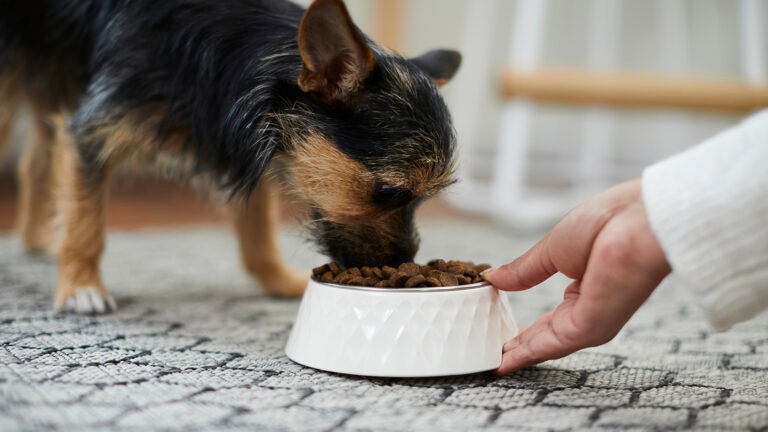
Credit: www.chewy.com
When To Start Switching
Knowing the right time to switch your puppy to adult dog food is important for their health. Feeding adult food too early or too late can affect growth and energy. This guide helps you decide the best moment to make the change. Watch your puppy’s development and follow breed size advice for clear timing.
Age Benchmarks By Breed Size
Small breed dogs grow faster than large breeds. Small breeds usually switch to adult food at 9 to 12 months old. Medium breeds can start at about 12 months. Large and giant breeds need more time. They often switch at 12 to 24 months. Their growth takes longer, so adult food comes later.
Signs Your Puppy Is Ready
Your puppy’s behavior shows when to switch food. If growth slows down and energy stays steady, it may be time. Healthy teeth and chewing ability are good signs. Puppies losing their baby teeth can handle adult food better. Watch for steady weight and stable appetite too. These clues help you make the right choice.
Choosing The Right Adult Food
Choosing the right adult dog food is a key step for your pet’s health. Adult dogs need balanced meals that match their age and activity. The food should support their energy, weight, and overall well-being.
Quality ingredients and proper nutrition matter most. Avoid foods with too many fillers or artificial additives. Focus on meals that provide essential nutrients in the right amounts.
Nutritional Needs For Adult Dogs
Adult dogs require a good balance of protein, fat, and carbohydrates. Protein helps maintain muscle and repair tissues. Fat gives energy and supports skin and coat health.
Carbohydrates provide fuel but should not be the main ingredient. Vitamins and minerals keep the immune system strong. Fiber aids digestion and helps keep weight in check.
Comparing Puppy Vs Adult Formulas
Puppy food has higher calories and nutrients to support growth. It contains more protein, fat, and certain vitamins. Adult formulas have fewer calories to avoid weight gain.
Adult food focuses on maintaining health and supporting normal activity. Feeding puppy food too long can cause extra weight and health issues. Switching to adult food at the right time helps your dog stay fit and healthy.
Transitioning Gradually
Switching your dog to adult food needs care and patience. Sudden changes can upset their stomach and cause refusal to eat. A slow and steady change helps your dog adjust to the new taste and nutrients. This approach supports their health and happiness during the switch.
Step-by-step Switching Process
Start by mixing 25% adult food with 75% puppy food. Keep this mix for three days. Next, change the ratio to 50% adult and 50% puppy food for another three days. After that, feed 75% adult food and 25% puppy food for three days. Finally, offer only adult food. Watch your dog’s reaction each step.
Avoiding Digestive Issues
Introduce new food slowly to prevent stomach problems. Watch for vomiting, diarrhea, or loss of appetite. Offer plenty of fresh water to help digestion. Maintain regular feeding times to keep your dog’s routine steady. If issues persist, consult your vet quickly. A calm transition protects your dog’s health.
Monitoring Your Dog’s Health
Monitoring your dog’s health is key when switching to adult dog food. It helps ensure your dog adjusts well to the new diet. You can spot signs of good health or problems early. Regular checks keep your dog happy and strong.
Weight And Energy Levels
Watch your dog’s weight closely. Sudden weight gain or loss can signal issues. Adult dog food has different calories than puppy food. Energy levels also tell a lot. A lively dog usually means good health. Tiredness or hyperactivity might need attention.
Adjusting Portions And Feeding Frequency
Portion sizes often need changes after switching food. Adult dogs usually eat less than puppies. Feeding frequency might reduce from three times to twice a day. Measure food carefully to avoid overfeeding. Keep an eye on your dog’s hunger cues. Adjust portions based on weight and energy changes.
Consulting Your Veterinarian
Deciding when to switch your dog to adult food is important. Consulting your veterinarian helps make the right choice. Vets know your dog’s health and growth needs best.
A vet can check your dog’s weight, breed, and activity level. These factors affect the right time to change the diet. They also help choose the best food type for your dog’s health.
Tailoring The Diet To Your Dog’s Needs
Each dog is unique. Some may need more protein, others more fat. A vet can suggest a diet that fits your dog’s lifestyle. They adjust food based on age, size, and health status.
Your vet may recommend different foods for active or less active dogs. They also consider allergies and sensitivities. This ensures your dog gets balanced nutrition every day.
When Special Diets Are Necessary
Some dogs need special diets due to health issues. Conditions like kidney problems or diabetes require unique nutrition. Your vet will guide you on the best food to support treatment.
Special diets can help manage weight, improve digestion, or reduce allergies. Your vet monitors progress and adjusts the diet as needed. This care helps your dog live a healthy life.

Credit: www.reddit.com
Credit: www.purina.com
Frequently Asked Questions
When Should I Switch My Puppy To Adult Dog Food?
Switch to adult dog food when your puppy reaches about 12 months old. Large breeds may switch later, around 18 months. This ensures they get proper nutrition for growth and maintenance.
What Are Signs My Dog Needs Adult Food Now?
Signs include slowing growth, less playfulness, and weight stabilization. Your vet can confirm if your dog is ready for adult food.
Can Switching Too Early Harm My Dog’s Health?
Yes, switching too early can cause nutrient deficiencies and digestive issues. Always follow breed-specific age recommendations or consult your vet.
How Do Adult And Puppy Dog Foods Differ?
Puppy food has more calories, protein, and nutrients for growth. Adult food supports maintenance with balanced nutrients for energy and health.
Conclusion
Switching your dog to adult food at the right age keeps them healthy. Most dogs change between 12 and 18 months old. Small breeds might switch earlier, large breeds a bit later. Watch your dog’s growth and energy for clues.
Choose food made for adult dogs with balanced nutrients. Talk to your vet if unsure about timing. A smooth change helps your dog adjust well. Keep your pet happy and strong with good food choices. Simple steps make a big difference in your dog’s health.


