

Traveling with a small dog can be one of the most rewarding experiences you’ll ever have. Imagine exploring new places while your furry friend is right by your side, sharing every adventure.
But it’s not always easy. You might worry about their comfort, safety, or how to keep them calm on the road. What if there was a way to make your trip smooth and enjoyable for both of you? You’ll discover simple tips and smart tricks to travel confidently with your small dog.
Get ready to turn your next trip into a memorable experience for you and your best companion. Keep reading—you don’t want to miss this!
Choosing The Right Carrier
Choosing the right carrier is key to a smooth trip with your small dog. The right carrier keeps your pet safe and comfy. It also meets travel rules and fits your needs. Picking the best carrier helps your dog feel calm and relaxed.
Size And Comfort
Choose a carrier that fits your dog’s size. Your dog should stand, turn, and lie down easily. Soft, cushioned padding adds comfort. Look for breathable materials to keep your dog cool. A cozy space helps your dog stay calm during travel.
Safety Features
Check for strong zippers and secure locks. The carrier should not collapse or tip over. Look for carriers with sturdy handles or straps. Ventilation windows keep air flowing. Reflective strips can add visibility in low light.
Airline Regulations
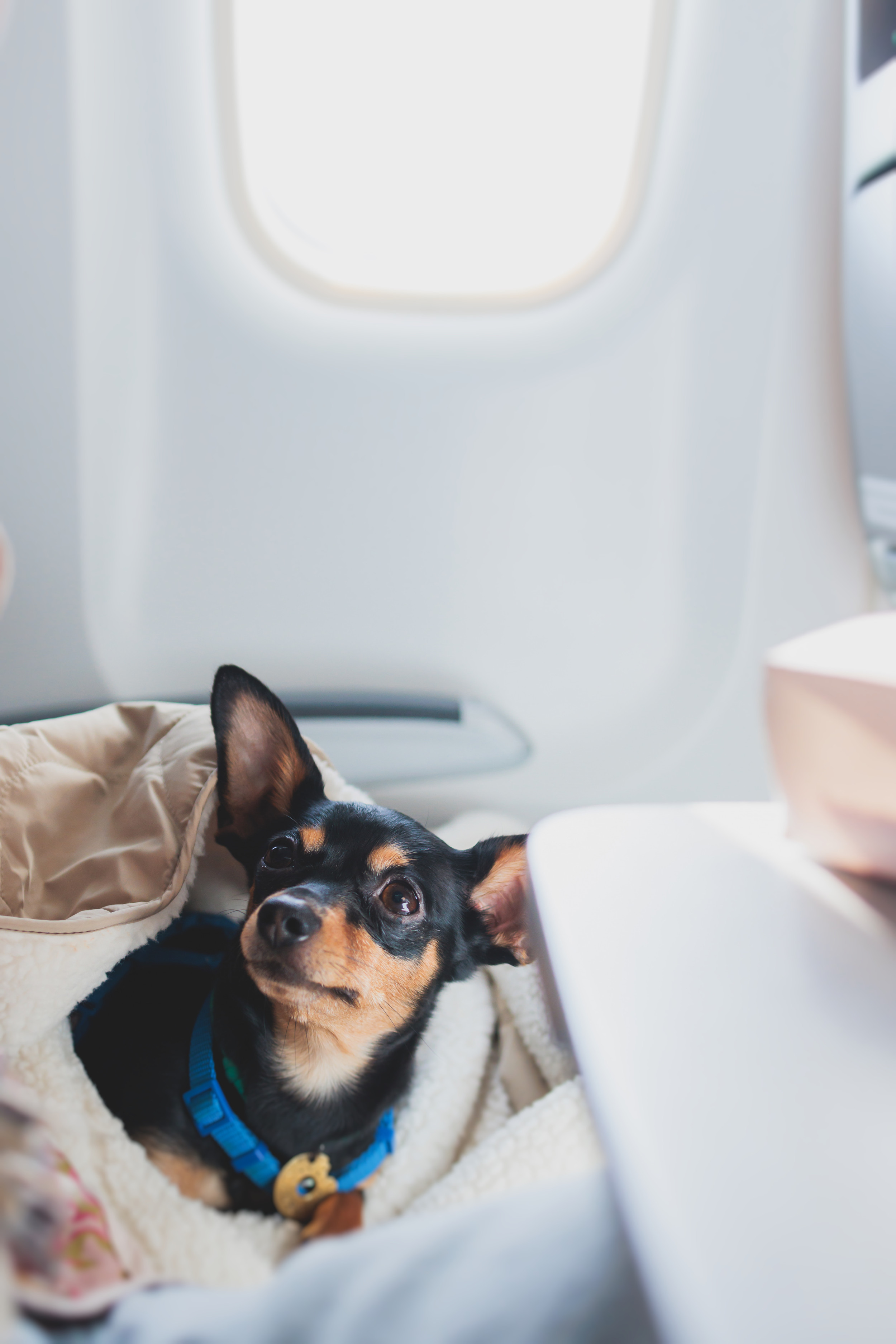
Each airline has rules for pet carriers. Check size limits for cabin or cargo travel. Soft-sided carriers often work better for cabin flights. Your carrier must fit under the seat in front of you. Always verify airline policies before booking your trip.
Credit: www.newsweek.com
Preparing Your Dog For Travel
Traveling with a small dog can be a fun experience. Proper preparation helps your dog feel safe and calm. Start planning early to avoid stress during the trip. Focus on making your dog comfortable with travel gear and routines. Prepare your dog’s health to keep them safe and happy on the road.
Familiarizing With The Carrier
Introduce the carrier as a cozy space at home. Place toys and treats inside to create positive feelings. Let your dog explore the carrier freely for short times. Gradually increase the time your dog spends inside. Practice closing the door briefly to build trust. This helps your dog feel secure during travel.
Training Basic Commands
Teach simple commands like “sit,” “stay,” and “come.” Use treats and praise to encourage good behavior. Practice commands in different places to improve focus. Basic commands help control your dog in new situations. They make travel safer and more enjoyable for both.
Health Checkups And Vaccinations
Visit the vet before any trip to ensure good health. Check for any illnesses or conditions that may affect travel. Update all necessary vaccinations to protect against diseases. Ask the vet for travel advice specific to your dog’s needs. Keep a copy of health records during travel for emergencies.
Packing Essentials For Your Dog
Packing for a trip with your small dog needs careful planning. Your dog’s comfort and safety depend on what you bring. Prepare a bag with essential items to keep your dog happy and healthy during travel.
Food And Water Supplies
Bring enough food for the entire trip plus extra. Use familiar brands to avoid stomach upset. Pack portable bowls for food and water. Carry fresh water at all times to keep your dog hydrated.
Toys And Comfort Items
Include your dog’s favorite toys to reduce stress. A small blanket or bed helps your dog feel secure. These items make new places feel like home. Comfort items keep your dog calm during travel breaks.
Medical Kit
Prepare a basic medical kit for emergencies. Include items like bandages, antiseptic wipes, and tweezers. Pack any prescribed medications your dog needs. Keep your vet’s contact info handy. A medical kit ensures quick care if your dog gets hurt.

Credit: www.miathenewyorker.com
Planning Your Travel Route
Planning your travel route is important when you travel with a small dog. It helps keep your pet safe and comfortable. Careful planning makes the trip smooth for both you and your dog.
Think about places to stay, rest stops, and weather along the way. These details affect your dog’s well-being during the trip. A good plan reduces stress and keeps your dog happy.
Pet-friendly Accommodations
Find hotels or rentals that welcome small dogs. Check their pet policies before booking. Some places offer special pet areas or treats. Choose accommodations close to your route for easy access. This helps avoid long detours or delays.
Frequent Breaks
Plan short stops every two to three hours. Dogs need to stretch and relieve themselves. Use these breaks to offer water and light snacks. Pick safe, quiet spots to avoid stress. Frequent breaks keep your dog healthy and calm.
Weather Considerations
Check the weather forecast for your route. Avoid extreme heat or cold to protect your small dog. Bring blankets or cooling mats as needed. Adjust travel times to avoid harsh weather. Weather affects your dog’s comfort and safety.
Managing Stress During Travel
Traveling with a small dog can be exciting and challenging. Managing your dog’s stress during the trip helps make the journey smoother. Stress affects dogs just like people. Keeping your dog calm improves their comfort and safety.
Calming Techniques
Use gentle petting to soothe your dog. Speak in soft, calm tones. Bring familiar toys or blankets to comfort them. Try slow, deep breathing near your dog to help them relax. Short breaks for walks reduce tension. Use calming sprays or collars designed for dogs. Always stay close to provide reassurance.
Maintaining Routine
Keep feeding times the same as at home. Walk your dog at regular intervals. Use the same commands and play routines. Consistent routines create a sense of security. Avoid changing your dog’s diet suddenly. Familiar habits reduce confusion and stress. Pack your dog’s usual food and treats.
Recognizing Signs Of Anxiety
Watch for pacing or trembling. Excessive barking or whining means distress. Panting or drooling can signal nervousness. Hiding or refusing to eat shows fear. Scratching or biting might mean discomfort. Early detection helps prevent bigger problems. Act quickly to calm your dog if signs appear.

Credit: www.amazon.com
Traveling By Different Modes
Traveling with a small dog can be fun and simple with the right planning. Choosing the best way to travel helps keep your dog safe and calm. Different travel modes have their own rules and comfort levels for pets. Knowing what to expect makes your trip smoother.
Car Trips
Car trips offer flexibility and control. Your dog can stay in a familiar carrier or sit on a seatbelt harness. Take breaks every two hours to let your dog stretch and relieve itself. Keep windows closed enough to avoid drafts but open for fresh air. Bring water and favorite toys to keep your dog happy.
Air Travel
Air travel needs more preparation and paperwork. Check airline pet policies before booking. Use an airline-approved pet carrier that fits under the seat. Book direct flights to reduce travel time. Arrive early to handle check-in smoothly. Keep your dog calm with soft blankets and gentle talk. Avoid feeding just before the flight to prevent nausea.
Train And Bus Journeys
Train and bus rides vary by company rules. Most allow small dogs in carriers only. Keep your dog quiet and comfortable inside the carrier. Choose less crowded times to travel for a relaxed trip. Bring water and a small bowl for breaks. Be ready to follow staff instructions about pets during the journey.
Post-travel Care
Traveling can be tiring for small dogs. After the trip, they need time and care to recover. Post-travel care helps your dog feel safe and comfortable again. It also supports their health and good behavior.
Settling In
Let your dog rest in a quiet, familiar place. Keep their bed and toys nearby. Avoid loud noises or too many visitors at first. Give them time to relax and adjust to home. Watch their body language for signs of stress or fatigue.
Health Monitoring
Check your dog’s eyes, nose, and coat for any changes. Look for signs of illness, like coughing or loss of appetite. Keep an eye on their bathroom habits. If you notice anything unusual, contact a vet. Regular checks help catch problems early.
Rewarding Good Behavior
After travel, your dog might act differently. Praise calm and friendly behavior with treats or gentle petting. Use clear, positive words to encourage good actions. Avoid punishment for stress-related mistakes. Patience and rewards build trust and comfort.
Frequently Asked Questions
How To Prepare A Small Dog For Travel?
Start by packing essentials like food, water, and a leash. Visit the vet for a health check and vaccinations. Practice short trips to get your dog comfortable with travel. Use a secure, well-ventilated carrier for safety during the journey.
What Are The Best Travel Carriers For Small Dogs?
Look for carriers that are lightweight, durable, and well-ventilated. Soft-sided carriers are great for comfort and flexibility. Ensure the carrier fits airline regulations if flying. It should be spacious enough for your dog to sit and turn comfortably.
Can Small Dogs Travel By Plane Safely?
Yes, small dogs can travel safely by plane if properly prepared. Use an airline-approved carrier and book in advance. Keep your dog calm with familiar toys and treats. Check airline policies for pet travel requirements and fees.
How To Manage Small Dog Anxiety During Travel?
Keep your dog calm by using familiar blankets and toys. Maintain a consistent routine with feeding and bathroom breaks. Speak softly and offer treats to reduce stress. Consult your vet for anxiety-reducing options if needed.
Conclusion
Traveling with a small dog can be a joyful experience. Careful planning makes trips smooth and stress-free. Keep your dog’s needs in mind at all times. Bring familiar items to help them feel safe. Short breaks help your pet stay happy and healthy.
Enjoy exploring new places together, creating lasting memories. Small dogs bring big happiness on every journey. With patience and care, travel becomes a shared adventure. Your furry friend will thank you for the love and attention. Safe travels and happy tails await you both!


