Your 6-month-old puppy is growing fast, and now is the perfect time to shape their behavior. This stage is crucial for building good habits that will last a lifetime.
But training a young pup can feel overwhelming—you want your furry friend to listen, behave, and become a happy part of your family. What if you could make training easier and more effective? Keep reading, because these simple tips will help you connect with your puppy, avoid common mistakes, and enjoy the process together.
Your journey to a well-trained, joyful dog starts here.
Setting Realistic Goals
Setting realistic goals is key to training a 6-month-old puppy successfully. Puppies at this age are still learning about the world and their behavior changes fast. Clear, simple goals help keep training on track and avoid frustration. They make progress easier to see and celebrate.
Age-appropriate Expectations
Puppies grow quickly but need time to learn skills. Expecting a 6-month-old to behave like a full-grown dog is unfair. Focus on basic commands like sit, stay, and come. Short training sessions work best because puppies have short attention spans. Be patient with mistakes and remember training is a step-by-step process.
Tracking Progress
Track your puppy’s progress by noting small wins. Keep a journal or use a simple app to record training sessions. Celebrate when your puppy learns a new command or reduces bad behavior. Watching progress over time helps you adjust goals and keeps motivation high. Regular review makes training more effective and fun for both of you.
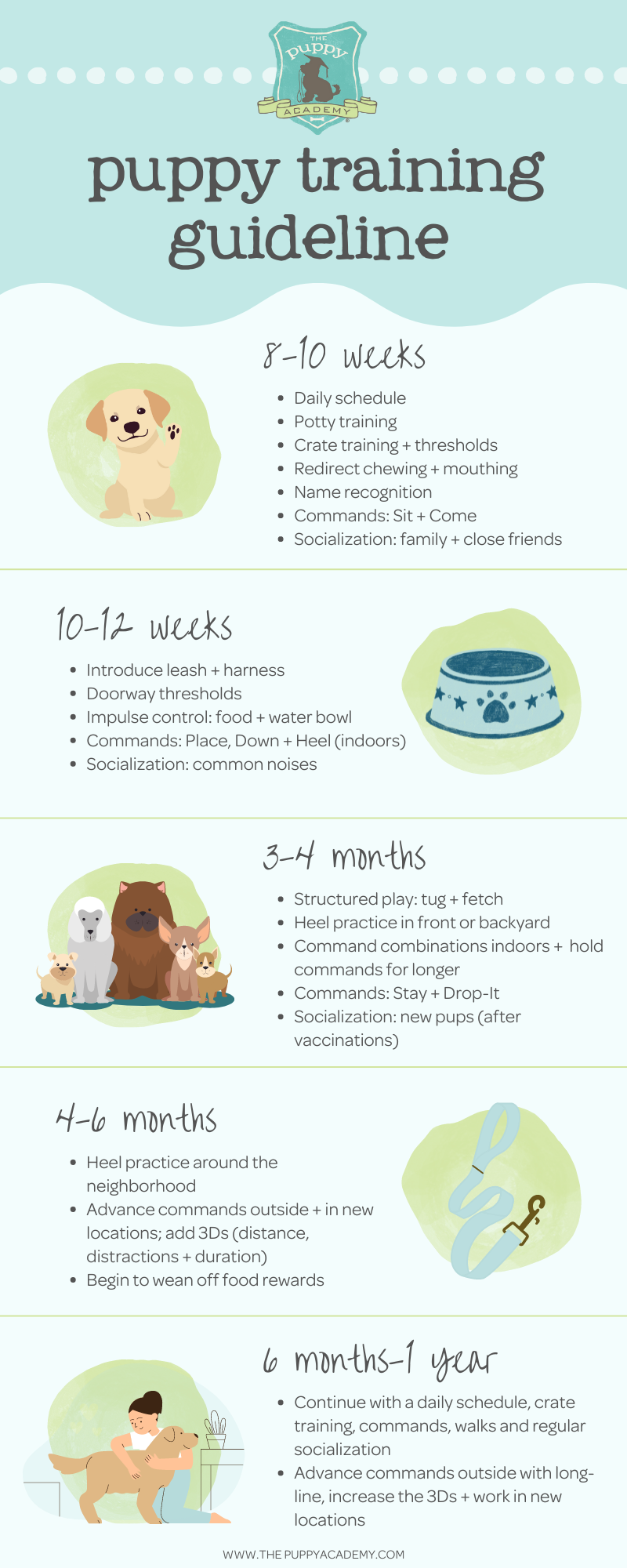
Credit: lotuscampus.co.in
Basic Obedience Commands
Teaching basic obedience commands is important for a 6-month-old puppy. These commands help build good habits and create a strong bond. Training at this age is effective because puppies are curious and eager to learn.
Keep training sessions short and positive. Use treats and praise to encourage your puppy. Consistency is key. Repeat commands often and reward good behavior immediately.
Sit And Stay
“Sit” is one of the first commands to teach. Hold a treat above your puppy’s nose. Move it slowly back over their head. When they sit, say “sit” and give the treat. Practice this several times daily.
“Stay” teaches your puppy to wait patiently. Ask your puppy to sit. Show your open palm and say “stay.” Take a small step back. If your puppy stays, reward them. Increase distance gradually.
Come When Called
“Come” keeps your puppy safe. Use a happy voice and say your puppy’s name, then “come.” When they come, reward with treats and praise. Practice in a quiet area first. Gradually try with distractions.
Never punish your puppy for coming late. Make coming to you a happy event. This command helps control your puppy in many situations.
Leash Walking
Leash walking teaches your puppy to walk calmly beside you. Use a comfortable collar and leash. Start indoors or in a quiet yard. Let your puppy get used to the leash first.
Hold the leash gently and encourage your puppy to follow. Use treats to reward walking near you. Stop walking if your puppy pulls. Wait for them to return, then continue.
House Training Techniques
House training is a key step in raising a well-behaved puppy. At six months old, your puppy is ready to learn clear rules about where to go potty. Consistency and patience build good habits. Using simple techniques makes training easier for both of you. This helps prevent accidents and keeps your home clean.
Establishing A Routine
Set regular times for bathroom breaks. Take your puppy outside first thing in the morning. After meals, take them out again. Puppies often need to go after playing or napping. Use the same spot outside every time. This helps your puppy connect the place with potty time. Praise your puppy when they go outside. A routine creates clear expectations and reduces accidents.
Handling Accidents
Accidents will happen. Stay calm and don’t punish your puppy. Clean the area thoroughly to remove smells. Puppies return to spots that smell like urine. Use an enzymatic cleaner for best results. If you catch your puppy in the act, gently interrupt and take them outside. Reward them when they finish outside. This teaches where it is okay to go. Patience and kindness speed up training progress.
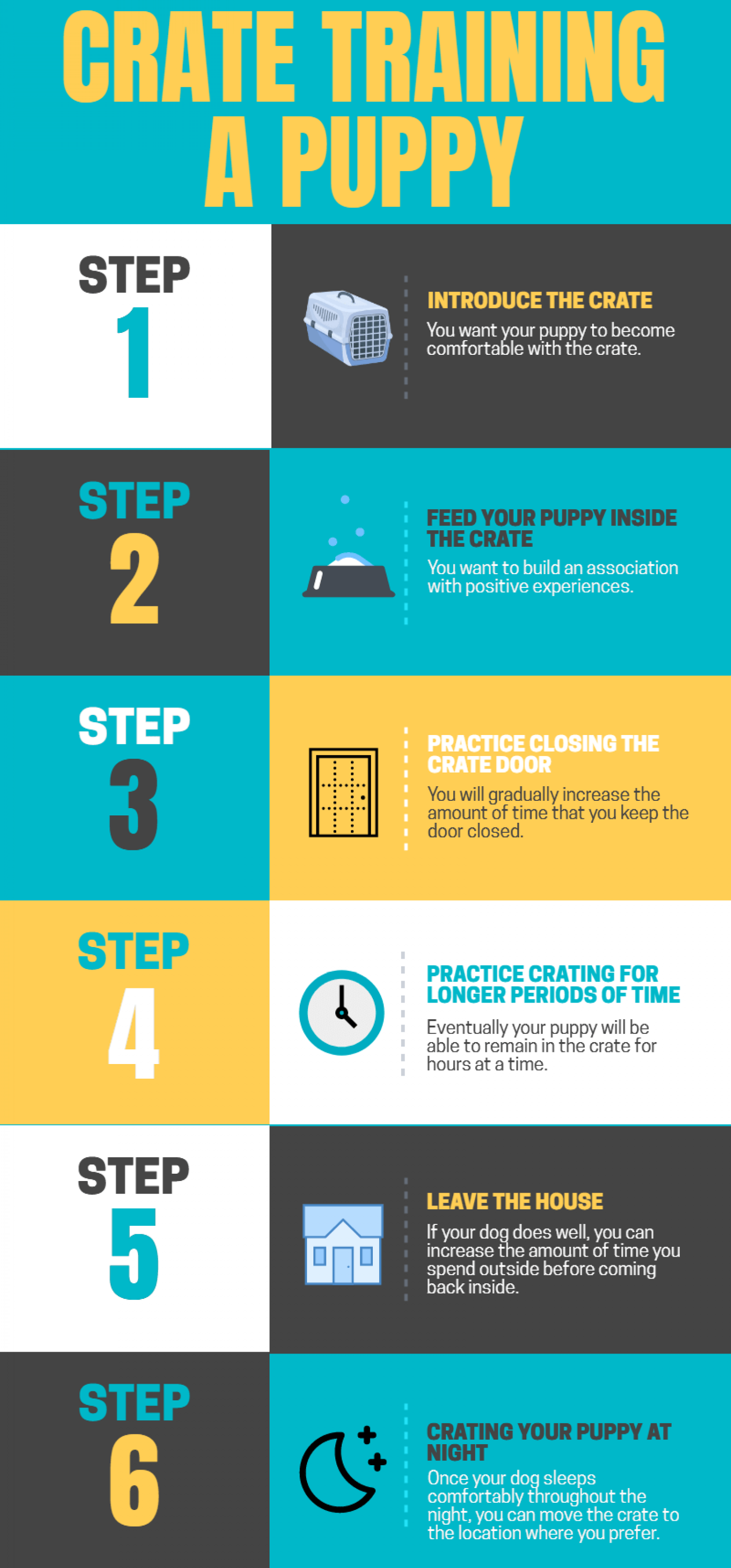
Credit: notaria2ibague.com
Socialization Strategies
Socialization is key for a 6 month old puppy. It helps them become confident and friendly. At this age, puppies learn fast. They start understanding how to behave around others. Careful socialization prevents fear and aggression later.
Start by exposing your puppy to different sights and sounds. Let them meet new people and dogs safely. Positive experiences build trust and good habits. Below are two important socialization strategies to try.
Introducing New People
Introduce your puppy to various people gently. Let them approach at their own pace. Use calm voices and slow movements. Offer treats to create a positive link.
Include people of different ages and appearances. This helps your puppy accept everyone. Avoid forcing contact. Watch your puppy’s body language closely.
Pause or step back if your puppy seems scared. Gradually increase the time spent with new people. This builds your puppy’s confidence over time.
Meeting Other Dogs
Arrange safe meetings with other dogs. Choose calm and friendly dogs first. Keep your puppy on a leash during first encounters.
Observe both dogs’ reactions carefully. Let them sniff and greet naturally. Avoid rough play or overwhelming situations.
Short, positive meetings work best. Praise your puppy for good behavior. Regular social play helps your puppy learn proper dog manners.
Managing Chewing And Biting
Managing chewing and biting is a key part of training a 6-month-old puppy. At this age, puppies explore the world with their mouths. They often chew and bite to relieve teething pain and learn about their environment. Controlling this behavior helps protect your belongings and keeps your puppy safe.
Consistent guidance teaches your puppy what is okay to chew and what is not. It also helps build good habits early. Let’s explore ways to manage chewing and biting effectively.
Providing Appropriate Toys
Offer your puppy toys designed for chewing. Toys made from durable rubber or nylon work best. These toys satisfy the urge to chew and reduce damage to furniture.
Rotate toys regularly to keep your puppy interested. Soft toys, ropes, and chew bones can also help. Always choose safe, non-toxic materials.
Encourage your puppy to use these toys by praising them. This positive reinforcement makes toys more appealing than household items.
Redirecting Behavior
When your puppy starts biting or chewing on something wrong, gently redirect their attention. Replace your hand or shoe with a toy immediately.
Use a calm voice to say “No” or “Leave it.” Then, guide them to the correct item. Reward them when they chew the right toy.
Redirecting teaches your puppy what is acceptable and strengthens your control. It also reduces frustration for both of you.

Credit: www.dogwise.com
Building Positive Habits
Building positive habits in a 6-month-old puppy sets the foundation for good behavior. At this age, puppies learn quickly and respond well to clear guidance. Positive habits help your puppy grow into a well-mannered adult dog. It makes training easier and life more enjoyable for both of you. Focus on simple, consistent actions to shape your puppy’s routine.
Reward-based Training
Reward-based training uses treats, praise, or toys to encourage good behavior. Puppies connect rewards with actions fast. Give a small treat or kind words right after your puppy does something right. This way, the puppy understands what you want. Avoid punishment. It can cause fear or confusion. Rewards build trust and make learning fun for your puppy.
Consistency And Patience
Consistency is key to building strong habits. Use the same commands and routines every day. Your puppy will learn faster with regular practice. Patience helps during slow or tricky moments. Puppies need time to understand what you expect. Stay calm and keep training sessions short. Repeat exercises often to reinforce good behavior.
Addressing Common Challenges
Training a 6-month-old puppy is exciting but can bring some challenges. Puppies are growing fast and testing limits. Some behaviors need special attention to guide them well. Addressing these common issues early helps build good habits. It also strengthens your bond with your puppy.
Two frequent challenges are separation anxiety and excessive barking. Both can cause stress for you and your puppy. Understanding why these happen and how to handle them makes training smoother. Let’s explore these challenges and find simple ways to manage them.
Separation Anxiety
Many puppies feel nervous when left alone. This is called separation anxiety. They may whine, bark, or scratch at doors. Your puppy misses your presence and feels scared. Start by leaving your puppy alone for short times. Gradually increase the time as they get used to it.
Create a safe space with toys and a comfy bed. Avoid long goodbyes or emotional scenes. Keep departures calm and quick. Reward calm behavior with treats or praise. Consistent practice helps your puppy feel safe when alone.
Excessive Barking
Puppies often bark to get attention or express feelings. Excessive barking can be tiring and disturbing. Identify what triggers your puppy’s barking. It could be boredom, fear, or excitement. Teach a quiet command and reward your puppy for silence.
Provide enough exercise to reduce energy. Use toys to keep your puppy busy. Ignore barking for attention and praise quiet moments. Patience is key. Over time, your puppy learns when to bark and when to stay calm.
When To Seek Professional Help
Training a 6-month-old puppy can be rewarding but challenging. Sometimes, problems arise that need extra help. Knowing when to seek professional help can save time and stress. Early support can guide your puppy’s behavior in a positive way.
Identifying Behavioral Issues
Watch for signs of serious behavior problems. Aggression, biting, or constant barking need attention. Fear or anxiety that stops your puppy from learning is a red flag. Repeated accidents indoors may show a training gap. These issues may be too hard to handle alone.
Choosing A Trainer
Pick a trainer with experience in young dogs. Look for positive reinforcement methods that reward good behavior. Avoid trainers who use harsh punishments. Ask about their certifications and reviews from other pet owners. The right trainer can make training easier and more fun for both of you.
Frequently Asked Questions
How Often Should I Train My 6 Month Old Puppy?
Train your 6 month old puppy daily in short, consistent sessions. Aim for 10-15 minutes, 2-3 times a day. Consistency helps build good habits and keeps your puppy engaged without overwhelming them.
What Are Key Commands To Teach A 6 Month Puppy?
Focus on basic commands like sit, stay, come, and leave it. These commands build control and safety. Use positive reinforcement like treats and praise to encourage learning.
How Do I Handle Puppy Biting At 6 Months?
Redirect biting to chew toys immediately. Use firm “no” and stop play if biting continues. Consistent gentle correction teaches bite inhibition and acceptable behavior.
When Should Socialization Start For A 6 Month Puppy?
Socialization should continue actively at 6 months. Introduce your puppy to new people, dogs, and environments safely. This helps prevent fear and aggression later.
Conclusion
Training a 6-month-old puppy takes time and patience. Stay calm and consistent with each lesson. Use simple commands and rewards to guide behavior. Small, regular sessions work best for learning. Puppies respond well to praise and gentle corrections. Remember, every puppy learns at its own pace.
Keep training fun and positive to build trust. Good habits now help your dog grow happy and well-behaved. Enjoy the journey with your puppy every day.