

Bringing a new puppy home is exciting, but feeding your furry friend the right way can feel overwhelming. You want to give your puppy the best start in life, but where do you begin?
What should you feed them, how often, and how much? Getting these details right now can shape your puppy’s health and happiness for years to come. Keep reading, and you’ll discover simple, practical tips that make feeding your new puppy easy and stress-free.
Your puppy’s wagging tail will thank you!
Credit: www.coloradoanimalrescue.org
Choosing The Right Puppy Food
Choosing the right food for your new puppy is very important. Good nutrition helps puppies grow strong and stay healthy. Puppies need food made just for their age and size. The wrong food can cause problems in their growth and health.
Focus on selecting food that supports their development. Consider the ingredients and nutrients. Think about your puppy’s breed and any special needs. This guide will help you choose the best food for your puppy.
Types Of Puppy Food
Puppy food comes in three main types: dry, wet, and raw. Dry food is crunchy and easy to store. It helps keep teeth clean. Wet food is soft and often more tasty. It has more moisture. Raw food is natural but needs careful handling. Each type has pros and cons. Choose one that fits your puppy’s needs and your lifestyle.
Reading Puppy Food Labels
Check labels carefully before buying. Look for real meat as the first ingredient. Avoid foods with too many fillers like corn or wheat. Find foods with balanced protein, fats, and vitamins. The label should say it meets AAFCO standards. This means it has the right nutrients for puppies. Watch out for artificial colors or preservatives. Choose simple and natural ingredients.
Consulting Your Veterinarian
Your vet is a great resource for feeding advice. They know your puppy’s health and breed needs. Ask about the best food brands and types. Discuss any allergies or special diets. Your vet can help adjust feeding amounts as your puppy grows. Regular checkups will keep your puppy on the right track.
Establishing A Feeding Schedule
Establishing a feeding schedule helps your new puppy grow healthy and strong. A set routine makes feeding easier for both you and your puppy. It also supports good digestion and proper energy levels throughout the day.
Frequency For Different Ages
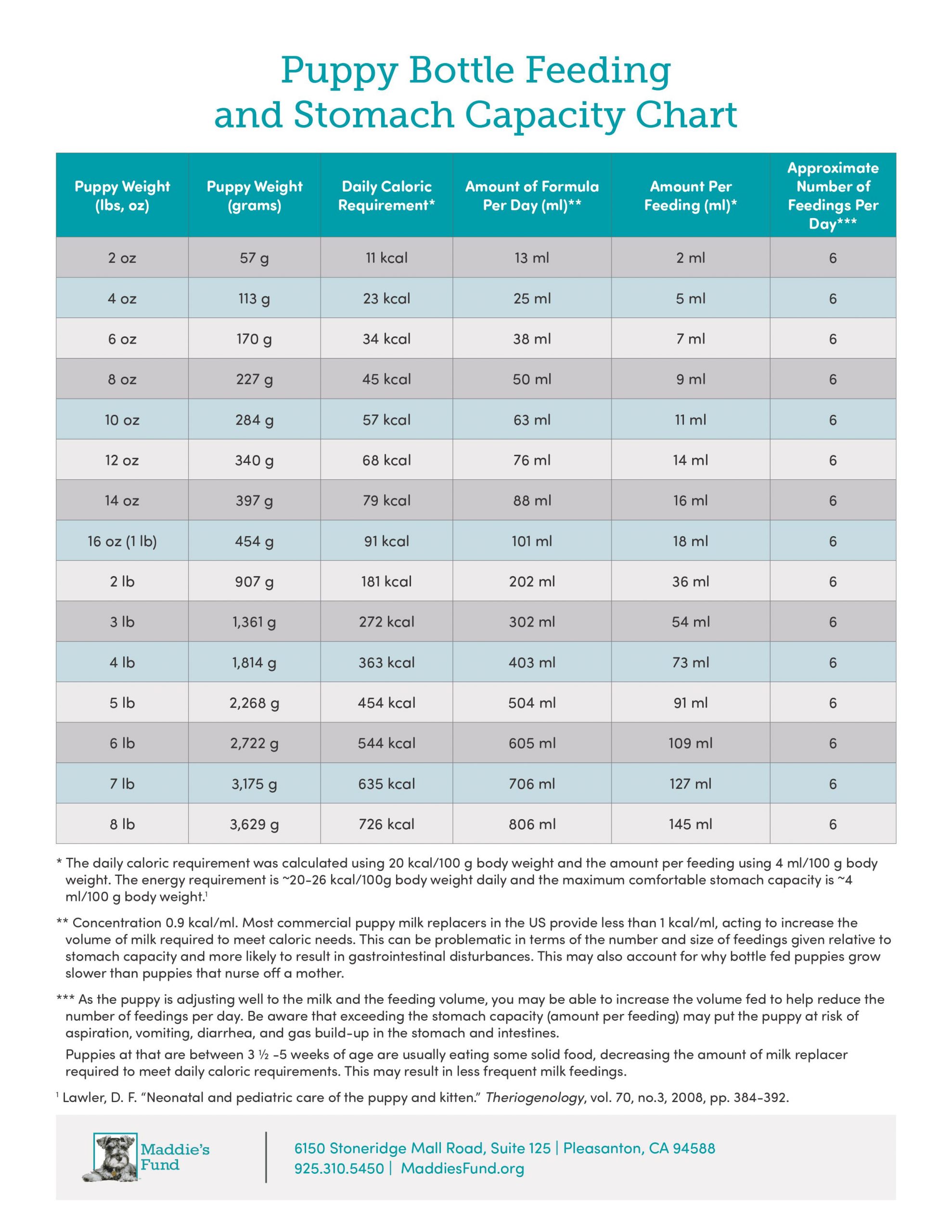
Puppies need to eat more often than adult dogs. Very young puppies, under three months, should eat four times daily. Between three and six months, reduce to three meals. After six months, two meals a day usually work well. This schedule matches their fast growth and energy needs.
Consistency And Routine
Feed your puppy at the same times each day. Puppies feel safe with a regular routine. It helps them learn when to expect food. Avoid feeding too late or too early. This builds good habits and prevents begging or anxiety.
Adjusting Portions Over Time
Portion sizes change as your puppy grows. Follow your vet’s advice or the food package guide. Watch your puppy’s weight and energy. Increase portions if they seem hungry or lose weight. Decrease if they gain too much weight. Keep portions balanced for steady growth.
Proper Feeding Techniques
Feeding a new puppy properly sets the foundation for healthy growth. Proper feeding techniques help your puppy get the right nutrients. This supports strong bones, a shiny coat, and lots of energy. Establishing good habits early makes feeding easier for both of you.
Measuring Food Accurately
Use a measuring cup to give the right amount of food. Follow the feeding guide on the puppy food package. Overfeeding can cause weight problems. Underfeeding slows growth and energy levels. Measure food every time to keep portions consistent.
Creating A Comfortable Feeding Area
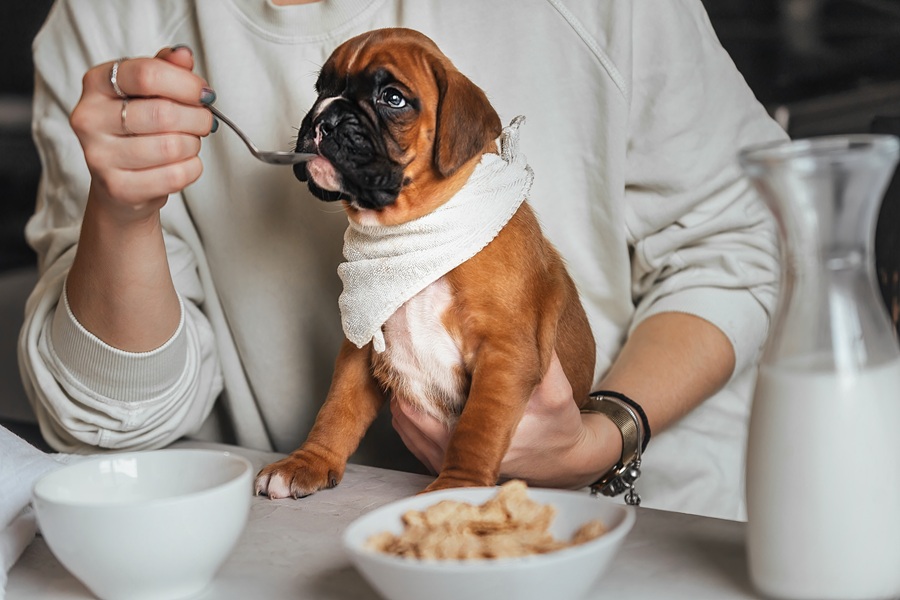
Choose a quiet, calm spot for feeding your puppy. Avoid busy or noisy places. Use a clean bowl and place it on a non-slip mat. Puppies eat better when they feel safe and relaxed. Keep the area tidy to prevent distractions during meals.
Avoiding Overfeeding
Feed your puppy only the amount recommended by your vet or food label. Avoid giving too many treats between meals. Overfeeding leads to weight gain and health problems. Stick to regular meal times and portion sizes. Watch your puppy’s weight and adjust food if needed.
Credit: www.rearoadanimalhospital.com
Monitoring Puppy Growth And Health
Keeping a close eye on your puppy’s growth and health is key to raising a happy dog. Early months shape their future well-being. Careful monitoring helps catch problems before they grow. It also shows if your feeding plan works well. Healthy growth means a strong puppy with good energy.
Tracking Weight And Development
Weigh your puppy regularly, at least once a week. Use a small scale for accuracy. Write down the numbers to see progress over time. Watch for steady increases in weight. Sudden drops or no gain can signal trouble. Also, note physical changes like size and muscle tone. Healthy puppies grow in both weight and activity.
Recognizing Signs Of Nutritional Issues
Check your puppy’s coat for shine and softness. Dull fur can mean poor nutrition. Look at their stool too. Loose or very hard stools may show a diet problem. Puppies should have steady energy levels. Low energy or constant tiredness needs attention. Appetite changes can also hint at issues. Early signs help fix problems quickly.
Regular Vet Checkups
Schedule vet visits from the start. Your vet checks growth and overall health. They can spot subtle problems you might miss. Vaccinations and parasite control happen during these visits. Discuss your puppy’s diet with the vet. They can suggest adjustments for better nutrition. Regular checkups keep your puppy safe and strong.
Introducing Treats And Supplements
Introducing treats and supplements to a new puppy can support healthy growth and good behavior. Treats reward your puppy and make training fun. Supplements help fill nutritional gaps. Both must be chosen carefully for safety and health.
Healthy Treat Options
Choose treats made from natural ingredients. Small pieces of cooked chicken, carrots, or apple slices work well. Avoid treats with sugar, salt, or artificial flavors. Keep treats soft to protect your puppy’s teeth. Always check for allergies or sensitivities.
Using Treats For Training
Treats motivate your puppy during training sessions. Use tiny pieces to keep your puppy focused. Give treats immediately after good behavior. This helps your puppy understand what you want. Limit treats to avoid overeating and maintain balance with regular meals.
When To Add Supplements
Most puppies get enough nutrients from a good diet. Consult your vet before giving supplements. They may suggest vitamins or fish oil if needed. Avoid giving human supplements without advice. Proper supplements support bones, skin, and coat health.

Credit: greenfamilyvet.com
Common Feeding Mistakes To Avoid
Feeding a new puppy requires careful attention. Many new dog owners make simple mistakes that can harm their puppy’s health. Avoiding these common feeding errors helps your puppy grow strong and healthy. Here are some feeding mistakes to watch out for.
Feeding Human Food
Human food can be dangerous for puppies. Many foods contain ingredients toxic to dogs, such as chocolate, onions, and garlic. Feeding scraps may cause upset stomachs or worse health problems. Stick to puppy food made for their needs. Treats should be small and safe.
Ignoring Food Allergies
Food allergies in puppies can cause itching, vomiting, or diarrhea. Watch your puppy after feeding to catch any signs early. Do not ignore repeated symptoms. Consult your vet for allergy tests or special diets. Early detection keeps your puppy comfortable and healthy.
Sudden Diet Changes
Puppies have sensitive stomachs. Abrupt changes in diet can cause diarrhea or vomiting. Always switch foods slowly over 7 to 10 days. Mix old and new food gradually. This helps your puppy adjust without digestive problems. Patience is key for smooth transitions.
Frequently Asked Questions
How Often Should I Feed My New Puppy Daily?
Feed your puppy 3 to 4 times daily. Frequent meals support their fast growth and energy needs. Divide the daily food amount evenly to prevent overeating. Adjust portions as your puppy grows and consult your vet for specific guidance.
What Type Of Food Is Best For A New Puppy?
Choose high-quality puppy food rich in protein and essential nutrients. Look for brands formulated specifically for puppies. Avoid adult dog food, as it lacks necessary vitamins and minerals. Consult your vet for recommendations based on your puppy’s breed and size.
Can I Give Human Food To My New Puppy?
Avoid feeding human food to your puppy. Many human foods can be toxic or cause digestive issues. Stick to veterinarian-approved puppy food and treats. If you want to offer extras, use only safe, vet-recommended options in moderation.
When Should I Transition My Puppy To Adult Dog Food?
Switch to adult dog food around 12 months old or as advised by your vet. The timing depends on your puppy’s breed and growth rate. Transition gradually over 7-10 days to avoid digestive upset. Monitor your dog’s health during the change.
Conclusion
Feeding a new puppy takes patience and care. Choose good food that suits their needs. Feed small meals often throughout the day. Always keep fresh water nearby. Watch your puppy’s reactions to food. Keep their feeding area clean and quiet.
Stay consistent with feeding times every day. These simple steps help your puppy grow strong. Enjoy the special moments with your new friend. Good feeding habits build a healthy, happy puppy.


