

Getting your puppy comfortable on a leash can feel like a challenge. You want walks to be fun, safe, and stress-free for both you and your furry friend.
But without the right approach, leash training can quickly turn into frustration. What if you could make this process easier and even enjoyable? In this post, you’ll discover simple, effective tips that will help your puppy learn leash manners quickly.
Keep reading, and soon you’ll both look forward to every walk together.
Choosing The Right Leash
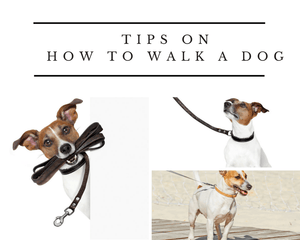
Choosing the right leash is key for successful puppy training. A good leash helps your puppy learn control and feel safe. It also gives you better control during walks. Picking the right leash can make training easier and more fun.
Types Of Leashes
There are many leash types to choose from. Standard leashes are simple and strong, perfect for training. Retractable leashes let your puppy explore but offer less control. Slip leads combine leash and collar in one piece. Each type suits different training needs and puppy behavior.
Leash Length And Material
Leash length affects control and freedom. Short leashes keep puppies close and focused. Longer leashes allow more exploration but need careful use. Leashes come in nylon, leather, and chain. Nylon is light and easy to clean. Leather is strong and lasts long. Chains resist chewing but can be heavy.
Safety Features To Consider
Look for leashes with secure clasps to prevent escapes. Reflective strips improve visibility during night walks. Padding on handles gives comfort and reduces hand strain. Check leash strength to match your puppy’s size. Safe leashes protect both you and your puppy on every walk.
Credit: tethertug.com
Preparing Your Puppy
Preparing your puppy for leash training is the first step to success. It helps your puppy feel safe and calm during walks. Start early to build good habits and trust. Patience and gentle guidance make this process easier for both of you.
Getting Comfortable With The Collar
Choose a soft, lightweight collar for your puppy. Let your puppy wear the collar for short times inside. Watch how your puppy reacts and adjust if needed. Praise your puppy with treats and kind words. This helps your puppy see the collar as something good. Avoid forcing the collar on too fast. Slow steps make your puppy feel safe and ready.
Introducing The Leash Gradually
Attach the leash to the collar indoors first. Let your puppy drag the leash around for a few minutes. Supervise closely to keep the leash safe. Offer treats when your puppy stays calm with the leash. Hold the leash gently and follow your puppy’s pace. Do not pull or tug. This stage builds trust with the leash before going outside.
Starting Indoors
Starting leash training indoors helps your puppy adjust to the new experience. It keeps distractions low and creates a safe space. You can focus on basic commands and gentle movements. This phase builds your puppy’s confidence before going outside.
Short Training Sessions
Keep training sessions brief. Five to ten minutes work best for puppies. Short sessions hold their attention and prevent frustration. End on a positive note to keep them eager for next time.
Using Treats And Praise
Use treats to reward good behavior. Praise your puppy with kind words and gentle petting. This encourages them to repeat the actions you want. Treats and praise make training fun and motivating.
Encouraging Calm Behavior
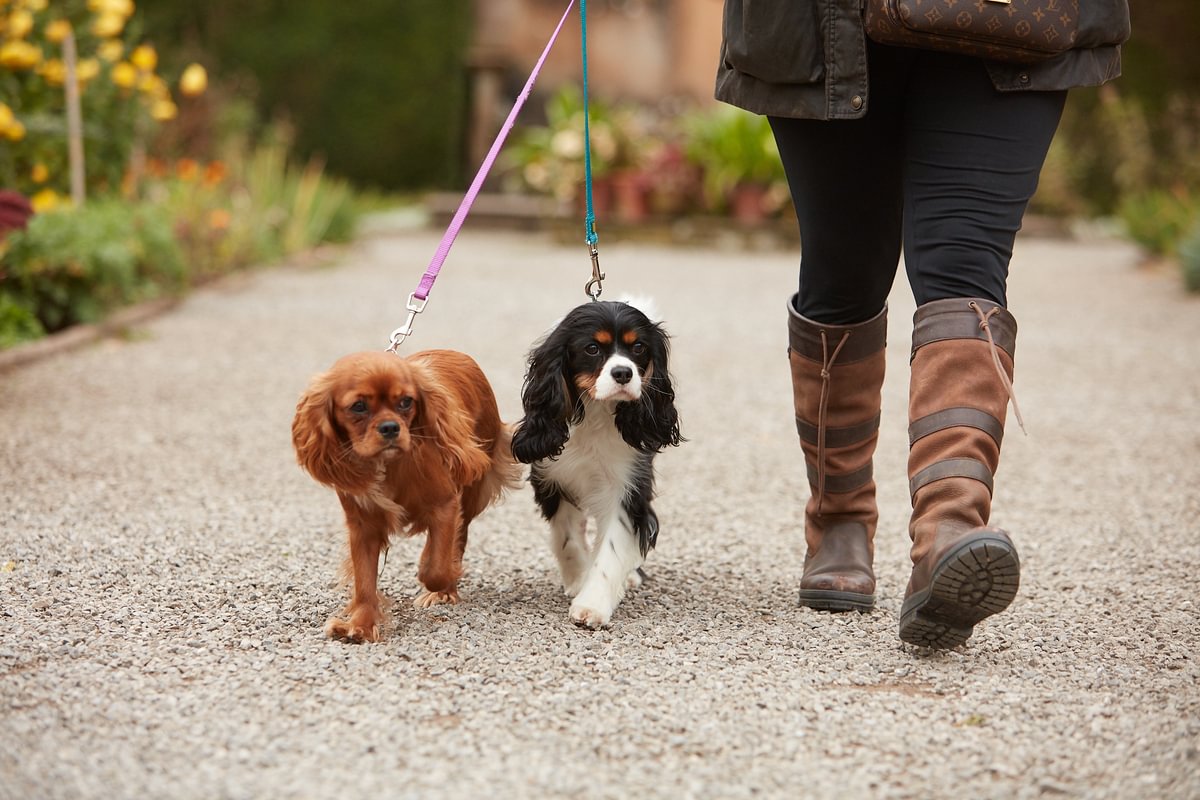
Teach your puppy to stay calm on the leash. Avoid pulling or tugging. If your puppy gets excited, pause and wait for them to settle. Calm behavior helps create a pleasant walking experience later.
Credit: forthglade.com
Moving Outside
Taking your puppy outside for leash training is a big step. It helps your puppy learn how to behave in the real world. New sights, sounds, and smells can be exciting or scary for your puppy. Start slowly to build confidence and good habits. Keep sessions short and positive. This way, your puppy enjoys learning and stays eager to try again.
Choosing A Quiet Location
Pick a calm, quiet place for your first outdoor training sessions. Avoid busy streets or crowded parks at first. A quiet spot helps your puppy focus on you and the leash. Look for a small park, a backyard, or a quiet sidewalk. Fewer distractions make learning easier for your puppy.
Handling Distractions
Distractions are everywhere outside. Other dogs, people, cars, and noises can grab your puppy’s attention. Stay calm and patient. Use treats and praise to bring your puppy’s focus back to you. Practice gently pulling the leash if your puppy pulls toward distractions. Keep training fun and stress-free.
Practicing Commands On Walks
Walks are perfect for practicing commands. Use simple commands like “sit,” “stay,” and “come” during your walk. Reward your puppy with treats and praise for listening well. This helps your puppy learn to obey in different places. Practice often to build good habits on every walk.
Common Challenges
Leash training a puppy comes with many challenges. Understanding these common problems helps you stay patient and consistent. Each puppy reacts differently to the leash and new environments. Knowing what to expect prepares you for smoother training sessions.
Puppy Pulling
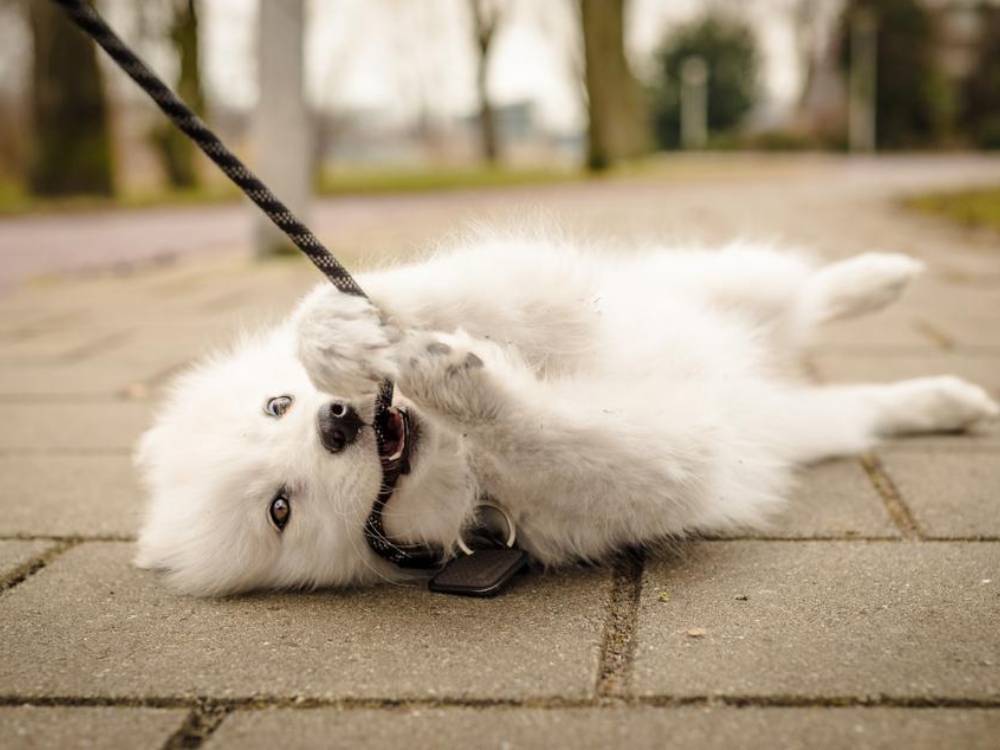
Puppies often pull on the leash out of excitement. They want to explore everything around them. Pulling can make walks hard and unsafe. Teach your puppy to walk beside you. Stop walking when pulling happens. Reward calm walking to encourage good behavior.
Fear And Anxiety
Some puppies feel scared on the leash. Strange noises or sights can cause anxiety. A nervous puppy may freeze or try to run. Use gentle words and slow movements to calm them. Let your puppy sniff and get used to the leash slowly. Patience builds their confidence over time.
Reacting To Other Dogs
Puppies may bark or lunge at other dogs. This reaction comes from fear or excitement. Keep a safe distance from other dogs at first. Use treats to distract and reward calm behavior. Gradually introduce your puppy to friendly dogs. Controlled socialization improves leash manners.
Consistency And Patience
Leash training a puppy needs consistency and patience. Puppies learn slowly and need clear signals. Repeating the same actions helps them understand what to do. Staying calm and patient makes training easier for both you and your puppy.
Setting A Routine
Choose specific times for leash training every day. Short, regular sessions work best for puppies. A routine helps your puppy expect and accept training. Keep the leash training environment quiet and free from distractions.
Rewarding Good Behavior
Praise your puppy immediately after good leash behavior. Use treats or gentle words to show approval. Rewards encourage your puppy to repeat good actions. Consistent rewards create positive connections with leash training.
Avoiding Negative Reinforcement
Do not pull the leash hard or shout at your puppy. Negative actions cause fear and confusion. Instead, stay calm and use gentle guidance. Avoid punishment to build trust and confidence in your puppy.
Advanced Leash Skills
Advanced leash skills help your puppy walk calmly and safely. These skills improve your control and your puppy’s behavior. Practice makes walking together easier and more fun. Focus on loose leash walking, heel positioning, and off-leash preparation for the best results.
Loose Leash Walking
Loose leash walking means the leash stays slack, not tight. It shows your puppy walks by your side without pulling. Start by stopping when your puppy pulls. Move only when the leash is loose. Reward your puppy with treats and praise. Keep sessions short and positive. Practice in quiet places first.
Heel Positioning
The heel means your puppy walks close to your left side. This position keeps your puppy safe and under control. Use treats to guide your puppy to your side. Say “heel” gently and reward when your puppy stays there. Practice changing directions to keep your puppy focused. Heel positioning takes time but builds good habits.
Off-leash Preparation
Off-leash walking needs strong leash skills first. Train in safe, enclosed areas before trying off-leash. Use a long leash to give freedom with control. Teach your puppy to come back when called. Practice recall games regularly. Always watch your puppy closely to prevent danger. Off-leash time is a reward for good leash manners.
Credit: www.hillspet.com
Frequently Asked Questions
How Do I Start Leash Training A Puppy?
Begin leash training indoors in a quiet space. Use a lightweight leash and collar. Let your puppy get used to wearing them. Reward calm behavior with treats and praise to build positive associations.
What Is The Best Age To Start Leash Training?
Start leash training as early as 8 weeks old. Puppies learn quickly at this age. Early training helps prevent bad habits and makes walking enjoyable for both.
How Long Should Leash Training Sessions Last?
Keep sessions short, about 5 to 10 minutes. Puppies have short attention spans. Frequent, brief sessions help maintain interest and prevent frustration.
How Can I Stop My Puppy From Pulling On The Leash?
Use treats to encourage your puppy to walk beside you. Stop walking when they pull. Reward them when the leash is slack. Consistency and patience are key to success.
Conclusion
Leash training a puppy takes time and patience. Stay calm and use gentle guidance. Practice daily in short sessions. Reward good behavior with praise or treats. Avoid pulling or harsh corrections. Puppies learn best with love and consistency. Soon, walks will become more enjoyable.
Your puppy will feel safe and happy. Keep training simple and fun every day. Success comes step by step, with care.


