Bringing a new puppy into your home is exciting, but housebreaking can feel overwhelming. You want your puppy to learn quickly and avoid accidents, but where do you start?
What if there was a simple way to make training easier and faster? You’ll discover practical tips that can help you teach your puppy good bathroom habits with less stress. Keep reading, because mastering housebreaking now means more time enjoying your puppy’s playful side later.
Choosing The Right Spot
Choosing the right spot for housebreaking your puppy is very important. The spot helps your puppy learn where to go. It creates a clear message. Your puppy will understand what you want. This makes training faster and less stressful. Picking the right place also keeps your home clean. Your puppy will feel safe and comfortable there.
Indoor Vs Outdoor Options
Decide if your puppy will go indoors or outdoors. Indoor spots can be a potty pad or a litter box. They work well if you live in an apartment or cold area. Outdoor spots are usually a patch of grass. Choose a quiet place with little foot traffic. Outdoor spots give your puppy fresh air and natural signals. Both options need to be easy for your puppy to reach.
Consistency Matters
Use the same spot every time. This helps your puppy remember the correct place. Avoid moving the spot often. Always bring your puppy to the chosen place after meals and naps. Praise your puppy when they use the spot correctly. Consistent use builds good habits and reduces accidents. It also makes your puppy feel more secure.

Credit: www.etsy.com
Setting A Schedule
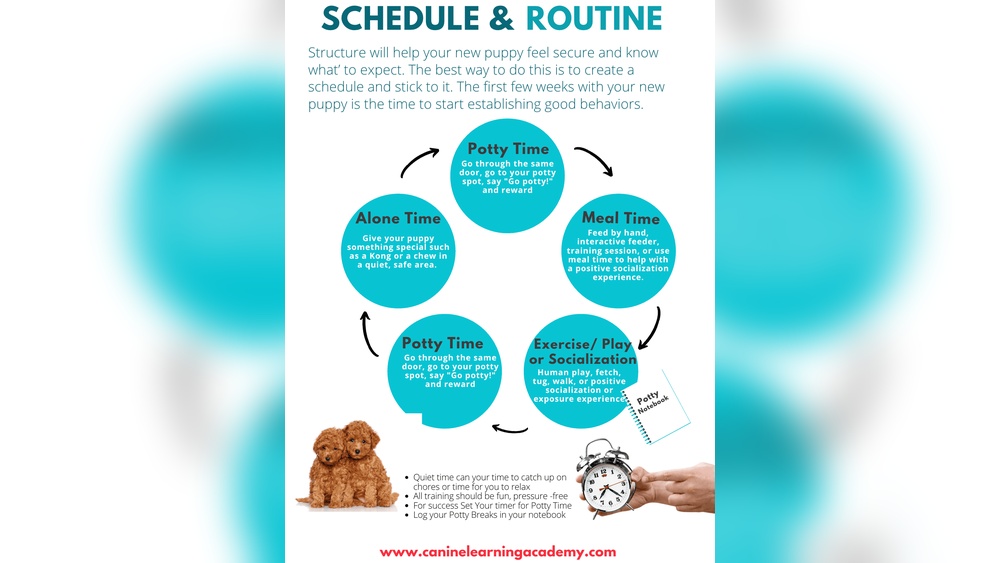
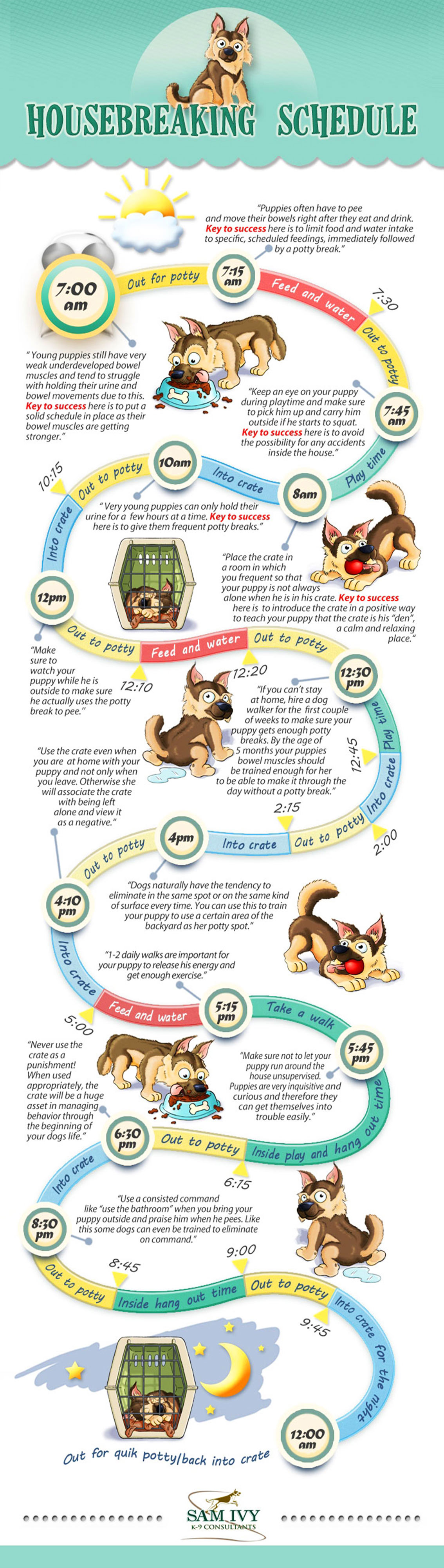
Setting a schedule is key to housebreaking a puppy. Puppies learn best with consistent routines. A steady plan helps them know what to expect. It reduces accidents inside the home. Start by organizing feeding and bathroom times. This creates a clear pattern for your puppy.
Feeding Times And Bathroom Breaks
Feed your puppy at the same times each day. Regular feeding leads to predictable bathroom needs. Avoid leaving food out all day. Controlled meals help control potty times. After eating, take your puppy outside quickly. This teaches them where to go. Stay patient and calm during these trips.
Regular Potty Intervals
Puppies need to relieve themselves often. Take them out every two hours at first. Also, bring them outside after naps and playtime. Watch for signs like sniffing or circling. These signs mean your puppy needs to go. Consistent potty breaks stop accidents inside. Praise your puppy right after they go outside.
Using Crate Training
Using crate training is a helpful method for housebreaking your puppy. It gives your puppy a safe, small space to rest and learn good habits. Puppies naturally avoid soiling their sleeping area. This instinct helps teach them to hold their bladder and wait for bathroom breaks.
Crate training also supports a regular routine. Puppies get used to scheduled feeding and potty times. This routine reduces accidents inside the house. Your puppy feels secure and calm in the crate. It becomes their special place to relax and sleep.
Benefits Of Crate Training
Crate training helps your puppy learn house rules quickly. It prevents accidents by limiting where your puppy can roam. The crate acts like a den, giving comfort and safety. It reduces anxiety when you are not home. Crate training also makes travel easier and safer. Your puppy grows used to a quiet, calm space.
Creating A Comfortable Space
Choose a crate that fits your puppy comfortably. Add soft bedding to make it cozy. Place favorite toys inside to keep your puppy entertained. Keep the crate in a quiet area but not isolated. Let your puppy explore the crate at their own pace. Praise and reward your puppy for going inside. This positive experience helps your puppy accept the crate happily.
Positive Reinforcement
Positive reinforcement is a key method for housebreaking puppies. It means rewarding good behavior to encourage it again. Puppies learn faster when they get praise or treats for doing the right thing. This method builds trust and helps your puppy feel happy and safe.
Using positive reinforcement makes training less stressful. It focuses on what your puppy does right, not on mistakes. This approach helps your puppy understand what you want clearly. Consistency and patience are important to see good results.
Effective Reward Techniques
Choose small, tasty treats that your puppy loves. Use treats only during training times to keep them special. Praise with a happy voice and pet your puppy gently. Some puppies respond well to play as a reward. Change rewards occasionally to keep your puppy interested.
Timing Your Praise
Give praise or a treat right after your puppy does the right thing. Immediate rewards help your puppy connect action with the reward. Delay can confuse your puppy and slow learning. Watch your puppy closely to catch the right moment. Quick rewards make training clearer and faster.
Handling Accidents
Accidents are a normal part of housebreaking a puppy. Puppies are still learning where to go. Handling accidents calmly helps your puppy learn faster. Reacting the right way builds trust and good habits.
Avoiding Punishment
Never punish your puppy for accidents. Puppies do not understand punishment. They may get scared or confused. Punishment can slow down training. Stay calm and gentle. Use a soft voice to guide your puppy. Reward good behavior with praise or treats. This helps your puppy know what you want.
Cleaning Tips To Prevent Repeats
Clean accidents quickly and thoroughly. Use enzyme cleaners made for pet stains. These break down smells that attract puppies back. Avoid cleaners with ammonia. Ammonia smells like urine to puppies. Wash bedding or toys that smell like accidents. Keep the area fresh and smell-free. This stops your puppy from returning to the same spot.
Recognizing Puppy Signals
Recognizing your puppy’s signals is key to successful housebreaking. Puppies communicate their needs through actions and behaviors. Paying close attention helps you know when your puppy needs to go outside. This understanding makes training faster and less stressful for both of you.
Common Signs To Watch For
Puppies often show clear signs before they need to relieve themselves. Sniffing the floor is one common sign. They may walk in circles or suddenly stop playing. Some puppies whine or scratch at the door. These behaviors mean your puppy is trying to tell you something important.
Responding Quickly
Act fast when you see these signals. Take your puppy outside right away. Delaying can cause accidents inside the house. Praise your puppy when they go outside. This helps your puppy learn where to go. Quick response builds good habits and trust.
Troubleshooting Challenges
Troubleshooting challenges during puppy housebreaking is common. Puppies learn at their own pace. Some days go well, others bring setbacks. Patience and understanding help you and your puppy through these times.
Recognizing problems early can make training easier. Stay calm and consistent. Keep following your routine. Small adjustments often solve many issues.
Dealing With Setbacks
Setbacks happen in housebreaking. Your puppy may have accidents inside. Do not punish your puppy. Clean the area well to remove smells. This prevents repeat accidents.
Watch for signs your puppy needs to go out. Take your puppy outside more often. Use praise and treats for good bathroom habits. Stay positive and patient. Your puppy will learn.
When To Seek Professional Help
Some problems need expert advice. If your puppy has frequent accidents despite training, ask for help. A vet can check for health issues. A trainer can offer new techniques.
Early help prevents frustration. Professionals give guidance suited to your puppy. They support your training efforts. Don’t wait too long to get advice.

Credit: www.dogwise.com
Credit: www.comcap-pe.com.br
Frequently Asked Questions
How Long Does Puppy Housebreaking Usually Take?
Housebreaking a puppy typically takes 4 to 6 months. Consistency and patience speed up training. Every puppy learns at their own pace.
What Are The Best Housebreaking Methods For Puppies?
Positive reinforcement, crate training, and scheduled bathroom breaks work best. Reward good behavior immediately to encourage repetition. Avoid punishment to prevent fear.
How Often Should I Take My Puppy Outside?
Take your puppy outside every 1 to 2 hours. Also, bring them out after meals, naps, and playtime. Frequent trips help establish a bathroom routine.
What Are Common Housebreaking Mistakes To Avoid?
Avoid inconsistent schedules, punishment, and ignoring accidents. Not supervising your puppy can cause setbacks. Consistency and patience are key to success.
Conclusion
Housebreaking a puppy takes time and patience. Consistency helps your puppy learn faster. Praise good behavior to encourage success. Expect some accidents; they are part of learning. Use regular bathroom breaks to build habits. Stay calm and keep training simple.
Soon, your puppy will understand the routine. Enjoy the process and bond with your pet. A well-trained puppy makes life easier and happier. Keep trying, and success will come with care.